 Vorschau anzeigen
 Versenden
 Teilen
 Details anzeigen

 Herunterladen
 Ähnliche Objekte
 Röntgenaufnahme
 Diashow
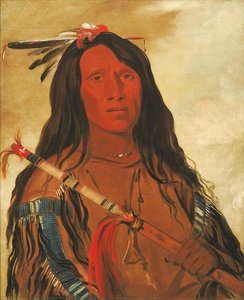
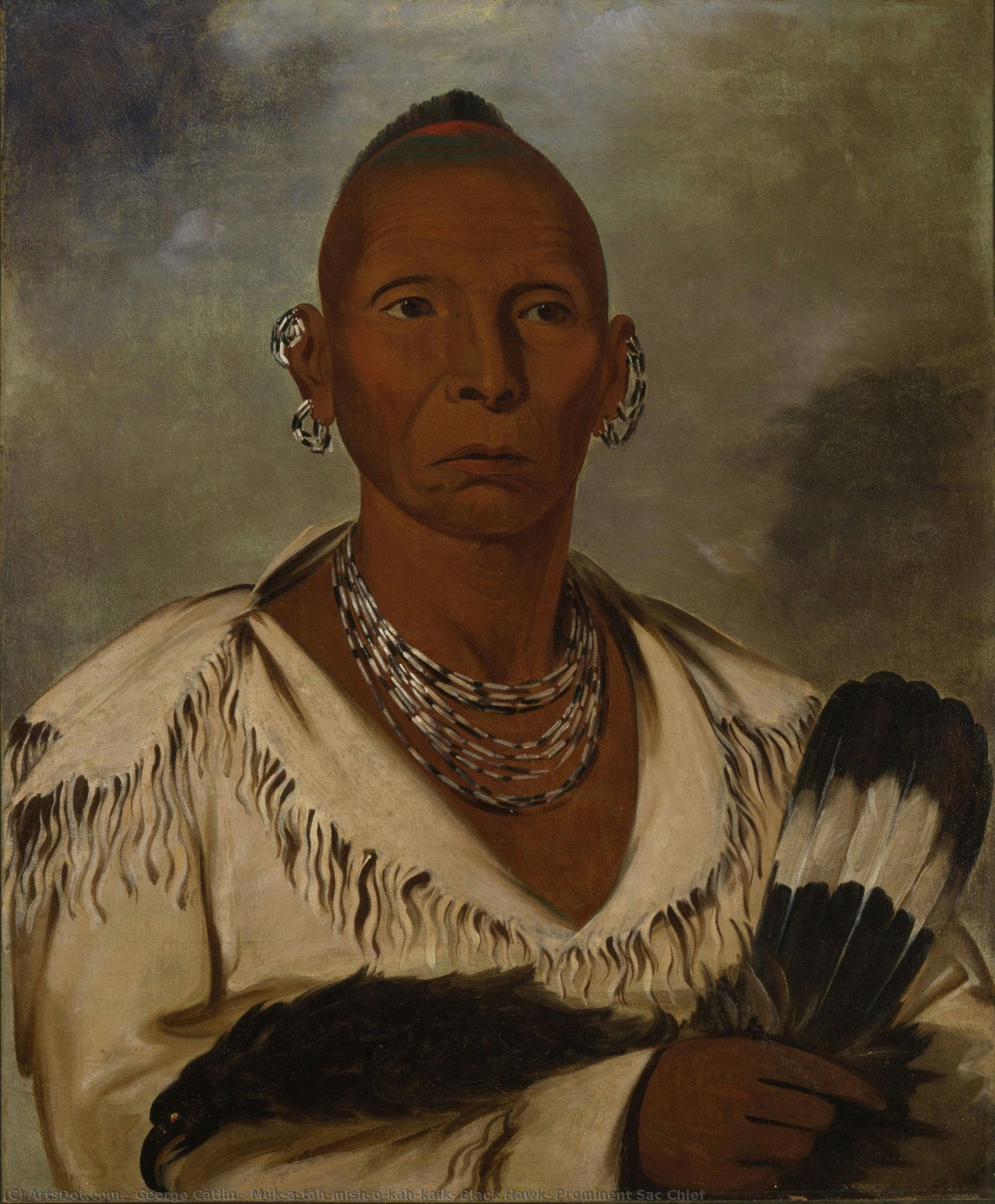
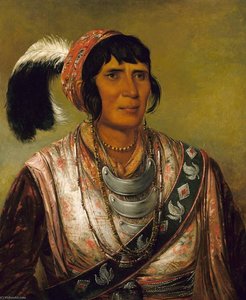
Múk-a-tah-mish-o-káh-kaik, Black Hawk, Prominent Sac Chief
 Öl auf Leinwand
- Wandkunst
- Romanticism
 1832
1832 73.0 x 60.0 cm
 Smithsonian American Art Museum
 Weiterlesen
Giclée / Kunstdruck
Giclée- oder Leinwanddruck in Museumsqualität mit schneller Produktion und flexiblen Veredelungsoptionen. ( Handgemalte Reproduktion bestellen Bild kaufen)




P118B $10

P118H $10

P118W $10

P438Z $10

P508JH $12

P508YH $12

P805H $10

P805Z $10

P919BZ $10

P919G $10

P919XJ $10

P959ZH $10

P968JZ $12

W106C $8

W218G $10

W218JH $8

W218Y $10

W307PJ $10

W316G $10

W316PJ $8

W316Y $10

W398PJ $8

W4111J $10

W500HY $15

W500JH $15

W692G $12

W849H $8

W940BG $15

W953PJ $8




Wählen Sie aus unseren vordefinierten Formaten, die den ursprünglichen Proportionen des Kunstwerks entsprechen.

Sie können Ihre eigenen Maße eingeben, um ein bestimmtes Format oder einen speziellen Platz einzupassen. Wenn das von Ihnen gewählte Format nicht den Proportionen des Originalbildes entspricht, werden wir das Kunstwerk entweder beschneiden oder das Bild mit einem gespiegelten oder einfarbigen Rand erweitern. Ein digitaler Entwurf wird Ihnen zur Genehmigung zugesandt, bevor die Produktion beginnt.
Bitte beachten Sie, dass die Vorschau auf dem Bildschirm nicht den tatsächlichen Zuschnitt oder die Erweiterung widerspiegelt. Nur der Entwurf zeigt die endgültige Komposition präzise an.
Obwohl Sondermaße verfügbar sind, empfehlen wir die Auswahl eines Maßes aus der vordefinierten Liste, um die ursprünglichen Proportionen zu bewahren.
Weltweiter Versand () innerhalb von 2 Wochen statt der üblichen 4/5 Wochen. (27 August)

Kostenloser weltweiter Expressversand

Hochwertige Leinenleinwand

Umfassender Versicherungsschutz beim Versand

Zollgebühren-Rückerstattungsgarantie

Garantie für exakte Farbtreue

60 Tage Rückgaberecht (nur bei Mängeln)

100% Geld-zurück-Garantie

Mengenrabatt verfügbar
 Die Glasoption ist nur für Größen unter 110 cm verfügbar.

Múk-a-tah-mish-o-káh-kaik, Black Hawk, Prominent Sac Chief
Giclée / Kunstdruck
Format der Reproduktion
-


Gesamtpreis
$ 62
The Spirit of the Plains: Múk-a-tah-mish-o-káh-kaik, Black Hawk
George Catlin’s “Múk-a-tah-mish-o-káh-kaik, Black Hawk, Prominent Sac Chief” is more than a portrait; it's a window into a vanishing world. Painted in 1832, this oil on canvas captures the formidable presence of Black Hawk, a leader of the Sauk tribe, during a period of immense upheaval and transformation for Native American communities in North America. The painting immediately commands attention with its subject’s intense gaze – a direct challenge to the viewer, reflecting both the stoicism demanded by leadership and perhaps a hint of guarded sorrow at the encroaching tide of white settlement.
Catlin's approach was revolutionary for his time. He deliberately eschewed the traditional European portrait style, which often emphasized idealized beauty or social status. Instead, he sought to represent Native Americans as they truly were – powerful, dignified individuals deeply connected to their land and traditions. This commitment is evident in Black Hawk’s attire: the elaborate earrings, a symbol of tribal authority and spiritual connection, and the feather held aloft, representing his role as a warrior and protector. The simplicity of his clothing further emphasizes his inherent strength and connection to nature – he wears only what is necessary for survival and leadership.
A Pioneer of Native American Art
George Catlin’s work stands as a pivotal moment in the history of American art. Born in Wilkes-Barre, Pennsylvania, in 1796, Catlin's early life was shaped by stories of frontier encounters and his mother’s tales of hardship. This instilled within him a profound respect for Native American cultures and a determination to document their lives before they were irrevocably altered by westward expansion. Initially trained as a lawyer, he abandoned legal practice in favor of an artistic career, driven by a belief that these vibrant cultures deserved recognition and preservation.
His travels into the heartland of America – from the Mississippi River to the Great Lakes – resulted in over 500 paintings, each imbued with a deep understanding of Native American customs and beliefs. Catlin wasn’t simply recording appearances; he was striving to capture the *essence* of these people, their spirit, and their connection to the land. He famously organized his works into “Indian Galleries,” touring them across America and Europe, advocating for their acquisition by the U.S. government – a goal that remained largely unfulfilled during his lifetime.
Technique and Composition: A Study in Intensity
Catlin’s technique is characterized by bold brushstrokes and a vibrant palette. He employed a method he called “border painting,” applying paint directly to the canvas, often with minimal underpainting. This resulted in a textured surface that conveys a sense of immediacy and energy. The composition itself is carefully constructed to draw the viewer's eye to Black Hawk’s face – his expression is paramount. The dark background serves to heighten this effect, isolating the figure and intensifying the drama of his gaze.
Notice the use of light and shadow; Catlin masterfully employs chiaroscuro to sculpt Black Hawk’s features, emphasizing his muscular build and projecting an aura of strength and authority. The subtle details – the lines etched on his face, the intensity in his eyes – speak volumes about a life lived fully and with purpose. The painting isn't merely a likeness; it’s a psychological portrait, revealing the inner character of its subject.
Symbolism and Legacy
“Múk-a-tah-mish-o-káh-kaik, Black Hawk, Prominent Sac Chief” is a poignant reminder of a lost world. Black Hawk’s presence embodies the resilience and dignity of Native American communities facing relentless pressure from westward expansion. The feather he holds represents not only his status as a leader but also his connection to ancestral traditions and the spiritual realm.
Catlin's work, though initially met with mixed reactions, ultimately played a crucial role in shaping public perception of Native Americans. His paintings helped to humanize these often-misunderstood people, fostering empathy and prompting reflection on the consequences of cultural displacement. Today, this artwork stands as a powerful testament to Catlin’s artistic vision and his enduring legacy as one of America's first truly important Native American portraitists. A hand-painted reproduction offers a remarkable opportunity to bring this evocative image into your home or office – a celebration of a rich culture and a poignant reflection on the past.
Ähnliche Kunstwerke
Über den Künstler
Frühes Leben und Karriere
- Geboren: 26. Juli 1796, Wilkes-Barre, Luzerne County, Pennsylvania
- Gestorben: 23. Dezember 1872
- Catlins Faszination für die amerikanischen Ureinwohner wurde durch Geschichten seiner Mutter über die Westgrenze und ihre Gefangennahme durch einen Stamm geweckt.
- Frühe Arbeiten umfassten Radierungen von Sehenswürdigkeiten entlang der Route des Erie-Kanals in New York State, die in Cadwallader D. Coldens Memoiren veröffentlicht wurden.
Künstlerische Beiträge und Stil
- Catlins Hauptaugenmerk wurde die Dokumentation des Lebens und der Kultur der amerikanischen Ureinwohner durch Malerei.
- Er unternahm fünf Expeditionen in den amerikanischen Westen während der 1830er Jahre, beobachtete und dokumentierte seine Erfahrungen sorgfältig.
- Bemerkenswerte Werke:
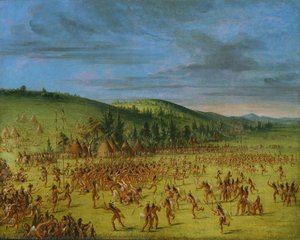
- Ball-Play of the Choctaw – Zeigt Aufmerksamkeit für Details und die Erfassung der Kultur der amerikanischen Ureinwohner.
- Mó-sho-la-túb-bee, He Who Puts Out and Kills, Chief of the Tribe – Demonstriert Geschicklichkeit im Porträt und Engagement für die Bewahrung des kulturellen Erbes.
- A Seminole Woman – Hervorhebung der Fähigkeit, Schönheit und Würde einzufangen.
- Stil: Catlins Stil ist gekennzeichnet durch Realismus, lebendige Farben und den Wunsch, die Bräuche und Traditionen der amerikanischen Ureinwohner genau darzustellen. Er fügte oft detaillierte Hintergründe und Landschaften hinzu, um seinen Motiven Kontext zu geben.
Wichtige Errungenschaften & Die Indian Gallery
- Catlin schuf eine umfangreiche Sammlung von über 500 Gemälden, die verschiedene Stämme und Aspekte ihres Lebens darstellen.
- Er stellte diese Werke in das sogenannte "Indian Gallery" zusammen, ein umfassendes visuelles Dokument der Kultur der amerikanischen Ureinwohner.
- Die Indian Gallery wurde in London, Paris und Berlin ausgestellt und erlangte internationale Anerkennung für Catlins Arbeit.
- Seine Veröffentlichungen, darunter Manners, Customs, and Condition of the North American Indians (1841) und Last Rambles Amongst the Indians of the Rocky Mountains and the Andes (1868), festigten seinen Ruf als Autorität über die Kultur der amerikanischen Ureinwohner.
Späteres Leben & Vermächtnis
- Catlin verbrachte seine späteren Jahre damit, zu versuchen, seine Indian Gallery an die US-Regierung zu verkaufen und stieß dabei auf anfängliche Ablehnung.
- Er reproduzierte über 400 Gemälde in einer "Cartoon Collection".
- Trotz Herausforderungen hat Catlins Arbeit einen bleibenden Einfluss darauf gehabt, wie amerikanische Ureinwohner in der Kunst und Populärkultur dargestellt werden.
- Historische Bedeutung: Catlins sorgfältige Dokumentation liefert wertvolle Einblicke in das Leben der Stämme der amerikanischen Ureinwohner vor bedeutenden kulturellen Veränderungen aufgrund der Westexpansion. Seine Arbeit gilt als wichtige historische Aufzeichnung sowie künstlerische Leistung.
Einflüsse & Weitere Informationen
- Nützliche Links:
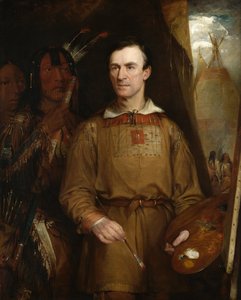
George Catlin
1796 - 1872 , Vereinigte Staaten von Amerika
Kurzinfos
- Bemerkenswerte Werke:
- Ball-Play of the Choctaw
- Mó-sho-la-túb-bee, Chief
- A Seminole Woman
- Geburtsdatum: 26. Juli 1796
- Geburtsort: Wilkes-Barre, Vereinigte Staaten
- Künstlerischer Stil: Frontier Malerei
- Nationalität: Amerikanisch
- Sterbedatum: 23. Dezember 1872
- Vollständiger Name: George Catlin
Ähnliche Artikel

Georges Braque: Die 25 Meisterwerke des Kubismus für Ihr Zuhause | ArtsDot
Entdecken Sie die 25 bedeutendsten Kunstwerke von Georges Braque – vom Kubismus bis zum Fauvismus. Erfahren Sie die Geschichten hinter den Meisterwerken und finden Sie hochwertige Reproduktionen für Ihr Zuhause auf ArtsDot.com.
George Catlin und die Bewahrung des amerikanischen Westens: Eine visuelle Dokumentation indigener Lebensweisen im Zeitalter des Wandels
Entdecken Sie das faszinierende Werk von George Catlin und seine einzigartige Dokumentation der indigenen Kulturen des amerikanischen Westens. Erfahren Sie mehr über die Lebensweisen, Rituale und Traditionen der Native Americans im Zeitalter des Wandels.

Georges Seurat: Die 25 Meisterwerke des Pointillismus für Ihr Zuhause | ArtsDot
Entdecken Sie die 25 ikonischsten Meisterwerke von Georges Seurat! Tauchen Sie ein in die Welt des Pointillismus, der Farbtheorie und des Impressionismus. Hochwertige Kunst reproduzieren für Ihr Zuhause – jetzt auf ArtsDot.com!

Die Top 10 berühmter Gemälde im Reich der dunklen Töne |
Entdecken Sie die Top 10 berühmter Gemälde, beherrscht von dunklen Tönen! Von Caravaggio bis Manet – erfahren Sie die Geschichten hinter Meisterwerken der Kunstgeschichte. Finden Sie Ihre perfekte Reproduktion auf .

John George Brown: Die einfühlsame Darstellung amerikanischer Lebenswelt und Sentiment in der Genremalerei des 19. Jahrhunderts
Entdecken Sie die einfühlsame Genremalerei von John George Brown! Erfahren Sie mehr über seine Darstellung des amerikanischen Lebens im 19. Jahrhundert, seinen Stil und sein Vermächtnis. Hochwertige Kunstdrucke bei ArtsDot.