

 Vorschau anzeigen
 Versenden
 Teilen
 Details anzeigen

 Herunterladen
 Ähnliche Objekte
 Röntgenaufnahme
 Diashow
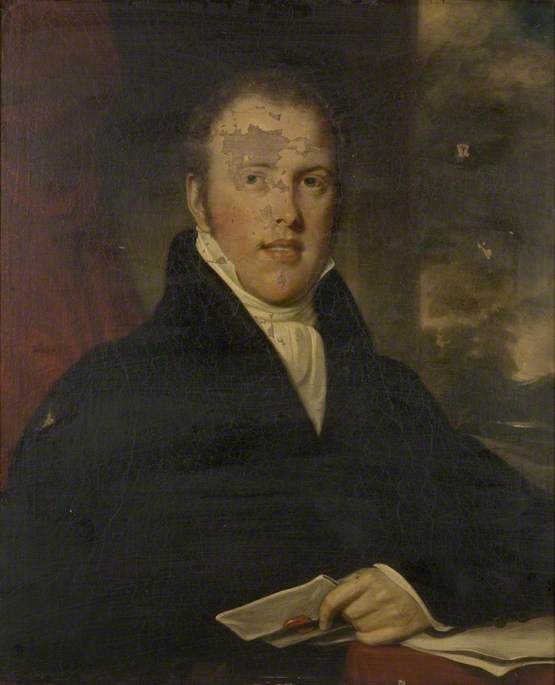
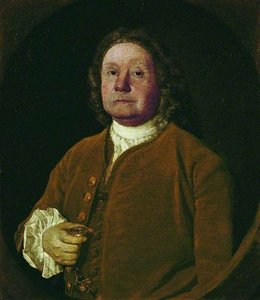
Head and Shoulders of a Man (probably William Theobald, 1795–1850)
 Neoclassicism
 1815
1815 83.0 x 69.0 cm
 English Heritage
 Weiterlesen
Handgefertigte Ölreproduktion
Handgemaltes Ölgemälde auf Leinwand in Ihrer Wunschgröße und mit Rahmen, auf Bestellung von unseren Künstlern angefertigt. ( Druck bestellen Bild kaufen)




































Wählen Sie aus unseren vordefinierten Formaten, die den ursprünglichen Proportionen des Kunstwerks entsprechen.

Sie können Ihre eigenen Maße eingeben, um einen bestimmten Rahmen oder Platz auszufüllen. Wenn die gewählte Größe nicht den Proportionen des Originalbildes entspricht, werden wir das Kunstwerk entweder beschneiden oder das Gemälde durch zusätzliche, handgemalte Elemente erweitern. Ein digitales Mockup wird Ihnen zur Genehmigung zugesandt, bevor die Produktion beginnt.
Bitte beachten Sie, dass die Bildschirmvorschau nicht die tatsächliche Beschneidung oder Erweiterung widerspiegelt. Nur das Mockup zeigt die endgültige Komposition exakt an.
Obwohl Sondermaße verfügbar sind, empfehlen wir, eine Größe aus der vordefinierten Liste zu wählen, um die ursprünglichen Proportionen beizubehalten.
Nach der Bestellung wird das ArtsDot.com-Team dem Kunden Anweisungen per E-Mail zusenden und eine Mockup-Vorschau bereitstellen.
Weltweiter Versand () in nur 3 bis 4 Wochen statt der üblichen 5 Wochen. (27 August). Keine Kompromisse bei der Qualität.

Kostenloser weltweiter Expressversand

Hochwertige Leinenleinwand

Umfassender Versicherungsschutz beim Versand

Zollgebühren-Rückerstattungsgarantie

Garantie für exakte Farbtreue

60 Tage Rückgaberecht (nur bei Mängeln)

100% Geld-zurück-Garantie

Mengenrabatt verfügbar
 Die Glasoption ist nur für Größen unter 110 cm verfügbar.

Head and Shoulders of a Man (probably William Theobald, 1795–1850)
Art der Reproduktion
Format der Reproduktion
-


Gesamtpreis
$ 263
Ähnliche Kunstwerke
![Leben Des Heiligen Franziskus - [01] - Stigmatiisierung Des Heiligen Franziskus — Giotto Di Bondone, Frührenaissance](/media/artworks/images-thumb/fd/6a/fd6ae2a8f5e88e0ace6b86a21d020ded.jpg)
![Legende Von St Franz - [11] - St Franz Vor Dem Sultan (feuerprobe) — Giotto Di Bondone, Early Renaissance](/media/artworks/images-thumb/0d/32/0d328acfb6c90f7ef32707586e86044b.jpg)
![Legende Des Heiligen Franziskus – [24] – Krönung Des Heiligen Franziskus — Giotto Di Bondone, Gothic/proto-renaissance](/media/artworks/images-thumb/81/9b/819b5f0656848eb5cb3fcd40fd5756aa.jpg)
![Leben Des Heiligen Franziskus - [04] - Tod Und Himmelfahrt Des Hl. Franziskus — Giotto Di Bondone, Italienische Renaissance](/media/artworks/images-thumb/08/8b/088b102b13c1a379233690905590f156.jpg)
Über den Künstler
George Francis Joseph: A Portraitist of the Regency and Beyond
George Francis Joseph (1764 – 1846) stands as a quietly significant figure in 18th and early 19th-century English art, primarily recognized for his elegant and refined portraiture. While not commanding the same immediate fame as some of his contemporaries, Joseph’s meticulous technique, keen observation, and ability to capture subtle nuances of character established him as a respected artist within his time, leaving behind a legacy of understated beauty and historical documentation.
Born in Ireland, Joseph's early life remains somewhat shrouded in the mists of history. He entered the Royal Academy Schools in London at the remarkably young age of twenty, initially pursuing studies in engraving – a skill that undoubtedly informed his later work with detail and precision. It was as a painter, however, that he truly found his voice and established himself as a professional artist. His career unfolded primarily within the bustling artistic circles of London, where he steadily built a reputation for producing portraits that were both aesthetically pleasing and remarkably lifelike.
A Royal Academy Recognition
Joseph’s ascent to recognition began with a significant achievement in 1792: winning the coveted Gold Medal at the Royal Academy. This award, bestowed annually on the most promising young artist, catapulted him into the spotlight and signaled the beginning of a successful career. The subject of his medal entry – a scene from Coriolanus – demonstrated an early talent for dramatic composition and skillful rendering of figures in movement. Following this success, Joseph became a consistent exhibitor at both the Royal Academy and the British Institution, showcasing a diverse range of subjects including historical scenes, genre paintings, and, most notably, portraits.
His portraiture quickly gained favor among the elite, reflecting the tastes of the Regency era. He was commissioned to paint members of the aristocracy, prominent figures in politics and society, and even notable actresses like Mrs. Siddons – immortalized in his celebrated depiction as “The Tragic Muse.” These portraits weren’t merely likenesses; Joseph possessed a remarkable ability to capture not just physical appearance but also the personality and spirit of his subjects. He skillfully employed light and shadow, subtle color palettes, and carefully observed details to create images that were both visually engaging and psychologically revealing.
Technique and Influences
Joseph’s artistic style can be characterized as a blend of classical restraint and contemporary sensibility. He was deeply influenced by the portraiture traditions of the Old Masters – particularly those of Sir Thomas Lawrence, whose emphasis on naturalism and psychological insight served as a model for Joseph. However, he also incorporated elements of the Rococo style, evident in his elegant compositions and refined brushwork. His use of light is particularly noteworthy; it’s often diffused and atmospheric, creating a sense of intimacy and drawing the viewer into the subject's world.
Furthermore, Joseph’s experience as an engraver undoubtedly shaped his approach to painting. His meticulous attention to detail, honed through years of working with intricate lines and textures, translated seamlessly into his portraits. He was adept at capturing subtle variations in skin tone, fabric texture, and the play of light on surfaces – qualities that contributed significantly to the realism and depth of his work.
Later Years and Legacy
Joseph continued to exhibit at the Royal Academy until 1836, a testament to his enduring skill and popularity. He retired to Cambridge in 1836, where he spent his remaining years quietly pursuing his artistic endeavors. He died in 1846, leaving behind a substantial body of work that offers valuable insights into the social and cultural landscape of Regency and Victorian England.
While Joseph may not be as widely celebrated as some of his contemporaries, his portraits remain treasured examples of English portraiture from the early 19th century. His ability to capture the essence of his subjects – their character, their status, and their inner lives – ensures that his work continues to resonate with viewers today. He represents a quiet but significant voice in the history of British art, a testament to the power of observation, skill, and artistic refinement.
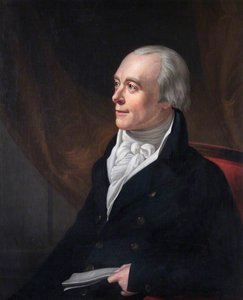
george francis joseph
1764 - 1846
Kurzinfos
- Artistic Movement Or Style: Portraiture
- Artists Or Movements Influenced By This Artist: ['British Institution']
- Artists Who Influenced This Artist: ['Royal Academy']
- Date Of Birth: 1764
- Date Of Death: 1846
- Full Name: George Francis Joseph
- Nationality: English
- Notable Artworks:
- Scene from Coriolanus
- Mrs. Siddons as the Tragic Muse
- Return of Priam with the dead body of Hector
- Procession to Calvary
- Place Of Birth: Dublin, Ireland
Ähnliche Artikel

Georges Braque: Die 25 Meisterwerke des Kubismus für Ihr Zuhause | ArtsDot
Entdecken Sie die 25 bedeutendsten Kunstwerke von Georges Braque – vom Kubismus bis zum Fauvismus. Erfahren Sie die Geschichten hinter den Meisterwerken und finden Sie hochwertige Reproduktionen für Ihr Zuhause auf ArtsDot.com.

Georges Seurat: Die 25 Meisterwerke des Pointillismus für Ihr Zuhause | ArtsDot
Entdecken Sie die 25 ikonischsten Meisterwerke von Georges Seurat! Tauchen Sie ein in die Welt des Pointillismus, der Farbtheorie und des Impressionismus. Hochwertige Kunst reproduzieren für Ihr Zuhause – jetzt auf ArtsDot.com!
Francis Bacon: Die 25 Meisterwerke des existentiellen Schmerzes | ArtsDot
Entdecken Sie die 25 Meisterwerke von Francis Bacon! Erleben Sie existenzielle Schmerz, expressive Porträts & dunkle Farben. Kunstreproduktionen in Museumsqualiät auf ArtsDot.com – für Ihre Wanddekoration.

The Enduring Legacy of Oil on Canvas: Technique, History & Aesthetic Impact
Explore the rich history & techniques of oil painting – from Renaissance masters to Impressionism. Discover pigments, layering methods, and why this timeless medium endures. Expert insights for artists & art enthusiasts.

Öl auf Leinwand: Eine historische und technische Erkundung eines zeitlosen künstlerischen Mediums
Entdecken Sie die faszinierende Welt der Ölmalerei! Von historischen Techniken bis zur modernen Anwendung – wir bieten Expertenwissen, Restaurierungstipps und hochwertige Reproduktionen. Jetzt informieren!

