

 Vorschau anzeigen
 Versenden
 Teilen
 Details anzeigen

 Herunterladen
 Ähnliche Objekte
 Röntgenaufnahme
 Diashow
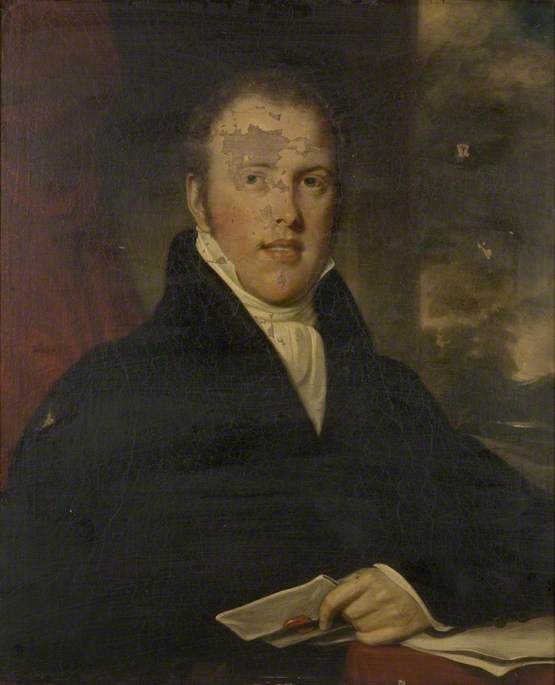
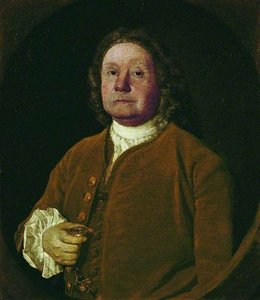
Head and Shoulders of a Man (probably William Theobald, 1795–1850)
 Neoclassicism
 1815
1815 83.0 x 69.0 cm
 English Heritage
 Weiterlesen
Erwerben Sie ein hochauflösendes, optimiertes digitales Bild, das der Online-Vorschau weit überlegen ist.
Jede Datei wird von unseren hauseigenen Spezialisten mit modernsten Werkzeugen und fachmännischer manueller Retusche sorgfältig vorbereitet. Wir stellen sicher, dass jedes Bild eine außergewöhnliche Klarheit, präzise Farbgenauigkeit und feinste Details aufweist.
Die endgültige Datei wird innerhalb von 72 Stunden per E-Mail zugestellt und ist für den sofortigen Einsatz in professionellen, redaktionellen und Druckumgebungen optimiert. Es handelt sich um dieselbe Qualität, der führende Designstudios, Verlage und Galerien vertrauen.
Digitales Bild
Laden Sie eine hochauflösende Datei für die persönliche Präsentation, den Druck und kreative Projekte herunter. ( Druck bestellen Handgemalte Reproduktion bestellen)
In jeder Bestellung digitaler Bilder enthalten
Professionelle digitale Bereitstellung, garantiert
Wenn Sie sich für ArtsDot.com entscheiden, erhalten Sie nicht nur ein Bild – Sie erhalten ein professionell aufbereitetes digitales Kunstwerk, das mit höchster Präzision erstellt und durch eine Zufriedenheitsgarantie abgesichert wird. Hier ist alles, was automatisch mit Ihrer Bestellung geliefert wird:

Schnelle E-Mail-Zustellung
Ihre hochauflösende digitale Bilddatei wird Ihnen innerhalb von 72 Stunden nach der Bestellung per E-Mail zugestellt – bereit zur sofortigen Verwendung.

KI-optimierte digitale Datei
Ihre Kunstwerke werden professionell mithilfe fortschrittlicher KI-Tools und manueller Bearbeitung optimiert, um maximale Detailtreue, Klarheit und Farbgenauigkeit zu gewährleisten.

Lebenslanger kostenloser Neudruckservice
Datei versehentlich gelöscht oder verloren? Keine Sorge – wir senden sie Ihnen jederzeit kostenlos erneut zu.

Keine Einfuhrgebühren – jemals
Genießen Sie Ihr Kunstwerk sofort ohne Zollgebühren, Einfuhrabgaben oder Versandkosten – digitale Downloads sind immer steuerfrei.

Garantierte Farbtreue
Wir garantieren, dass Ihr digitales Bild mithilfe professioneller Werkzeuge und Farbmanagement die Originalfarben so präzise wie möglich wiedergibt.

60-Tage-Zufriedenheitsgarantie
Sollten Sie mit Ihrem digitalen Bild nicht zufrieden sein, werden wir es überarbeiten oder Ihnen innerhalb von 60 Tagen 100% erstatten – ohne Wenn und Aber.

100% Geld-zurück-Garantie
Nicht zufrieden? Erhalten Sie innerhalb von 60 Tagen nach Erhalt Ihrer digitalen Datei eine vollständige Rückerstattung – ohne Angabe von Gründen.

Rabatte bei Großbestellungen
3 Bilder kaufen, 10% sparen – 5 Bilder kaufen, 15% sparen – Ab 10 Bildern 20% sparen. Ideal für kreative Projekte, Galerien und Agenturen.
Ähnliche Kunstwerke
![Leben Des Heiligen Franziskus - [01] - Stigmatiisierung Des Heiligen Franziskus — Giotto Di Bondone, Frührenaissance](/media/artworks/images-thumb/fd/6a/fd6ae2a8f5e88e0ace6b86a21d020ded.jpg)
![Legende Von St Franz - [11] - St Franz Vor Dem Sultan (feuerprobe) — Giotto Di Bondone, Early Renaissance](/media/artworks/images-thumb/0d/32/0d328acfb6c90f7ef32707586e86044b.jpg)
![Legende Des Heiligen Franziskus – [24] – Krönung Des Heiligen Franziskus — Giotto Di Bondone, Gothic/proto-renaissance](/media/artworks/images-thumb/81/9b/819b5f0656848eb5cb3fcd40fd5756aa.jpg)
![Leben Des Heiligen Franziskus - [04] - Tod Und Himmelfahrt Des Hl. Franziskus — Giotto Di Bondone, Italienische Renaissance](/media/artworks/images-thumb/08/8b/088b102b13c1a379233690905590f156.jpg)
Biografie des Künstlers
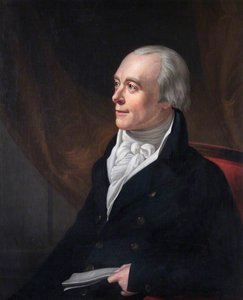
George Francis Joseph: A Portraitist of the Regency and Beyond
George Francis Joseph (1764 – 1846) stands as a quietly significant figure in 18th and early 19th-century English art, primarily recognized for his elegant and refined portraiture. While not commanding the same immediate fame as some of his contemporaries, Joseph’s meticulous technique, keen observation, and ability to capture subtle nuances of character established him as a respected artist within his time, leaving behind a legacy of understated beauty and historical documentation.
Born in Ireland, Joseph's early life remains somewhat shrouded in the mists of history. He entered the Royal Academy Schools in London at the remarkably young age of twenty, initially pursuing studies in engraving – a skill that undoubtedly informed his later work with detail and precision. It was as a painter, however, that he truly found his voice and established himself as a professional artist. His career unfolded primarily within the bustling artistic circles of London, where he steadily built a reputation for producing portraits that were both aesthetically pleasing and remarkably lifelike.
A Royal Academy Recognition
Joseph’s ascent to recognition began with a significant achievement in 1792: winning the coveted Gold Medal at the Royal Academy. This award, bestowed annually on the most promising young artist, catapulted him into the spotlight and signaled the beginning of a successful career. The subject of his medal entry – a scene from Coriolanus – demonstrated an early talent for dramatic composition and skillful rendering of figures in movement. Following this success, Joseph became a consistent exhibitor at both the Royal Academy and the British Institution, showcasing a diverse range of subjects including historical scenes, genre paintings, and, most notably, portraits.
His portraiture quickly gained favor among the elite, reflecting the tastes of the Regency era. He was commissioned to paint members of the aristocracy, prominent figures in politics and society, and even notable actresses like Mrs. Siddons – immortalized in his celebrated depiction as “The Tragic Muse.” These portraits weren’t merely likenesses; Joseph possessed a remarkable ability to capture not just physical appearance but also the personality and spirit of his subjects. He skillfully employed light and shadow, subtle color palettes, and carefully observed details to create images that were both visually engaging and psychologically revealing.
Technique and Influences
Joseph’s artistic style can be characterized as a blend of classical restraint and contemporary sensibility. He was deeply influenced by the portraiture traditions of the Old Masters – particularly those of Sir Thomas Lawrence, whose emphasis on naturalism and psychological insight served as a model for Joseph. However, he also incorporated elements of the Rococo style, evident in his elegant compositions and refined brushwork. His use of light is particularly noteworthy; it’s often diffused and atmospheric, creating a sense of intimacy and drawing the viewer into the subject's world.
Furthermore, Joseph’s experience as an engraver undoubtedly shaped his approach to painting. His meticulous attention to detail, honed through years of working with intricate lines and textures, translated seamlessly into his portraits. He was adept at capturing subtle variations in skin tone, fabric texture, and the play of light on surfaces – qualities that contributed significantly to the realism and depth of his work.
Later Years and Legacy
Joseph continued to exhibit at the Royal Academy until 1836, a testament to his enduring skill and popularity. He retired to Cambridge in 1836, where he spent his remaining years quietly pursuing his artistic endeavors. He died in 1846, leaving behind a substantial body of work that offers valuable insights into the social and cultural landscape of Regency and Victorian England.
While Joseph may not be as widely celebrated as some of his contemporaries, his portraits remain treasured examples of English portraiture from the early 19th century. His ability to capture the essence of his subjects – their character, their status, and their inner lives – ensures that his work continues to resonate with viewers today. He represents a quiet but significant voice in the history of British art, a testament to the power of observation, skill, and artistic refinement.
george francis joseph
1764 - 1846
Kurzinfos
- Artistic Movement Or Style: Portraiture
- Artists Or Movements Influenced By This Artist: ['British Institution']
- Artists Who Influenced This Artist: ['Royal Academy']
- Date Of Birth: 1764
- Date Of Death: 1846
- Full Name: George Francis Joseph
- Nationality: English
- Notable Artworks:
- Scene from Coriolanus
- Mrs. Siddons as the Tragic Muse
- Return of Priam with the dead body of Hector
- Procession to Calvary
- Place Of Birth: Dublin, Ireland

