

 Vorschau anzeigen
 Versenden
 Teilen
 Details anzeigen

 Herunterladen
 Ähnliche Objekte
 Röntgenaufnahme
 Diashow
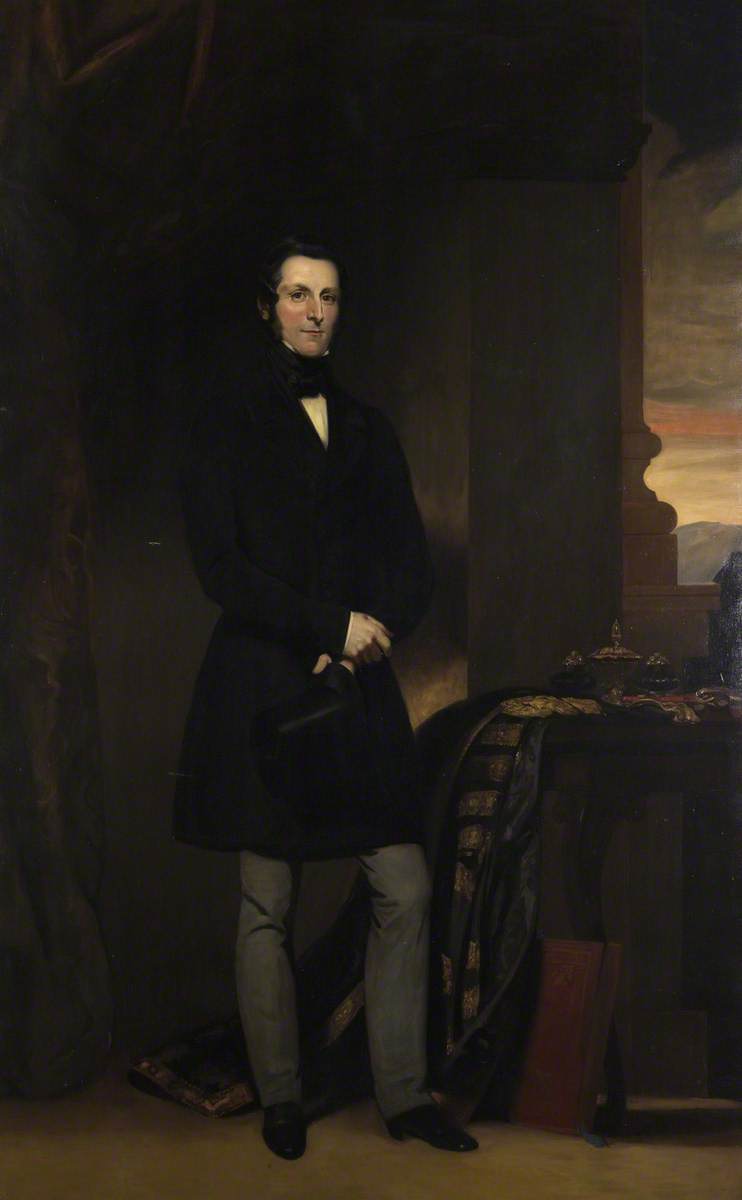
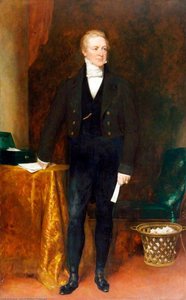
James Andrew Broun Ramsay (1812–1860), 1st Marquis of Dalhousie, Governor General of India (1848–1856) (after John Watson Gordon)
 Academic Realism
 1905
1905 240.0 x 148.0 cm
 British Library
 Weiterlesen
Erwerben Sie ein hochauflösendes, optimiertes digitales Bild, das der Online-Vorschau weit überlegen ist.
Jede Datei wird von unseren hauseigenen Spezialisten mit modernsten Werkzeugen und fachmännischer manueller Retusche sorgfältig vorbereitet. Wir stellen sicher, dass jedes Bild eine außergewöhnliche Klarheit, präzise Farbgenauigkeit und feinste Details aufweist.
Die endgültige Datei wird innerhalb von 72 Stunden per E-Mail zugestellt und ist für den sofortigen Einsatz in professionellen, redaktionellen und Druckumgebungen optimiert. Es handelt sich um dieselbe Qualität, der führende Designstudios, Verlage und Galerien vertrauen.
Digitales Bild
Laden Sie eine hochauflösende Datei für die persönliche Präsentation, den Druck und kreative Projekte herunter. ( Druck bestellen Handgemalte Reproduktion bestellen)
In jeder Bestellung digitaler Bilder enthalten
Professionelle digitale Bereitstellung, garantiert
Wenn Sie sich für ArtsDot.com entscheiden, erhalten Sie nicht nur ein Bild – Sie erhalten ein professionell aufbereitetes digitales Kunstwerk, das mit höchster Präzision erstellt und durch eine Zufriedenheitsgarantie abgesichert wird. Hier ist alles, was automatisch mit Ihrer Bestellung geliefert wird:

Schnelle E-Mail-Zustellung
Ihre hochauflösende digitale Bilddatei wird Ihnen innerhalb von 72 Stunden nach der Bestellung per E-Mail zugestellt – bereit zur sofortigen Verwendung.

KI-optimierte digitale Datei
Ihre Kunstwerke werden professionell mithilfe fortschrittlicher KI-Tools und manueller Bearbeitung optimiert, um maximale Detailtreue, Klarheit und Farbgenauigkeit zu gewährleisten.

Lebenslanger kostenloser Neudruckservice
Datei versehentlich gelöscht oder verloren? Keine Sorge – wir senden sie Ihnen jederzeit kostenlos erneut zu.

Keine Einfuhrgebühren – jemals
Genießen Sie Ihr Kunstwerk sofort ohne Zollgebühren, Einfuhrabgaben oder Versandkosten – digitale Downloads sind immer steuerfrei.

Garantierte Farbtreue
Wir garantieren, dass Ihr digitales Bild mithilfe professioneller Werkzeuge und Farbmanagement die Originalfarben so präzise wie möglich wiedergibt.

60-Tage-Zufriedenheitsgarantie
Sollten Sie mit Ihrem digitalen Bild nicht zufrieden sein, werden wir es überarbeiten oder Ihnen innerhalb von 60 Tagen 100% erstatten – ohne Wenn und Aber.

100% Geld-zurück-Garantie
Nicht zufrieden? Erhalten Sie innerhalb von 60 Tagen nach Erhalt Ihrer digitalen Datei eine vollständige Rückerstattung – ohne Angabe von Gründen.

Rabatte bei Großbestellungen
3 Bilder kaufen, 10% sparen – 5 Bilder kaufen, 15% sparen – Ab 10 Bildern 20% sparen. Ideal für kreative Projekte, Galerien und Agenturen.
Ähnliche Kunstwerke
Biografie des Künstlers
George Harcourt Sephton: A Portraitist of Victorian Society
George Harcourt Sephton (1868-1947) remains a quietly significant figure in late 19th and early 20th century British art, largely obscured by the grander narratives of the Royal Academy and the more flamboyant styles of his contemporaries. Born in Dumbarton, Scotland, into a family deeply rooted in shipbuilding—his father a labourer at William Denny & Brothers—Harcourt’s artistic journey began modestly, nurtured within the burgeoning art scene of the West Country. His early training at the Dumbarton School of Art provided a solid foundation, but it was his subsequent studies under Hubert von Herkomer at Bushey, Hertfordshire, that truly shaped his approach to portraiture and landscape.
Herkomer’s influence proved pivotal, instilling in Harcourt a rigorous attention to detail, a classical sensibility, and a commitment to capturing the essence of his subjects. This dedication is immediately apparent in his portraits, which eschew mere likeness for a deeper exploration of character and social standing. Harcourt wasn't simply reproducing faces; he was revealing personalities through subtle shifts in expression, posture, and attire. He possessed an uncanny ability to distill complex individuals into compelling visual narratives, often imbued with a quiet dignity or understated wit.
A Career Defined by Portraiture and Landscape
Harcourt’s career unfolded across several distinct phases. Initially, he found success as an interior decorator for ships and yachts, a skill honed during his early years in Dumbarton. However, it was his foray into portrait painting that truly established him within the art world. He quickly gained recognition for his ability to capture the nuances of Victorian society – from prominent politicians and military figures to members of the aristocracy and even humble tradesmen. His subjects included Clement Attlee, a key figure in British politics, and James Ramsay, 1st Marquis of Dalhousie, Governor General of India.
Alongside his portraiture, Harcourt maintained an active interest in landscape painting, though it’s often overshadowed by his more celebrated work with figures. His landscapes, frequently depicting rural scenes and evocative coastal vistas, demonstrate a keen eye for composition and a subtle understanding of light and atmosphere. These works offer glimpses into the artist's broader artistic sensibilities, revealing a sensitivity to both human experience and the natural world.
Royal Recognition and Artistic Leadership
Harcourt’s contributions were formally acknowledged by the Royal Academy, where he was elected an Associate Academician in 1919 and subsequently a full Academician in 1926. This elevation marked a significant milestone in his career, solidifying his position within the highest echelons of British art. He also served as Director of the Royal Academy Schools from 1927 to 1945, demonstrating his commitment to nurturing and guiding the next generation of artists.
His presidency of the Royal Society of Portrait Painters in 1945 further underscored his influence within the portraiture community. Harcourt’s tenure was marked by a dedication to upholding artistic standards and fostering a supportive environment for aspiring painters. He maintained a modest, almost retiring demeanor, yet his impact on the art world was considerable.
Legacy and Artistic Style
George Harcourt Sephton's legacy lies not in flamboyant exhibitions or revolutionary techniques, but rather in the quiet dignity and subtle brilliance of his portraits. His work embodies the spirit of late Victorian England – a period of social change, industrial progress, and enduring artistic tradition. His paintings are characterized by their meticulous detail, classical composition, and an ability to capture the essence of his subjects’ personalities. He was a master of capturing not just appearances but also the subtle nuances of character and social standing, leaving behind a collection of portraits that offer valuable insights into Victorian society.
His influence can be seen in the works of subsequent portraitists, who continued to draw inspiration from his meticulous approach and his commitment to portraying subjects with depth and sensitivity. Harcourt’s paintings remain treasured examples of British art, offering a window into a bygone era and a testament to the enduring power of portraiture.
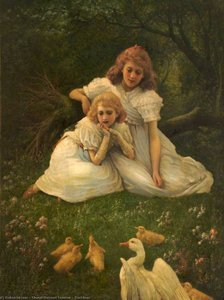
george harcourt sephton
1860 - 1923
Kurzinfos
- Artistic Movement Or Style: Portrait & Figure Painting
- Artists Or Movements Influenced By This Artist: ['Royal Academy']
- Artists Who Influenced This Artist: ['Hubert Herkomer']
- Date Of Birth: 1868-10-11
- Date Of Death: 1947-09-30
- Full Name: George Harcourt Sephton
- Nationality: British
- Notable Artworks:
- Melody
- James Ramsay
- Winifred Roberts
- Place Of Birth: Dumbarton, Scotland

