 Vorschau anzeigen
 Versenden
 Teilen
 Details anzeigen

 Herunterladen
 Ähnliche Objekte
 Röntgenaufnahme
 Diashow
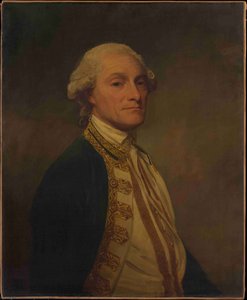
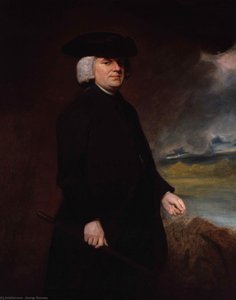
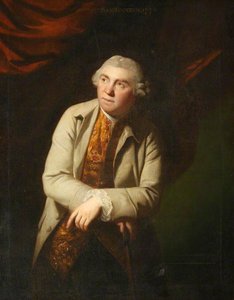
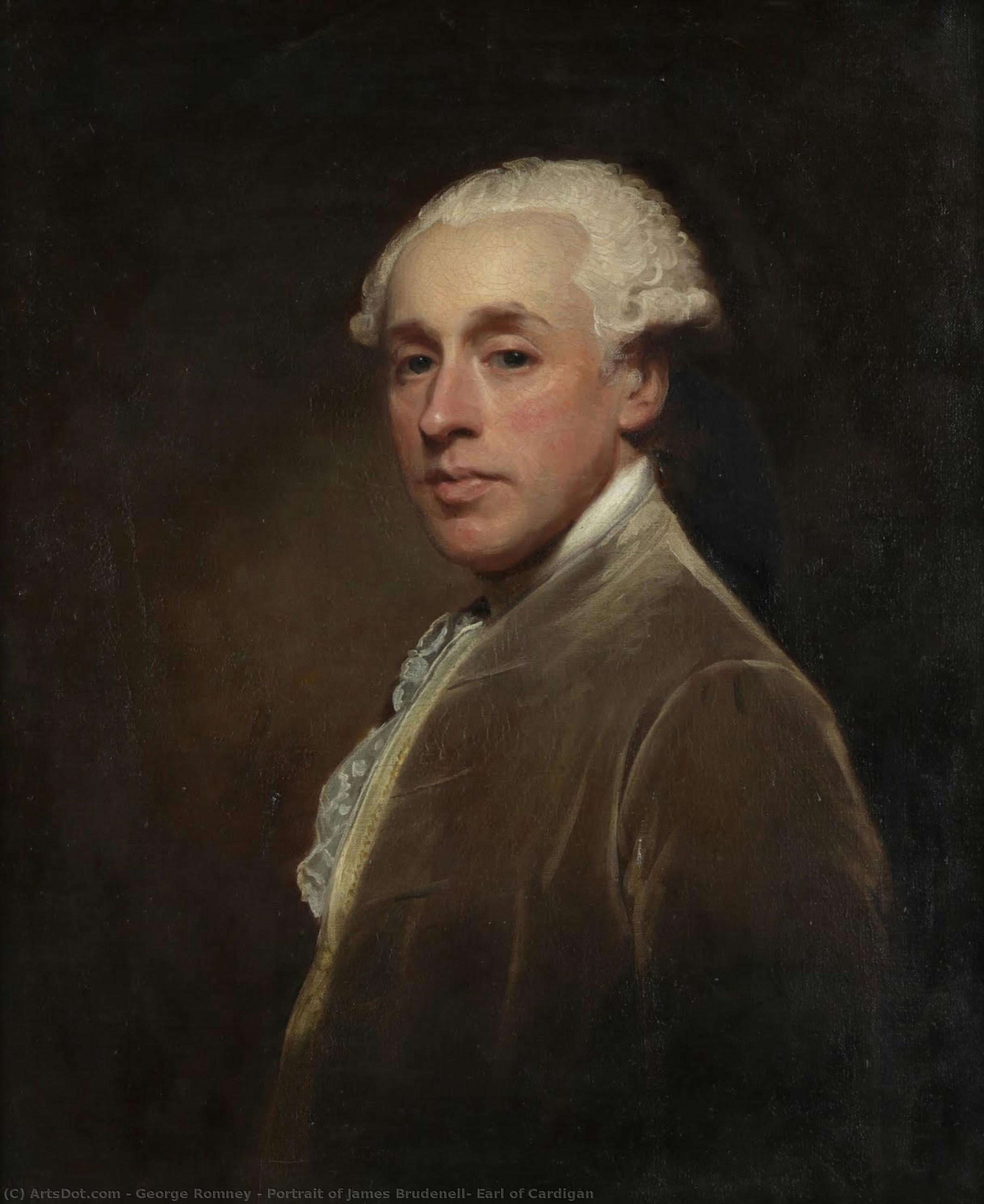
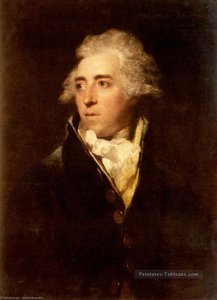
Portrait of James Brudenell, Earl of Cardigan
 Oil On Canvas
- WallArt
- George Romney
 1781
1781 74.0 x 62.0 cm
 Museo de Arte de Ponce
 Weiterlesen
Giclée / Kunstdruck
Giclée- oder Leinwanddruck in Museumsqualität mit schneller Produktion und flexiblen Veredelungsoptionen. ( Handgemalte Reproduktion bestellen Bild kaufen)




P118B $10

P118H $10

P118W $10

P438Z $10

P508JH $12

P508YH $12

P805H $10

P805Z $10

P919BZ $10

P919G $10

P919XJ $10

P959ZH $10

P968JZ $12

W106C $8

W218G $10

W218JH $8

W218Y $10

W307PJ $10

W316G $10

W316PJ $8

W316Y $10

W398PJ $8

W4111J $10

W500HY $15

W500JH $15

W692G $12

W849H $8

W940BG $15

W953PJ $8




Wählen Sie aus unseren vordefinierten Formaten, die den ursprünglichen Proportionen des Kunstwerks entsprechen.

Sie können Ihre eigenen Maße eingeben, um ein bestimmtes Format oder einen speziellen Platz einzupassen. Wenn das von Ihnen gewählte Format nicht den Proportionen des Originalbildes entspricht, werden wir das Kunstwerk entweder beschneiden oder das Bild mit einem gespiegelten oder einfarbigen Rand erweitern. Ein digitaler Entwurf wird Ihnen zur Genehmigung zugesandt, bevor die Produktion beginnt.
Bitte beachten Sie, dass die Vorschau auf dem Bildschirm nicht den tatsächlichen Zuschnitt oder die Erweiterung widerspiegelt. Nur der Entwurf zeigt die endgültige Komposition präzise an.
Obwohl Sondermaße verfügbar sind, empfehlen wir die Auswahl eines Maßes aus der vordefinierten Liste, um die ursprünglichen Proportionen zu bewahren.
Weltweiter Versand () innerhalb von 2 Wochen statt der üblichen 4/5 Wochen. (6 September)

Kostenloser weltweiter Expressversand

Hochwertige Leinenleinwand

Umfassender Versicherungsschutz beim Versand

Zollgebühren-Rückerstattungsgarantie

Garantie für exakte Farbtreue

100 Tage Rückgaberecht (nur bei Mängeln)

100% Geld-zurück-Garantie

Mengenrabatt verfügbar
 Die Glasoption ist nur für Größen unter 110 cm verfügbar.

Portrait of James Brudenell, Earl of Cardigan
Giclée / Kunstdruck
Format der Reproduktion
-


Gesamtpreis
$ 62
A Glimpse into Georgian Grandeur: The Portrait of James Brudenell, Earl of Cardigan
George Romney’s “Portrait of James Brudenell, Earl of Cardigan,” painted in 1781, is more than a simple likeness; it's a meticulously crafted window into the world of Georgian England – a society defined by military prowess, political maneuvering, and an unwavering pursuit of status. The painting captures not just the physical appearance of Sir James Brudenell, but also his projected image: a man of considerable influence, commanding respect through both his title and his service to the Crown. Romney’s skill lies in his ability to imbue this aristocratic subject with a palpable sense of presence, drawing the viewer into an intimate encounter despite the formality of the pose.
The Master at Work: Romney’s Technique and the Art of the Portrait
Romney was a master of capturing character through subtle details. Note the carefully arranged wig, a symbol of status in the 18th century, its precise curls reflecting both wealth and adherence to fashionable trends. The crisp white shirt with its prominent bow tie speaks to Brudenell’s position within the elite circles of London society. The dark background – a deliberate choice by Romney – serves not as mere backdrop but as a powerful tool for emphasizing the sitter's form and presence, directing the viewer’s attention directly onto his face. The use of mezzotint technique lends a remarkable richness to the tones, creating a velvety texture that softens the sharp lines of the portrait and adds depth to the subject’s features. Romney’s ability to render light and shadow with such precision is evident in the way it highlights Brudenell's face, accentuating his gaze and conveying an air of quiet authority.
A Man of Action: James Brudenell and His Times
James Brudenell, Earl of Cardigan, was a significant figure during the latter half of the 18th century. He began his career as a military officer, serving with distinction in the American Revolutionary War. Later, he transitioned into politics, becoming a Member of Parliament and later a General. His service to the Crown earned him considerable prestige, solidifying his place within the highest echelons of British society. The portrait itself reflects this trajectory – it’s not simply a depiction of a nobleman; it's an advertisement for his accomplishments and a testament to his standing in the world. The painting was created during a period of immense social and political change, as Britain navigated its colonial ambitions and grappled with evolving power dynamics.
Symbolism and Emotional Resonance
Beyond the factual representation of Brudenell’s appearance, the portrait is laden with symbolic meaning. The posture – upright and composed – conveys a sense of self-assurance and control. His direct gaze engages the viewer, inviting us to contemplate his character and ambitions. The overall effect is one of dignified reserve, suggesting a man accustomed to command and respect. While formal, there’s an undeniable magnetism in Brudenell's presence, hinting at the complexities beneath the surface of aristocratic life. The painting ultimately serves as a powerful reminder of the enduring appeal of portraiture – its ability to capture not just likeness but also essence, personality, and the spirit of an age.
Further Research: Explore George Romney’s biography and the historical context surrounding James Brudenell, Earl of Cardigan. The Museo de Arte de Ponce in Puerto Rico houses this remarkable painting. Learn more here.
Ähnliche Kunstwerke
Über den Künstler
George Romney: Ein Leben in der Porträtkunst
Frühes Leben und künstlerische Anfänge
- Geboren: 26. Mai 1734 in Beckside, Dalton-in-Furness, Lancashire (heute Cumbria), Vereinigtes Königreich.
- Romney war das dritte von elf Kindern von John Romney, einem Kabinentischler, und Anne Simpson.
- Frühe künstlerische Ausbildung: Er zeigte früh eine Neigung zur Kunst, was zu einer Lehrzeit bei Christopher Steele führte, einem Porträtmaler, der unter Carlo Vanloo in Paris studiert hatte. Diese grundlegende Ausbildung vermittelte ihm wichtige Fähigkeiten und Einblicke in europäische Kunsttraditionen.
Künstlerische Entwicklung und Durchbruch
- Romney zog um 1760 nach London, um dort größere Möglichkeiten für seine wachsende Karriere zu finden.
- Er etablierte sich schnell als geschickter Porträtmaler und konkurrierte mit namhaften Künstlern wie Thomas Gainsborough und Joshua Reynolds.
- Stil & Technik: Romneys Stil entwickelte sich im Laufe der Zeit weiter, anfänglich beeinflusst von Steele und Vanloo, aber er entwickelte einen unverwechselbaren Ansatz, der durch elegante Posen, weiches Licht und den Fokus auf die Persönlichkeit seiner Modelle gekennzeichnet war.
Die Muse: Emma Hamilton
- Eine entscheidende Beziehung: Romneys künstlerisches Leben wurde tiefgreifend von seiner Beziehung zu Emma Hamilton (geborene Amy Lyon) beeinflusst. Sie wurde zu seinem Lieblingsmodell und zur Muse, die eine Reihe fesselnder Porträts inspirierte.
- Hamiltons Schönheit, Intelligenz und dramatische Ausstrahlung faszinierten Romney. Er porträtierte sie in verschiedenen Rollen – als Spinnerin, Miranda aus Shakespeares *Der Sturm* und in zahlreichen anderen allegorischen Szenen.
- Künstlerische Erkundung: Durch seine Arbeit mit Hamilton erforschte Romney Themen der klassischen Mythologie, Theatralik und weiblichen Anmut.
Bemerkenswerte Werke und Leistungen
- Porträt von James Brudenell, Earl of Cardigan (1776): Ein Paradebeispiel für Romneys Fähigkeit, den Charakter und den Status seiner Modelle einzufangen.
- Emma Hamilton als Spinnerin: Demonstriert Romneys Geschicklichkeit beim Porträtieren sowohl von Schönheit als auch von Erzählungen in einer einzigen Komposition.
- Lady Emma Hamilton als Miranda: Zeigt Romneys Faszination für theatralische Posen und klassische Anspielungen.
- Ariel (Somerville College, Oxford): Ein auffälliges Porträt von Emma Hamilton, das den Geist aus Shakespeares *Der Sturm* verkörpert.
- Breite Auftragslage: Romney erfreute sich einer erfolgreichen Karriere und zog Aufträge von prominenten Mitgliedern der britischen Gesellschaft an, darunter Aristokraten, Politiker und Literaten.
Einflüsse und historische Bedeutung
- Künstlerische Einflüsse: Carlo Vanloo und Christopher Steele vermittelten Romney eine frühe Ausbildung. Er ließ sich auch von den Werken von Peter Paul Rubens und anderen Barockmeistern inspirieren.
- Auswirkung auf die britische Porträtmalerei: Romneys Arbeit trug dazu bei, die Entwicklung der britischen Porträtmalerei im späten 18. Jahrhundert zu prägen und einen Stil zu fördern, der Eleganz, psychologische Einsicht und künstlerisches Flair betonte.
- Seine Porträts bieten wertvolle Einblicke in das Leben und den Geschmack des britischen Adels seiner Zeit.
- Späteres Leben & Vermächtnis: Romney litt im späteren Leben unter psychischen Problemen, was zu einem Rückgang seiner Produktivität führte. Er starb 1802 und hinterließ eine bedeutende Anzahl von Werken, die bis heute bewundert und studiert werden.
George Romney
1734 - 1802 , Vereinigtes Königreich
Kurzinfos
- Beeinflusste Künstler:
- Carlo Vanloo
- Christopher Steele
- Bemerkenswerte Werke:
- Porträt von George Cowper
- Emma Hamilton als Spinnerin
- Lady Emma Hamilton als Miranda
- Ariel (Somerville College)
- Geburtsdatum: 26. Mai 1734
- Geburtsort: Dalton-in-Furness, Vereinigtes Königreich
- Künstlerische Richtung: Portraitmalerei, Romantik
- Nationalität: Britisch
- Todatum: 1802
- Vollständiger Name: George Romney
Ähnliche Artikel

Georges Braque: Die 25 Meisterwerke des Kubismus für Ihr Zuhause | ArtsDot
Entdecken Sie die 25 bedeutendsten Kunstwerke von Georges Braque – vom Kubismus bis zum Fauvismus. Erfahren Sie die Geschichten hinter den Meisterwerken und finden Sie hochwertige Reproduktionen für Ihr Zuhause auf ArtsDot.com.

Georges Seurat: Die 25 Meisterwerke des Pointillismus für Ihr Zuhause | ArtsDot
Entdecken Sie die 25 ikonischsten Meisterwerke von Georges Seurat! Tauchen Sie ein in die Welt des Pointillismus, der Farbtheorie und des Impressionismus. Hochwertige Kunst reproduzieren für Ihr Zuhause – jetzt auf ArtsDot.com!
James Abbott McNeill Whistler: Die 25 Meisterwerke für Ihr Zuhause | ArtsDot
Entdecken Sie die 25 Meisterwerke von James Abbott McNeill Whistler! Von den berühmten Nocturnes bis zu ikonischen Porträts – erleben Sie Ästhetizismus, Impressionismus & Tonalismus. Hochwertige Reproduktionen auf ArtsDot.com.

Sir Alfred James Munnings: Die 25 Meisterwerke des Pferdebildes | ArtsDot
Entdecken Sie die 25 Meisterwerke von Sir Alfred James Munnings! Erleben Sie seine beeindruckenden Pferdebilder, geprägt vom Impressionismus und Realismus. Hochwertige Kunstdrucke & Reproduktionen auf ArtsDot.com – für elegante Wandkunst & stilvolles Interieurdesign.
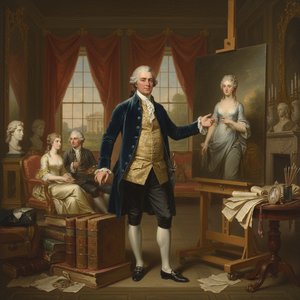
George Romney: Portraiture, Patronage & the Shaping of Georgian Society
Explore the life & art of George Romney, leading portraitist of Georgian England. Discover his style, famous patrons like Emma Hamilton, and legacy in British society. Expert insights for collectors.