 Vorschau anzeigen
 Versenden
 Teilen
 Details anzeigen

 Herunterladen
 Ähnliche Objekte
 Röntgenaufnahme
 Diashow
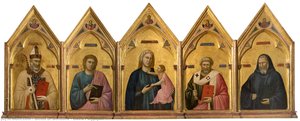
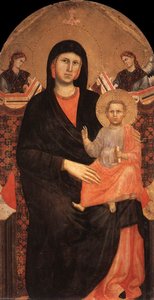
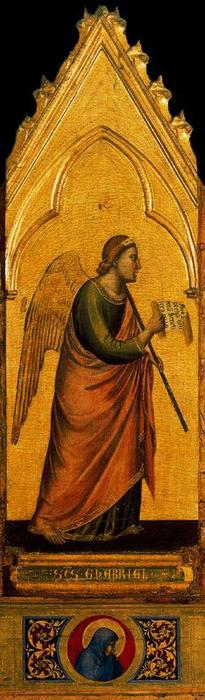
Políptico de Bolonia 1

 Weiterlesen
Handgefertigte Ölreproduktion
Handgemaltes Ölgemälde auf Leinwand in Ihrer Wunschgröße und mit Rahmen, auf Bestellung von unseren Künstlern angefertigt. ( Druck bestellen Bild kaufen)




P118B $10

P118H $10

P118W $10

P438Z $10

P508JH $12

P508YH $12

P805H $10

P805Z $10

P919BZ $10

P919G $10

P919XJ $10

P959ZH $10

P968JZ $12

W106C $8

W218G $10

W218JH $8

W218Y $10

W307PJ $10

W316G $10

W316PJ $8

W316Y $10

W398PJ $8

W4111J $10

W500HY $15

W500JH $15

W692G $12

W849H $8

W940BG $15

W953PJ $8




Wählen Sie aus unseren vordefinierten Formaten, die den ursprünglichen Proportionen des Kunstwerks entsprechen.

Sie können Ihre eigenen Maße eingeben, um einen bestimmten Rahmen oder Platz auszufüllen. Wenn die gewählte Größe nicht den Proportionen des Originalbildes entspricht, werden wir das Kunstwerk entweder beschneiden oder das Gemälde durch zusätzliche, handgemalte Elemente erweitern. Ein digitales Mockup wird Ihnen zur Genehmigung zugesandt, bevor die Produktion beginnt.
Bitte beachten Sie, dass die Bildschirmvorschau nicht die tatsächliche Beschneidung oder Erweiterung widerspiegelt. Nur das Mockup zeigt die endgültige Komposition exakt an.
Obwohl Sondermaße verfügbar sind, empfehlen wir, eine Größe aus der vordefinierten Liste zu wählen, um die ursprünglichen Proportionen beizubehalten.
Nach der Bestellung wird das ArtsDot.com-Team dem Kunden Anweisungen per E-Mail zusenden und eine Mockup-Vorschau bereitstellen.
Weltweiter Versand () in nur 3 bis 4 Wochen statt der üblichen 5 Wochen. (22 August). Keine Kompromisse bei der Qualität.

Kostenloser weltweiter Expressversand

Hochwertige Leinenleinwand

Umfassender Versicherungsschutz beim Versand

Zollgebühren-Rückerstattungsgarantie

Garantie für exakte Farbtreue

60 Tage Rückgaberecht (nur bei Mängeln)

100% Geld-zurück-Garantie

Mengenrabatt verfügbar
 Die Glasoption ist nur für Größen unter 110 cm verfügbar.

Políptico de Bolonia 1
Art der Reproduktion
Format der Reproduktion
-


Gesamtpreis
$ 263
Beschreibung des Kunstwerks
The Políptico de Bolonia 1: A Window into Giotto's Revolutionary Vision
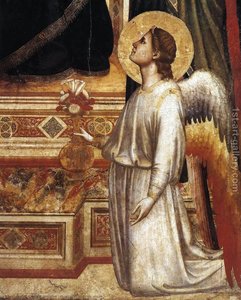
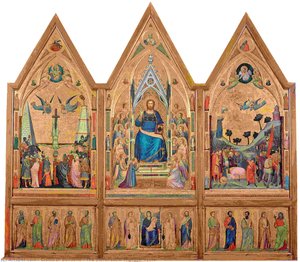
Giotto di Bondone’s “Políptico de Bolonia 1,” a remarkable panel painting, stands as a cornerstone of Western art history – a pivotal moment in the shift from the stylized formality of medieval religious art to the burgeoning realism that would define the Renaissance. Executed around 1317-1320, this polyptych, originally comprised of several panels depicting scenes from the life of Christ, offers an intimate glimpse into Giotto’s revolutionary approach to representation and his profound understanding of human emotion. The surviving fragment, meticulously recreated in our hand-painted reproductions, continues to captivate viewers with its quiet drama and startlingly naturalistic figures.
- Subject Matter & Composition: The scene depicted is a devotional tableau, likely focusing on the ministry of Christ. Two figures are prominently featured – one holding a book, suggesting scholarly discourse or perhaps divine revelation, and another engaged in conversation. This deliberate pairing creates a dynamic interaction, central to Giotto’s ambition to portray not just static religious narratives but also the lived experience of faith.
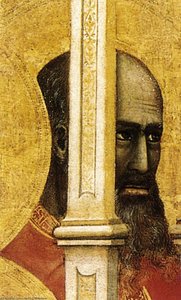
- Technique & Style: Giotto's genius lay in his mastery of *disegno*, or drawing – a fundamental principle he championed. Unlike the flattened perspectives and gold-dominated backgrounds characteristic of Byzantine art, Giotto employed atmospheric perspective, creating a sense of depth through subtle gradations of color and shading. The figures themselves are rendered with an unprecedented degree of naturalism, their poses conveying a palpable sense of movement and emotion. Note the careful attention to detail in the rendering of clothing textures and facial expressions – hallmarks of Giotto’s innovative approach.
A Bridge Between Eras: Historical Context
Giotto's work emerged during a period of significant artistic and intellectual ferment. The late medieval era witnessed a renewed interest in classical antiquity, fueled by the rediscovery of Roman ruins and texts. This revival influenced artists to seek greater accuracy and realism in their depictions of the human form and the natural world. Giotto’s polyptychs were commissioned for private devotion, reflecting the growing importance of personal piety within the Church. The inclusion of architectural elements – notably the clock tower – anchors the scene firmly within a specific time and place, adding to its narrative richness. This piece represents a crucial transition; it's not simply a religious image but a testament to a changing worldview.
Symbolism & Emotional Resonance
The book held by the central figure is laden with symbolic meaning, representing knowledge, scripture, and divine wisdom. The interaction between the two figures suggests contemplation, dialogue, and perhaps even a moment of spiritual revelation. Giotto’s ability to imbue his figures with such profound emotional depth was revolutionary. He moved beyond mere representation to capture the inner lives of his subjects, creating images that resonated deeply with viewers on an emotional level. This is evident in the subtle expressions of concern, curiosity, and perhaps even reverence displayed by the figures.
Collecting & Appreciation
A hand-painted reproduction of “Políptico de Bolonia 1” offers a unique opportunity to own a piece of art history – a tangible connection to one of the most influential artists of all time. Our reproductions meticulously recreate Giotto’s groundbreaking techniques and stylistic innovations, ensuring that you experience the full impact of his artistic vision. Whether adorning a study, a chapel, or a private residence, this artwork will undoubtedly serve as a source of inspiration and contemplation for years to come. Ref: ART-1234
Ähnliche Kunstwerke
![Scrovegni - [33] - Flagellation — Giotto Di Bondone, Gothic](/media/artworks/images-thumb/88/35/883574b661a3e690cc33bcd718531169.jpg)
Über den Künstler
**Ein Leben der Innovation und künstlerischer Revolution**
Giotto di Bondone, der renommierte italienische Maler und Architekt, hinterließ einen unauslöschlichen Eindruck auf die Kunstwelt mit seinen wegweisenden Beiträgen zur proto-renaissance und gotischen Periode. Geboren 1267 in Florenz, Italien, bleibt das Leben Giottos bis heute weitgehend ein Rätsel, doch sein künstlerisches Erbe ist unbestreitbar.**Künstlerische Beiträge und Innovationen**
Giottos bekannteste Arbeit, die Scrovegni-Kapelle (oder Arena-Kapelle) in Padua, die um 1305 fertiggestellt wurde, ist ein Beweis für seinen innovativen Geist. Diese Freskenzyklis, die das Leben der Jungfrau und das Leben Christi darstellt, zeigt nicht nur sein künstlerisches Genie, sondern demonstriert auch eine Erzähfkraft, die einen bedeutenden Abgang von der stilisierten byzantinischen Herangehensweise darstellte.- Revolutionierung der Malerei: Giottos Betonung auf Naturalismus, Aufmerksamkeit für menschliche Emotionen und Erforschung räumlicher und volumetrischer Figuren in der Malerei legten den Grundstein für die Entwicklungen in der westlichen Kunst, die im Anschluss kamen.
- Architektonische Beiträge: Seine Beauftragung im Jahr 1334 durch die Florentiner Kommune zur Gestaltung des neuen Glockenturms (Campanile) der Florentinischen Kathedrale bekräftigt sein duales Talent als Künstler und Architekt.
**Bekannte Werke und ihre Bedeutung**
- Die Verkündigung: Die Jungfrau empfängt die Botschaft (ansicht auf ArtsDot.com): ein Paradebeispiel für Giottos proto-renaissance Stil, der durch seine Verwendung von Naturalismus und Detailgenauigkeit gekennzeichnet ist.
- Die Geburt Christi (ansicht auf ArtsDot.com): demonstriert Giottos Fähigkeit, komplexe Erzählungen durch seine Fresken zu vermitteln, ein Markenzeichen der proto-renaissance Periode.
- Madonna in Maest (Ognissanti Madonna) (ansicht auf ArtsDot.com): Dieses Altarbild, das von der Ognissanti Kirche in Florenz bestellt wurde, ist ein bedeutendes Beispiel für Giottos Panelmalerei und seine Verwendung von Tempera.
**Vermächtnis und Einfluss**
Giottos Einfluss auf die westliche Kunst ist tiefgreifend und legte den Grundstein für die Renaissance-Kunstbewegung. Seine Betonung auf Naturalismus, menschliche Emotionen und räumliches Bewusstsein in der Malerei hat Bestand, wodurch er seine Position als eine grundlegende Figur in der europäischen Kunstgeschichte gesichert hat. Erfahren Sie mehr über Giottos Werke und Vermächtnis auf ArtsDot.com.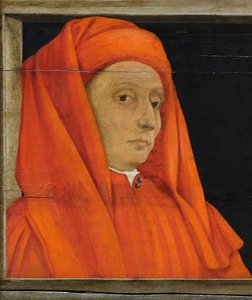
Giotto di Bondone
1267 - 1337 , Italien
Kurzinfos
- Beeinflusste Künstler: ['Cimabue']
- Bemerkenswerte Werke:
- Scrovegni Kapelle
- Ognissanti Madonna
- Geburtsdatum: 1267
- Geburtsort: Florenz, Italien
- Künstlerische Bewegung: Proto-Renaissance, Gotik
- Nationalität: Italienisch
- Todatum: 1337
- Vollständiger Name: Giotto di Bondone
- Von Künstlern Beeinflusst: ['Byzantinische Kunst']
Ähnliche Artikel
Giotto di Bondone: Die 25 Meisterwerke des Frührenaissance – Kunst für Ihr Zuhause
Entdecken Sie die 25 Meisterwerke von Giotto di Bondone! Erleben Sie die Frührenaissance, religiöse Kunst & ikonische Fresken wie in der Scrovegni Kapelle. Hochwertige Kunstdrucke online bei ArtsDot.com – für zeitlose Eleganz in Ihrem Zuhause.
Proto-Renaissance Meisterwerke: Die 10 Kunstwerke, die eine Epoche prägten | ArtsDot
Entdecken Sie die 10 prägendsten Meisterwerke der Proto-Renaissance! Von Giotto bis Duccio – erleben Sie die Geschichten, Techniken & zeitlose Schönheit italienischer Frührenaissance Kunst. Hochwertige Reproduktionen auf ArtsDot.com.
Giotto di Bondone: Revolutionierung der spätmittelalterlichen Malerei durch narrative Innovation
Entdecken Sie Giotto di Bondones revolutionäre Malerei! Erfahren Sie mehr über seine bahnbrechenden Fresken, den Übergang zur Renaissance und seinen Einfluss auf die Kunstgeschichte. Expertenwissen von ArtsDot.

Goya: Die 25 Meisterwerke des spanischen Genies – Kunst für Ihr Zuhause | ArtsDot
Entdecken Sie die 25 Meisterwerke von Francisco Goya! Tauchen Sie ein in die düstere Romantik spanischer Malerei, Porträts & Historienbilder. Hochwertige Kunstdrucke auf ArtsDot.com – für Kunstliebhaber und stilvolles Wohnen.

Über uns
Entdecken Sie unsere Geschichte! Wir bringen Weltklasse-Kunst in Ihr Leben durch fachkundige Auswahl, individuelle Kreationen und kostenlose Vorschauen. Seit dem Jahr 2000 von Privatpersonen und Unternehmen geschätzt.