 Vorschau anzeigen
 Versenden
 Teilen
 Details anzeigen

 Herunterladen
 Ähnliche Objekte
 Röntgenaufnahme
 Diashow
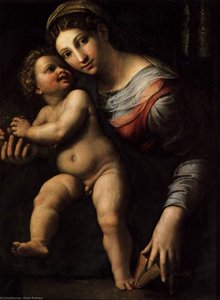
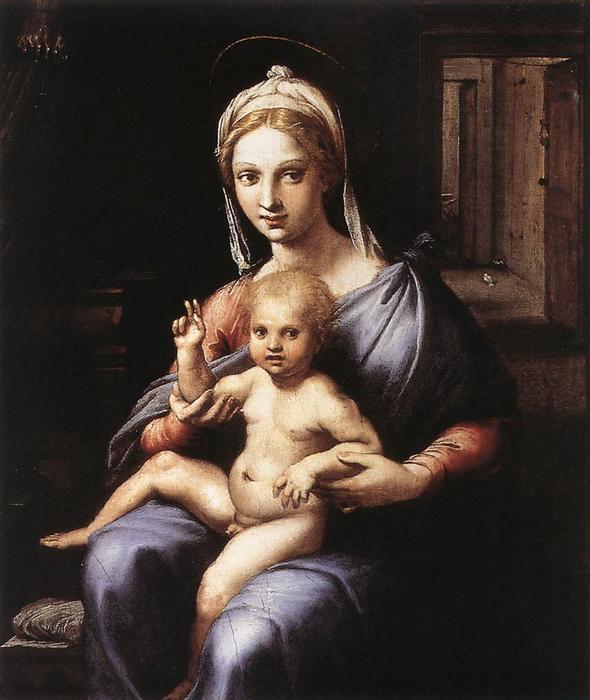
Madonna and Child
 Oil On Canvas
- WallArt
- Mannerist Painting
 1522
1522 37.0 x 30.0 cm
 Galleria Nazionale d’Arte Antica
 Weiterlesen
Handgefertigte Ölreproduktion
Handgemaltes Ölgemälde auf Leinwand in Ihrer Wunschgröße und mit Rahmen, auf Bestellung von unseren Künstlern angefertigt. ( Druck bestellen Bild kaufen)




P118B $10

P118H $10

P118W $10

P438Z $10

P508JH $12

P508YH $12

P805H $10

P805Z $10

P919BZ $10

P919G $10

P919XJ $10

P959ZH $10

P968JZ $12

W106C $8

W218G $10

W218JH $8

W218Y $10

W307PJ $10

W316G $10

W316PJ $8

W316Y $10

W398PJ $8

W4111J $10

W500HY $15

W500JH $15

W692G $12

W849H $8

W940BG $15

W953PJ $8




Wählen Sie aus unseren vordefinierten Formaten, die den ursprünglichen Proportionen des Kunstwerks entsprechen.

Sie können Ihre eigenen Maße eingeben, um einen bestimmten Rahmen oder Platz auszufüllen. Wenn die gewählte Größe nicht den Proportionen des Originalbildes entspricht, werden wir das Kunstwerk entweder beschneiden oder das Gemälde durch zusätzliche, handgemalte Elemente erweitern. Ein digitales Mockup wird Ihnen zur Genehmigung zugesandt, bevor die Produktion beginnt.
Bitte beachten Sie, dass die Bildschirmvorschau nicht die tatsächliche Beschneidung oder Erweiterung widerspiegelt. Nur das Mockup zeigt die endgültige Komposition exakt an.
Obwohl Sondermaße verfügbar sind, empfehlen wir, eine Größe aus der vordefinierten Liste zu wählen, um die ursprünglichen Proportionen beizubehalten.
Nach der Bestellung wird das ArtsDot.com-Team dem Kunden Anweisungen per E-Mail zusenden und eine Mockup-Vorschau bereitstellen.
Weltweiter Versand () in nur 3 bis 4 Wochen statt der üblichen 5 Wochen. (21 August). Keine Kompromisse bei der Qualität.

Kostenloser weltweiter Expressversand

Hochwertige Leinenleinwand

Umfassender Versicherungsschutz beim Versand

Zollgebühren-Rückerstattungsgarantie

Garantie für exakte Farbtreue

60 Tage Rückgaberecht (nur bei Mängeln)

100% Geld-zurück-Garantie

Mengenrabatt verfügbar
 Die Glasoption ist nur für Größen unter 110 cm verfügbar.

Madonna and Child
Art der Reproduktion
Format der Reproduktion
-


Gesamtpreis
$ 263
Beschreibung des Kunstwerks
Giulio Romano’s Madonna and Child: A Roman Masterpiece of Grace and Mystery
Giulio Romano's Madonna and Child, a captivating work housed within the esteemed collection of The Walters Art Museum in Baltimore, offers a profound glimpse into the heart of the Italian Renaissance. More than simply a depiction of the Virgin Mary cradling her infant son, this painting is a testament to Romano’s evolving artistic vision – a synthesis of Raphael's influence and his own burgeoning Mannerist style, reflecting a pivotal moment in art history. Completed around 1522-23 during his time in Mantua, it embodies a delicate balance between idealized beauty and subtly unsettling psychological depth.
The painting’s composition immediately draws the eye to the central figures: Mary, rendered with an exquisite blend of serenity and vulnerability, holds her child close. The infant Jesus, depicted not as a fully grown figure but as a miniature adult, gazes directly at the viewer – a deliberate choice that fosters a powerful sense of intimacy and connection. His pose, reminiscent of classical sculptures, subtly hints at his future role as the Lamb of God, foreshadowing his sacrifice. The surrounding architectural setting, a simplified yet evocative interior space, is not merely decorative; it serves to frame the scene and imbue it with a quiet dignity. The parapet at the bottom of the painting, a feature uncommon in earlier Italian works, creates an illusion of depth, drawing the viewer into the intimate world of the Madonna and Child.
The Shadow of Raphael and the Rise of Mannerism
Giulio Romano’s artistic journey is inextricably linked to that of his master, Raphael. He apprenticed under the great painter in Rome, absorbing not only technical skills but also a deep appreciation for classical ideals and harmonious composition. However, Romano quickly began to diverge from Raphael's High Renaissance style, embracing the principles of Mannerism – a movement characterized by elongated figures, distorted perspective, and an emphasis on emotional expression over strict realism. This shift is particularly evident in Madonna and Child, where the figures possess a heightened sense of elegance and dynamism compared to the more balanced compositions favored by Raphael.
The influence of Leonardo da Vinci is also palpable. Romano’s use of sfumato – a technique involving subtle gradations of tone to create a hazy, atmospheric effect – contributes to the painting's ethereal quality. Furthermore, the careful attention to detail in rendering fabrics and textures, combined with the delicate modeling of the figures, demonstrates Romano’s mastery of oil paint—a medium he skillfully employed to achieve remarkable luminosity and depth.
Symbolism and Spiritual Resonance
Beyond its aesthetic beauty, Madonna and Child is rich in symbolic meaning. The presence of St. John the Baptist, depicted as a young boy gazing at Christ with reverence, underscores the narrative arc of salvation – from innocence to sacrifice. The Lamb, held by Jesus, is a potent symbol of his future role as the sacrificial lamb, offering redemption for humanity. The muted color palette—primarily blues and browns—evokes a sense of solemnity and contemplation, inviting viewers to reflect on themes of faith, love, and mortality.
The choice of a domestic setting, rather than a grand landscape, further enhances the painting’s emotional impact. It suggests that the Madonna and Child are not distant figures but intimately connected members of a family—a powerful reminder of the nurturing role of Mary in the Christian faith. The overall effect is one of profound tenderness and spiritual resonance, inviting viewers to connect with the timeless themes explored within this masterpiece.
A Legacy of Artistic Innovation
Giulio Romano’s Madonna and Child stands as a pivotal work in the transition from High Renaissance to Mannerism. It showcases his evolving artistic style—a synthesis of Raphael's influence and his own innovative approach to composition, form, and color. The painting’s enduring appeal lies not only in its technical brilliance but also in its profound emotional depth and symbolic richness. It remains a testament to Romano’s genius and a captivating example of the transformative power of art.
Ähnliche Kunstwerke
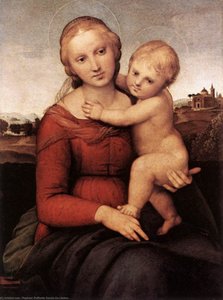
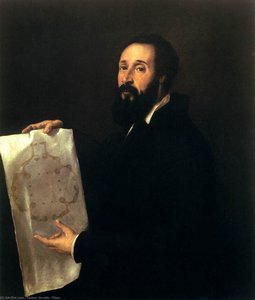
Über den Künstler
Frühes Leben und Ausbildung
- Geboren: Rom, Italien (ca. 1499)
- Gestorben: 1. November 1546
- Details aus dem frühen Leben sind spärlich, aber er begann seine künstlerische Karriere in Rom.
- Er war Schüler von Raphael und wurde zu einem talentierten Maler und Architekten.
- Nach Raffaels Tod im Jahr 1520 übernahm Giulio Romano viele unfertige Projekte, darunter die Dekoration der Villa Madama für Kardinal Giuliano de’ Medici.
Entwicklung des Manierismus
- Giulio Romano ist am besten bekannt für seine Beiträge zum Manierismus.
- Sein Stil wich vom Klassizismus der Hochrenaissance ab.
- Gemälde und Fresken weisen oft Asymmetrie, Spannung und Instabilität anstelle von Balance und Harmonie auf.
- Beeinflusst von Michelangelo und anderen Künstlern seiner Zeit.
- Er wurde zunehmend für Raphael unverzichtbar, modifizierte Pläne und schuf die erste Aussage des Manierismus im großen Stil in Rom.
Hauptwerke und Errungenschaften
- Das Feuer im Borgo: Ein Fresko gemalt für Raffaels Stanze Vaticane.
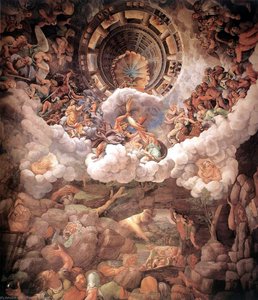
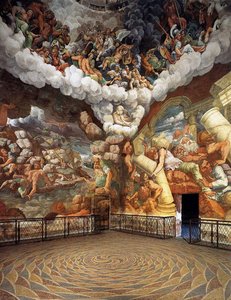
- Gewölbte Decke (Detail): Ein Fresko im Palazzo Te.
- Palazzo del Tè (Mantua): Entworfen und dekoriert mit illusionistischen Fresken, die seine architektonischen und künstlerischen Fähigkeiten zeigen. Dies gilt als sein wichtigstes Werk.
- Villa Madama: Dekorierte diese Renaissance-Villa für Kardinal Giuliano de' Medici.
- Er wurde 1524 Hofmaler und Architekt von Federigo Gonzaga und leitete praktisch alle künstlerischen Aktivitäten in Mantua.
Einflüsse und historische Bedeutung
- Raphael: Giulio Romanos frühe Ausbildung unter Raphael prägte seine künstlerische Grundlage maßgeblich.
- Michelangelo: Der Einfluss von Michelangelos Werk trug zur Entwicklung seines manieristischen Stils bei.
- Er gilt als eine Schlüsselfigur im Übergang von der Hochrenaissance zum Manierismus.
- Seine Zeichnungen wurden hoch geschätzt, und zeitgenössische Drucke, die von Marcantonio Raimondi graviert wurden, halfen dabei, italienische Kunststile in ganz Europa zu verbreiten.
- Giulio Romanos Vermächtnis kann bei späteren Künstlern gesehen werden, die seinen Stil und seine Techniken übernahmen.
Späteres Leben und Nachlass
- Nach Raffaels Tod erbte Giulio die Leitung der Werkstatt des Meisters und vollendete viele seiner Projekte.
- Er war nach seinem Tod so berühmt, dass er der einzige "moderne" Künstler ist, der von Shakespeare in einem Stück erwähnt wird.
- Seine Arbeit demonstriert einen Wandel von Renaissance-Idealen hin zu dynamischeren und ausdrucksstärkeren Formen.
- Giulio Romanos Beiträge zum Manierismus festigten seinen Platz als einflussreiche Figur in der Kunstgeschichte.
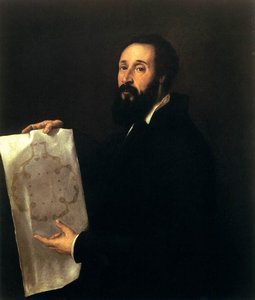
Giulio Romano
1499 - 1546 , Italien
Kurzinfos
- Beeinflusste Künstler:
- Raphael
- Michelangelo
- Bemerkenswerte Werke:
- Das Feuer im Borgo
- Deckenfresko (Detail)
- Palazzo del Tè Fresken
- Geburtsdatum: 1499
- Geburtsort: Rom, Italien
- Künstlerischer Stil: Manierismus
- Nationalität: Italienisch
- Todatum: 1546
- Vollständiger Name: Giulio Romano
- Von Künstlern Beeinflusst: ['Spätere Manieristen']
Ähnliche Artikel

John Singer Sargent: Die 25 Meisterwerke des Porträts – Kunst für Ihr Zuhause | ArtsDot
Entdecken Sie die 25 Meisterwerke von John Singer Sargent! Tauchen Sie ein in die Welt der Porträtmalerei, des Impressionismus & der Belle Époque. Hochwertige Kunstdrucke & Reproduktionen für Ihr Zuhause – jetzt auf ArtsDot.com!

John Constable: Die 25 Meisterwerke des englischen Landschaftsgenies – ArtsDot
Entdecken Sie die 25 Meisterwerke von John Constable! Erleben Sie englische Landschaftsmalerei vom Hay Wain bis zur Stour Valley. Hochwertige Reproduktionen & Kunst für Ihr Zuhause auf ArtsDot.com.
Giulio Romano: A Master of Mannerism & the Palazzo Te Legacy
Explore the revolutionary art of Giulio Romano, master of Mannerism & architect of Palazzo Te. Discover his influence, investment potential, and stunning frescoes – a guide for discerning collectors.

El Greco: Die 25 Meisterwerke – Kunst für Ihr Zuhause | ArtsDot
Entdecken Sie die 25 bedeutendsten Meisterwerke von El Greco! Erleben Sie die spirituelle Tiefe und den dramatischen Stil des griechischen Malers. Hochwertige Kunstdrucke & Inspiration für Ihr Zuhause auf ArtsDot.com.
Raphael: Die 25 Meisterwerke des Renaissance-Genies – Kunst für Ihr Zuhause
Entdecken Sie die 25 schönsten Meisterwerke von Raphael! Tauchen Sie ein in die Welt der Renaissance-Kunst, erfahren Sie faszinierende Geschichten und lassen Sie sich von den Farben und Kompositionen inspirieren. Hochwertige Reproduktionen auf ArtsDot.com.