 Vorschau anzeigen
 Versenden
 Teilen
 Details anzeigen

 Herunterladen
 Ähnliche Objekte
 Röntgenaufnahme
 Diashow
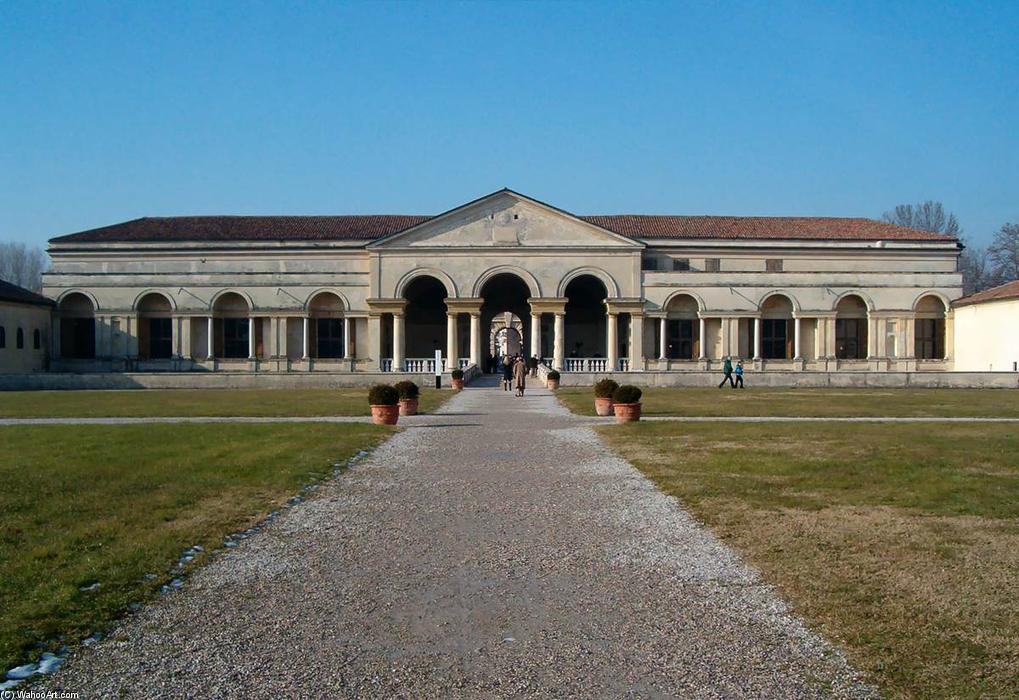
View of the Palazzo del Tè


 Weiterlesen
Handgefertigte Ölreproduktion
Handgemaltes Ölgemälde auf Leinwand in Ihrer Wunschgröße und mit Rahmen, auf Bestellung von unseren Künstlern angefertigt. ( Druck bestellen Bild kaufen)




P118B $10

P118H $10

P118W $10

P438Z $10

P508JH $12

P508YH $12

P805H $10

P805Z $10

P919BZ $10

P919G $10

P919XJ $10

P959ZH $10

P968JZ $12

W106C $8

W218G $10

W218JH $8

W218Y $10

W307PJ $10

W316G $10

W316PJ $8

W316Y $10

W398PJ $8

W4111J $10

W500HY $15

W500JH $15

W692G $12

W849H $8

W940BG $15

W953PJ $8




Wählen Sie aus unseren vordefinierten Formaten, die den ursprünglichen Proportionen des Kunstwerks entsprechen.

Sie können Ihre eigenen Maße eingeben, um einen bestimmten Rahmen oder Platz auszufüllen. Wenn die gewählte Größe nicht den Proportionen des Originalbildes entspricht, werden wir das Kunstwerk entweder beschneiden oder das Gemälde durch zusätzliche, handgemalte Elemente erweitern. Ein digitales Mockup wird Ihnen zur Genehmigung zugesandt, bevor die Produktion beginnt.
Bitte beachten Sie, dass die Bildschirmvorschau nicht die tatsächliche Beschneidung oder Erweiterung widerspiegelt. Nur das Mockup zeigt die endgültige Komposition exakt an.
Obwohl Sondermaße verfügbar sind, empfehlen wir, eine Größe aus der vordefinierten Liste zu wählen, um die ursprünglichen Proportionen beizubehalten.
Nach der Bestellung wird das ArtsDot.com-Team dem Kunden Anweisungen per E-Mail zusenden und eine Mockup-Vorschau bereitstellen.
Weltweiter Versand () in nur 3 bis 4 Wochen statt der üblichen 5 Wochen. (21 August). Keine Kompromisse bei der Qualität.

Kostenloser weltweiter Expressversand

Hochwertige Leinenleinwand

Umfassender Versicherungsschutz beim Versand

Zollgebühren-Rückerstattungsgarantie

Garantie für exakte Farbtreue

60 Tage Rückgaberecht (nur bei Mängeln)

100% Geld-zurück-Garantie

Mengenrabatt verfügbar
 Die Glasoption ist nur für Größen unter 110 cm verfügbar.

View of the Palazzo del Tè
Art der Reproduktion
Format der Reproduktion
-


Gesamtpreis
$ 263
Beschreibung des Kunstwerks
A Vision of Renaissance Grandeur: Exploring Giulio Romano’s Palazzo del Té
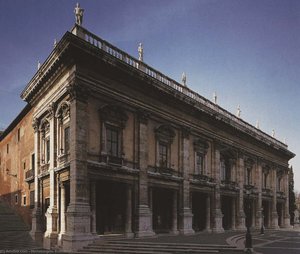
Giulio Romano's *View of the Palazzo del Té* stands as a testament to the zenith of Mannerist art and architectural ambition—a project conceived by Federico Gonzaga, Duke of Mantua, between 1526 and 1534. More than just a building, it embodies an entire worldview: a deliberate rejection of linear perspective and idealized beauty in favor of dramatic illusionism and psychological complexity, reflecting the turbulent intellectual currents of the era. Romano’s masterful hand transformed a humble stud farm into a palazzo that would rival Florence and Rome, cementing Mantua's position as a cultural powerhouse.- Architectural Innovation: Romano departed from traditional Renaissance designs, prioritizing spatial grandeur and theatrical effect over geometric precision. The building’s asymmetrical façade—characterized by towering arches and monumental windows—immediately commands attention, establishing an atmosphere of imposing majesty.
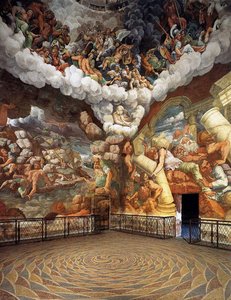
- Frescoes as Narrative Drama: The interior walls are adorned with a breathtaking cycle of frescoes depicting mythological scenes and allegorical representations of Gonzaga's lineage. Romano skillfully employed *trompe l’œil* techniques – creating illusions of depth and perspective—to transport viewers into fantastical realms, mirroring the humanist fascination with classical mythology and exploring themes of power, virtue, and divine providence.
- Color Palette & Texture: Romano utilized a rich palette dominated by earthy tones—ochres, siennas, umbers—combined with vibrant splashes of color to heighten emotional impact. The textured surfaces of the frescoes contribute to the overall sense of realism, capturing the subtle nuances of light and shadow and conveying a palpable feeling of movement and dynamism.
- Symbolic Significance: Each fresco is laden with symbolism reflecting Gonzaga’s aspirations for his family's legacy. Figures embody virtues like prudence and piety alongside emblems of royal authority—a deliberate strategy to reinforce Gonzaga’s claim to legitimacy and elevate Mantua’s status among European courts.
Technique & Artistic Influences: Romano's Mannerist Legacy
Romano’s approach was deeply rooted in the principles of Mannerism, a stylistic movement that emerged in Florence shortly after Raphael’s death. Unlike the harmonious balance and clarity of High Renaissance art, Mannerism prioritized expressive distortion—elongated figures, exaggerated poses, and unsettling perspectives—to convey psychological states rather than simply depicting reality. Romano drew inspiration from Michelangelo Buonarroti's monumental sculptures and embraced innovative techniques to achieve his ambitious goals. He meticulously studied classical sculpture, incorporating anatomical accuracy into his frescoes while simultaneously pushing the boundaries of artistic convention.Emotional Resonance & Artistic Impact
The Palazzo del Té transcends mere architectural grandeur; it communicates profound emotional resonance. Romano’s frescoes evoke a sense of awe and contemplation—a deliberate provocation to engage viewers intellectually and emotionally. The dramatic lighting effects, combined with carefully crafted compositions, create an immersive experience that captures the spirit of Renaissance humanism—a belief in the power of reason and observation to illuminate the mysteries of existence. *View of the Palazzo del Té* remains a cornerstone of Mannerist art, influencing subsequent generations of artists and establishing Romano as one of the most innovative figures of his time. Its enduring appeal lies in its ability to transport us back to a period of unparalleled artistic creativity and intellectual curiosity—a legacy that continues to inspire admiration and scholarly study today.Further Exploration: Resources for Art Enthusiasts
For deeper insights into Giulio Romano’s life, work, and the Palazzo Te project, consult these valuable resources:Ähnliche Kunstwerke
Über den Künstler
Frühes Leben und Ausbildung
- Geboren: Rom, Italien (ca. 1499)
- Gestorben: 1. November 1546
- Details aus dem frühen Leben sind spärlich, aber er begann seine künstlerische Karriere in Rom.
- Er war Schüler von Raphael und wurde zu einem talentierten Maler und Architekten.
- Nach Raffaels Tod im Jahr 1520 übernahm Giulio Romano viele unfertige Projekte, darunter die Dekoration der Villa Madama für Kardinal Giuliano de’ Medici.
Entwicklung des Manierismus
- Giulio Romano ist am besten bekannt für seine Beiträge zum Manierismus.
- Sein Stil wich vom Klassizismus der Hochrenaissance ab.
- Gemälde und Fresken weisen oft Asymmetrie, Spannung und Instabilität anstelle von Balance und Harmonie auf.
- Beeinflusst von Michelangelo und anderen Künstlern seiner Zeit.
- Er wurde zunehmend für Raphael unverzichtbar, modifizierte Pläne und schuf die erste Aussage des Manierismus im großen Stil in Rom.
Hauptwerke und Errungenschaften
- Das Feuer im Borgo: Ein Fresko gemalt für Raffaels Stanze Vaticane.
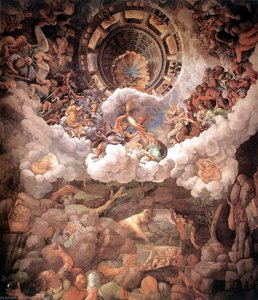
- Gewölbte Decke (Detail): Ein Fresko im Palazzo Te.
- Palazzo del Tè (Mantua): Entworfen und dekoriert mit illusionistischen Fresken, die seine architektonischen und künstlerischen Fähigkeiten zeigen. Dies gilt als sein wichtigstes Werk.
- Villa Madama: Dekorierte diese Renaissance-Villa für Kardinal Giuliano de' Medici.
- Er wurde 1524 Hofmaler und Architekt von Federigo Gonzaga und leitete praktisch alle künstlerischen Aktivitäten in Mantua.
Einflüsse und historische Bedeutung
- Raphael: Giulio Romanos frühe Ausbildung unter Raphael prägte seine künstlerische Grundlage maßgeblich.
- Michelangelo: Der Einfluss von Michelangelos Werk trug zur Entwicklung seines manieristischen Stils bei.
- Er gilt als eine Schlüsselfigur im Übergang von der Hochrenaissance zum Manierismus.
- Seine Zeichnungen wurden hoch geschätzt, und zeitgenössische Drucke, die von Marcantonio Raimondi graviert wurden, halfen dabei, italienische Kunststile in ganz Europa zu verbreiten.
- Giulio Romanos Vermächtnis kann bei späteren Künstlern gesehen werden, die seinen Stil und seine Techniken übernahmen.
Späteres Leben und Nachlass
- Nach Raffaels Tod erbte Giulio die Leitung der Werkstatt des Meisters und vollendete viele seiner Projekte.
- Er war nach seinem Tod so berühmt, dass er der einzige "moderne" Künstler ist, der von Shakespeare in einem Stück erwähnt wird.
- Seine Arbeit demonstriert einen Wandel von Renaissance-Idealen hin zu dynamischeren und ausdrucksstärkeren Formen.
- Giulio Romanos Beiträge zum Manierismus festigten seinen Platz als einflussreiche Figur in der Kunstgeschichte.
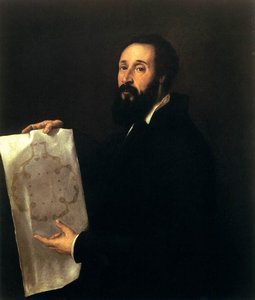
Giulio Romano
1499 - 1546 , Italien
Kurzinfos
- Beeinflusste Künstler:
- Raphael
- Michelangelo
- Bemerkenswerte Werke:
- Das Feuer im Borgo
- Deckenfresko (Detail)
- Palazzo del Tè Fresken
- Geburtsdatum: 1499
- Geburtsort: Rom, Italien
- Künstlerischer Stil: Manierismus
- Nationalität: Italienisch
- Todatum: 1546
- Vollständiger Name: Giulio Romano
- Von Künstlern Beeinflusst: ['Spätere Manieristen']
Ähnliche Artikel
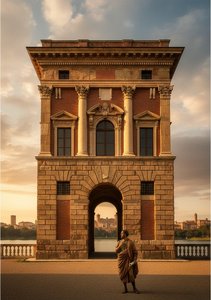
Giulio Romano: A Master of Mannerism & the Palazzo Te Legacy
Explore the revolutionary art of Giulio Romano, master of Mannerism & architect of Palazzo Te. Discover his influence, investment potential, and stunning frescoes – a guide for discerning collectors.
Das Familienerbe an die Wand bringen: Wandgemälde als Generationenschatz
Verwandeln Sie Ihre Familiengeschichte in ein beeindruckendes Wandgemälde! Expertenrat & hochwertige Handwerkskunst für einzigartige Kunstwerke, die Generationen verbinden. Entdecken Sie jetzt!
The Enduring Legacy of Fresco Painting: Techniques, History & Contemporary Relevance
Explore the rich history & enduring artistry of fresco painting – from Giotto to Michelangelo! Discover techniques, conservation efforts, & modern applications. Learn how ArtsDot brings this timeless art form to your home.
The Enduring Legacy of Fresco: Technique, History & Artistic Expression Across Cultures
Explore the rich history & enduring legacy of fresco painting! Discover ancient techniques, Giotto's masterpieces, and modern applications. Expert insights for art lovers & professionals.
Kunst, die mit Ihnen lebt: Emotionale Kraft individueller Innenraumfresken
Entdecken Sie die emotionale Kraft individueller Innenraumfresken! Expertenberatung & hochwertige Wandmalerei für Hotels, Wohnräume & mehr. – Ihr Partner für einzigartige Kunst.