 Vorschau anzeigen
 Versenden
 Teilen
 Details anzeigen

 Herunterladen
 Ähnliche Objekte
 Röntgenaufnahme
 Diashow
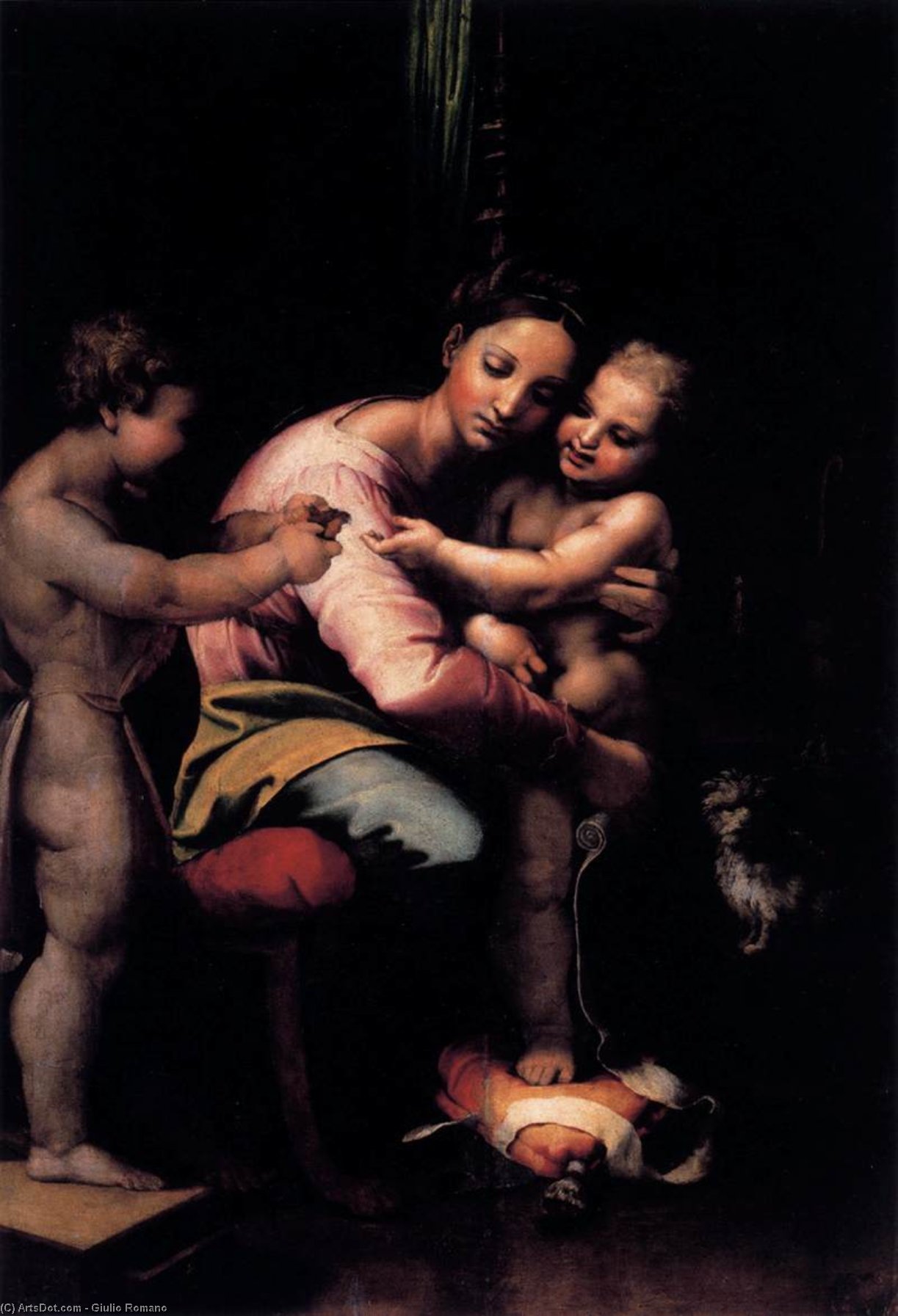
Virgin and Child with the Infant St John
 Acryl auf Leinwand
- Wandkunst
- Mannerist Style
 1523
1523 126.0 x 85.0 cm
 Galleria Borghese
 Weiterlesen
Handgefertigte Ölreproduktion
Handgemaltes Ölgemälde auf Leinwand in Ihrer Wunschgröße und mit Rahmen, auf Bestellung von unseren Künstlern angefertigt. ( Druck bestellen Bild kaufen)




P118B $10

P118H $10

P118W $10

P438Z $10

P508JH $12

P508YH $12

P805H $10

P805Z $10

P919BZ $10

P919G $10

P919XJ $10

P959ZH $10

P968JZ $12

W106C $8

W218G $10

W218JH $8

W218Y $10

W307PJ $10

W316G $10

W316PJ $8

W316Y $10

W398PJ $8

W4111J $10

W500HY $15

W500JH $15

W692G $12

W849H $8

W940BG $15

W953PJ $8




Wählen Sie aus unseren vordefinierten Formaten, die den ursprünglichen Proportionen des Kunstwerks entsprechen.

Sie können Ihre eigenen Maße eingeben, um einen bestimmten Rahmen oder Platz auszufüllen. Wenn die gewählte Größe nicht den Proportionen des Originalbildes entspricht, werden wir das Kunstwerk entweder beschneiden oder das Gemälde durch zusätzliche, handgemalte Elemente erweitern. Ein digitales Mockup wird Ihnen zur Genehmigung zugesandt, bevor die Produktion beginnt.
Bitte beachten Sie, dass die Bildschirmvorschau nicht die tatsächliche Beschneidung oder Erweiterung widerspiegelt. Nur das Mockup zeigt die endgültige Komposition exakt an.
Obwohl Sondermaße verfügbar sind, empfehlen wir, eine Größe aus der vordefinierten Liste zu wählen, um die ursprünglichen Proportionen beizubehalten.
Nach der Bestellung wird das ArtsDot.com-Team dem Kunden Anweisungen per E-Mail zusenden und eine Mockup-Vorschau bereitstellen.
Weltweiter Versand () in nur 3 bis 4 Wochen statt der üblichen 5 Wochen. (20 August). Keine Kompromisse bei der Qualität.

Kostenloser weltweiter Expressversand

Hochwertige Leinenleinwand

Umfassender Versicherungsschutz beim Versand

Zollgebühren-Rückerstattungsgarantie

Garantie für exakte Farbtreue

60 Tage Rückgaberecht (nur bei Mängeln)

100% Geld-zurück-Garantie

Mengenrabatt verfügbar
 Die Glasoption ist nur für Größen unter 110 cm verfügbar.

Virgin and Child with the Infant St John
Art der Reproduktion
Format der Reproduktion
-


Gesamtpreis
$ 263
Beschreibung des Kunstwerks
Giulio Romano’s Virgin and Child with the Infant St John: A Study in Mannerist Elegance
The painting “Virgin and Child with the Infant St John” by Giulio Romano stands as a testament to the enduring fascination of Renaissance art—specifically, its transition into the expressive dynamism of Mannerism. Executed around 1523 during Romano’s tenure at Palazzo Te in Mantua, this masterpiece embodies the stylistic principles that distinguished the sixteenth century from the serene idealism of its predecessor. It's housed within the Galleria Borghese in Rome, offering visitors a privileged glimpse into one of Italy’s most celebrated artistic treasures.Origins and Influences: Raphael’s Legacy
Romano’s debt to Raphael is undeniable. He began his artistic journey as a student under the tutelage of the Renaissance titan, absorbing Raphael's mastery of composition and idealized beauty. The drawing upon which Romano based this painting—a preparatory sketch by Raphael himself—demonstrates the profound impact of Raphael’s vision on subsequent artists. This deliberate echo of Raphael’s style isn’t merely stylistic homage; it reflects a broader artistic impulse to revisit and reinterpret established conventions, pushing boundaries while maintaining a connection to the foundational aesthetic ideals of the High Renaissance.Compositional Innovation: Distortion and Drama
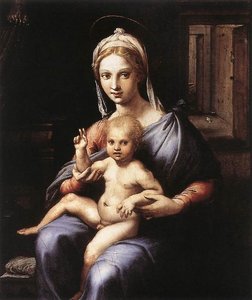
Unlike Raphael's balanced compositions characterized by harmonious proportions and serene gazes, Romano deliberately introduces distortions—a subtle flattening of perspective and a slight exaggeration of anatomical features—to heighten emotional intensity. The Virgin Mary’s posture exudes regal composure yet simultaneously conveys tenderness as she cradles her son with unwavering devotion. The infant St John playfully grasps a bouquet of flowers, injecting an element of spontaneity into the scene. These deliberate manipulations serve not to undermine Raphael's aesthetic principles but rather to elevate them—to transform idealized beauty into emotionally resonant drama.Technique and Materials: Oil on Wood – A Delicate Balance
Romano skillfully employed oil paint on wood—a technique favored by Mannerist artists—to achieve remarkable textural detail and luminous color palettes. The artist meticulously rendered the folds of Mary’s robe, capturing the subtle nuances of light and shadow with exceptional precision. Furthermore, Romano's masterful use of color contributes significantly to the painting's expressive power. Cool blues and greens dominate the background, creating a sense of depth and atmosphere—contrasting sharply with the warm hues employed in depicting Mary and St John’s flesh tones. This careful orchestration of materials underscores Romano’s commitment to artistic excellence and reinforces the painting’s visual impact.Symbolism: Reverence for Faith and Innocence
The Virgin and Child embodies timeless symbols of faith, purity, and divine grace. The bouquet of flowers—a recurring motif in Mannerist art—represents innocence and springtime renewal, symbolizing Mary's maternal compassion and St John’s youthful vitality. The serene gaze of Mary reflects her unwavering devotion to God—a characteristic conveyed through Raphael’s earlier works as well. Romano’s reimagining of these symbols elevates them beyond mere decorative elements—transforming them into potent expressions of spiritual contemplation.Emotional Resonance: A Moment of Quiet Contemplation
Ultimately, “Virgin and Child with the Infant St John” transcends its formal innovations to evoke a profound sense of quiet contemplation. The painting captures a fleeting moment of tenderness between mother and son—a scene imbued with warmth, compassion, and an understated reverence for divine beauty. It invites viewers to pause and reflect on themes of faith, innocence, and maternal love—resonances that endure across centuries and continue to inspire admiration among art connoisseurs worldwide.Ähnliche Kunstwerke

Über den Künstler
Frühes Leben und Ausbildung
- Geboren: Rom, Italien (ca. 1499)
- Gestorben: 1. November 1546
- Details aus dem frühen Leben sind spärlich, aber er begann seine künstlerische Karriere in Rom.
- Er war Schüler von Raphael und wurde zu einem talentierten Maler und Architekten.
- Nach Raffaels Tod im Jahr 1520 übernahm Giulio Romano viele unfertige Projekte, darunter die Dekoration der Villa Madama für Kardinal Giuliano de’ Medici.
Entwicklung des Manierismus
- Giulio Romano ist am besten bekannt für seine Beiträge zum Manierismus.
- Sein Stil wich vom Klassizismus der Hochrenaissance ab.
- Gemälde und Fresken weisen oft Asymmetrie, Spannung und Instabilität anstelle von Balance und Harmonie auf.
- Beeinflusst von Michelangelo und anderen Künstlern seiner Zeit.
- Er wurde zunehmend für Raphael unverzichtbar, modifizierte Pläne und schuf die erste Aussage des Manierismus im großen Stil in Rom.
Hauptwerke und Errungenschaften
- Das Feuer im Borgo: Ein Fresko gemalt für Raffaels Stanze Vaticane.
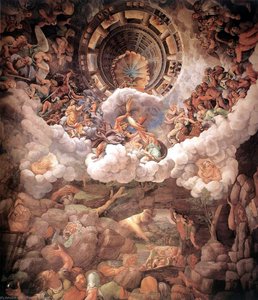
- Gewölbte Decke (Detail): Ein Fresko im Palazzo Te.
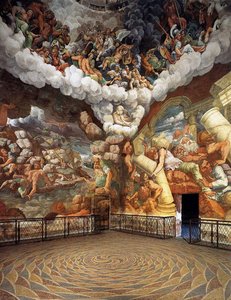
- Palazzo del Tè (Mantua): Entworfen und dekoriert mit illusionistischen Fresken, die seine architektonischen und künstlerischen Fähigkeiten zeigen. Dies gilt als sein wichtigstes Werk.
- Villa Madama: Dekorierte diese Renaissance-Villa für Kardinal Giuliano de' Medici.
- Er wurde 1524 Hofmaler und Architekt von Federigo Gonzaga und leitete praktisch alle künstlerischen Aktivitäten in Mantua.
Einflüsse und historische Bedeutung
- Raphael: Giulio Romanos frühe Ausbildung unter Raphael prägte seine künstlerische Grundlage maßgeblich.
- Michelangelo: Der Einfluss von Michelangelos Werk trug zur Entwicklung seines manieristischen Stils bei.
- Er gilt als eine Schlüsselfigur im Übergang von der Hochrenaissance zum Manierismus.
- Seine Zeichnungen wurden hoch geschätzt, und zeitgenössische Drucke, die von Marcantonio Raimondi graviert wurden, halfen dabei, italienische Kunststile in ganz Europa zu verbreiten.
- Giulio Romanos Vermächtnis kann bei späteren Künstlern gesehen werden, die seinen Stil und seine Techniken übernahmen.
Späteres Leben und Nachlass
- Nach Raffaels Tod erbte Giulio die Leitung der Werkstatt des Meisters und vollendete viele seiner Projekte.
- Er war nach seinem Tod so berühmt, dass er der einzige "moderne" Künstler ist, der von Shakespeare in einem Stück erwähnt wird.
- Seine Arbeit demonstriert einen Wandel von Renaissance-Idealen hin zu dynamischeren und ausdrucksstärkeren Formen.
- Giulio Romanos Beiträge zum Manierismus festigten seinen Platz als einflussreiche Figur in der Kunstgeschichte.
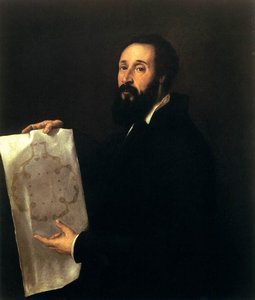
Giulio Romano
1499 - 1546 , Italien
Kurzinfos
- Beeinflusste Künstler:
- Raphael
- Michelangelo
- Bemerkenswerte Werke:
- Das Feuer im Borgo
- Deckenfresko (Detail)
- Palazzo del Tè Fresken
- Geburtsdatum: 1499
- Geburtsort: Rom, Italien
- Künstlerischer Stil: Manierismus
- Nationalität: Italienisch
- Todatum: 1546
- Vollständiger Name: Giulio Romano
- Von Künstlern Beeinflusst: ['Spätere Manieristen']
Ähnliche Artikel
Giulio Romano: A Master of Mannerism & the Palazzo Te Legacy
Explore the revolutionary art of Giulio Romano, master of Mannerism & architect of Palazzo Te. Discover his influence, investment potential, and stunning frescoes – a guide for discerning collectors.

El Greco: Die 25 Meisterwerke – Kunst für Ihr Zuhause | ArtsDot
Entdecken Sie die 25 bedeutendsten Meisterwerke von El Greco! Erleben Sie die spirituelle Tiefe und den dramatischen Stil des griechischen Malers. Hochwertige Kunstdrucke & Inspiration für Ihr Zuhause auf ArtsDot.com.

Fra Angelico: Die 25 Meisterwerke des italienischen Frührenaissance-Malers | ArtsDot
Entdecken Sie die 25 schönsten Meisterwerke von Fra Angelico! Erleben Sie religiöse Kunst der italienischen Renaissance, himmlische Fresken & Panelgemälde. Finden Sie hochwertige Kunstdrucke und Reproduktionen für Ihr Zuhause auf ArtsDot.com.

Giotto di Bondone: Die 25 Meisterwerke des Frührenaissance – Kunst für Ihr Zuhause
Entdecken Sie die 25 Meisterwerke von Giotto di Bondone! Erleben Sie die Frührenaissance, religiöse Kunst & ikonische Fresken wie in der Scrovegni Kapelle. Hochwertige Kunstdrucke online bei ArtsDot.com – für zeitlose Eleganz in Ihrem Zuhause.
Jacob Henricus Maris: Meister des niederländischen Stimmungsrealismus und der intimen Landschaft
Entdecken Sie das Werk von Jacob Henricus Maris, einem Meister des niederländischen Stimmungsrealismus! Erfahren Sie mehr über seine Landschaftsmalerei, Einflüsse und berühmte Gemälde. Jetzt lesen & inspirieren lassen!