 Vorschau anzeigen
 Versenden
 Teilen
 Details anzeigen

 Herunterladen
 Ähnliche Objekte
 Röntgenaufnahme
 Diashow
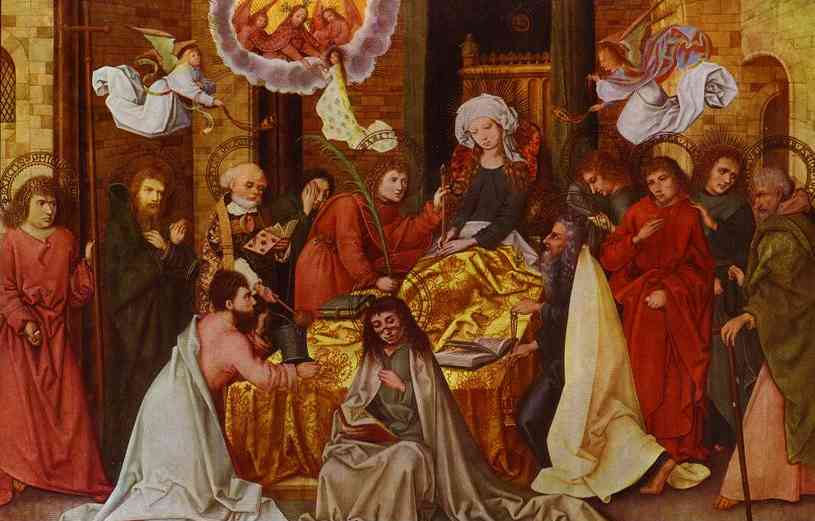
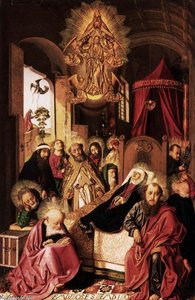
Death of the Virgin


 Weiterlesen
Giclée / Kunstdruck
Giclée- oder Leinwanddruck in Museumsqualität mit schneller Produktion und flexiblen Veredelungsoptionen. ( Handgemalte Reproduktion bestellen Bild kaufen)




P118B $10

P118H $10

P118W $10

P438Z $10

P508JH $12

P508YH $12

P805H $10

P805Z $10

P919BZ $10

P919G $10

P919XJ $10

P959ZH $10

P968JZ $12

W106C $8

W218G $10

W218JH $8

W218Y $10

W307PJ $10

W316G $10

W316PJ $8

W316Y $10

W398PJ $8

W4111J $10

W500HY $15

W500JH $15

W692G $12

W849H $8

W940BG $15

W953PJ $8




Wählen Sie aus unseren vordefinierten Formaten, die den ursprünglichen Proportionen des Kunstwerks entsprechen.

Sie können Ihre eigenen Maße eingeben, um ein bestimmtes Format oder einen speziellen Platz einzupassen. Wenn das von Ihnen gewählte Format nicht den Proportionen des Originalbildes entspricht, werden wir das Kunstwerk entweder beschneiden oder das Bild mit einem gespiegelten oder einfarbigen Rand erweitern. Ein digitaler Entwurf wird Ihnen zur Genehmigung zugesandt, bevor die Produktion beginnt.
Bitte beachten Sie, dass die Vorschau auf dem Bildschirm nicht den tatsächlichen Zuschnitt oder die Erweiterung widerspiegelt. Nur der Entwurf zeigt die endgültige Komposition präzise an.
Obwohl Sondermaße verfügbar sind, empfehlen wir die Auswahl eines Maßes aus der vordefinierten Liste, um die ursprünglichen Proportionen zu bewahren.
Weltweiter Versand () innerhalb von 2 Wochen statt der üblichen 4/5 Wochen. (25 August)

Kostenloser weltweiter Expressversand

Hochwertige Leinenleinwand

Umfassender Versicherungsschutz beim Versand

Zollgebühren-Rückerstattungsgarantie

Garantie für exakte Farbtreue

60 Tage Rückgaberecht (nur bei Mängeln)

100% Geld-zurück-Garantie

Mengenrabatt verfügbar
 Die Glasoption ist nur für Größen unter 110 cm verfügbar.

Death of the Virgin
Giclée / Kunstdruck
Format der Reproduktion
-


Gesamtpreis
$ 62
Sammlerstück-Beschreibung
A Poignant Meditation on Mortality
In the quiet, heavy atmosphere of Hans Holbein the Younger’s Death of the Virgin, one finds more than a mere depiction of passing; one encounters a profound spiritual threshold. This masterpiece serves as a haunting meditation on the transition from earthly existence to eternal glory, capturing the precise moment when the physical world meets the divine. The scene is an intimate tableau of grief and grace, where the solemnity of Mary’s final moments is rendered not through chaotic mourning, but through a serene acceptance of divine providence. Surrounding the bed, a gathering of figures—some appearing as earthly mourners and others as celestial beings—creates a layered narrative of loss and hope. The presence of Jesus and the surrounding attendants provides a sense of communal sanctity, making the viewer feel less like an observer and more like a silent participant in this sacred event.The emotional impact of the work lies in its ability to balance the weight of human sorrow with the lightness of spiritual transcendence. Through the careful arrangement of figures, Holbein invites us to contemplate the universal experience of death, yet elevates it through the lens of profound faith. It is a piece that demands reflection, offering a stillness that is rare in the more turbulent works of the era.
The Mastery of Light and Northern Precision
To behold this work is to witness the pinnacle of Northern Renaissance technique. Holbein’s approach is characterized by an unparalleled attention to detail, where every brushstroke on the oil panel serves to heighten the painting's realism. He employs a masterful use of chiaroscuro—the dramatic interplay between light and shadow—to sculpt the forms of Mary and her companions. This technique does more than just create three-dimensional depth; it imbues the flesh and fabric with a palpable vulnerability, emphasizing the fragility of life against the encroaching shadows.The artist’s technical prowess is evident in several key elements:
- Anatomical Accuracy: Holbein’s meticulous observation of human anatomy brings a startling realism to the figures, making their grief and exhaustion feel deeply human.
- Textural Richness: From the subtle folds of heavy linens to the soft glow of skin, the artist captures a variety of textures that bring the scene to life with breathtaking clarity.
- Geometric Balance: Despite the emotional weight of the subject, the composition remains stable and balanced, utilizing geometric principles to guide the eye toward the central focus of the Virgin.
A Timeless Legacy for the Modern Collector
Painted during the religious upheavals of the Reformation, Death of the Virgin carries the historical weight of an era defined by shifting dogmas and intense spiritual debate. Holbein captures the anxieties and aspirations of a world in transition, making the painting a vital historical document as much as a work of art. For the contemporary collector or interior designer, this piece offers a unique opportunity to introduce a sense of historical gravity and intellectual depth into a space.Integrating a high-quality reproduction of such a significant work can transform an interior, providing a sophisticated focal point that sparks conversation and invites contemplation. Whether placed in a formal study, a quiet library, or a curated gallery wall, the painting’s somber beauty and technical brilliance command attention. It is an investment in a piece of history—a window into the soul of the Renaissance that continues to resonate with anyone moved by the intersection of human emotion and divine mystery. For those seeking to surround themselves with art that possesses both narrative power and aesthetic perfection, Holbein’s masterpiece remains an incomparable choice.
Ähnliche Kunstwerke

Über den Künstler
frühes Leben und Ausbildung
Hans Holbein der Jüngere, eine bedeutende Figur in der Nordischen Renaissance, wurde 1497 in Augsburg, Deutschland, geboren. Obwohl er oft mit seinem Vater, Hans Holbein dem Älteren, einem renommierten Künstler und Grafiker verwechselt wird, ist Holbeins Werk der Jüngeren eigenständig und herausragend.Künstlerische Karriere
Holbeins künstlerische Karriere begann unter der Anleitung seines Vaters. Später reiste er nach England, wo er Hofmaler für König Heinrich VIII. wurde. Diese Position ermöglichte es ihm, die Essenz der königlichen Familie und des aufkommenden englischen Adels einzufangen. Sein Werk ist durch folgende Merkmale gekennzeichnet:- Außergewöhnliche Realismus: Holbeins Porträts sind für ihre lebensechte Qualität bekannt, wie in Portrait einer unbekannten Dame (Nordische Renaissance).
- Innovative Komposition: Seine Verwendung von Kompositionen ist in Sir William Butts (37 x 46 cm, Nordische Renaissance, Öl auf Holzpanel) erkennbar.
- Studie für das Familienporträt von Thomas More (38 x 52 cm, Nordische Renaissance) zeigt seine Fähigkeit, die Essenz einer Familie einzufangen.
Bekannte Werke und Vermächtnis
Holbeins Werk befindet sich in verschiedenen Museen, darunter die Staatlichen Museen zu Berlin (Deutschland), wo sein unbekannter Gelehrter mit Musikbüchern und Laute (Öl auf Holzpanel) ausgestellt ist. Sein Einfluss auf die Nordische Renaissance ist unbestreitbar, und sein Werk inspiriert bis heute Künstler. Holbein der Jüngere starb 1543, aber sein Vermächtnis lebt durch seine fesselnden Porträts und detaillierten Studien weiter. Weitere Werke von Hans Holbein dem Jüngeren ansehen auf ArtsDot.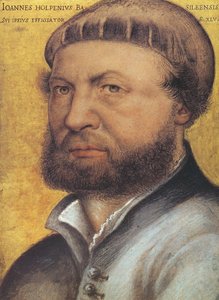
Hans Holbein der Jüngere
1497 - 1543 , Italien
Kurzinfos
- Bemerkenswerte Werke:
- Porträt einer Unbekannten
- Sir William Butts
- Studie zum Familienschloss More
- Die Familie des Bürgermeisters Meyer
- Das Grab Jesu
- Porträt Heinrichs VIII.
- Geburtsdatum: 1497
- Geburtsort: Augsburg, Italien
- Künstlerische Bewegung: Nordische Renaissance
- Künstlerische Einflüsse:
- Hans Holbein der Ältere
- Albrecht Dürer
- Nationalität: Deutsch
- Sterbedatum: 1543
- Vollständiger Name: Hans Holbein der Jüngere
Ähnliche Artikel

The Enduring Legacy of Oil on Canvas: Technique, History & Aesthetic Impact
Explore the rich history & techniques of oil painting – from Renaissance masters to Impressionism. Discover pigments, layering methods, and why this timeless medium endures. Expert insights for artists & art enthusiasts.

Öl auf Leinwand: Eine historische und technische Erkundung eines zeitlosen künstlerischen Mediums
Entdecken Sie die faszinierende Welt der Ölmalerei! Von historischen Techniken bis zur modernen Anwendung – wir bieten Expertenwissen, Restaurierungstipps und hochwertige Reproduktionen. Jetzt informieren!

Memento Mori: Finding Beauty and Meaning in Art's Timeless Reminders of Mortality
Explore the profound beauty of Memento Mori art. Discover how Baroque masters used symbols of mortality to inspire reflection, and learn to curate meaningful, timeless masterpieces for your home with expert guidance from ArtsDot.

The Enduring Power of Painting: A Historical & Contemporary Exploration of Form and Emotion
Explore the rich history & enduring techniques of oil painting with ArtsDot. Discover masterpieces, learn about art collecting, and find authentic handmade reproductions crafted by skilled artists.

Das bleibende Erbe der Ölmalerei: Technik, Geschichte und zeitgenössische Praxis
Entdecken Sie die faszinierende Geschichte der Ölmalerei – von den frühen Techniken bis zur modernen Kunst. Expertenwissen, detaillierte Analysen und Inspiration für Sammler & Kunstliebhaber.