 Vorschau anzeigen
 Versenden
 Teilen
 Details anzeigen

 Herunterladen
 Ähnliche Objekte
 Röntgenaufnahme
 Diashow
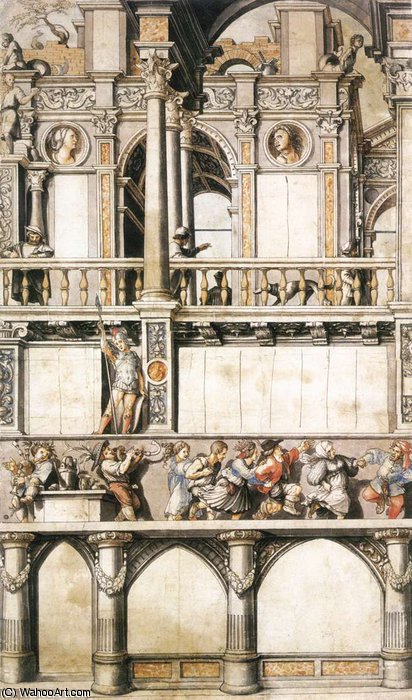
Drawing for the Façade Paintings in the Eisengasse (copy)


 Weiterlesen
Handgefertigte Ölreproduktion
Handgemaltes Ölgemälde auf Leinwand in Ihrer Wunschgröße und mit Rahmen, auf Bestellung von unseren Künstlern angefertigt. ( Druck bestellen Bild kaufen)




P118B $10

P118H $10

P118W $10

P438Z $10

P508JH $12

P508YH $12

P805H $10

P805Z $10

P919BZ $10

P919G $10

P919XJ $10

P959ZH $10

P968JZ $12

W106C $8

W218G $10

W218JH $8

W218Y $10

W307PJ $10

W316G $10

W316PJ $8

W316Y $10

W398PJ $8

W4111J $10

W500HY $15

W500JH $15

W692G $12

W849H $8

W940BG $15

W953PJ $8




Wählen Sie aus unseren vordefinierten Formaten, die den ursprünglichen Proportionen des Kunstwerks entsprechen.

Sie können Ihre eigenen Maße eingeben, um einen bestimmten Rahmen oder Platz auszufüllen. Wenn die gewählte Größe nicht den Proportionen des Originalbildes entspricht, werden wir das Kunstwerk entweder beschneiden oder das Gemälde durch zusätzliche, handgemalte Elemente erweitern. Ein digitales Mockup wird Ihnen zur Genehmigung zugesandt, bevor die Produktion beginnt.
Bitte beachten Sie, dass die Bildschirmvorschau nicht die tatsächliche Beschneidung oder Erweiterung widerspiegelt. Nur das Mockup zeigt die endgültige Komposition exakt an.
Obwohl Sondermaße verfügbar sind, empfehlen wir, eine Größe aus der vordefinierten Liste zu wählen, um die ursprünglichen Proportionen beizubehalten.
Nach der Bestellung wird das ArtsDot.com-Team dem Kunden Anweisungen per E-Mail zusenden und eine Mockup-Vorschau bereitstellen.
Weltweiter Versand () in nur 3 bis 4 Wochen statt der üblichen 5 Wochen. (28 August). Keine Kompromisse bei der Qualität.

Kostenloser weltweiter Expressversand

Hochwertige Leinenleinwand

Umfassender Versicherungsschutz beim Versand

Zollgebühren-Rückerstattungsgarantie

Garantie für exakte Farbtreue

60 Tage Rückgaberecht (nur bei Mängeln)

100% Geld-zurück-Garantie

Mengenrabatt verfügbar
 Die Glasoption ist nur für Größen unter 110 cm verfügbar.

Drawing for the Façade Paintings in the Eisengasse (copy)
Art der Reproduktion
Format der Reproduktion
-


Gesamtpreis
$ 263
A Vision of Renaissance Grandeur
In the delicate lines of Drawing for the Façade Paintings in the Eisengasse, we encounter more than a mere architectural blueprint; we step into a meticulously crafted snapshot of humanist ideals and artistic innovation. Created around 1530 by the incomparable Hans Holbein the Younger, this work serves as a window into the vibrant intellectual atmosphere of the Northern Renaissance. The composition presents a magnificent building facade, dominated by a large, commanding archway adorned with intricate statues that seem to watch over the bustling scene below. As the eye wanders through the lively courtyard, it encounters figures engaged in the quiet rhythms of daily life, their presence lending a palpable sense of movement and vitality to the stone and mortar.
Holbein’s mastery is on full display through his seamless blend of anatomical precision and decorative ornamentation. While the drawing functions as a design for a facade, it transcends its utilitarian origins through a sophisticated use of chiaroscuro. The dramatic interplay of light and shadow breathes life into the architectural elements, creating a profound sense of depth and volume that makes the stone appear almost tactile. Every fold of drapery and every sculpted feature of the statues reflects Holbein's legendary ability to capture not just outward appearance, but an underlying psychological complexity that invites the viewer to linger.
Symbolism and the Spirit of the Age
Beyond its structural beauty, the artwork is steeped in the profound religious and philosophical currents of the 16th century. During a period of intense religious upheaval known as the Reformation, Holbein subtly wove themes of faith and resilience into his compositions. Most notably, the inclusion of two birds—one positioned toward the upper left and another near the bottom right—serves as a poignant symbolic layer. In the iconographic language of the time, these birds often represented hope and resurrection, acting as emblems of divine grace amidst the turbulent political and spiritual landscape of Henry VIII’s England.
This integration of subtle symbolism with grand architectural design reflects the humanist spirit championed by great thinkers like Erasmus. The drawing does not merely depict a building; it captures an era's aspiration toward order, beauty, and eternal truth. For the discerning collector or interior designer, this piece offers a sophisticated narrative for any space, providing a focal point that is both intellectually stimulating and visually arresting.
An Enduring Legacy for Modern Interiors
To possess a reproduction of such a masterpiece is to bring a piece of history into the contemporary home. The intricate patterns and detailed designs found within the Eisengasse drawing offer a rich texture that complements both classical and modern decor. Whether placed in a formal study or as a conversation piece in a grand living hall, the artwork radiates an aura of timeless elegance and scholarly depth.
The emotional impact of Holbein’s work lies in its ability to capture the very essence of human observation. It is a testament to the power of art to freeze a moment of historical grandeur, offering a sense of permanence and peace. For those seeking to inspire awe and contemplation within their surroundings, this drawing stands as an unparalleled choice, embodying the meticulous skill and soulful vision of one of history's greatest masters.
Ähnliche Kunstwerke


Über den Künstler
frühes Leben und Ausbildung
Hans Holbein der Jüngere, eine bedeutende Figur in der Nordischen Renaissance, wurde 1497 in Augsburg, Deutschland, geboren. Obwohl er oft mit seinem Vater, Hans Holbein dem Älteren, einem renommierten Künstler und Grafiker verwechselt wird, ist Holbeins Werk der Jüngeren eigenständig und herausragend.Künstlerische Karriere
Holbeins künstlerische Karriere begann unter der Anleitung seines Vaters. Später reiste er nach England, wo er Hofmaler für König Heinrich VIII. wurde. Diese Position ermöglichte es ihm, die Essenz der königlichen Familie und des aufkommenden englischen Adels einzufangen. Sein Werk ist durch folgende Merkmale gekennzeichnet:- Außergewöhnliche Realismus: Holbeins Porträts sind für ihre lebensechte Qualität bekannt, wie in Portrait einer unbekannten Dame (Nordische Renaissance).
- Innovative Komposition: Seine Verwendung von Kompositionen ist in Sir William Butts (37 x 46 cm, Nordische Renaissance, Öl auf Holzpanel) erkennbar.
- Studie für das Familienporträt von Thomas More (38 x 52 cm, Nordische Renaissance) zeigt seine Fähigkeit, die Essenz einer Familie einzufangen.
Bekannte Werke und Vermächtnis
Holbeins Werk befindet sich in verschiedenen Museen, darunter die Staatlichen Museen zu Berlin (Deutschland), wo sein unbekannter Gelehrter mit Musikbüchern und Laute (Öl auf Holzpanel) ausgestellt ist. Sein Einfluss auf die Nordische Renaissance ist unbestreitbar, und sein Werk inspiriert bis heute Künstler. Holbein der Jüngere starb 1543, aber sein Vermächtnis lebt durch seine fesselnden Porträts und detaillierten Studien weiter. Weitere Werke von Hans Holbein dem Jüngeren ansehen auf ArtsDot.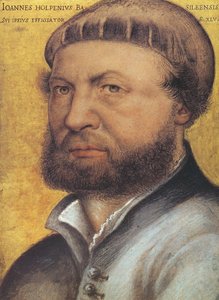
Hans Holbein der Jüngere
1497 - 1543 , Italien
Kurzinfos
- Bemerkenswerte Werke:
- Porträt einer Unbekannten
- Sir William Butts
- Studie zum Familienschloss More
- Die Familie des Bürgermeisters Meyer
- Das Grab Jesu
- Porträt Heinrichs VIII.
- Geburtsdatum: 1497
- Geburtsort: Augsburg, Italien
- Künstlerische Bewegung: Nordische Renaissance
- Künstlerische Einflüsse:
- Hans Holbein der Ältere
- Albrecht Dürer
- Nationalität: Deutsch
- Sterbedatum: 1543
- Vollständiger Name: Hans Holbein der Jüngere
Ähnliche Artikel

Bronze-Meisterwerke: Die 10 Skulpturen, die Kunstgeschichte schrieben | ArtsDot
Entdecken Sie die 10 legendärsten Bronze Skulpturen der Kunstgeschichte! Von Michelangelo bis Rodin – erfahren Sie die Geschichten hinter den Meisterwerken und lassen Sie sich von Wanddeko-Ideen inspirieren. Hochwertige Kunstdrucke auf ArtsDot.com.

The Enduring Form: Exploring Themes & Techniques in Sculpture Across Historical Periods
Explore the rich history of sculpture from ancient masterpieces to contemporary innovations. Discover key techniques, influential artists & investment potential for discerning art collectors.

The Enduring Form: Sculpture Across History, Technique & Emotional Resonance
Explore the rich history of sculpture with ArtsDot. Discover key techniques, influential artists & investment potential for discerning collectors. Expert insights into valuing and collecting timeless masterpieces.

Die 10 legendärsten Bronzestatuen: Meisterwerke, die Kunstgeschichte schrieben | ArtsDot
Entdecken Sie die 10 legendärsten Bronzestatuen der Kunstgeschichte! Von Rodin bis Michelangelo – erfahren Sie die Geschichten hinter ikonischen Skulpturen und finden Sie hochwertige Reproduktionen für Ihr Zuhause. Jetzt bei ArtsDot entdecken!
Theatricality & Triumph: Baroque Drama in Painting & Sculpture
Explore the dramatic world of Baroque art! Discover its history, defining characteristics, & lasting influence on painting & sculpture. Expert insights into Caravaggio, Zurbarán, and Bernini – plus high-quality reproductions at ArtsDot.