

 Vorschau anzeigen
 Versenden
 Teilen
 Details anzeigen

 Herunterladen
 Ähnliche Objekte
 Röntgenaufnahme
 Diashow
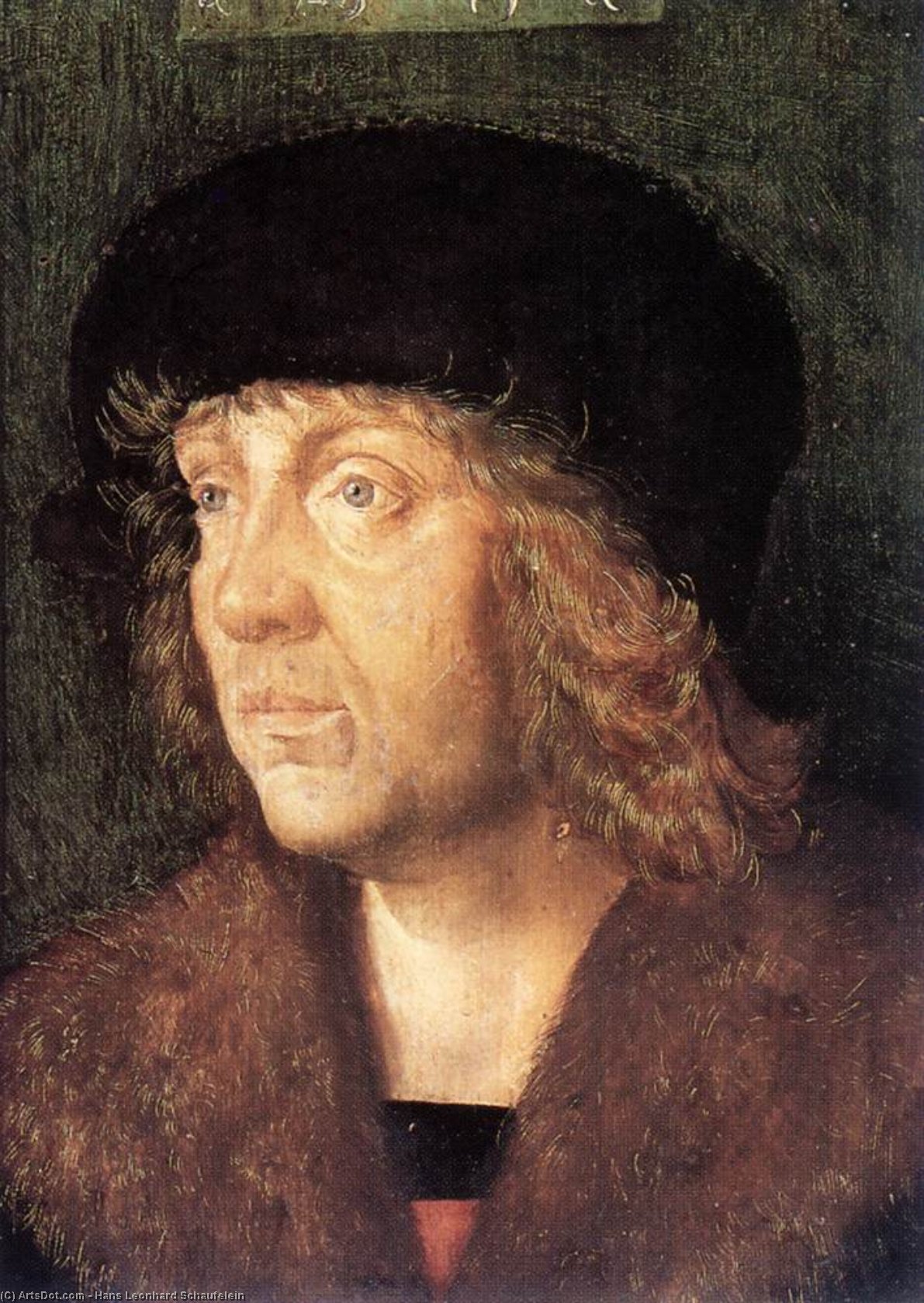
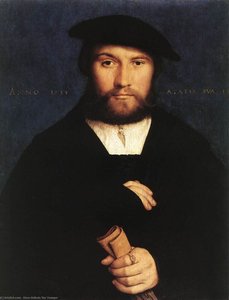
Portrait of a Man


 Weiterlesen
Handgefertigte Ölreproduktion
Handgemaltes Ölgemälde auf Leinwand in Ihrer Wunschgröße und mit Rahmen, auf Bestellung von unseren Künstlern angefertigt. ( Druck bestellen Bild kaufen)




P118B $10

P118H $10

P118W $10

P438Z $10

P508JH $12

P508YH $12

P805H $10

P805Z $10

P919BZ $10

P919G $10

P919XJ $10

P959ZH $10

P968JZ $12

W106C $8

W218G $10

W218JH $8

W218Y $10

W307PJ $10

W316G $10

W316PJ $8

W316Y $10

W398PJ $8

W4111J $10

W500HY $15

W500JH $15

W692G $12

W849H $8

W940BG $15

W953PJ $8




Wählen Sie aus unseren vordefinierten Formaten, die den ursprünglichen Proportionen des Kunstwerks entsprechen.

Sie können Ihre eigenen Maße eingeben, um einen bestimmten Rahmen oder Platz auszufüllen. Wenn die gewählte Größe nicht den Proportionen des Originalbildes entspricht, werden wir das Kunstwerk entweder beschneiden oder das Gemälde durch zusätzliche, handgemalte Elemente erweitern. Ein digitales Mockup wird Ihnen zur Genehmigung zugesandt, bevor die Produktion beginnt.
Bitte beachten Sie, dass die Bildschirmvorschau nicht die tatsächliche Beschneidung oder Erweiterung widerspiegelt. Nur das Mockup zeigt die endgültige Komposition exakt an.
Obwohl Sondermaße verfügbar sind, empfehlen wir, eine Größe aus der vordefinierten Liste zu wählen, um die ursprünglichen Proportionen beizubehalten.
Nach der Bestellung wird das ArtsDot.com-Team dem Kunden Anweisungen per E-Mail zusenden und eine Mockup-Vorschau bereitstellen.
Weltweiter Versand () in nur 3 bis 4 Wochen statt der üblichen 5 Wochen. (23 August). Keine Kompromisse bei der Qualität.

Kostenloser weltweiter Expressversand

Hochwertige Leinenleinwand

Umfassender Versicherungsschutz beim Versand

Zollgebühren-Rückerstattungsgarantie

Garantie für exakte Farbtreue

60 Tage Rückgaberecht (nur bei Mängeln)

100% Geld-zurück-Garantie

Mengenrabatt verfügbar
 Die Glasoption ist nur für Größen unter 110 cm verfügbar.

Portrait of a Man
Art der Reproduktion
Format der Reproduktion
-


Gesamtpreis
$ 263
Beschreibung des Kunstwerks
Portrait of a Man by Hans Leonhard Schäufelein
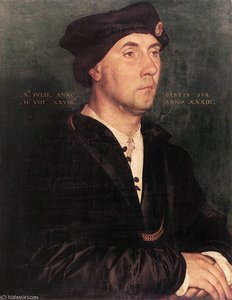
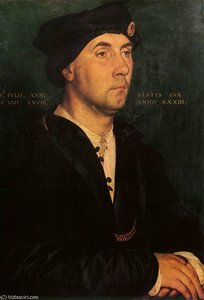
Hans Leonhard Schäufelein’s “Portrait of a Man,” painted in 1505, stands as a testament to the burgeoning artistic spirit of Nuremberg during the High Renaissance. More than just a likeness, it embodies the humanist ideals prevalent at the time—a celebration of intellect and dignity rendered with remarkable precision and emotional depth by one of Germany’s foremost painters.The Artist's Context: Nuremberg's Artistic Crucible
Schäufelein emerged from a vibrant artistic environment dominated by figures like Matthias Grünewald and Johann Wohlgemut, artists who championed expressive realism—a stylistic departure from the prevailing Gothic traditions. Nuremberg itself was rapidly transforming into a center of commerce and innovation, attracting skilled artisans and fostering an atmosphere conducive to artistic experimentation. Schäufelein’s formative years were profoundly shaped by his association with Albrecht Dürer, whose unwavering commitment to meticulous detail and compositional balance instilled in Schäufelein a similar aesthetic sensibility. This influence is evident throughout Schäufelein's oeuvre, particularly in the careful rendering of textures and surfaces—a hallmark of Nuremberg painting.A Study in Renaissance Portraiture: Technique and Style
Executed in oil on canvas, “Portrait of a Man” exemplifies the stylistic conventions of Renaissance portraiture. Schäufelein skillfully employed chiaroscuro – dramatic contrasts between light and shadow – to sculpt the figure’s face and torso, creating an illusion of three-dimensionality that transcends mere representation. The artist meticulously observed anatomical proportions, capturing subtle nuances of musculature and bone structure with astonishing accuracy. Furthermore, Schäufelein's masterful use of color contributes significantly to the painting's emotive impact; muted hues dominate the palette, conveying a sense of solemn contemplation and understated elegance.Symbolism Within Form: Clothing and Accessories
The portrait’s symbolism extends beyond its physical appearance. The man wears a dark velvet robe adorned with fur trim—a deliberate gesture indicative of wealth and status during the Renaissance. His black hat, embellished with a feather plume, symbolizes nobility and authority—a visual shorthand for conveying social standing. These details underscore Schäufelein's intention to portray not merely an individual but also his role within the broader societal hierarchy. The gaze of the subject is direct yet introspective, inviting viewers to contemplate themes of contemplation and inner reflection – core tenets of humanist philosophy.A Legacy Enduring Through Time: Preservation and Influence
Currently housed at the Galleria Borghese in Rome, “Portrait of a Man” continues to captivate audiences with its timeless beauty and artistic merit. Its influence can be discerned in subsequent portraits produced by artists across Europe, cementing Schäufelein’s position as a pivotal figure in German Renaissance art history. The painting serves as an enduring reminder of the period's fascination with human dignity and intellectual pursuit—a masterpiece that transcends stylistic conventions to resonate powerfully with viewers centuries later.Ähnliche Kunstwerke
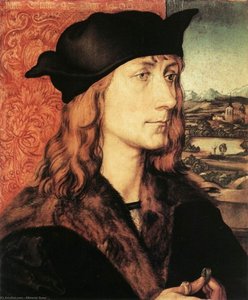
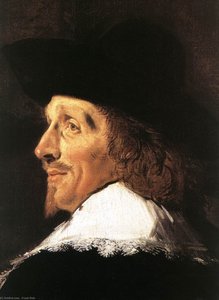
Über den Künstler
Hans Leonhard Schäufelein (1480-1540): Bridging Flemish Tradition and Nuremberg Innovation
Hans Leonhard Schäufelein stands as a pivotal figure in German Renaissance art, representing a fascinating confluence of Flemish artistic sensibilities with the meticulous craftsmanship characteristic of Nuremberg. Born around 1480 in Nuremberg, he emerged from a milieu steeped in artistic excellence, notably influenced by Matthias Grünewald and Johann Wohlgemut – artists whose expressive techniques would undoubtedly shape Schäufelein’s own approach to painting.
Early Training & Durrer's Influence: Schäufelein’s formative years coincided with Johannes Vermeer’s time in Delft, where he honed his skills under the tutelage of Albrecht Dürer. This association proved invaluable, fostering an admiration for Dürer’s precision and compositional mastery—a stylistic imprint that is palpable throughout Schäufelein's oeuvre. Dürer’s unwavering dedication to detail and geometric rigor profoundly impacted Schäufelein’s artistic vision.
Notable Works: Schäufelein gained renown for his altarpiece at Ober Sankt Veit near Vienna (1502), depicting scenes from the life of Christ, a piece celebrated for its serene beauty and masterful execution. The painting embodies a harmonious blend of Flemish idealism and Nuremberg’s refined aesthetic sensibilities. Similarly impressive was “St. Jerome,” housed in the Germanisches Nationalmuseum in Nuremberg, showcasing Schäufelein’s ability to convey emotion through subtle shading and nuanced detail—a testament to his mastery of chiaroscuro.
Woodcut Art & Imperial Patronage: Schäufelein excelled as a wood engraver, producing stunning prints for Emperor Maximilian I—particularly his celebrated “Tiegeraltar” (Tiger Altar) for St. George’s Church in Nordlingen, which remains a testament to his skill and vision. This altar, alongside “Judith Slaying Holofernes,” adorns the town hall of Nordlingen, demonstrating Schäufelein's capacity for dramatic storytelling through woodcut technique—a medium he skillfully employed to convey complex narratives with remarkable clarity.
Nordlingen Period & Artistic Style: Schäufelein’s work during his Nordlingen years solidified his reputation as a painter who prioritized grace and elegance. While lacking the forceful dynamism of some contemporaries, he possessed an undeniable knack for capturing atmospheric perspective and conveying spiritual contemplation—traits reminiscent of Flemish Primitive painters like Rogier van der Weyden. His palette favored muted tones and delicate brushstrokes, reflecting the prevailing artistic tastes of the time.
Legacy & Playing Card Designs: Schäufelein’s contribution to German art extends beyond monumental paintings; his intricately designed playing cards from 1535 represent a remarkable achievement in decorative arts, reflecting the artistic tastes of the era and showcasing Schäufelein's meticulous attention to detail. These cards exemplify Schäufelein’s ability to transform a commonplace object into an exquisite work of art.
Schäufelein’s enduring legacy resides not merely in his individual artworks but also in his role as a conduit between Flemish artistic traditions and Nuremberg’s burgeoning Renaissance spirit. He stands as a symbol of artistic innovation within a conservative context, securing his place among the most significant artists of his time.
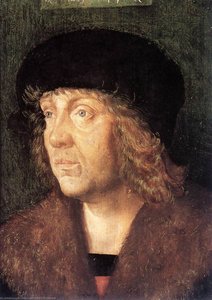
Hans Leonhard Schäufelein
1480 - 1540 , Deutschland
Kurzinfos
- Artistic Movement Or Style: Flemish Primitive
- Artists Or Movements Influenced By This Artist: ['Matthias Grünewald']
- Artists Who Influenced This Artist:
- Albrecht Dürer
- Johannes Wohlgemut
- Date Of Birth: Nuremberg, Germany (1480)
- Date Of Death: Um 1538 oder 1540
- Full Name: Hans Leonhard Schäufelein
- Nationality: Deutsch
- Notable Artworks:
- Altäre
- Holzschnitte
- Die Flucht nach Ägypten
- Place Of Birth: Nürnberg
Ähnliche Artikel

The Enduring Legacy of Oil on Canvas: Technique, History & Aesthetic Impact
Explore the rich history & techniques of oil painting – from Renaissance masters to Impressionism. Discover pigments, layering methods, and why this timeless medium endures. Expert insights for artists & art enthusiasts.

Öl auf Leinwand: Eine historische und technische Erkundung eines zeitlosen künstlerischen Mediums
Entdecken Sie die faszinierende Welt der Ölmalerei! Von historischen Techniken bis zur modernen Anwendung – wir bieten Expertenwissen, Restaurierungstipps und hochwertige Reproduktionen. Jetzt informieren!

The Enduring Power of Painting: A Historical & Contemporary Exploration of Form and Emotion
Explore the rich history & enduring techniques of oil painting with ArtsDot. Discover masterpieces, learn about art collecting, and find authentic handmade reproductions crafted by skilled artists.

Das bleibende Erbe der Ölmalerei: Technik, Geschichte und zeitgenössische Praxis
Entdecken Sie die faszinierende Geschichte der Ölmalerei – von den frühen Techniken bis zur modernen Kunst. Expertenwissen, detaillierte Analysen und Inspiration für Sammler & Kunstliebhaber.
Deutsche Expressionismus Meisterwerke: Die 10 wichtigsten Kunstwerke für Ihr Zuhause
Entdecken Sie die 10 bedeutendsten Werke des Deutschen Expressionismus! Kirchner, Nolde & Co. – ihre Geschichten, Techniken und zeitlose Schönheit. Hochwertige Kunstdrucke auf ArtsDot.com kaufen und Ihr Zuhause mit emotionaler Kunst bereichern. Jetzt entdecken!

