 Vorschau anzeigen
 Versenden
 Teilen
 Details anzeigen

 Herunterladen
 Ähnliche Objekte
 Röntgenaufnahme
 Diashow
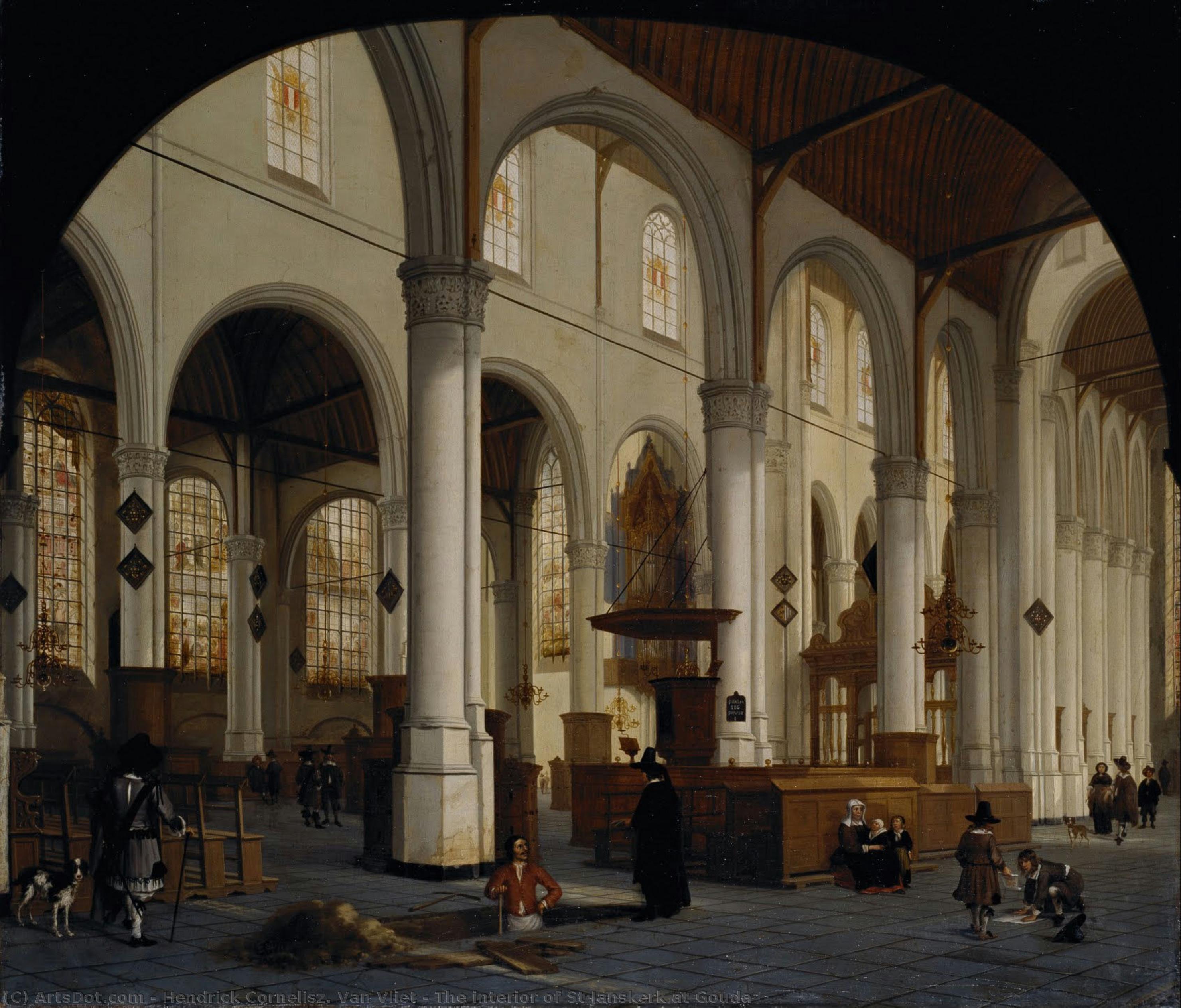
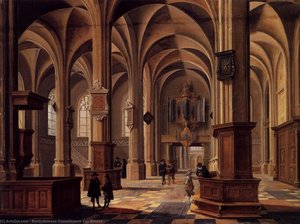
The interior of St Janskerk at Gouda
 Oil On Canvas
- WallArt
- Dutch Golden Age Realism
 1662
1662 110.0 x 128.0 cm
 National Gallery of Victoria
 Weiterlesen
Handgefertigte Ölreproduktion
Handgemaltes Ölgemälde auf Leinwand in Ihrer Wunschgröße und mit Rahmen, auf Bestellung von unseren Künstlern angefertigt. ( Druck bestellen Bild kaufen)




P118B $10

P118H $10

P118W $10

P438Z $10

P508JH $12

P508YH $12

P805H $10

P805Z $10

P919BZ $10

P919G $10

P919XJ $10

P959ZH $10

P968JZ $12

W106C $8

W218G $10

W218JH $8

W218Y $10

W307PJ $10

W316G $10

W316PJ $8

W316Y $10

W398PJ $8

W4111J $10

W500HY $15

W500JH $15

W692G $12

W849H $8

W940BG $15

W953PJ $8




Wählen Sie aus unseren vordefinierten Formaten, die den ursprünglichen Proportionen des Kunstwerks entsprechen.

Sie können Ihre eigenen Maße eingeben, um einen bestimmten Rahmen oder Platz auszufüllen. Wenn die gewählte Größe nicht den Proportionen des Originalbildes entspricht, werden wir das Kunstwerk entweder beschneiden oder das Gemälde durch zusätzliche, handgemalte Elemente erweitern. Ein digitales Mockup wird Ihnen zur Genehmigung zugesandt, bevor die Produktion beginnt.
Bitte beachten Sie, dass die Bildschirmvorschau nicht die tatsächliche Beschneidung oder Erweiterung widerspiegelt. Nur das Mockup zeigt die endgültige Komposition exakt an.
Obwohl Sondermaße verfügbar sind, empfehlen wir, eine Größe aus der vordefinierten Liste zu wählen, um die ursprünglichen Proportionen beizubehalten.
Nach der Bestellung wird das ArtsDot.com-Team dem Kunden Anweisungen per E-Mail zusenden und eine Mockup-Vorschau bereitstellen.
Weltweiter Versand () in nur 3 bis 4 Wochen statt der üblichen 5 Wochen. (26 August). Keine Kompromisse bei der Qualität.

Kostenloser weltweiter Expressversand

Hochwertige Leinenleinwand

Umfassender Versicherungsschutz beim Versand

Zollgebühren-Rückerstattungsgarantie

Garantie für exakte Farbtreue

60 Tage Rückgaberecht (nur bei Mängeln)

100% Geld-zurück-Garantie

Mengenrabatt verfügbar
 Die Glasoption ist nur für Größen unter 110 cm verfügbar.

The interior of St Janskerk at Gouda
Art der Reproduktion
Format der Reproduktion
-


Gesamtpreis
$ 388
Beschreibung des Kunstwerks
A Serene Reflection on Mortality: Hendrick van Vliet’s ‘Interior of St Janskerk at Gouda’
Hendrick Cornelisz van Vliet stands as a beacon of Dutch Golden Age artistry, his legacy cemented by paintings that transcend mere visual representation—they embody the spirit of an era and grapple with profound philosophical themes. Among his oeuvre, “The Interior of St Janskerk at Gouda,” completed in 1662, remains particularly captivating, offering a glimpse into both artistic mastery and the intellectual currents shaping seventeenth-century Europe. This monumental canvas, measuring 110 x 128 cm, is housed within the National Gallery of Victoria’s collection, serving as a testament to its enduring beauty and scholarly significance.A Masterpiece of Perspective and Symbolism
Van Vliet's dedication to capturing architectural grandeur is evident in every brushstroke. Executed with meticulous precision in oil on canvas—a technique favored for its ability to achieve luminous surfaces and subtle tonal gradations—the painting exemplifies the principles of atmospheric perspective, skillfully conveying depth and spatial illusion. The artist’s masterful use of foreshortening draws the viewer's gaze towards the distant altar, creating a convincing sense of recession that mirrors the physical reality of St Janskerk itself. However, beyond mere technical prowess lies a deeper symbolic resonance. The inclusion of a gravedigger excavating a skull and bones—a ‘memento mori’ motif—immediately confronts the viewer with the inescapable truth of mortality, prompting contemplation on the brevity of human existence against the backdrop of timeless faith.Historical Context: Calvinist Austerity and Artistic Innovation
“The Interior of St Janskerk at Gouda” emerged during a pivotal moment in Dutch history – the Reformation’s impact on religious life. Following the Dissolution of monasteries in 1568, Protestant churches like St Janskerk underwent significant transformations, stripping away opulent decorations and embracing a stark austerity reflective of Calvinist dogma. Van Vliet's depiction captures this atmosphere perfectly, portraying the church walls as whitewashed and bare, illuminated by diffused light filtering through arched windows. This deliberate choice underscores not only the stylistic conventions of the time but also the artist’s engagement with theological ideas—a hallmark of Dutch Golden Age art. As noted in Ted Gott’s “Painting and sculpture before 1800,” this artwork exemplifies "the Calvinist austerity prevalent in the artist’s day."Color Palette and Artistic Technique: Restraint and Illusion
The painting's color palette is deliberately subdued, dominated by creams and whites that echo the church’s austere interior. Subtle variations of grey and brown are present in architectural details—the wooden pulpit and organ—creating a harmonious tonal balance. Accents of red appear in the gravedigger’s coat, providing visual contrast without disrupting the overall mood. Van Vliet's meticulous brushwork contributes to the painting’s remarkable realism, capturing the textures of stone and wood with astonishing accuracy. The artist skillfully blended pigments to achieve luminous effects—particularly noticeable on the walls and windows—enhancing the sense of spaciousness and serenity that characterizes St Janskerk.Emotional Impact: A Meditation on Faith and Mortality
Ultimately, “The Interior of St Janskerk at Gouda” transcends its formal qualities to evoke a profound emotional response. It invites viewers to contemplate the enduring themes of faith and mortality, prompting reflection on the human condition. The painting’s serene atmosphere—combined with the unsettling presence of the gravedigger—creates a compelling juxtaposition that underscores the importance of confronting existential questions. Van Vliet's masterpiece continues to inspire admiration for its artistic brilliance and intellectual depth, securing its place as one of the most significant achievements of Dutch Baroque art.Ähnliche Kunstwerke





Über den Künstler
Hendrick Corneliszoon van Vliet – Ein Meister der Kirchenräume
Hendrick Corneliszoon van Vliet (geboren um 1611/1612 in Delft, Niederlande – begraben am 28. Oktober 1675 in Delft) wird vor allem für seine beeindruckenden Kircheninnenräume gefeiert und gilt als einer der bedeutendsten Künstler des niederländischen Goldenen Zeitalters. Sein Leben war eine Hingabe zur Darstellung der Schönheit und Ruhe religiöser Gebäude, was sein künstlerisches Erbe nachhaltig prägte.Frühe Lebensjahre und Ausbildung
Hendrick begann seine künstlerische Reise unter Anleitung seines Onkels Willem van der Vliet. Diese frühe Förderung entwickelte nicht nur seine Fähigkeiten weiter, sondern vermittelte ihm auch eine tiefgreifende Wertschätzung für Perspektive – ein Element, das ihn durch sein gesamtes Werk prägte. Er wurde 1632 in die Delftsche Malergilde aufgenommen und zeichnete sich bereits zu Beginn seiner Tätigkeit durch eine außergewöhnliche Detailgenauigkeit bei der Darstellung von Kirchenfassaden aus. Besonders beeindruckend war seine Fähigkeit, Licht und Schatten auf natürliche Weise einzusetzen und somit eine besondere Atmosphäre zu schaffen.Künstlerische Entwicklung und bedeutende Werke
Hendrick entwickelte seinen Stil kontinuierlich weiter und erweiterte sein künstlerisches Spektrum um Landschaftsbilder und Zusammenarbeit mit Michiel Jansz van Mierevelt. Doch es war vor allem seine Beschäftigung mit Kircheninnenräumen, die ihm den internationalen Ruhm einbrachte. Zu seinen Meisterwerken zählen unter anderem:- Die Innenansicht der alten Kirche in Delft: Ein beeindruckendes Beispiel für die Verwendung von Perspektive und Licht zur Darstellung eines religiösen Gebäudes.
- Das Blickfeld innerhalb der Sankt-Bavo-Kirche zu Haarlem während eines Gottesdienstes: Van Vliet gelang es, die Atmosphäre eines religiösen Aktes perfekt einzufangen und eine besondere Stimmung zu erzeugen.
- Die Kirche St.-Johannes zum Heiligen Geist in Delft mit dem Grabmal von Admiral Tromp: Diese Darstellung zeichnet sich durch höchste historische Genauigkeit aus und zeigt ein tiefes Verständnis für die damalige Zeit.
Ein Einfluss auf die Kunstgeschichte
Hendrick Corneliszoon van Vliet gilt als einer der wichtigsten Vertreter des niederländischen Goldenen Zeitalters und wird bis heute für seine außergewöhnliche künstlerische Leistung gefeiert. Seine Werke sind ein Fenster zur Welt eines besonderen historischen Kontextes und erinnern uns daran, wie Künstler ihre Zeit prägten und Schönheit und Wahrheit durch ihre Kunst vermittelten. Er bleibt eine Quelle der Inspiration für Kunstliebhaber weltweit und sein Werk wird weiterhin intensiv studiert und bewundert.
Hendrik Cornelisz van Vliet
1611 - 1675 , Niederlande
Kurzinfos
- Artistic Movement Or Style: Dutch Gouden Eeuw
- Artists Who Influenced This Artist:
- Willem van der Vliet
- Michiel Jansz van Mierevelt
- Date Of Birth: ca. 1611
- Date Of Death: October 28, 1675
- Full Name: Hendrick Corneliszoon van Vliet
- Nationality: Niederlande
- Notable Artworks:
- Innenraum der alten Kirche Delft
- Ansicht innerhalb der Sankt Bavokirche Haarlem während der Messe
- Alte Kirche Delft mit dem Grab von Admiral Tromp
- Place Of Birth: Delft, Niederlande
Ähnliche Artikel

Die 10 Meisterwerke des Goldenen Zeitalters der niederländischen Malerei |
Entdecken Sie die 10 Meisterwerke des Niederländischen Goldenen Zeitalters! Von Rembrandt bis Vermeer – erleben Sie Kunstgeschichte, Techniken & Emotionen. Hochwertige Gemäldereproduktionen für Ihr Zuhause auf .

Rembrandts Meisterwerke: Die Top 25 Kunstwerke für Ihr Zuhause | ArtsDot
Entdecken Sie Rembrandts 25 berühmteste Kunstwerke! Tauchen Sie ein in die Welt des Barock, Licht und Schatten & historischer Porträts. Hochwertige Reproduktionen für Ihr Zuhause – jetzt auf ArtsDot.com!

Golden Age Reflections: Dutch Baroque Painting & Cultural Innovation
Explore the Dutch Golden Age of painting! Discover key artists like Vermeer & ter Borch, their innovative techniques, and the rich cultural context behind these Baroque masterpieces. Learn about collecting & appreciating this iconic art period.
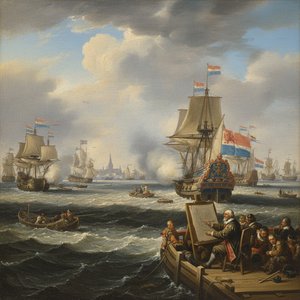
Willem van de Velde der Ältere: Meister der Seemalererei und Chronist des Niederländischen Goldenen Zeitalters
Entdecken Sie das Werk von Willem van de Velde der Ältere, dem Meister der Seemalerei des Niederländischen Goldenen Zeitalters. Erfahren Sie mehr über sein Leben, seine Techniken und seinen Einfluss auf die Kunstgeschichte – jetzt bei ArtsDot!

Illuminating Innovation: Exploring the Dutch Golden Age of Painting
Explore the Dutch Golden Age of painting with ArtsDot. Discover Rembrandt, Vermeer & other Masters. Learn about key characteristics, iconic artworks, and lasting influence. Expert insights for collectors & enthusiasts.