 Vorschau anzeigen
 Versenden
 Teilen
 Details anzeigen

 Herunterladen
 Ähnliche Objekte
 Röntgenaufnahme
 Diashow
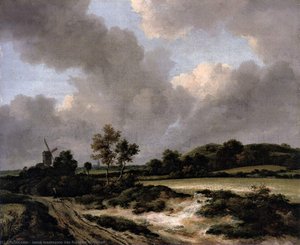
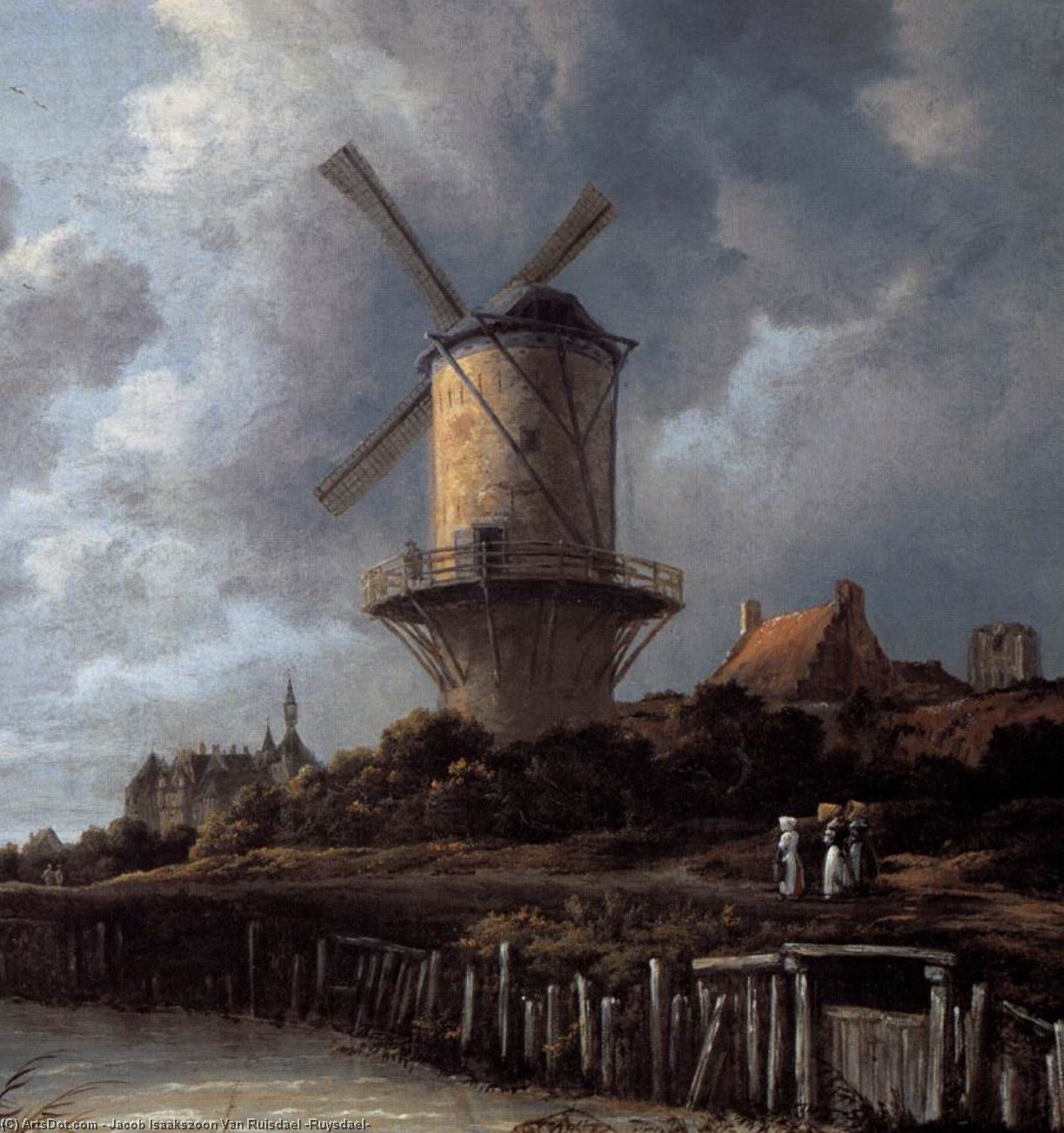
The Windmill at Wijk bij Duurstede (detail)


 Weiterlesen
Handgefertigte Ölreproduktion
Handgemaltes Ölgemälde auf Leinwand in Ihrer Wunschgröße und mit Rahmen, auf Bestellung von unseren Künstlern angefertigt. ( Druck bestellen Bild kaufen)




P118B $10

P118H $10

P118W $10

P438Z $10

P508JH $12

P508YH $12

P805H $10

P805Z $10

P919BZ $10

P919G $10

P919XJ $10

P959ZH $10

P968JZ $12

W106C $8

W218G $10

W218JH $8

W218Y $10

W307PJ $10

W316G $10

W316PJ $8

W316Y $10

W398PJ $8

W4111J $10

W500HY $15

W500JH $15

W692G $12

W849H $8

W940BG $15

W953PJ $8




Wählen Sie aus unseren vordefinierten Formaten, die den ursprünglichen Proportionen des Kunstwerks entsprechen.

Sie können Ihre eigenen Maße eingeben, um einen bestimmten Rahmen oder Platz auszufüllen. Wenn die gewählte Größe nicht den Proportionen des Originalbildes entspricht, werden wir das Kunstwerk entweder beschneiden oder das Gemälde durch zusätzliche, handgemalte Elemente erweitern. Ein digitales Mockup wird Ihnen zur Genehmigung zugesandt, bevor die Produktion beginnt.
Bitte beachten Sie, dass die Bildschirmvorschau nicht die tatsächliche Beschneidung oder Erweiterung widerspiegelt. Nur das Mockup zeigt die endgültige Komposition exakt an.
Obwohl Sondermaße verfügbar sind, empfehlen wir, eine Größe aus der vordefinierten Liste zu wählen, um die ursprünglichen Proportionen beizubehalten.
Nach der Bestellung wird das ArtsDot.com-Team dem Kunden Anweisungen per E-Mail zusenden und eine Mockup-Vorschau bereitstellen.
Weltweiter Versand () in nur 3 bis 4 Wochen statt der üblichen 5 Wochen. (24 August). Keine Kompromisse bei der Qualität.

Kostenloser weltweiter Expressversand

Hochwertige Leinenleinwand

Umfassender Versicherungsschutz beim Versand

Zollgebühren-Rückerstattungsgarantie

Garantie für exakte Farbtreue

60 Tage Rückgaberecht (nur bei Mängeln)

100% Geld-zurück-Garantie

Mengenrabatt verfügbar
 Die Glasoption ist nur für Größen unter 110 cm verfügbar.

The Windmill at Wijk bij Duurstede (detail)
Art der Reproduktion
Format der Reproduktion
-


Gesamtpreis
$ 288
Beschreibung des Kunstwerks
The Windmill at Wijk bij Duurstede: A Dutch Masterpiece of Light and Atmosphere
Jacob Isaackszoon van Ruysdael’s “The Windmill at Wijk bij Duurstede” isn't merely a depiction of a rural scene; it’s a profound meditation on light, space, and the enduring spirit of the Netherlands. Painted around 1670 during the height of the Dutch Golden Age, this iconic work transcends its subject matter to become a timeless emblem of tranquility, industry, and the subtle beauty of the natural world. It's a painting that invites contemplation, drawing the viewer into a meticulously crafted landscape brimming with quiet drama.
The scene unfolds in the small village of Wijk bij Duurstede, nestled along the banks of the River Lek. Dominating the composition is the windmill itself – not a fantastical, towering structure, but a sturdy, practical machine, its sails gracefully angled against a dramatic sky. Ruysdael masterfully captures the essence of this working landmark, imbuing it with a sense of both strength and vulnerability. The surrounding landscape—a patchwork of fields, modest buildings, and a winding river—provides a grounding counterpoint to the windmill’s imposing presence. The inclusion of a small group of figures – likely villagers engaged in daily life – adds a touch of human scale to the vastness of the scene, reminding us of our connection to this timeless landscape.
A Symphony of Light and Shadow: Ruysdael's Technique
Ruysdael’s genius lies not just in his subject matter but also in his extraordinary command of light and shadow. He employs a technique known as *chiaroscuro*, dramatically contrasting areas of intense brightness with deep, enveloping darkness. This isn’t simply an aesthetic choice; it's integral to the painting’s emotional impact. The strong directional lighting casts long shadows that define the forms of the windmill, buildings, and trees, creating a palpable sense of depth and volume. The sky, rendered in layers of muted blues and grays, seems to press down upon the landscape, adding to the overall feeling of atmospheric drama.
His brushwork is remarkably smooth and controlled, yet subtly textured – a testament to years of experience. The application of paint is meticulous, building up tones gradually to achieve remarkable realism. The artist’s use of perspective is particularly noteworthy; he skillfully employs aerial perspective—making distant elements appear paler and less distinct—to create the illusion of vast space. This technique draws the eye into the scene, inviting us to lose ourselves in the details of the landscape.
Symbolism and Historical Context
The windmill itself is a potent symbol within Dutch culture – representing industry, innovation, and the nation’s pioneering spirit. It embodies the pragmatic ingenuity that defined the Netherlands during this period of remarkable economic growth and maritime dominance. Ruysdael's choice to depict a working windmill speaks volumes about his understanding of the rural landscape and its vital role in the country’s prosperity.
Painted during the Dutch Golden Age (roughly 1600-1700), “The Windmill at Wijk bij Duurstede” reflects the era's fascination with realism and its celebration of everyday life. Dutch artists, influenced by Renaissance masters like Leonardo da Vinci and Caravaggio, sought to capture the world as they saw it—with meticulous detail and a profound appreciation for light and color. The painting’s enduring popularity is a testament to Ruysdael’s ability to distill this complex cultural moment into a single, unforgettable image.
A Legacy of Tranquility: Emotional Impact
Despite the dramatic lighting and atmospheric intensity, “The Windmill at Wijk bij Duurstede” evokes a profound sense of tranquility. The painting's muted palette, combined with its carefully composed elements, creates a mood of quiet contemplation—a welcome respite from the bustle of modern life. There’s an underlying melancholy too, perhaps reflecting the fleeting nature of beauty and the inevitable passage of time.
Ruysdael’s masterpiece continues to resonate with viewers today because it speaks to something fundamental about the human experience: our connection to the natural world, our appreciation for simple pleasures, and our enduring fascination with light and shadow. It is a painting that invites us to slow down, breathe deeply, and simply *be* present in the moment—a timeless reminder of the beauty and serenity that can be found in even the most humble of landscapes.
Ähnliche Kunstwerke

Über den Künstler
early life and career
Jacob Isaackszoon van Ruisdael, eine herausragende Figur der niederländischen Malerei des 17. Jahrhunderts, erblickte das Licht der Welt um 1628 in Haarlem. Seine künstlerische Ausbildung erhielt er vermutlich im Schatten seines Vaters, Isaak van Ruisdael, ein Maler und Rahmenbauer, sowie seines Onkels, dem ebenfalls bekannten Landschaftsmaler Salomon van Ruysdael – eine Verbindung, die sich in seinem Künstlernamen widerspiegelt. Haarlem, eine florierende Stadt des 17. Jahrhunderts mit einer blühenden Bier- und Textilindustrie, bot damals ideale Voraussetzungen für junge Künstler. Ruisdaels frühe Werke, die bereits ab 1646 datiert sind, zeugen von einem beeindruckenden Talent und legen den Grundstein für seine spätere Entwicklung.
In dieser Zeit begann er, die Landschaftsmalerei zu entwickeln, eine Gattung, die sich unter Einflüssen von Künstlern wie Adam Elsheimer und Paul Bril etabliert hatte. Die niederländische Malerei zeichnete sich durch ihre Detailgenauigkeit und ihren Fokus auf die Natur aus. Ruisdael verbrachte seine Jugend in Haarlem und lernte das Handwerk seines Vaters, wobei er sich jedoch schnell von dessen Stil abgrenzte und seinen eigenen Weg suchte.
artistic style and contributions
Ruisdaels künstlerischer Stil ist geprägt von einer bemerkenswerten Vielseitigkeit und einer enormen Produktivität. Er schuf eine breite Palette an Landschaftsstudien, die von idyllischen Dörfern bis hin zu dramatischen Waldlandschaften reichten. Nach seiner Reise nach Deutschland im Jahr 1650 erweiterte er sein Repertoire um heroische Darstellungen der niederländischen Landschaft. Besonders hervorzuheben ist seine spätere Arbeit in Amsterdam, wo er Stadtpanoramen und Seelandschafen schuf – oft mit dem Himmel, der den Großteil des Bildraumes einnimmt.
Ein zentrales Element seines Stils ist die meisterhafte Lichtführung, die er einsetzte, um eine dramatische Atmosphäre zu schaffen. Seine Werke sind bekannt für ihre kraftvollen Motive und die differenzierte Wiedergabe von Naturformen. Ruisdael beobachtete die Natur genau und versuchte, sie in ihren vielfältigen Facetten einzufangen. Er war ein Pionier der atmosphärischen Perspektive und nutzte oft verschwommene Hintergründe, um Tiefe und Raumillusion zu erzeugen.
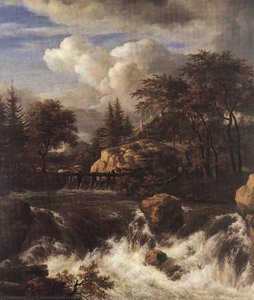
- Wasserfälle in einer felsigen und bergigen Landschaft, die seine meisterhafte Lichtführung und Komposition demonstrieren.
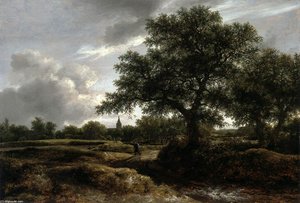
- Ansichten von Haarlem mit Bleichgründen, die seine Fähigkeit zur Erfassung der Essenz der niederländischen Landschaft veranschaulichen.
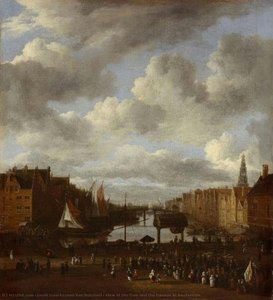
- Ansichten von Dam und Damrak in Amsterdam, die seine Fähigkeiten im Stadtlandschaftsbildnerhand hervorheben.
museums and collections
Ruisdaels Werke befinden sich heute in bedeutenden Museen und privaten Sammlungen auf der ganzen Welt. Zu den wichtigsten Ansammlungen gehören:
- Die Nationalgalerie in London
- Das Rijksmuseum in Amsterdam
- Das Hermitage Museum in St. Petersburg
influence and legacy
Ruisdaels Einfluss auf die Traditionen der Landschaftsmalerei ist immens. Er prägte die englische Romantik, die Barbizon-Schule in Frankreich und die Hudson River School in den USA. Seine Werke dienten als Inspiration für zahlreiche nachfolgende niederländische Landschaftsgestalter. Seine Fähigkeit, Dramatik und Atmosphäre in seine Landschaften zu bringen, hat Generationen von Künstlern beeinflusst.
Bekannte Werke:
- Ansichten von Haarlem mit Bleichgründen
- Wasserfälle in einer felsigen und bergigen Landschaft
- Ansichten von Dam und Damrak in Amsterdam
artist's profile on ArtsDot
Jacob Isaackszoon van Ruisdael – ein Meister der niederländischen Landschaftsmalerei. Entdecken Sie seine beeindruckende Sammlung von Gemälden, darunter dramatische Landschaften, ruhige Dörfer und atemberaubende Seeweisen. Ein wichtiger Einfluss auf die Kunstgeschichte.
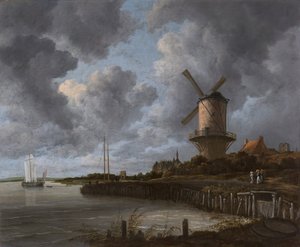
Jacob van Ruisdael
1628 - 1682 , Niederlande
Kurzinfos
- Artistic Movement Or Style: Niederländische Barockzeit
- Artists Or Movements Influenced By This Artist:
- Englische Romantik
- Barbizon Schule
- Artists Who Influenced This Artist: ['Hendrik Vroom']
- Date Of Birth: c. 1628/29, Haarlem
- Date Of Death: 1682, Amsterdam
- Full Name: Jacob Isaackszoon van Ruisdael
- Nationality: Niederländer
- Notable Artworks:
- Ansicht von Haarlem
- Wasserfalllandschaft
- Ansicht der Dam und Damrak
- Place Of Birth: Haarlem, Niederlande
Ähnliche Artikel

Die 10 Meisterwerke des Goldenen Zeitalters der niederländischen Malerei |
Entdecken Sie die 10 Meisterwerke des Niederländischen Goldenen Zeitalters! Von Rembrandt bis Vermeer – erleben Sie Kunstgeschichte, Techniken & Emotionen. Hochwertige Gemäldereproduktionen für Ihr Zuhause auf .
Golden Light & Dutch Skies: Bringing the Magic of Dutch Golden Age Landscapes into Your Home
Transform your home with the breathtaking light of Dutch Golden Age landscapes. Discover how hand-painted oil reproductions of masterworks like Ruisdael and Vermeer bring timeless elegance, atmosphere, and soulful texture to modern interiors. Elevate your space with museum-quality art.
Charles Leickert: Capturing the Dutch Golden Age Light – A Comprehensive Study of Technique, Context, and Legacy
Explore the captivating winter landscapes of Charles Leickert, a master of Dutch Golden Age light & atmosphere. Discover his techniques, symbolism, and lasting legacy – a comprehensive study for art enthusiasts and collectors.
Nicolaes Berchem und das Goldene Zeitalter: Pastoralismus, Idealisierung & Künstlerische Innovation
Entdecken Sie die faszinierende Welt von Nicolaes Berchem und das Goldene Zeitalter der niederländischen Landschaftsmalerei. Expertenanalyse, Hintergrundinformationen & künstlerische Innovationen.

Golden Age Reflections: Dutch Baroque Painting & Cultural Innovation
Explore the Dutch Golden Age of painting! Discover key artists like Vermeer & ter Borch, their innovative techniques, and the rich cultural context behind these Baroque masterpieces. Learn about collecting & appreciating this iconic art period.