

 Vorschau anzeigen
 Versenden
 Teilen
 Details anzeigen

 Herunterladen
 Ähnliche Objekte
 Röntgenaufnahme
 Diashow
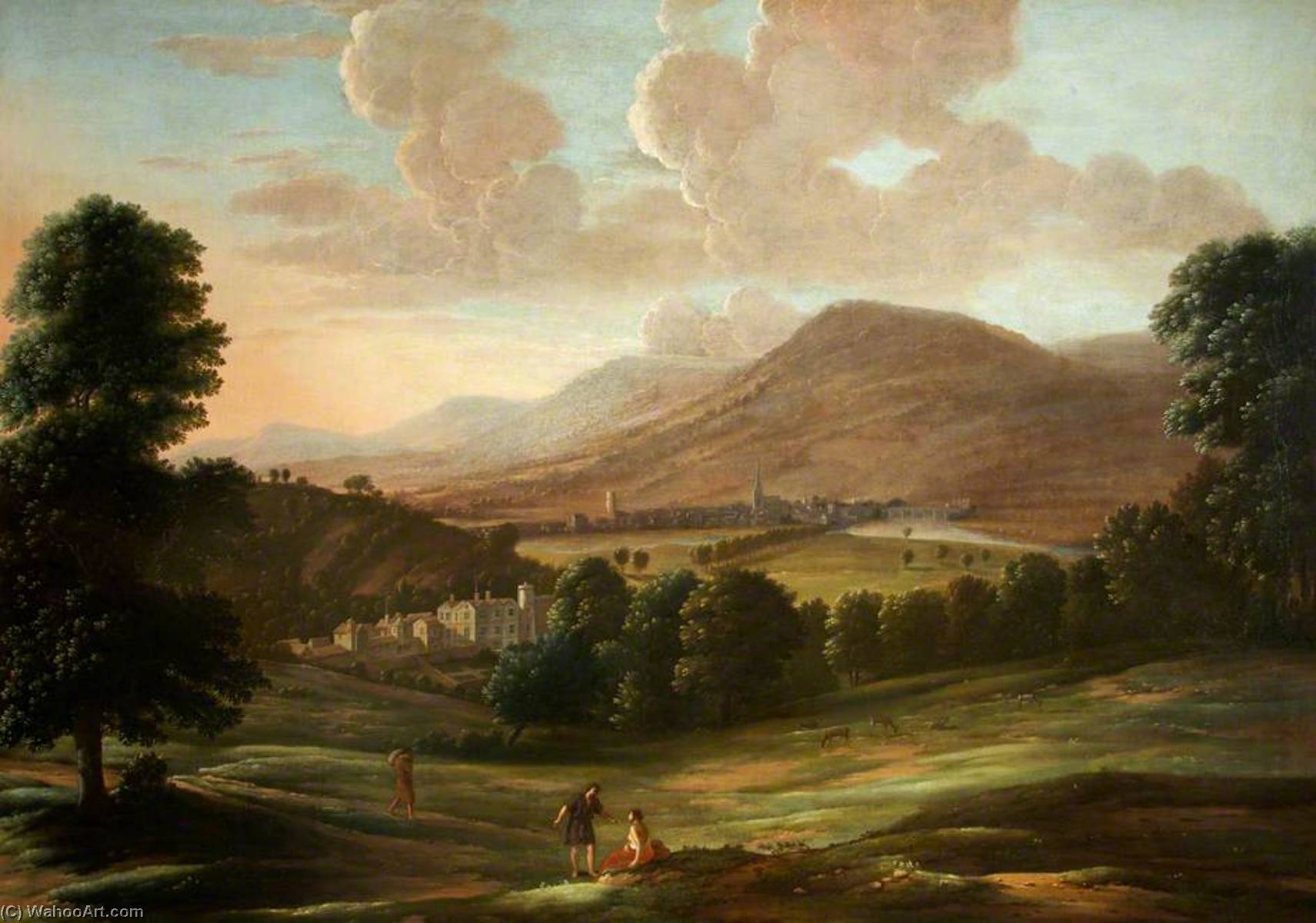
A Panorama of Monmouth with Troy House, c.1672
 Dutch Golden Age
 1672
1672 127.0 x 182.0 cm
 Weiterlesen
Giclée / Kunstdruck
Giclée- oder Leinwanddruck in Museumsqualität mit schneller Produktion und flexiblen Veredelungsoptionen. ( Handgemalte Reproduktion bestellen Bild kaufen)




































Wählen Sie aus unseren vordefinierten Formaten, die den ursprünglichen Proportionen des Kunstwerks entsprechen.

Sie können Ihre eigenen Maße eingeben, um ein bestimmtes Format oder einen speziellen Platz einzupassen. Wenn das von Ihnen gewählte Format nicht den Proportionen des Originalbildes entspricht, werden wir das Kunstwerk entweder beschneiden oder das Bild mit einem gespiegelten oder einfarbigen Rand erweitern. Ein digitaler Entwurf wird Ihnen zur Genehmigung zugesandt, bevor die Produktion beginnt.
Bitte beachten Sie, dass die Vorschau auf dem Bildschirm nicht den tatsächlichen Zuschnitt oder die Erweiterung widerspiegelt. Nur der Entwurf zeigt die endgültige Komposition präzise an.
Obwohl Sondermaße verfügbar sind, empfehlen wir die Auswahl eines Maßes aus der vordefinierten Liste, um die ursprünglichen Proportionen zu bewahren.
Weltweiter Versand () innerhalb von 2 Wochen statt der üblichen 4/5 Wochen. (29 August)

Kostenloser weltweiter Expressversand

Hochwertige Leinenleinwand

Umfassender Versicherungsschutz beim Versand

Zollgebühren-Rückerstattungsgarantie

Garantie für exakte Farbtreue

60 Tage Rückgaberecht (nur bei Mängeln)

100% Geld-zurück-Garantie

Mengenrabatt verfügbar
 Die Glasoption ist nur für Größen unter 110 cm verfügbar.

A Panorama of Monmouth with Troy House, c.1672
Giclée / Kunstdruck
Format der Reproduktion
-


Gesamtpreis
$ 62
Composition and Style
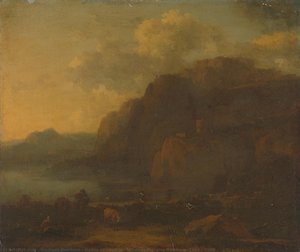
The painting features a stunning mountain range in the background, with clouds hovering above it, creating a sense of depth and atmosphere. In the foreground, two figures are seen standing near each other, possibly taking in the view or resting from their journey. The inclusion of trees and a horse adds to the natural beauty of the scene, creating a sense of adventure and exploration. Key Elements of the painting include the use of light and shadow, which creates a sense of dimensionality, and the artist's ability to capture the subtleties of the natural world. The Museum Garden of the Château in Versailles, France, is home to many similar works of art, including those by Paul Delvaux and Thomas Cole, which can be found on ArtsDot.com.Artist and Influences
Hendrick Danckerts was a Dutch painter known for his landscapes and cityscapes. His work was influenced by the Dutch Golden Age, a period of significant cultural and artistic growth in the Netherlands. Other notable artists from this era include Isaak Ilyich Levitan, whose works can be found on ArtsDot.com.- View more paintings by Hendrick Danckerts on ArtsDot.com
- Explore the works of other artists, such as Silvia Rubinson, on ArtsDot.com
The A Panorama of Monmouth with Troy House is a remarkable example of Hendrick Danckerts' skill as a landscape painter. With its stunning composition and attention to detail, this painting is a must-see for art lovers and historians alike. Visit ArtsDot.com to learn more about this and other works of art.
Ähnliche Kunstwerke
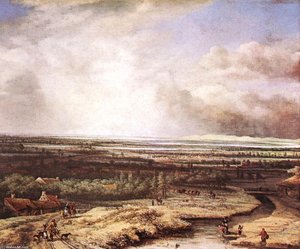
Über den Künstler
The Master of Two Anchors: The Life and Legacy of Hendrick Danckerts
In the golden light of the seventeenth century, a period defined by both unparalleled artistic flourishing and profound political upheaval, Hendrick Danckerts emerged as a painter capable of bridging the gap between Dutch precision and English grandeur. Born in The Hague around 1625, Danckerts was a product of the Dutch Golden Age, an era that demanded a meticulous eye for detail and a deep reverence for the natural world. Known affectionately by some as the Master with Two Anchors, his life was a journey of movement—from the industrious streets of the Netherlands to the sun-drenched landscapes of Italy, and finally to the royal courts of London. This trajectory allowed him to synthesize the topographical accuracy of his homeland with the sweeping, atmospheric romanticism of the Mediterranean, creating a style that was uniquely his own.
His formative years in The Hague provided him with a rigorous foundation in classical principles and the burgeoning influence of veduta—the art of panoramic cityscape views. However, it was his transformative voyage to Italy between 1653 and 1658 that truly ignited his creative spirit. Immersed in the works of Venetian masters such as Titian and the luminous landscapes of Claude Lorrain, Danck erts began to look beyond mere documentation. He sought to capture the emotional resonance of a scene, infusing his landscapes with a sense of the sublime. This period of exploration taught him how to manipulate light and shadow to evoke spiritual contemplation, a technique that would later define his most celebrated works in England.
Royal Patronage and the English Landscape
Upon settling in England, Danckerts found himself at the heart of a shifting political landscape, eventually entering the service of Charles II and the Duke of York. This period of royal patronage elevated his status from a skilled painter to an essential chronicler of the English realm. His work became a visual testament to the stability and magnificence of the Restoration era. Through his brush, the English countryside was transformed into a stage for architectural splendor and historical importance. He possessed a rare ability to render grand estates and bustling harbors with equal parts intimacy and majesty.
His achievements during this time are marked by several monumental compositions that serve as windows into the seventeenth century:
- A Panorama of Monmouth (c. 1672): A breathtaking depiction of Monmouth Castle, where his mastery of depth and atmosphere allows the viewer to feel the weight of history within the landscape.
- Whitehall from St James's Park (1675): An expansive oil on canvas that captures the vibrant energy of a bustling London, showcasing his skill in depicting both grand architecture and the small, everyday movements of city life.
- A View of Falmouth Harbour (c. 1678): A serene coastal masterpiece that highlights his ability to blend maritime activity with the tranquil beauty of the natural coastline.
- Figures in a Classical Garden (1675): An exquisite example of his ability to integrate elegant human figures into lush, meticulously detailed greenery, reflecting the era's fascination with classical ideals.
A Lasting Impression on Art History
The significance of Hendrick Danckerts lies not only in his technical proficiency but in his role as a cultural bridge. He brought the sophisticated techniques of the Dutch and Italian traditions to an English audience, helping to shape the aesthetic preferences of the British monarchy and aristocracy. His paintings were more than mere decorations; they were instruments of prestige, documenting the landscape and the architectural triumphs of a nation rebuilding itself after years of conflict.
Though he passed away in 1680, leaving behind a legacy etched in oil and copper, his influence persists. Danckerts remains a pivotal figure for anyone studying the evolution of landscape painting. He moved the genre away from simple topographical recording toward a more emotive, atmospheric, and narrative form of art. Today, his works continue to captivate, offering a profound sense of nostalgia and a window into a world where the grandeur of nature and the ambitions of humanity were captured in perfect, enduring harmony.
hendrick danckerts
1625 - 1680
Kurzinfos
- Artistic Movement Or Style: Golden Age Landscape Painting
- Artists Or Movements Influenced By This Artist: ['Classical Garden Art']
- Artists Who Influenced This Artist: ['Italian Old Masters']
- Date Of Death: 1680
- Full Name: Hendrick Danckerts
- Nationality: Dutch
- Notable Artworks:
- Whitehall from St James's Park
- View of Plymouth
- Place Of Birth: The Hague, Netherlands
Ähnliche Artikel
Jan van Goyen: Meister der niederländischen Landschaft und atmosphärische Perspektive
Entdecken Sie Jan van Goyens Meisterwerke der niederländischen Landschaftsmalerei! Analysieren Sie Realismus, atmosphärische Perspektive und seinen Einfluss auf die Kunstgeschichte. Expertenwissen & detaillierte Einblicke.
Golden Light & Dutch Skies: Bringing the Magic of Dutch Golden Age Landscapes into Your Home
Transform your home with the breathtaking light of Dutch Golden Age landscapes. Discover how hand-painted oil reproductions of masterworks like Ruisdael and Vermeer bring timeless elegance, atmosphere, and soulful texture to modern interiors. Elevate your space with museum-quality art.
Jacob van Ruisdael: Meister der niederländischen Landschaft und die Evokation nationaler Identität
Entdecken Sie Jacob van Ruisdaels Meisterwerke der niederländischen Landschaftsmalerei! Erfahren Sie mehr über sein Leben, Werk und den Einfluss auf die Kunst des Goldenen Zeitalters. Expertenwissen & Sammlungsübersicht.
Nicolaes Berchem und das Goldene Zeitalter: Pastoralismus, Idealisierung & Künstlerische Innovation
Entdecken Sie die faszinierende Welt von Nicolaes Berchem und das Goldene Zeitalter der niederländischen Landschaftsmalerei. Expertenanalyse, Hintergrundinformationen & künstlerische Innovationen.
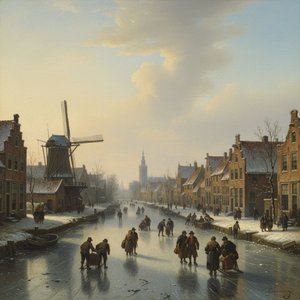
Charles Leickert: Capturing the Dutch Golden Age Light – A Comprehensive Study of Technique, Context, and Legacy
Explore the captivating winter landscapes of Charles Leickert, a master of Dutch Golden Age light & atmosphere. Discover his techniques, symbolism, and lasting legacy – a comprehensive study for art enthusiasts and collectors.

