 Vorschau anzeigen
 Versenden
 Teilen
 Details anzeigen

 Herunterladen
 Ähnliche Objekte
 Röntgenaufnahme
 Diashow
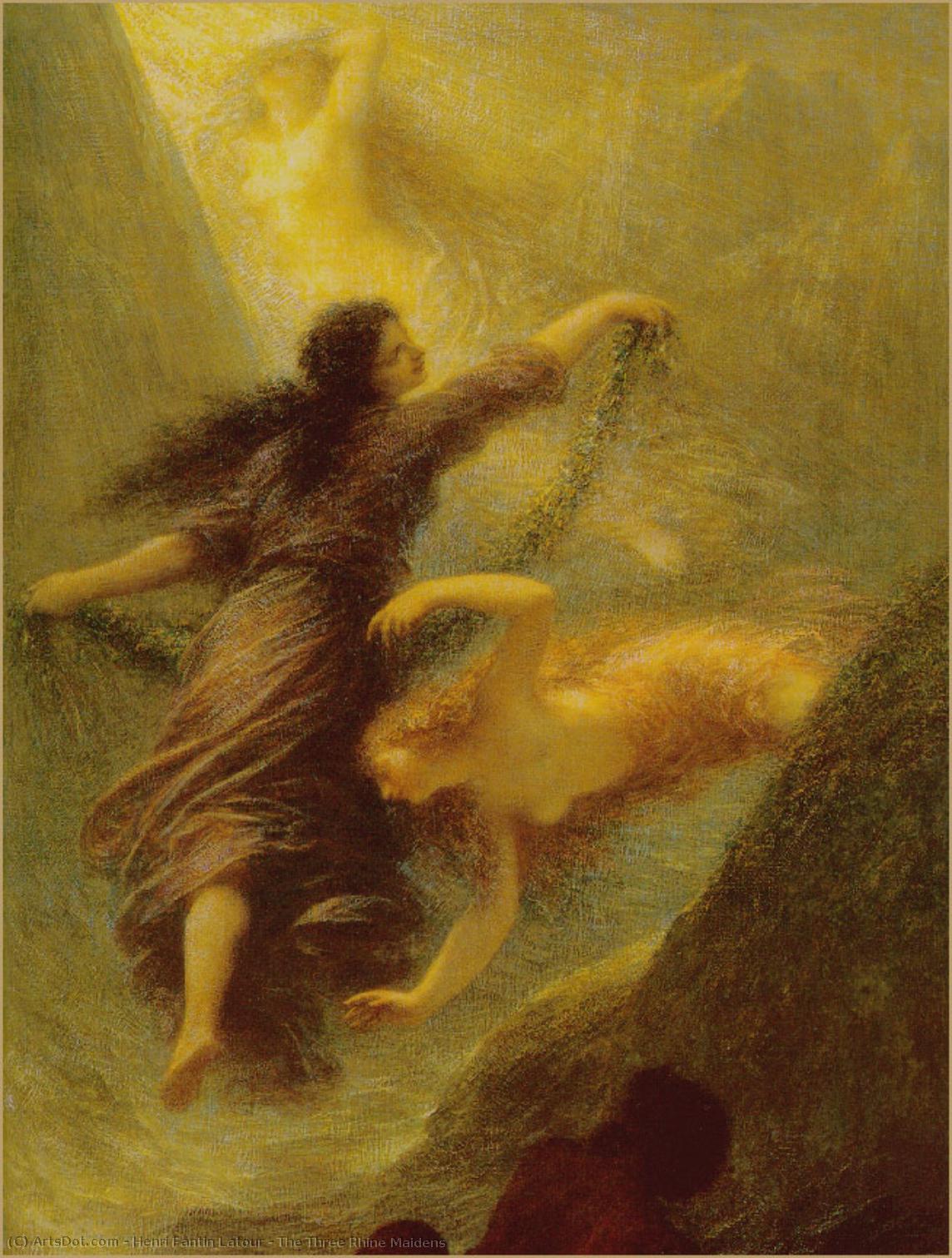
The Three Rhine Maidens
 Acrylic On Canvas
- WallArt
- Symbolism
 1876
1876- 19th Century
 53.0 x 36.0 cm
 Musée d'Orsay
 Weiterlesen
Handgefertigte Ölreproduktion
Handgemaltes Ölgemälde auf Leinwand in Ihrer Wunschgröße und mit Rahmen, auf Bestellung von unseren Künstlern angefertigt. ( Druck bestellen Bild kaufen)




P118B $10

P118H $10

P118W $10

P438Z $10

P508JH $12

P508YH $12

P805H $10

P805Z $10

P919BZ $10

P919G $10

P919XJ $10

P959ZH $10

P968JZ $12

W106C $8

W218G $10

W218JH $8

W218Y $10

W307PJ $10

W316G $10

W316PJ $8

W316Y $10

W398PJ $8

W4111J $10

W500HY $15

W500JH $15

W692G $12

W849H $8

W940BG $15

W953PJ $8




Wählen Sie aus unseren vordefinierten Formaten, die den ursprünglichen Proportionen des Kunstwerks entsprechen.

Sie können Ihre eigenen Maße eingeben, um einen bestimmten Rahmen oder Platz auszufüllen. Wenn die gewählte Größe nicht den Proportionen des Originalbildes entspricht, werden wir das Kunstwerk entweder beschneiden oder das Gemälde durch zusätzliche, handgemalte Elemente erweitern. Ein digitales Mockup wird Ihnen zur Genehmigung zugesandt, bevor die Produktion beginnt.
Bitte beachten Sie, dass die Bildschirmvorschau nicht die tatsächliche Beschneidung oder Erweiterung widerspiegelt. Nur das Mockup zeigt die endgültige Komposition exakt an.
Obwohl Sondermaße verfügbar sind, empfehlen wir, eine Größe aus der vordefinierten Liste zu wählen, um die ursprünglichen Proportionen beizubehalten.
Nach der Bestellung wird das ArtsDot.com-Team dem Kunden Anweisungen per E-Mail zusenden und eine Mockup-Vorschau bereitstellen.
Weltweiter Versand () in nur 3 bis 4 Wochen statt der üblichen 5 Wochen. (24 August). Keine Kompromisse bei der Qualität.

Kostenloser weltweiter Expressversand

Hochwertige Leinenleinwand

Umfassender Versicherungsschutz beim Versand

Zollgebühren-Rückerstattungsgarantie

Garantie für exakte Farbtreue

60 Tage Rückgaberecht (nur bei Mängeln)

100% Geld-zurück-Garantie

Mengenrabatt verfügbar
 Die Glasoption ist nur für Größen unter 110 cm verfügbar.

The Three Rhine Maidens
Art der Reproduktion
Format der Reproduktion
-


Gesamtpreis
$ 263
Beschreibung des Kunstwerks
A Serene Reflection on Mythic Beauty: Henri Fantin-Latour’s “The Three Rhine Maidens”
Henri Fantin-Latour's "The Three Rhine Maidens," completed in 1876, stands as a testament to the Symbolist movement’s fascination with ethereal landscapes and evocative storytelling. More than just a depiction of three women bathing in the Rhine River—a location steeped in Germanic folklore—the painting delves into deeper themes of femininity, contemplation, and the harmonious union between humanity and nature. Fantin-Latour skillfully captures this essence through his masterful use of charcoal, creating an image that radiates tranquility and invites viewers to lose themselves in its subtle beauty.The Artist’s Vision: Horace Lecoq de Boisbaudran's Influence
Fantin-Latour’s artistic journey began under the tutelage of Horace Lecoq de Boisbaudran at the École des Beaux-Arts, a pivotal moment that fundamentally shaped his approach to painting. Unlike the prevailing academic tradition focused on meticulous realism, Boisbaudran championed drawing from memory—a technique prioritizing observation and emotional response over slavish copying. This method instilled in Fantin-Latour an unwavering commitment to capturing not merely what he saw but also how he felt when encountering a subject, a cornerstone of his distinctive artistic style. He diligently studied the works of Old Masters at the Louvre, absorbing their compositional strategies and mastering techniques that would inform his own groundbreaking explorations.Technique and Material: Charcoal’s Delicate Dance
Fantin-Latour's choice of charcoal as his medium speaks volumes about his intention to convey a sense of understated grandeur. The artist meticulously builds up layers of graphite powder, achieving remarkable tonal gradations—from the deepest shadows to luminous highlights—that imbue the scene with an almost palpable atmosphere. This technique allows for nuanced rendering of textures and contours, capturing the fluidity of water and the soft folds of fabric with breathtaking precision. Furthermore, Fantin-Latour’s careful blending ensures that the charcoal marks merge seamlessly into one another, creating a unified surface that exudes warmth and luminosity.Symbolism Within Landscape: The Rhine River's Mythic Resonance
The Rhine River itself holds profound symbolic significance within Germanic mythology—representing purity, fertility, and the passage of time. Fantin-Latour subtly incorporates this mythological element into his composition, elevating “The Three Rhine Maidens” beyond a simple pastoral tableau. The women’s postures convey an air of serene contemplation, suggesting that they are not merely enjoying the pleasures of bathing but engaging in a deeper communion with the natural world. Their intertwined arms symbolize unity and connection—a visual metaphor for the harmonious relationship between femininity and the rhythms of life itself.Emotional Impact: Tranquility Captured on Canvas
Ultimately, Fantin-Latour’s “The Three Rhine Maidens” succeeds in transporting viewers to a realm of profound peace and beauty. The muted palette—dominated by shades of grey and ochre—contributes to this effect, fostering an atmosphere of stillness and introspection. More than just aesthetically pleasing, the painting evokes feelings of nostalgia for unspoiled landscapes and celebrates the enduring allure of timeless themes—such as femininity, contemplation, and the sublime power of nature. It remains a captivating example of Symbolist art’s ability to communicate complex emotions through deceptively simple visual elements.Ähnliche Kunstwerke
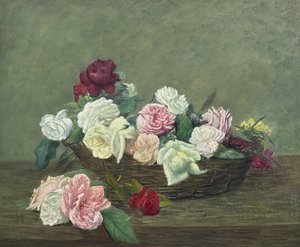
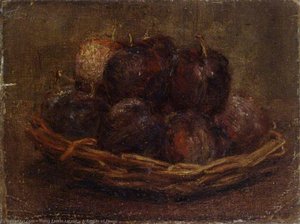
Über den Künstler
Frühes Leben und Ausbildung
Henri Fantin-Latour, ein renommierter französischer Maler und Lithograph, wurde am 14. Januar 1836 in Grenoble, Isère geboren. Als junger Mann erhielt er Zeichenunterricht von seinem Vater, der ebenfalls Künstler war. Im Jahr 1850 trat er in die École de Dessin ein, wo er bei Lecocq de Boisbaudran studierte.Künstlerische Karriere
Nach dem Studium an der École des Beaux-Arts in Paris ab 1854 widmete sich Fantin-Latour viel Zeit dem Kopieren der Werke alter Meister im Musée du Louvre. Obwohl er befreundet war mit mehreren jungen Künstlern, die später mit dem Impressionismus in Verbindung gebracht wurden, darunter Whistler und Manet, blieb Fantins eigener Stil konservativ.Wichtige Werke und Ausstellungen
- Stillleben, Primeln, Birnen und Promenaden, 1873
- Vase mit Rosen, 1875
- La Lecture (Das Lesen), 1877, Musée des Beaux-Arts de Lyon
- Porträt von Charlotte Dubourg, 1882, Paris, Musée d'Orsay
Vermächtnis und Späteres Leben
Im Jahr 1875 heiratete Henri Fantin-Latour die ebenfalls malende Victoria Dubourg. Er verbrachte seine Sommer auf dem Landgut seiner Schwiegerfamilie in Buré, Orne in der Normandie. Dort starb er am 25. August 1904 und wurde im Cimetière du Montparnasse in Paris beigesetzt.Symbolismus und Realismus in der Kunst von Henri Fantin-Latour
Fantin-Lateurs Werk, das durch seinen konservativen Stil gekennzeichnet ist, spiegelt die einzigartige Mischung des Künstlers aus symbolistischen und realistischen Einflüssen wider. Seine Stilllebenmalereien, wie zum Beispiel Stillleben mit Blumen und Früchten, 1865, zeugen von seiner Meisterschaft in Farbe und Komposition. Als bedeutende Figur im Übergang vom Realismus zum Impressionismus inspiriert Fantin-Lateurs Vermächtnis weiterhin Künstler und Kunstliebhaber gleichermaßen.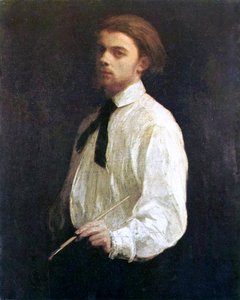
Henri Fantin-Latour
1836 - 1904 , Frankreich
Kurzinfos
- Bemerkenswerte Kunstwerke:
- Stillleben mit Primeln und Birnen
- Vase mit Rosen
- La Lecture
- Porträt von Charlotte Dubourg
- Geburtsdatum: 14. Januar 1836
- Geburtsort (Stadt, Land): Grenoble, Frankreich
- Künstler Oder Bewegungen, Die Von Diesem Künstler Beeinflusst Wurden: ['Impressionismus']
- Künstler, Die Diesen Künstler Beeinflussten: ['Old Masters (Musée du Louvre)']
- Künstlerische Bewegung Oder Stil: Realismus, Symbolismus
- Nationalität: Französisch
- Sterbedatum: 25. August 1904
- Vollständiger Name: Henri Fantin-Latour
Ähnliche Artikel

Giclée Prints: Archival Quality & Aesthetic Nuances for the Discerning Collector
Explore the world of giclée prints with ArtsDot. Learn about archival quality, aesthetic nuances & investment potential. Expert guidance for discerning art collectors seeking museum-quality reproductions and lasting value.
Henri Fantin-Latour: Poetische Realität zwischen Stillleben und der Pariser Avantgarde
Entdecken Sie Henri Fantin-Latours poetische Realität! Analysieren Sie seine Stillleben, Porträts und die Verbindung zur Pariser Bohème. Expertenwissen & Hintergrundinformationen auf ArtsDot.

The Enduring Legacy of Fine Art Prints: Technique, History & Aesthetic Impact
Explore the rich history & techniques of fine art prints. Discover investment potential, assess authenticity, and learn how to preserve your collection with expert guidance. Trusted insights for discerning collectors.

Echoes of Time: Exploring the Enduring Appeal & Historical Context of Vintage Art Prints
Explore the captivating world of vintage art prints! Discover their history, collecting tips & enduring appeal. Expert insights on chromolithography and building a legacy collection with ArtsDot.
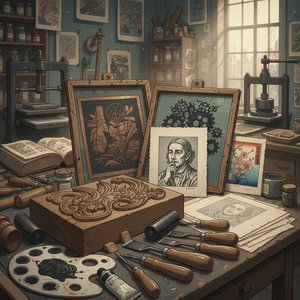
The Enduring Legacy of Printmaking: Techniques, Themes & Artistic Innovation Across Centuries
Explore the rich history of printmaking with ArtsDot. Discover techniques from intaglio to lithography, learn about collecting valuable prints & find museum-quality reproductions. Expert insights for art enthusiasts and collectors.