

 Vorschau anzeigen
 Versenden
 Teilen
 Details anzeigen

 Herunterladen
 Ähnliche Objekte
 Röntgenaufnahme
 Diashow
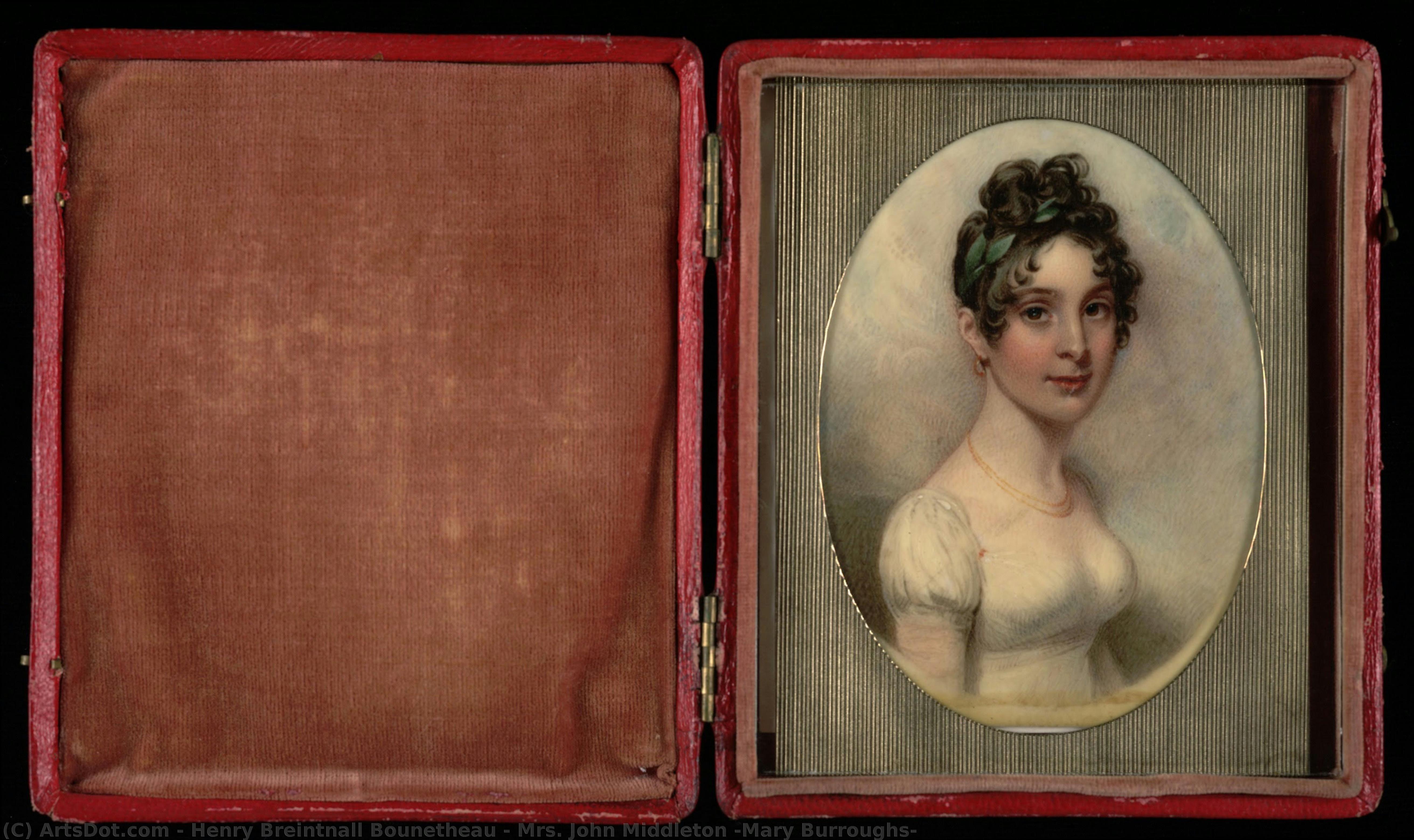
Mrs. John Middleton (Mary Burroughs)


 Weiterlesen
Handgefertigte Ölreproduktion
Handgemaltes Ölgemälde auf Leinwand in Ihrer Wunschgröße und mit Rahmen, auf Bestellung von unseren Künstlern angefertigt. ( Druck bestellen Bild kaufen)




P118B $10

P118H $10

P118W $10

P438Z $10

P508JH $12

P508YH $12

P805H $10

P805Z $10

P919BZ $10

P919G $10

P919XJ $10

P959ZH $10

P968JZ $12

W106C $8

W218G $10

W218JH $8

W218Y $10

W307PJ $10

W316G $10

W316PJ $8

W316Y $10

W398PJ $8

W4111J $10

W500HY $15

W500JH $15

W692G $12

W849H $8

W940BG $15

W953PJ $8




Wählen Sie aus unseren vordefinierten Formaten, die den ursprünglichen Proportionen des Kunstwerks entsprechen.

Sie können Ihre eigenen Maße eingeben, um einen bestimmten Rahmen oder Platz auszufüllen. Wenn die gewählte Größe nicht den Proportionen des Originalbildes entspricht, werden wir das Kunstwerk entweder beschneiden oder das Gemälde durch zusätzliche, handgemalte Elemente erweitern. Ein digitales Mockup wird Ihnen zur Genehmigung zugesandt, bevor die Produktion beginnt.
Bitte beachten Sie, dass die Bildschirmvorschau nicht die tatsächliche Beschneidung oder Erweiterung widerspiegelt. Nur das Mockup zeigt die endgültige Komposition exakt an.
Obwohl Sondermaße verfügbar sind, empfehlen wir, eine Größe aus der vordefinierten Liste zu wählen, um die ursprünglichen Proportionen beizubehalten.
Nach der Bestellung wird das ArtsDot.com-Team dem Kunden Anweisungen per E-Mail zusenden und eine Mockup-Vorschau bereitstellen.
Weltweiter Versand () in nur 3 bis 4 Wochen statt der üblichen 5 Wochen. (21 August). Keine Kompromisse bei der Qualität.

Kostenloser weltweiter Expressversand

Hochwertige Leinenleinwand

Umfassender Versicherungsschutz beim Versand

Zollgebühren-Rückerstattungsgarantie

Garantie für exakte Farbtreue

60 Tage Rückgaberecht (nur bei Mängeln)

100% Geld-zurück-Garantie

Mengenrabatt verfügbar
 Die Glasoption ist nur für Größen unter 110 cm verfügbar.

Mrs. John Middleton (Mary Burroughs)
Art der Reproduktion
Format der Reproduktion
-


Gesamtpreis
$ 263
Beschreibung des Kunstwerks
A Glimpse into Victorian Grace
In the delicate, intimate world of nineteenth-century portraiture, few works capture the quiet elegance of a bygone era as tenderly as Henry Breintnall Bounetheau’s Mrs. John Middleton (Mary Burroughs). Created in 1840, this exquisite watercolor serves as more than just a likeness; it is a window into the refined domesticity and social poise of the Victorian period. The subject, Mary Burroughs, is presented with a soft, luminous presence that seems to transcend the small scale of the work. Dressed in a pristine white gown that reflects the light with a gentle glow, she is framed by the subtle adornment of a green headband, a touch of color that draws the eye toward her thoughtful expression. The artist’s ability to render such fine detail within a mere 9 x 7 cm space is nothing short of masterful, inviting the viewer to lean in and discover the nuances of her character.
The technique employed by Bounetheau reveals a profound command over the watercolor medium. Rather than relying on heavy pigments, he utilizes translucent washes to build depth and texture, allowing the paper to breathe beneath the pigment. This creates a sense of ethereal lightness, particularly in the folds of her white dress and the soft contours of her brunette hair. The brushwork is precise yet fluid, capturing the delicate interplay of shadow and light that gives the figure a three-dimensional quality. For collectors and lovers of fine art, this piece exemplifies the technical virtuosity required to evoke such lifelike warmth through a medium known for its subtlety and ephemeral beauty.
The Soul of the Portrait
Beyond the technical execution, Mrs. John Middleton resonates with an emotional depth that speaks to the universal human desire for connection and remembrance. Bounetheau, a painter celebrated for his ability to convey familial bonds and emotional nuance, imbues this portrait with a sense of quiet introspection. There is a certain stillness in Mary Burroughs’ gaze—a moment of repose captured in time that feels both personal and timeless. This emotional resonance makes the piece an extraordinary choice for interior designers looking to introduce a sense of history, tranquility, and sophisticated charm into a curated space.
As a historical artifact housed within the prestigious Smithsonian American Art Museum, this work carries the weight of heritage. It stands as a testament to the mid-nineteenth century's fascination with portraiture as a means of preserving identity and social standing. For those seeking to adorn their homes with high-quality reproductions, this artwork offers an opportunity to possess a fragment of history. Whether placed in a sunlit reading nook or as part of a larger gallery wall, a reproduction of this watercolor brings with it an aura of classical refinement and a whispered story of grace, elegance, and the enduring beauty of the human spirit.
Ähnliche Kunstwerke
Über den Künstler
Henry Breintnall Bounetheau: A Painter of Emotion and Domestic Life
Henry Breintall Bounetheau (1797-1877) stands as a quietly influential figure in Victorian portraiture, celebrated for his ability to capture the essence of familial bonds and convey profound emotional depth within meticulously rendered canvases. Born into a wealthy Lincolnshire family, Bounetheau’s artistic inclinations blossomed early, nurtured by a father who recognized and encouraged his talent—a rare occurrence during an era often prioritizing practical pursuits over creative endeavors. This formative influence instilled in him a lifelong dedication to portraying the human condition with sensitivity and nuance.- Early Life & Education: Bounetheau’s formal artistic training began at Eton College, where he honed his skills alongside fellow pupils destined for prominent positions within British society. However, unlike many of his peers who pursued careers in law or politics, Bounetheau chose to dedicate himself entirely to painting, embarking on a journey that would solidify his reputation as one of the era’s most discerning observers of human character.
- Parisian Influences & Artistic Development: Recognizing the importance of exposure to continental artistic trends, Bounetheau traveled extensively throughout Europe during his formative years, immersing himself in the vibrant atmosphere of Paris. This period proved pivotal in shaping his aesthetic sensibilities, particularly his fascination with Romanticism—a movement characterized by its emphasis on emotion, imagination, and dramatic landscapes. Artists like Eugène Delacroix and Théodore Rousseau served as enduring inspirations, informing Bounetheau’s compositional choices and palette.
Notable Works & Artistic Style
Bounetheau's artistic style is distinguished by its remarkable realism combined with an expressive handling of color and light—a technique that distinguishes him from many of his contemporaries. He possessed a meticulous attention to detail, painstakingly recreating textures and surfaces with astonishing accuracy, yet simultaneously imbued his paintings with palpable emotion. This duality reflects Bounetheau’s belief that art should strive not merely to depict the outward appearance of subjects but also to convey their inner psychological state.- ‘King Lear in the Storm’: Perhaps his most celebrated masterpiece, ‘King Lear in the Storm,’ exemplifies Bounetheau's mastery of atmospheric perspective and dramatic composition. The painting captures a moment of intense emotional turmoil—Lear confronting the ravaged landscape mirroring his own internal struggles—with breathtaking realism and evocative color harmonies. Critics lauded its ability to convey the profound psychological impact of Shakespeare’s iconic drama.
- Portraits of Family & Friends: Beyond grand narratives, Bounetheau excelled at portraying intimate familial scenes and portraits of close acquaintances. His depictions of his wife, Julia Clarkson Du Pré, and their children are particularly noteworthy for their warmth and tenderness—capturing not only physical likeness but also the subtle expressions of affection and connection that define human relationships.
Legacy & Historical Significance
Henry Breintall Bounetheau’s contribution to Victorian portraiture extends beyond mere technical proficiency; he championed a humanist approach—one rooted in empathy and an unwavering commitment to portraying the complexities of human experience. Unlike many artists preoccupied with grand historical themes or idealized representations of beauty, Bounetheau focused on capturing the everyday realities of domestic life and familial bonds—a deliberate choice that resonated deeply with Victorian sensibilities. His paintings continue to be admired for their psychological insight and artistic integrity, securing his place as a significant voice within the broader context of 19th-century art history. He helped establish a new standard for portraying human emotion in portraiture, influencing subsequent generations of artists who sought to capture the essence of individual character with similar sensitivity and precision.Further Exploration
For those interested in delving deeper into Bounetheau’s artistic oeuvre, numerous reproductions of his paintings can be found in major museums across Europe and North America—including Tate Britain and The National Portrait Gallery. Examining these works alongside scholarly analyses offers invaluable insight into the artist's stylistic innovations and enduring legacy.
henry breintnall bounetheau
1797 - 1877
Kurzinfos
- Artistic Movement Or Style: Victorian Portraiture
- Artists Who Influenced This Artist:
- John Ruskin
- William Holman Hunt
- Date Of Birth: 1797
- Date Of Death: 1877
- Full Name: Henry Breintnall Bounetheau
- Nationality: British
- Notable Artworks:
- King Lear in the Storm
- Peter Bounetheau
- Place Of Birth: England
Ähnliche Artikel

Die 10 legendärsten Aquarellwerke der Kunstgeschichte – Meisterwerke für Ihr Zuhause
Entdecken Sie die 10 legendärsten Aquarellwerke der Kunstgeschichte! Von Turner bis Monet – erleben Sie die Geschichten, Techniken & Farben dieser Meisterwerke. Finden Sie hochwertige Kunstdrucke auf ArtsDot.com und gestalten Sie Ihr Zuhause mit zeitloser Eleganz.

Weiße Meisterwerke: Die Top 10 berühmtesten Gemälde und ihre zeitlose Eleganz
Entdecken Sie die Top 10 berühmter Gemälde, dominiert von Weiß! Von Malewitsch bis Rothko – erfahren Sie Geschichten hinter ikonischen Kunstwerke und lassen Sie sich für Ihre Wohnraumgestaltung inspirieren. Kunstreproduktionen in Museumsqualiät auf

Ephemeral Visions: Exploring the Artistic Legacy & Contemporary Practice of Watercolor Painting
Explore the captivating world of watercolor painting! Discover its rich history, essential techniques, influential artists & collecting tips. A comprehensive guide for art enthusiasts from ArtsDot.

Flüchtige Visionen: Die Geschichte und emotionale Resonanz der Aquarellmalerei
Entdecken Sie die faszinierende Welt der Aquarellmalerei! Von historischen Ursprüngen bis zu modernen Techniken – wir bieten Expertenwissen, Inspiration und Tipps für Anfänger & Fortgeschrittene.
Verdant Visions: Exploring the Symbolism & Aesthetic Impact of Green in Art History
Explore the rich history & symbolism of green in art! Discover iconic paintings, techniques, and how to bring verdant harmony into your home with ArtsDot's expert guide.

