

 Vorschau anzeigen
 Versenden
 Teilen
 Details anzeigen

 Herunterladen
 Ähnliche Objekte
 Röntgenaufnahme
 Diashow
 Stats
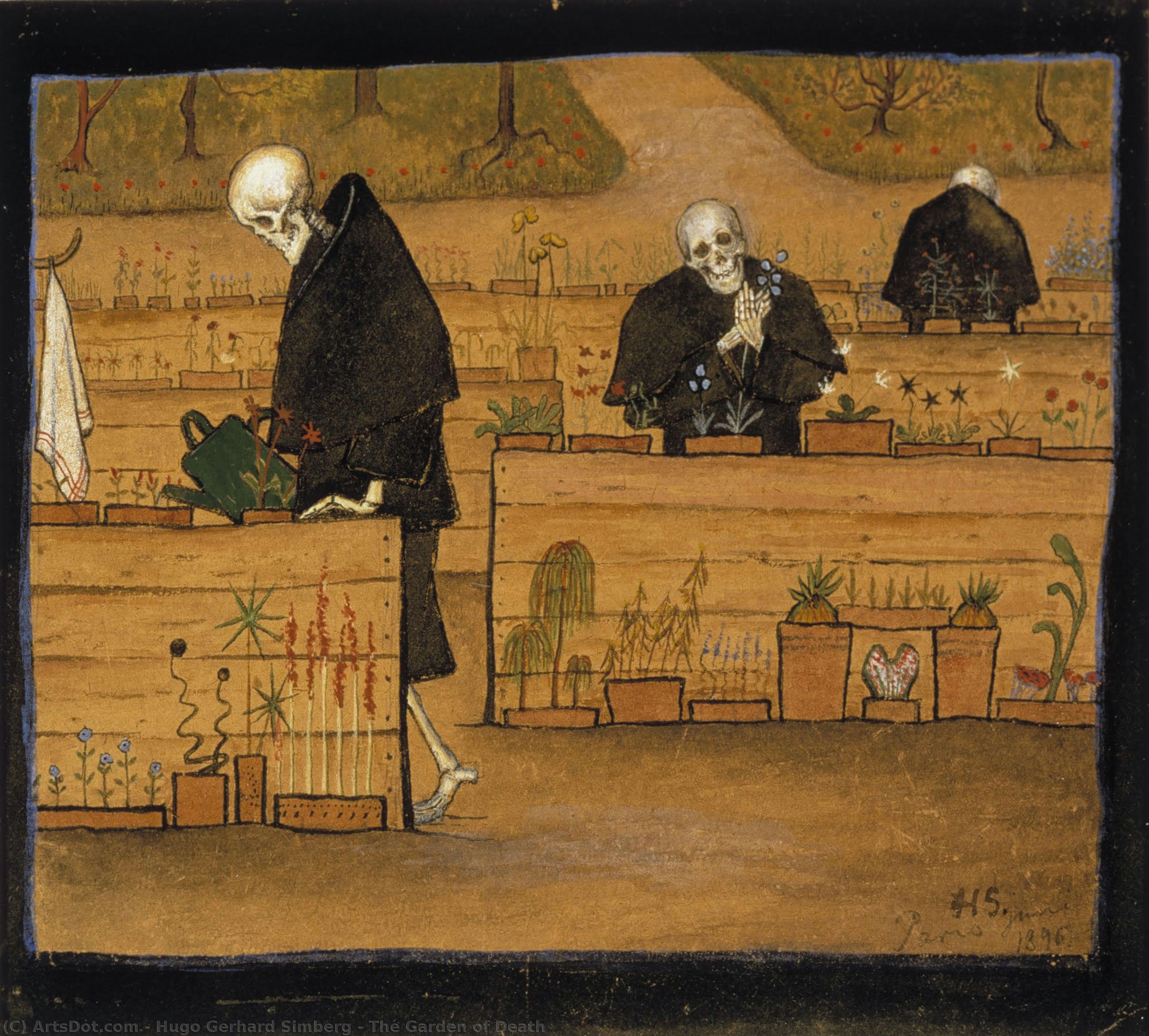
StatsThe Garden of Death
 Painting
- Symbolism
 1896
1896- 19th Century
 17.0 x 16.0 cm
 Ateneum Kunstmuseum
 Weiterlesen
Erwerben Sie ein hochauflösendes, optimiertes digitales Bild, das der Online-Vorschau weit überlegen ist.
Jede Datei wird von unseren hauseigenen Spezialisten mit modernsten Werkzeugen und fachmännischer manueller Retusche sorgfältig vorbereitet. Wir stellen sicher, dass jedes Bild eine außergewöhnliche Klarheit, präzise Farbgenauigkeit und feinste Details aufweist.
Die endgültige Datei wird innerhalb von 72 Stunden per E-Mail zugestellt und ist für den sofortigen Einsatz in professionellen, redaktionellen und Druckumgebungen optimiert. Es handelt sich um dieselbe Qualität, der führende Designstudios, Verlage und Galerien vertrauen.
Digitales Bild
Laden Sie eine hochauflösende Datei für die persönliche Präsentation, den Druck und kreative Projekte herunter. ( Switch to Print Handgemalte Reproduktion bestellen)
In jeder Bestellung digitaler Bilder enthalten
Professionelle digitale Bereitstellung, garantiert
Wenn Sie sich für ArtsDot.com entscheiden, erhalten Sie nicht nur ein Bild – Sie erhalten ein professionell aufbereitetes digitales Kunstwerk, das mit höchster Präzision erstellt und durch eine Zufriedenheitsgarantie abgesichert wird. Hier ist alles, was automatisch mit Ihrer Bestellung geliefert wird:

Schnelle E-Mail-Zustellung
Ihre hochauflösende digitale Bilddatei wird Ihnen innerhalb von 72 Stunden nach der Bestellung per E-Mail zugestellt – bereit zur sofortigen Verwendung.

KI-optimierte digitale Datei
Ihre Kunstwerke werden professionell mithilfe fortschrittlicher KI-Tools und manueller Bearbeitung optimiert, um maximale Detailtreue, Klarheit und Farbgenauigkeit zu gewährleisten.

Lebenslanger kostenloser Neudruckservice
Datei versehentlich gelöscht oder verloren? Keine Sorge – wir senden sie Ihnen jederzeit kostenlos erneut zu.

Keine Einfuhrgebühren – jemals
Genießen Sie Ihr Kunstwerk sofort ohne Zollgebühren, Einfuhrabgaben oder Versandkosten – digitale Downloads sind immer steuerfrei.

Garantierte Farbtreue
Wir garantieren, dass Ihr digitales Bild mithilfe professioneller Werkzeuge und Farbmanagement die Originalfarben so präzise wie möglich wiedergibt.

100-Tage-Zufriedenheitsgarantie
Wenn Sie mit Ihrem digitalen Bild nicht zufrieden sind, werden wir es überarbeiten oder 100% innerhalb von 100 Tagen erstatten – ohne Wenn und Aber.

100% Geld-zurück-Garantie
Nicht zufrieden? Erhalten Sie innerhalb von 100 Tagen nach Erhalt Ihrer digitalen Datei eine vollständige Rückerstattung – ohne Wenn und Aber.

Rabatte bei Großbestellungen
3 Bilder kaufen, 10% sparen – 5 Bilder kaufen, 15% sparen – Ab 10 Bildern 20% sparen. Ideal für kreative Projekte, Galerien und Agenturen.
A Gentle Embrace of Mortality: Exploring The Garden of Death
To gaze upon Hugo Gerhard Simberg's "The Garden of Death" is to encounter a vision that defies the expected solemnity associated with themes of mortality. Far from being a bleak tableau, this painting possesses an almost whimsical charm, largely due to Simberg’s masterful depiction of Death itself. Here, the inevitable passage of time and decay are not presented as terrifying specters, but rather as gentle companions tending to life in miniature. The scene unfolds like a secret, overgrown sanctuary, populated by two skeletal figures who seem more like devoted gardeners than harbingers of doom.
Symbolism Woven into Flora and Bone
The core fascination of this piece lies in its delicate balance between the macabre and the pastoral. The skeletons, each holding a skull—a universal memento mori—are engaged in the nurturing act of tending potted plants. This juxtaposition is profoundly symbolic; it suggests that even within the framework of ultimate endings, there persists an enduring cycle of growth and care. The garden itself becomes a metaphor for life's continuous cycle: death feeds new beginnings. Simberg invites us to reconsider our relationship with impermanence, suggesting that remembrance and beauty can bloom even where decay is present.
Simberg’s Symbolist Dreamscape
As a leading figure in Finnish Symbolism, Simberg imbued his work with the ethereal quality characteristic of the movement. His art often drifts between myth, fairy tale, and deep introspection. "The Garden of Death" exemplifies this perfectly; it feels less like a scene from reality and more like a beautiful, poignant dream recalled at dawn. The soft handling of paint and the slightly muted palette contribute to an atmosphere that is both melancholic and deeply serene. For collectors and those seeking art with narrative depth, this piece offers a window into the mystical undercurrents of turn-of-the-century European thought.
A Touch of Timeless Elegance for Your Space
With its intimate scale (17 x 16 cm), "The Garden of Death" possesses an immediate presence, making it ideal for placement in a parlor, study, or gallery setting where thoughtful conversation is encouraged. Whether you are curating a space that speaks to romanticism, intellectual depth, or quiet contemplation, this reproduction captures the original's delicate balance. It serves not as mere decoration, but as a philosophical anchor—a beautiful reminder that life’s most profound truths can be found in the gentlest of settings.
Ähnliche Kunstwerke
Biografie des Künstlers
Early Life and Artistic Beginnings
Hugo Gerhard Simberg, a pivotal figure in Finnish Symbolism, was born on June 24th, 1873, in Hämeenlinna, Finland – a region steeped in folklore and mythology that would profoundly influence his artistic vision. His early life unfolded amidst the backdrop of a rapidly changing nation, navigating the complexities of a burgeoning identity as Finland sought independence from Russia. Simberg’s artistic journey commenced at the Drawing School of the Viipuri Friends of Art in 1891, an institution dedicated to nurturing young talent and fostering a deep appreciation for Finnish art history and tradition. Here, he diligently honed his foundational skills under the guidance of various instructors, laying the groundwork for his distinctive style. His family background, rooted in the military aristocracy, provided him with a certain social standing but also instilled within him a quiet introspection – a characteristic that would later manifest powerfully in his evocative imagery.Artistic Style and Influences
Simberg’s artistic language is immediately recognizable by its dreamlike quality, often infused with elements drawn from Finnish myths, fairy tales, and the realm of imagination. He wasn't simply depicting reality; he was translating inner experiences and subconscious narratives onto canvas. This approach firmly established him as a key representative of Finnish Symbolism – an artistic movement characterized by its exploration of subjective emotions, spiritual themes, and a fascination with the unseen. His work is deeply rooted in the late 19th-century European Symbolist tradition, yet he uniquely blended this influence with his own distinctly Nordic sensibility. The muted color palettes, often dominated by blues, greens, and browns, contribute to an atmosphere of melancholy and mystery. He frequently employed a technique of layering and blurring forms, creating a sense of depth and ambiguity that invites the viewer into a world beyond the literal. A significant influence on Simberg’s work was undoubtedly Akseli Gallen-Kallela, the celebrated Finnish painter known for his depictions of Finnish mythology. Simberg spent several formative years studying under Gallen-Kallela at his secluded studio in Ruovesi, absorbing the master's techniques and philosophical approach to art.Notable Works
Simberg’s oeuvre is punctuated by a series of iconic paintings that continue to captivate audiences today. *The Garden of Death* (1896), perhaps his most famous work, stands as a testament to his ability to balance the macabre with an underlying sense of serenity. The painting depicts a desolate landscape populated by skeletal figures and decaying flora – a potent allegory for mortality and the transience of life. *The Wounded Angel* (1903) is another powerful example of Simberg’s symbolic approach, portraying an angel in a state of profound suffering, evoking themes of loss, regret, and spiritual anguish. The painting's somber colors and expressive brushstrokes amplify its emotional impact. *King Hobgoblin Sleeping*, a watercolor piece from 1902, offers a glimpse into the whimsical and unsettling world of Finnish folklore, depicting a grotesque hobgoblin in a state of slumber – a scene brimming with both humor and unease. These works, alongside numerous others, showcase Simberg’s mastery of color, composition, and symbolism.Museum Collections and Legacy
Simberg's artistic legacy is profoundly interwoven with the cultural fabric of Finland. His paintings are proudly displayed in several prominent museums, most notably the Ateneumin taidemuseo (Ateneum Art Museum) in Helsinki – a cornerstone of Finnish art history. The Ateneum’s collection provides an invaluable opportunity to experience the breadth and depth of Simberg's artistic output. Beyond Finland, his works are also found in collections across Europe and beyond, testament to their enduring appeal. Hugo Gerhard Simberg died on July 12th, 1917, in Ähtäri, leaving behind a body of work that continues to inspire artists and art enthusiasts alike. His unique vision—a synthesis of Finnish folklore, Symbolist aesthetics, and deeply personal emotion—solidifies his place as one of the most significant figures in Finnish art history. His influence can be seen in subsequent generations of Finnish artists who continue to explore themes of mythology, spirituality, and the human condition.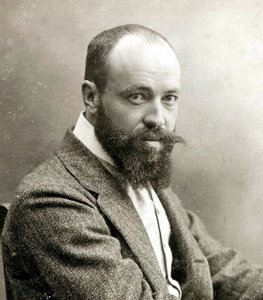
Hugo Gerhard Simberg
1873 - 1917 , Finnland
Kurzinfos
- Artistic Movement Or Style: Symbolismus
- Artists Or Movements Influenced By This Artist: ['Nightwish']
- Artists Who Influenced This Artist: ['Akseli Gallen-Kallela']
- Date Of Birth: 24. Juni 1873
- Date Of Death: 12. Juli 1917
- Full Name: Hugo Gerhard Simberg
- Nationality: Finnisch
- Notable Artworks:
- Garten des Todes
- Wundengel
- Place Of Birth: Hämeenlinna, Finnland