 Vorschau anzeigen
 Versenden
 Teilen
 Details anzeigen

 Herunterladen
 Ähnliche Objekte
 Röntgenaufnahme
 Diashow
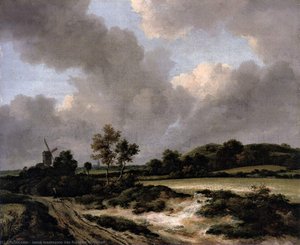
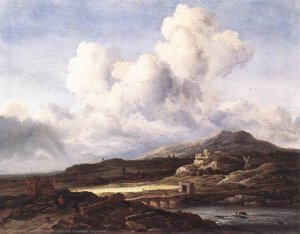
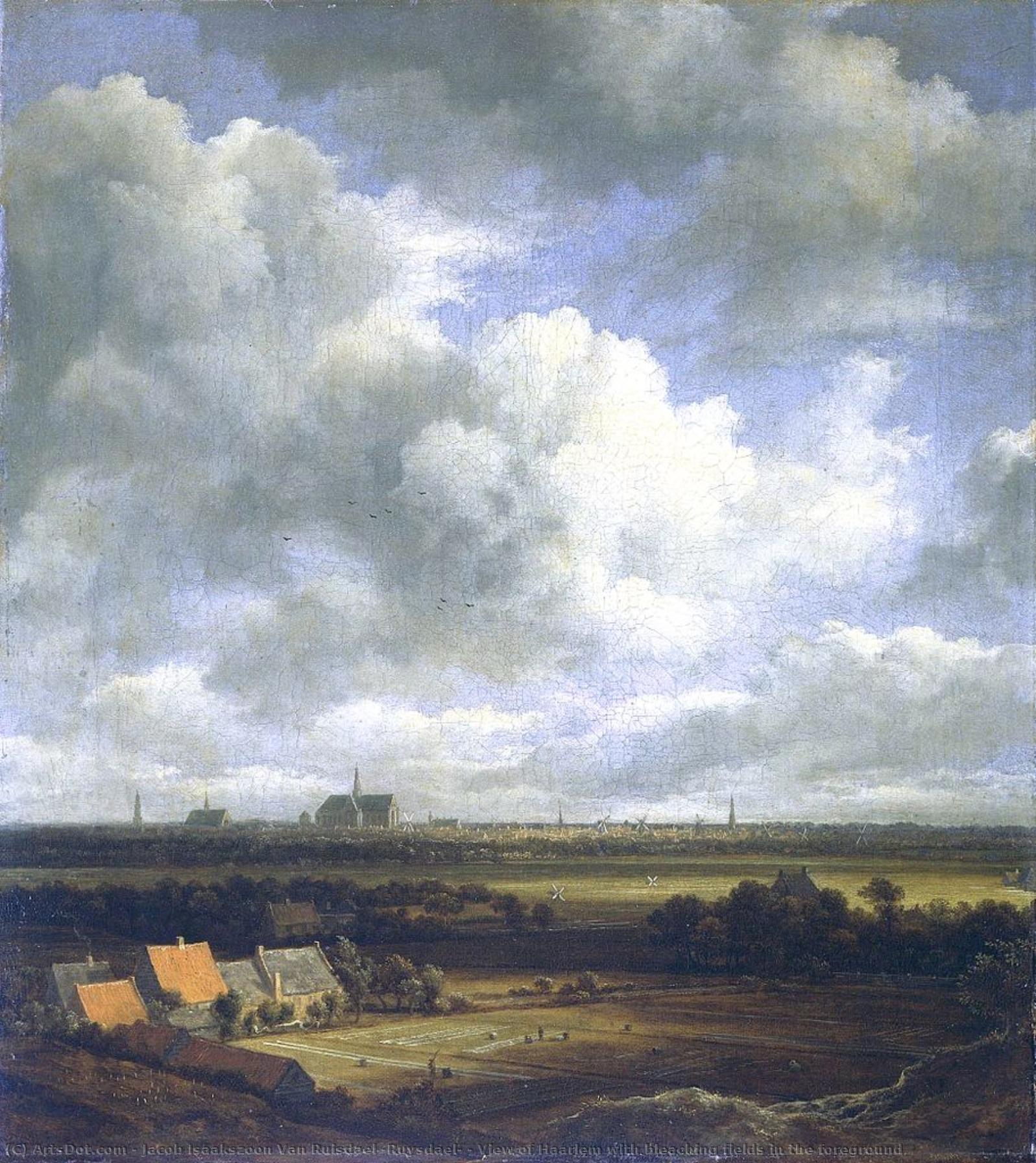
View of Haarlem with bleaching fields in the foreground
 Dutch Golden Age Landscape
 1670
1670- Early Modern
 43.0 x 38.0 cm
 Rijksmuseum
 Weiterlesen
Handgefertigte Ölreproduktion
Handgemaltes Ölgemälde auf Leinwand in Ihrer Wunschgröße und mit Rahmen, auf Bestellung von unseren Künstlern angefertigt. ( Druck bestellen Bild kaufen)




P118B $10

P118H $10

P118W $10

P438Z $10

P508JH $12

P508YH $12

P805H $10

P805Z $10

P919BZ $10

P919G $10

P919XJ $10

P959ZH $10

P968JZ $12

W106C $8

W218G $10

W218JH $8

W218Y $10

W307PJ $10

W316G $10

W316PJ $8

W316Y $10

W398PJ $8

W4111J $10

W500HY $15

W500JH $15

W692G $12

W849H $8

W940BG $15

W953PJ $8




Wählen Sie aus unseren vordefinierten Formaten, die den ursprünglichen Proportionen des Kunstwerks entsprechen.

Sie können Ihre eigenen Maße eingeben, um einen bestimmten Rahmen oder Platz auszufüllen. Wenn die gewählte Größe nicht den Proportionen des Originalbildes entspricht, werden wir das Kunstwerk entweder beschneiden oder das Gemälde durch zusätzliche, handgemalte Elemente erweitern. Ein digitales Mockup wird Ihnen zur Genehmigung zugesandt, bevor die Produktion beginnt.
Bitte beachten Sie, dass die Bildschirmvorschau nicht die tatsächliche Beschneidung oder Erweiterung widerspiegelt. Nur das Mockup zeigt die endgültige Komposition exakt an.
Obwohl Sondermaße verfügbar sind, empfehlen wir, eine Größe aus der vordefinierten Liste zu wählen, um die ursprünglichen Proportionen beizubehalten.
Nach der Bestellung wird das ArtsDot.com-Team dem Kunden Anweisungen per E-Mail zusenden und eine Mockup-Vorschau bereitstellen.
Weltweiter Versand () in nur 3 bis 4 Wochen statt der üblichen 5 Wochen. (21 August). Keine Kompromisse bei der Qualität.

Kostenloser weltweiter Expressversand

Hochwertige Leinenleinwand

Umfassender Versicherungsschutz beim Versand

Zollgebühren-Rückerstattungsgarantie

Garantie für exakte Farbtreue

60 Tage Rückgaberecht (nur bei Mängeln)

100% Geld-zurück-Garantie

Mengenrabatt verfügbar
 Die Glasoption ist nur für Größen unter 110 cm verfügbar.

View of Haarlem with bleaching fields in the foreground
Art der Reproduktion
Format der Reproduktion
-


Gesamtpreis
$ 263
Beschreibung des Kunstwerks
A Dutch Master’s Serene Vision: ‘View of Haarlem with Bleaching Fields’
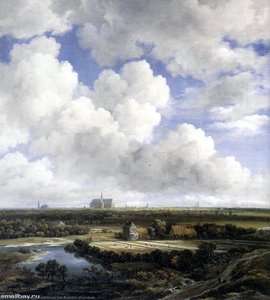
Jacob Isaackszoon van Ruisdael's “View of Haarlem with Bleaching Fields” isn’t merely a landscape painting; it’s a carefully constructed meditation on the heart of 17th-century Dutch life. Completed around 1670-1675, this iconic work transcends its subject matter – a humble view of a provincial town – to become a profound statement about prosperity, identity, and the relationship between humanity and nature. The painting immediately draws the eye with its expansive composition, dominated by a vast, cloud-strewn sky that occupies nearly two-thirds of the canvas. This deliberate emphasis on the heavens wasn’t arbitrary; it reflects the Dutch Golden Age's fascination with the sublime, imbuing even a commonplace scene with an aura of grandeur and spiritual significance. Below this dramatic expanse lies a meticulously rendered landscape – a low-lying vista punctuated by the familiar elements of Haarlem: its church, identifiable by its towering presence, and the surrounding fields, most notably those dedicated to the vital industry of linen bleaching.- The Bleaching Fields: The foreground is dominated by these fields, rendered in muted browns and greens, a testament to Ruisdael’s mastery of capturing texture. Figures are subtly depicted working diligently, their forms blending seamlessly into the landscape – they aren't portraits but rather representations of the community’s collective labor.
- A Town Defined: The church, a prominent landmark, anchors the scene and provides a sense of orientation. Its silhouette against the sky establishes a visual hierarchy, guiding the viewer’s eye through the composition.
- The Atmospheric Perspective: Notice how distant buildings and trees fade into a hazy blue, creating an effective illusion of depth and distance – a hallmark of aerial perspective that was revolutionary for its time.
Technique and Materials: A Symphony of Light and Layered Color
Ruisdael’s skill as a painter is evident in every brushstroke. He employed a technique known as *glazing*, applying thin, translucent layers of oil paint to build up color and luminosity gradually. This method allowed him to achieve subtle tonal variations and create an incredibly rich surface quality – the clouds seem to billow with light, while the fields possess a tactile realism. The artist’s use of impasto—thickly applied paint—is restrained but strategically employed in areas like the rooftops of the houses and the edges of the fields, adding visual interest and texture without overwhelming the overall composition. The painting's palette is deliberately muted, reflecting the earthy tones of the Dutch countryside – browns, greens, greys, and blues – creating a sense of tranquility and harmony.Historical Context: Prosperity and National Identity
“View of Haarlem with Bleaching Fields” isn’t simply a depiction of a landscape; it's deeply intertwined with the economic and social history of the Netherlands in the 17th century. Linen bleaching was a hugely important industry for Haarlem, providing employment for countless families and generating substantial wealth for the city. Ruisdael’s decision to prominently feature these fields speaks volumes about Dutch national pride – it's a celebration of a vital economic sector and a symbol of the nation’s prosperity. The painting can be interpreted as an allegory for the flourishing of the Dutch Republic, showcasing its industriousness and connection to the land. The work was created shortly after the end of the Eighty Years’ War, a period of immense national achievement, further cementing the painting's patriotic significance.Symbolism and Emotional Resonance: A Quiet Triumph
Beyond its historical context, “View of Haarlem with Bleaching Fields” possesses a quiet emotional resonance. The vastness of the sky evokes a sense of awe and humility, while the orderly arrangement of the landscape suggests a harmonious relationship between humanity and nature. The subtle details – the figures working in the fields, the church dominating the horizon – invite contemplation about the rhythms of daily life and the enduring values of community and labor. The painting’s muted colors and atmospheric perspective create a sense of serenity and timelessness, inviting viewers to lose themselves in its tranquil beauty. It's a testament to Ruisdael's ability to capture not just a scene, but also the spirit of an era—a serene triumph over time and circumstance.Ähnliche Kunstwerke

Über den Künstler
early life and career
Jacob Isaackszoon van Ruisdael, eine herausragende Figur der niederländischen Malerei des 17. Jahrhunderts, erblickte das Licht der Welt um 1628 in Haarlem. Seine künstlerische Ausbildung erhielt er vermutlich im Schatten seines Vaters, Isaak van Ruisdael, ein Maler und Rahmenbauer, sowie seines Onkels, dem ebenfalls bekannten Landschaftsmaler Salomon van Ruysdael – eine Verbindung, die sich in seinem Künstlernamen widerspiegelt. Haarlem, eine florierende Stadt des 17. Jahrhunderts mit einer blühenden Bier- und Textilindustrie, bot damals ideale Voraussetzungen für junge Künstler. Ruisdaels frühe Werke, die bereits ab 1646 datiert sind, zeugen von einem beeindruckenden Talent und legen den Grundstein für seine spätere Entwicklung.
In dieser Zeit begann er, die Landschaftsmalerei zu entwickeln, eine Gattung, die sich unter Einflüssen von Künstlern wie Adam Elsheimer und Paul Bril etabliert hatte. Die niederländische Malerei zeichnete sich durch ihre Detailgenauigkeit und ihren Fokus auf die Natur aus. Ruisdael verbrachte seine Jugend in Haarlem und lernte das Handwerk seines Vaters, wobei er sich jedoch schnell von dessen Stil abgrenzte und seinen eigenen Weg suchte.
artistic style and contributions
Ruisdaels künstlerischer Stil ist geprägt von einer bemerkenswerten Vielseitigkeit und einer enormen Produktivität. Er schuf eine breite Palette an Landschaftsstudien, die von idyllischen Dörfern bis hin zu dramatischen Waldlandschaften reichten. Nach seiner Reise nach Deutschland im Jahr 1650 erweiterte er sein Repertoire um heroische Darstellungen der niederländischen Landschaft. Besonders hervorzuheben ist seine spätere Arbeit in Amsterdam, wo er Stadtpanoramen und Seelandschafen schuf – oft mit dem Himmel, der den Großteil des Bildraumes einnimmt.
Ein zentrales Element seines Stils ist die meisterhafte Lichtführung, die er einsetzte, um eine dramatische Atmosphäre zu schaffen. Seine Werke sind bekannt für ihre kraftvollen Motive und die differenzierte Wiedergabe von Naturformen. Ruisdael beobachtete die Natur genau und versuchte, sie in ihren vielfältigen Facetten einzufangen. Er war ein Pionier der atmosphärischen Perspektive und nutzte oft verschwommene Hintergründe, um Tiefe und Raumillusion zu erzeugen.
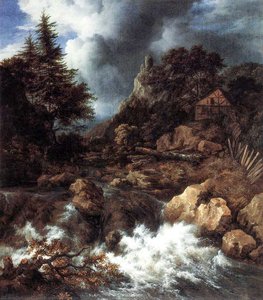
- Wasserfälle in einer felsigen und bergigen Landschaft, die seine meisterhafte Lichtführung und Komposition demonstrieren.
- Ansichten von Haarlem mit Bleichgründen, die seine Fähigkeit zur Erfassung der Essenz der niederländischen Landschaft veranschaulichen.
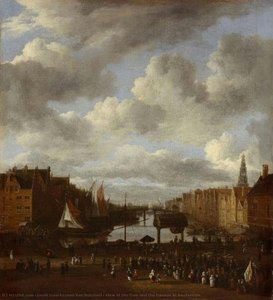
- Ansichten von Dam und Damrak in Amsterdam, die seine Fähigkeiten im Stadtlandschaftsbildnerhand hervorheben.
museums and collections
Ruisdaels Werke befinden sich heute in bedeutenden Museen und privaten Sammlungen auf der ganzen Welt. Zu den wichtigsten Ansammlungen gehören:
- Die Nationalgalerie in London
- Das Rijksmuseum in Amsterdam
- Das Hermitage Museum in St. Petersburg
influence and legacy
Ruisdaels Einfluss auf die Traditionen der Landschaftsmalerei ist immens. Er prägte die englische Romantik, die Barbizon-Schule in Frankreich und die Hudson River School in den USA. Seine Werke dienten als Inspiration für zahlreiche nachfolgende niederländische Landschaftsgestalter. Seine Fähigkeit, Dramatik und Atmosphäre in seine Landschaften zu bringen, hat Generationen von Künstlern beeinflusst.
Bekannte Werke:
- Ansichten von Haarlem mit Bleichgründen
- Wasserfälle in einer felsigen und bergigen Landschaft
- Ansichten von Dam und Damrak in Amsterdam
artist's profile on ArtsDot
Jacob Isaackszoon van Ruisdael – ein Meister der niederländischen Landschaftsmalerei. Entdecken Sie seine beeindruckende Sammlung von Gemälden, darunter dramatische Landschaften, ruhige Dörfer und atemberaubende Seeweisen. Ein wichtiger Einfluss auf die Kunstgeschichte.
Jacob van Ruisdael
1628 - 1682 , Niederlande
Kurzinfos
- Artistic Movement Or Style: Niederländische Barockzeit
- Artists Or Movements Influenced By This Artist:
- Englische Romantik
- Barbizon Schule
- Artists Who Influenced This Artist: ['Hendrik Vroom']
- Date Of Birth: c. 1628/29, Haarlem
- Date Of Death: 1682, Amsterdam
- Full Name: Jacob Isaackszoon van Ruisdael
- Nationality: Niederländer
- Notable Artworks:
- Ansicht von Haarlem
- Wasserfalllandschaft
- Ansicht der Dam und Damrak
- Place Of Birth: Haarlem, Niederlande
Ähnliche Artikel

Die 10 Meisterwerke des Goldenen Zeitalters der niederländischen Malerei |
Entdecken Sie die 10 Meisterwerke des Niederländischen Goldenen Zeitalters! Von Rembrandt bis Vermeer – erleben Sie Kunstgeschichte, Techniken & Emotionen. Hochwertige Gemäldereproduktionen für Ihr Zuhause auf .
Jacob van Ruisdael: Meister der niederländischen Landschaft und die Evokation nationaler Identität
Entdecken Sie Jacob van Ruisdaels Meisterwerke der niederländischen Landschaftsmalerei! Erfahren Sie mehr über sein Leben, Werk und den Einfluss auf die Kunst des Goldenen Zeitalters. Expertenwissen & Sammlungsübersicht.
Golden Light & Dutch Skies: Bringing the Magic of Dutch Golden Age Landscapes into Your Home
Transform your home with the breathtaking light of Dutch Golden Age landscapes. Discover how hand-painted oil reproductions of masterworks like Ruisdael and Vermeer bring timeless elegance, atmosphere, and soulful texture to modern interiors. Elevate your space with museum-quality art.
Nicolaes Berchem und das Goldene Zeitalter: Pastoralismus, Idealisierung & Künstlerische Innovation
Entdecken Sie die faszinierende Welt von Nicolaes Berchem und das Goldene Zeitalter der niederländischen Landschaftsmalerei. Expertenanalyse, Hintergrundinformationen & künstlerische Innovationen.
Charles Leickert: Capturing the Dutch Golden Age Light – A Comprehensive Study of Technique, Context, and Legacy
Explore the captivating winter landscapes of Charles Leickert, a master of Dutch Golden Age light & atmosphere. Discover his techniques, symbolism, and lasting legacy – a comprehensive study for art enthusiasts and collectors.