 Vorschau anzeigen
 Versenden
 Teilen
 Details anzeigen

 Herunterladen
 Ähnliche Objekte
 Röntgenaufnahme
 Diashow
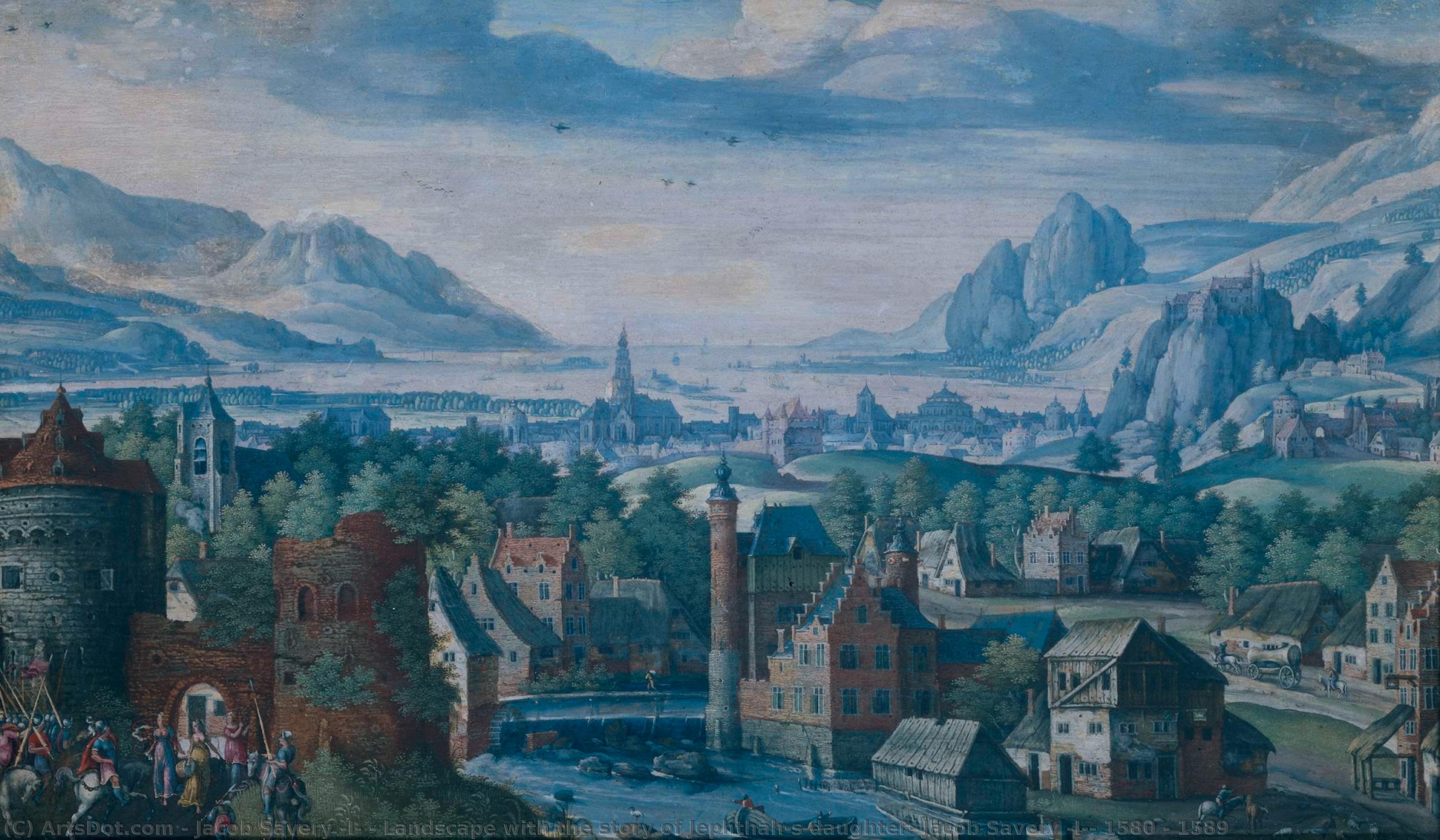
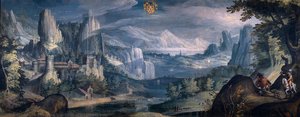
Landscape with the story of Jephthah"s daughter, Jacob Savery (I), 1580 - 1589
 1589
1589 19.0 x 31.0 cm
 Weiterlesen
Erwerben Sie ein hochauflösendes, optimiertes digitales Bild, das der Online-Vorschau weit überlegen ist.
Jede Datei wird von unseren hauseigenen Spezialisten mit modernsten Werkzeugen und fachmännischer manueller Retusche sorgfältig vorbereitet. Wir stellen sicher, dass jedes Bild eine außergewöhnliche Klarheit, präzise Farbgenauigkeit und feinste Details aufweist.
Die endgültige Datei wird innerhalb von 72 Stunden per E-Mail zugestellt und ist für den sofortigen Einsatz in professionellen, redaktionellen und Druckumgebungen optimiert. Es handelt sich um dieselbe Qualität, der führende Designstudios, Verlage und Galerien vertrauen.
Digitales Bild
Laden Sie eine hochauflösende Datei für die persönliche Präsentation, den Druck und kreative Projekte herunter. ( Druck bestellen Handgemalte Reproduktion bestellen)
In jeder Bestellung digitaler Bilder enthalten
Professionelle digitale Bereitstellung, garantiert
Wenn Sie sich für ArtsDot.com entscheiden, erhalten Sie nicht nur ein Bild – Sie erhalten ein professionell aufbereitetes digitales Kunstwerk, das mit höchster Präzision erstellt und durch eine Zufriedenheitsgarantie abgesichert wird. Hier ist alles, was automatisch mit Ihrer Bestellung geliefert wird:

Schnelle E-Mail-Zustellung
Ihre hochauflösende digitale Bilddatei wird Ihnen innerhalb von 72 Stunden nach der Bestellung per E-Mail zugestellt – bereit zur sofortigen Verwendung.

KI-optimierte digitale Datei
Ihre Kunstwerke werden professionell mithilfe fortschrittlicher KI-Tools und manueller Bearbeitung optimiert, um maximale Detailtreue, Klarheit und Farbgenauigkeit zu gewährleisten.

Lebenslanger kostenloser Neudruckservice
Datei versehentlich gelöscht oder verloren? Keine Sorge – wir senden sie Ihnen jederzeit kostenlos erneut zu.

Keine Einfuhrgebühren – jemals
Genießen Sie Ihr Kunstwerk sofort ohne Zollgebühren, Einfuhrabgaben oder Versandkosten – digitale Downloads sind immer steuerfrei.

Garantierte Farbtreue
Wir garantieren, dass Ihr digitales Bild mithilfe professioneller Werkzeuge und Farbmanagement die Originalfarben so präzise wie möglich wiedergibt.

60-Tage-Zufriedenheitsgarantie
Sollten Sie mit Ihrem digitalen Bild nicht zufrieden sein, werden wir es überarbeiten oder Ihnen innerhalb von 60 Tagen 100% erstatten – ohne Wenn und Aber.

100% Geld-zurück-Garantie
Nicht zufrieden? Erhalten Sie innerhalb von 60 Tagen nach Erhalt Ihrer digitalen Datei eine vollständige Rückerstattung – ohne Angabe von Gründen.

Rabatte bei Großbestellungen
3 Bilder kaufen, 10% sparen – 5 Bilder kaufen, 15% sparen – Ab 10 Bildern 20% sparen. Ideal für kreative Projekte, Galerien und Agenturen.
Ähnliche Kunstwerke







Biografie des Künstlers
Early Life and Artistic Beginnings
The story of Hans Heys, a name increasingly resonant in contemporary landscape painting, is one rooted deeply in the Dutch tradition yet blossoming into a uniquely personal vision. Born in 1974 in the Netherlands, Heys’s early life was steeped in the visual language of his surroundings – the expansive skies, the intricate network of waterways, and the flat, fertile polders that define much of the country's character. While not formally trained in a classical sense initially, Heys developed an acute observational skill through countless hours spent sketching *en plein air*, capturing the fleeting effects of light and atmosphere. This self-directed education fostered a direct connection to his subject matter, one that would become a hallmark of his mature work. His initial artistic explorations were modest, focusing on local scenes – windmills silhouetted against dramatic sunsets, fields of tulips ablaze with color, and the quiet dignity of traditional Dutch farmhouses. These early paintings, though relatively unassuming, reveal a nascent talent for capturing mood and an instinctive understanding of composition. Heys wasn’t immediately drawn to grand narratives or historical themes; instead, he found beauty in the everyday, imbuing ordinary landscapes with a sense of poetic stillness.Influences and Development
Heys's artistic journey was significantly shaped by his immersion in the Dutch Masters, particularly the 17th-century landscape painters like Jacob van Ruisdael and Aert van der Neer. He admired their masterful rendering of light, their ability to convey depth and atmosphere, and their subtle psychological portrayal of nature. However, Heys wasn’t content with mere imitation. He sought to move beyond the meticulous realism of his predecessors, incorporating elements of Impressionism and Post-Impressionism into his evolving style. The broken brushwork and vibrant color palettes of artists like Monet and Van Gogh resonated deeply with him, inspiring him to experiment with more expressive techniques.- Jacob van Ruisdael: Influenced Heys’s understanding of atmospheric perspective and the depiction of cloud formations.
- Aert van der Neer: Provided a model for capturing the subtle nuances of light in nocturnal scenes and winter landscapes.
- Claude Monet: Inspired Heys’s exploration of broken color and *plein air* painting techniques.
- Vincent van Gogh: Contributed to Heys’s expressive use of brushwork and emotional intensity.