

 Vorschau anzeigen
 Versenden
 Teilen
 Details anzeigen

 Herunterladen
 Ähnliche Objekte
 Röntgenaufnahme
 Diashow
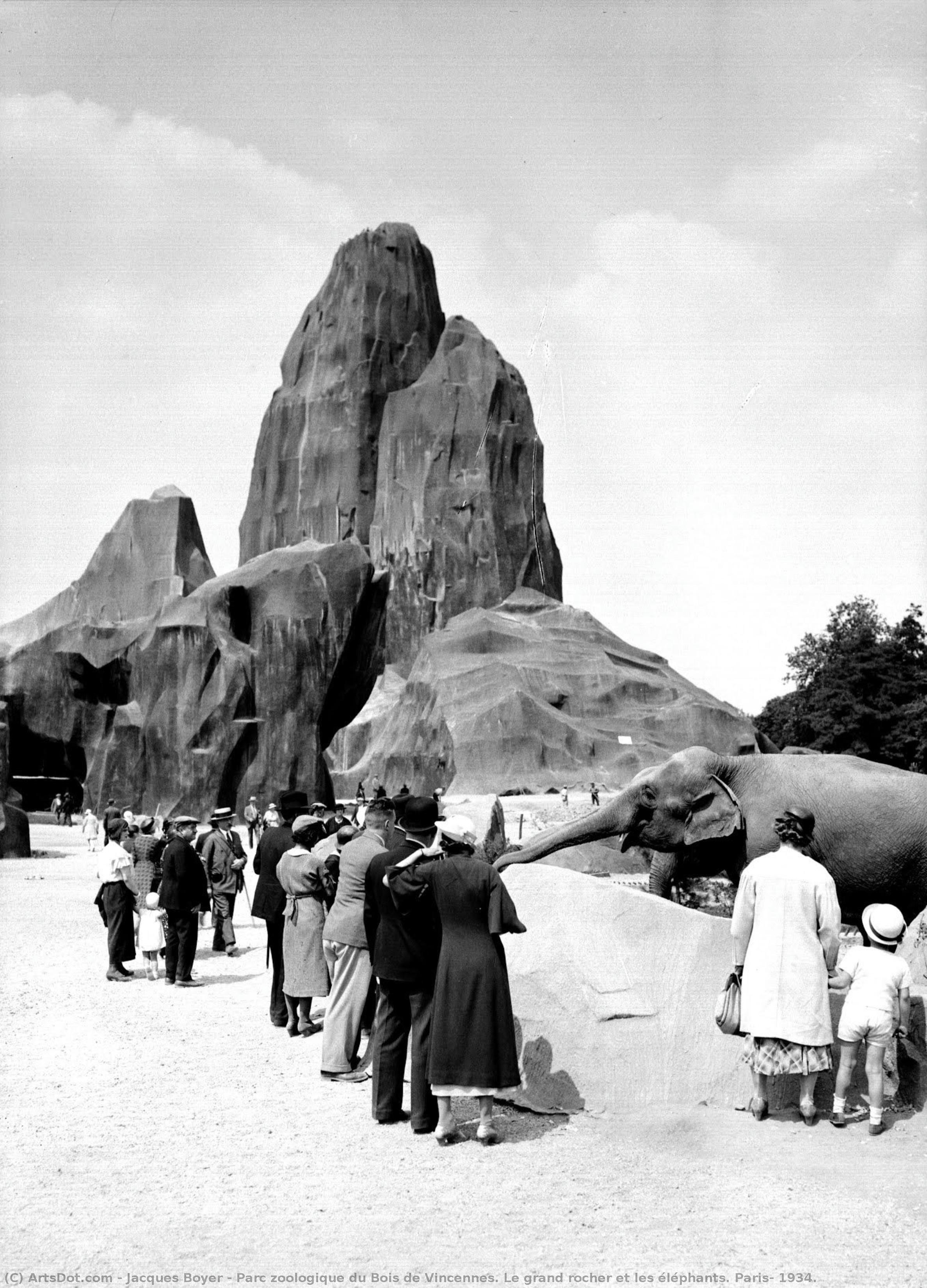
Parc zoologique du Bois de Vincennes. Le grand rocher et les éléphants. Paris, 1934.


 Weiterlesen
Handgefertigte Ölreproduktion
Handgemaltes Ölgemälde auf Leinwand in Ihrer Wunschgröße und mit Rahmen, auf Bestellung von unseren Künstlern angefertigt. ( Druck bestellen Bild kaufen)




































Wählen Sie aus unseren vordefinierten Formaten, die den ursprünglichen Proportionen des Kunstwerks entsprechen.

Sie können Ihre eigenen Maße eingeben, um einen bestimmten Rahmen oder Platz auszufüllen. Wenn die gewählte Größe nicht den Proportionen des Originalbildes entspricht, werden wir das Kunstwerk entweder beschneiden oder das Gemälde durch zusätzliche, handgemalte Elemente erweitern. Ein digitales Mockup wird Ihnen zur Genehmigung zugesandt, bevor die Produktion beginnt.
Bitte beachten Sie, dass die Bildschirmvorschau nicht die tatsächliche Beschneidung oder Erweiterung widerspiegelt. Nur das Mockup zeigt die endgültige Komposition exakt an.
Obwohl Sondermaße verfügbar sind, empfehlen wir, eine Größe aus der vordefinierten Liste zu wählen, um die ursprünglichen Proportionen beizubehalten.
Nach der Bestellung wird das ArtsDot.com-Team dem Kunden Anweisungen per E-Mail zusenden und eine Mockup-Vorschau bereitstellen.
Weltweiter Versand () in nur 3 bis 4 Wochen statt der üblichen 5 Wochen. (28 August). Keine Kompromisse bei der Qualität.

Kostenloser weltweiter Expressversand

Hochwertige Leinenleinwand

Umfassender Versicherungsschutz beim Versand

Zollgebühren-Rückerstattungsgarantie

Garantie für exakte Farbtreue

60 Tage Rückgaberecht (nur bei Mängeln)

100% Geld-zurück-Garantie

Mengenrabatt verfügbar
 Die Glasoption ist nur für Größen unter 110 cm verfügbar.

Parc zoologique du Bois de Vincennes. Le grand rocher et les éléphants. Paris, 1934.
Art der Reproduktion
Format der Reproduktion
-


Gesamtpreis
$ 263
Ähnliche Kunstwerke





![[ibsamboul. Speos Von Phre] — John Beasley Greene, Romantik](/media/artworks/images-thumb/4f/d0/4fd07465fdfae392a7dc1f60ce3242d5.jpg)


Über den Künstler
Jacques Boyer: A Painter of the Wild Heart
Jacques Boyer (1918 – 1990) wasn’t a name that immediately resonates within the grand halls of the art world, yet his canvases hold a quiet intensity—a deep connection to the natural world and a remarkable ability to capture fleeting moments of wildlife. Born in Saint-Pey-de-Castets, a small village in southwestern France, Boyer's artistic journey began not with formal training but with an innate fascination for the landscapes and creatures surrounding him. He wasn’t striving for grand pronouncements or revolutionary styles; instead, he quietly built a body of work characterized by meticulous detail, a profound respect for his subjects, and a subtle, almost melancholic beauty.
Boyer's early life was deeply intertwined with the rhythms of rural France. He served as a municipal mayor for many years, demonstrating a practical engagement with his community – an experience that undoubtedly informed his later artistic perspective. This grounding in everyday life seems to have fostered a sensitivity to the nuances of observation, translating into a remarkable ability to render textures and forms with astonishing accuracy. His subjects weren’t posed or idealized; they were animals in their natural habitats, engaged in their daily routines—a fox hunting for prey, a deer pausing by a stream, birds soaring through the sky. These scenes aren't dramatic narratives but rather intimate glimpses into the lives of wild creatures.
The Language of Observation
Boyer’s technique is remarkably understated. He rarely employed bold brushstrokes or vibrant colors; instead, he favored a muted palette—earthy browns, greens, and greys—that perfectly complemented the natural tones of his subjects. His approach was rooted in careful observation and patient rendering. He meticulously studied the anatomy of animals, capturing their musculature, posture, and movement with an almost scientific precision. This dedication to detail is evident in the way he portrays the texture of fur, feathers, and scales—each element rendered with a level of realism that borders on photographic.
Interestingly, Boyer’s work was largely self-taught. He didn't attend art academies or participate in formal artistic circles. This independent path allowed him to develop his own unique style, one that prioritized direct observation and personal expression over adherence to established conventions. His paintings aren’t simply representations of animals; they are imbued with a sense of empathy—a feeling for the creatures he depicted and their place within the natural world.
A Focus on Wildlife and the Vincennes Zoo
Boyer's most celebrated works depict wildlife, particularly those found in the vicinity of his home. He spent considerable time observing animals at the Vincennes Zoo in Paris, documenting their behavior and capturing their essence on canvas. These zoo paintings are particularly noteworthy for their ability to convey a sense of both familiarity and wildness—the animals appear comfortable within their enclosures, yet retain an undeniable aura of freedom. His work from the Vincennes Zoo is especially poignant, offering viewers a rare opportunity to connect with these creatures in a deeply intimate way.
Beyond the zoo, Boyer’s paintings also showcase a wide range of wildlife—deer, foxes, birds, and other animals that inhabit the French countryside. His depictions are not merely illustrations; they are imbued with a sense of atmosphere and emotion. He captured the golden light of dawn filtering through the trees, the cool shade of a forest floor, and the quiet dignity of an animal in its natural habitat.
Legacy and Historical Context
Jacques Boyer’s work represents a subtle yet significant contribution to the world of wildlife art. While he didn't achieve widespread fame during his lifetime, his paintings have gained increasing recognition in recent years for their remarkable detail, emotional depth, and quiet beauty. He stands as an example of an artist who found inspiration in the everyday—in the simple act of observing the natural world and translating those observations onto canvas.
His work reflects a broader trend in 20th-century art—a growing interest in nature and a desire to reconnect with the rhythms of the natural world. Boyer’s paintings offer a valuable reminder of the beauty and wonder that can be found in even the most humble of subjects, and his legacy continues to inspire artists and viewers alike.
jacques boyer
France
Kurzinfos
- Artistic Movement Or Style: Landscape painting
- Artists Who Influenced This Artist: ['None],\n "Artists or movements influenced by this artist": [None']
- Date Of Birth: February 21, 1918
- Date Of Death: June 8, 1990
- Full Name: Jacques Boyer-Andrivet
- Nationality: French
- Notable Artworks:
- Singes au zoo de Vincennes
- Parc zoologique du Bois de Vincennes
- Place Of Birth: Saint-Pey-de-Castets, France

