 Vorschau anzeigen
 Versenden
 Teilen
 Details anzeigen

 Herunterladen
 Ähnliche Objekte
 Röntgenaufnahme
 Diashow
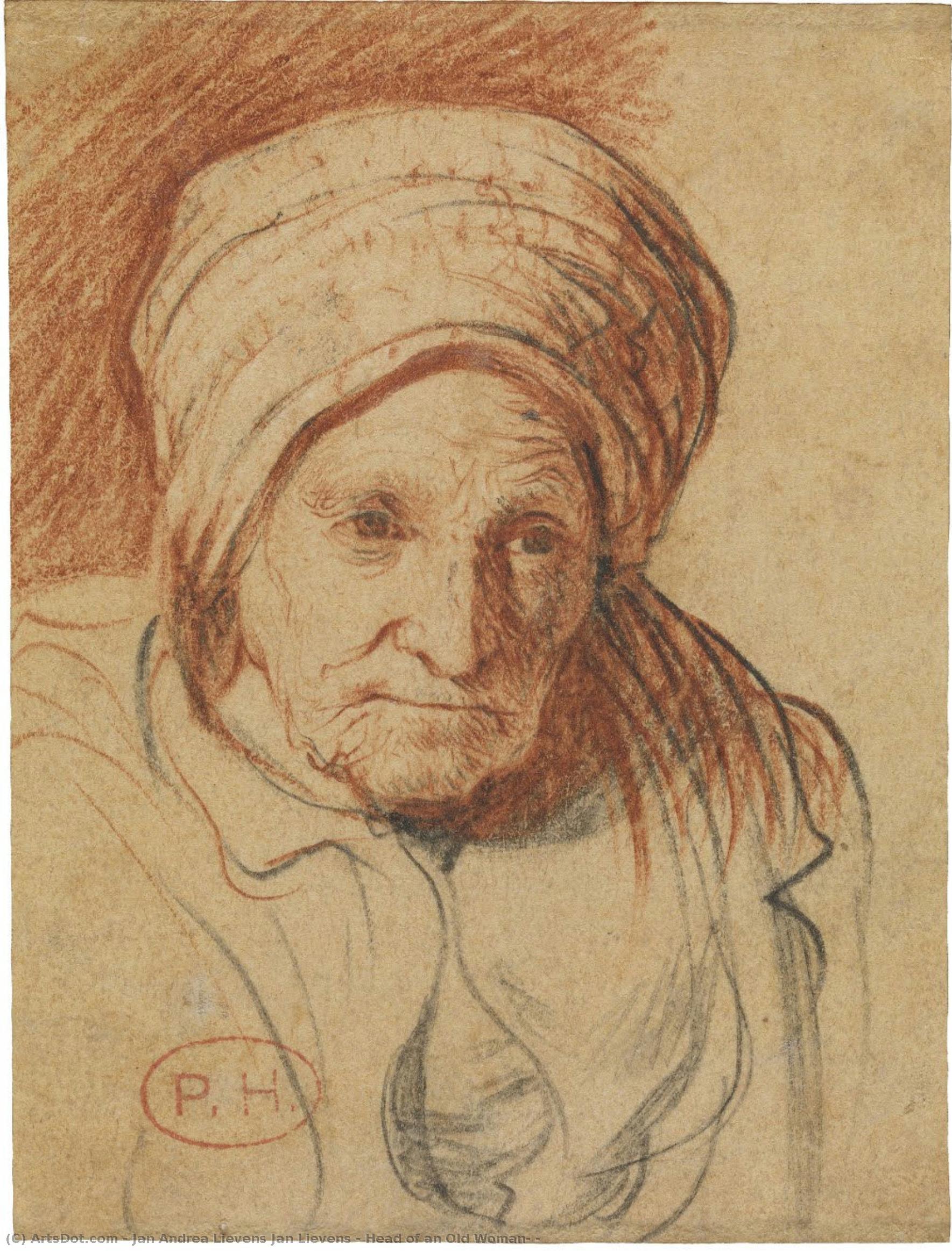
Head of an Old Woman:
 Acrylic On Canvas
- WallArt
- Baroque Dutch Painting
 1628
1628- Renaissance
 10.0 x 8.0 cm
 Die Leidenersammlung
 Weiterlesen
Handgefertigte Ölreproduktion
Handgemaltes Ölgemälde auf Leinwand in Ihrer Wunschgröße und mit Rahmen, auf Bestellung von unseren Künstlern angefertigt. ( Druck bestellen Bild kaufen)




P118B $10

P118H $10

P118W $10

P438Z $10

P508JH $12

P508YH $12

P805H $10

P805Z $10

P919BZ $10

P919G $10

P919XJ $10

P959ZH $10

P968JZ $12

W106C $8

W218G $10

W218JH $8

W218Y $10

W307PJ $10

W316G $10

W316PJ $8

W316Y $10

W398PJ $8

W4111J $10

W500HY $15

W500JH $15

W692G $12

W849H $8

W940BG $15

W953PJ $8




Wählen Sie aus unseren vordefinierten Formaten, die den ursprünglichen Proportionen des Kunstwerks entsprechen.

Sie können Ihre eigenen Maße eingeben, um einen bestimmten Rahmen oder Platz auszufüllen. Wenn die gewählte Größe nicht den Proportionen des Originalbildes entspricht, werden wir das Kunstwerk entweder beschneiden oder das Gemälde durch zusätzliche, handgemalte Elemente erweitern. Ein digitales Mockup wird Ihnen zur Genehmigung zugesandt, bevor die Produktion beginnt.
Bitte beachten Sie, dass die Bildschirmvorschau nicht die tatsächliche Beschneidung oder Erweiterung widerspiegelt. Nur das Mockup zeigt die endgültige Komposition exakt an.
Obwohl Sondermaße verfügbar sind, empfehlen wir, eine Größe aus der vordefinierten Liste zu wählen, um die ursprünglichen Proportionen beizubehalten.
Nach der Bestellung wird das ArtsDot.com-Team dem Kunden Anweisungen per E-Mail zusenden und eine Mockup-Vorschau bereitstellen.
Weltweiter Versand () in nur 3 bis 4 Wochen statt der üblichen 5 Wochen. (22 August). Keine Kompromisse bei der Qualität.

Kostenloser weltweiter Expressversand

Hochwertige Leinenleinwand

Umfassender Versicherungsschutz beim Versand

Zollgebühren-Rückerstattungsgarantie

Garantie für exakte Farbtreue

60 Tage Rückgaberecht (nur bei Mängeln)

100% Geld-zurück-Garantie

Mengenrabatt verfügbar
 Die Glasoption ist nur für Größen unter 110 cm verfügbar.

Head of an Old Woman:
Art der Reproduktion
Format der Reproduktion
-


Gesamtpreis
$ 263
Beschreibung des Kunstwerks
A Portrait of Time: Jan Lievens' "Head of an Old Woman" (1628)
Jan Andrea Lievens’ “Head of an Old Woman,” painted in 1628, is more than a simple depiction of a venerable face; it’s a poignant meditation on age, memory, and the enduring power of human experience. Executed during the height of the Dutch Golden Age, this intimate portrait reveals the burgeoning talent of a young artist poised to make his mark alongside the giants of the era – most notably Rembrandt van Rijn.
The painting immediately draws the eye to the subject’s face, rendered with remarkable sensitivity and detail. The old woman's gaze, directed downwards, invites contemplation, perhaps recalling lost moments or offering a quiet wisdom. Lievens masterfully captures the textures of her skin – the delicate wrinkles etched by time, the subtle variations in tone – creating an illusion of palpable reality. The inclusion of the scarf, draped loosely around her head, adds another layer of complexity, suggesting both protection and vulnerability.
Technique and Style: A Rembrandtian Echo
- Lievens’ technique demonstrates a clear influence from his early mentors, particularly Pieter Lastman, known for his dramatic compositions and meticulous attention to detail. However, there's also a distinct softness in Lievens’ brushwork, reminiscent of the burgeoning realism that would soon define Rembrandt’s style.
- The use of light is crucial to the painting’s impact. Subtle gradations of tone create depth and volume, highlighting the contours of the woman’s face and emphasizing her age. The slightly blurred background serves not as a distraction but rather to focus the viewer's attention squarely on the subject – a hallmark of portraiture during this period.
- The composition is remarkably simple, prioritizing directness and emotional resonance over elaborate arrangements. This restrained approach reflects the prevailing taste for introspective portraits that sought to capture the inner life of the sitter.
Historical Context and Symbolism
Painted in 1628, “Head of an Old Woman” exists within a period of significant artistic innovation in the Netherlands. The Dutch Golden Age was characterized by a flourishing economy, a vibrant cultural scene, and a growing interest in secular portraiture. Lievens’ work reflects this trend, moving beyond purely religious subjects to explore the complexities of human character.
The subject herself is open to interpretation. Old age, in this context, can be seen as a symbol of wisdom, experience, and perhaps even mortality. The downward gaze suggests introspection and a connection to the past. It’s a timeless image that transcends its specific historical moment, resonating with viewers across generations.
A Timeless Masterpiece – A Hand-Painted Reproduction
ArtsDot offers a meticulously crafted hand-painted reproduction of Lievens' “Head of an Old Woman,” capturing the essence of this remarkable artwork. Each reproduction is created by skilled artisans, ensuring that every detail—from the delicate folds of the scarf to the subtle nuances of the subject’s expression—is faithfully reproduced. This isn’t merely a print; it’s a tangible piece of art history, perfect for adorning your home or office and offering a daily reminder of the beauty and wisdom found in the passage of time.
Ähnliche Kunstwerke


Über den Künstler
Jan Lievens: A Dutch Master Rediscovered
Jan Lievens (1607 – 1674) was a dutch painter from the netherlands, who lived from 1607 to 1674. his work is often associated with that of rembrandt, as both artists worked in similar styles during the dutch golden age. He was born on october 24, 1607, in leiden, the son of lieven hendriksze, an embroiderer (*borduurwerker*), and was trained by joris verschoten. At about the age of 10, he was sent to pieter lastman in amsterdam for a two-year apprenticeship. This formative experience instilled in him a meticulous attention to detail and a profound understanding of artistic technique—qualities that would characterize his entire oeuvre.- Early Career & Rembrandt Collaboration
- Notable Paintings & Artistic Style
- London Years & Patronage
- Later Life & Legacy
Early Career & Rembrandt Collaboration
Jan Lievens’s artistic journey began in leiden, where he quickly gained recognition for his talent. His copy of *Democriet & Herakliet* by cornelis van haarlem—a monumental undertaking that demonstrated his mastery of perspective and composition—immediately drew the eye of maurice of nassau, prince of orange, who commissioned a portrait of him. This patronage secured Lievens’s financial stability and allowed him to pursue his artistic ambitions without constraint. Crucially, he entered into a collaborative partnership with rembrandt van rijn from 1626 to 1631. Their collaboration produced over two dozen paintings, drawings, and etchings—a period marked by intense rivalry and mutual influence. While the attribution of works from this era remains debated among scholars, there is no doubt that Rembrandt’s presence spurred Lievens to experiment with bolder brushstrokes and dramatic lighting—techniques that would become hallmarks of his distinctive style.Notable Paintings & Artistic Style
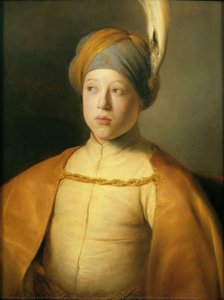
Lievens' artistic style was profoundly shaped by caravaggisti influences, evident in his use of tenebrism—the stark contrast between light and dark—and his penchant for portraying figures in dynamic poses. He excelled at capturing psychological depth and emotion, particularly in portraits that aimed to convey the inner life of their subjects. His oeuvre encompasses a diverse range of genres, including history paintings, landscapes, genre scenes depicting everyday life, and still lifes—each infused with meticulous observation and expressive artistry. Among his most celebrated works are *Head of an Old Man*, *Bearded Man with a Beret*, and *Boy in a Cape and Turban*, which exemplify Lievens’s ability to render human anatomy with remarkable accuracy while simultaneously conveying profound emotional resonance.London Years & Patronage
Following the dissolution of his partnership with Rembrandt, Lievens embarked on a period of artistic exploration that took him beyond amsterdam to london, antwerp, and berlin. During these years he secured commissions from royalty—including james i—and established himself as a respected artist in cosmopolitan environments. His success was fueled by his keen understanding of the tastes of the era and his willingness to adapt his style to suit diverse patrons. He continued to produce paintings that showcased both technical virtuosity and imaginative vision, cementing his reputation as one of the most versatile and accomplished painters of his generation.Later Life & Legacy
Jan Lievens died in berlin on june 4, 1674, at the age of 66—leaving behind a legacy of approximately 300 paintings and drawings that continue to fascinate art historians today. His work is housed in museums across europe, including the mauritshuis in leiden and the kremer collection in cologne—testaments to his enduring artistic significance. Despite the initial obscurity surrounding his career—particularly after rembrandt’s death—Lievens has experienced a resurgence of scholarly interest in recent decades, thanks largely to new research that sheds light on previously overlooked aspects of his life and work. His paintings stand as powerful reminders of the dutch golden age and offer invaluable insights into the artistic sensibilities of a pivotal period in european history.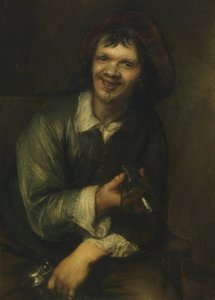
Jan Lievens
1607 - 1674 , Niederlande
Kurzinfos
- Artistic Movement Or Style: Dutch Gouden Eeuw
- Artists Or Movements Influenced By This Artist: ['Rembrandt']
- Artists Who Influenced This Artist:
- Pieter Lastman
- Peter Paul Rubens
- Date Of Birth: 24 Oktober 1607
- Date Of Death: 4 Juni 1674
- Full Name: Jan Lievens
- Nationality: Niederländisch
- Notable Artworks:
- Kopf eines alten Mannes
- Porträt von Constantin Huygens
- Junger Mann mit einem Beret
- Place Of Birth: Leiden, Niederlande
Ähnliche Artikel

Die 10 Meisterwerke des Goldenen Zeitalters der niederländischen Malerei |
Entdecken Sie die 10 Meisterwerke des Niederländischen Goldenen Zeitalters! Von Rembrandt bis Vermeer – erleben Sie Kunstgeschichte, Techniken & Emotionen. Hochwertige Gemäldereproduktionen für Ihr Zuhause auf .

Golden Age Reflections: Dutch Baroque Painting & Cultural Innovation
Explore the Dutch Golden Age of painting! Discover key artists like Vermeer & ter Borch, their innovative techniques, and the rich cultural context behind these Baroque masterpieces. Learn about collecting & appreciating this iconic art period.

Illuminating Innovation: Exploring the Dutch Golden Age of Painting
Explore the Dutch Golden Age of painting with ArtsDot. Discover Rembrandt, Vermeer & other Masters. Learn about key characteristics, iconic artworks, and lasting influence. Expert insights for collectors & enthusiasts.

Illuminating Realism: Exploring the Dutch Golden Age of Painting (1600-1700)
Explore the Dutch Golden Age of painting (1600-1700) with ArtsDot. Discover Rembrandt, Vermeer & other masters. Learn about techniques, history & find museum-quality reproductions.
Golden Light & Dutch Skies: Bringing the Magic of Dutch Golden Age Landscapes into Your Home
Transform your home with the breathtaking light of Dutch Golden Age landscapes. Discover how hand-painted oil reproductions of masterworks like Ruisdael and Vermeer bring timeless elegance, atmosphere, and soulful texture to modern interiors. Elevate your space with museum-quality art.