

 Vorschau anzeigen
 Versenden
 Teilen
 Details anzeigen

 Herunterladen
 Ähnliche Objekte
 Röntgenaufnahme
 Diashow
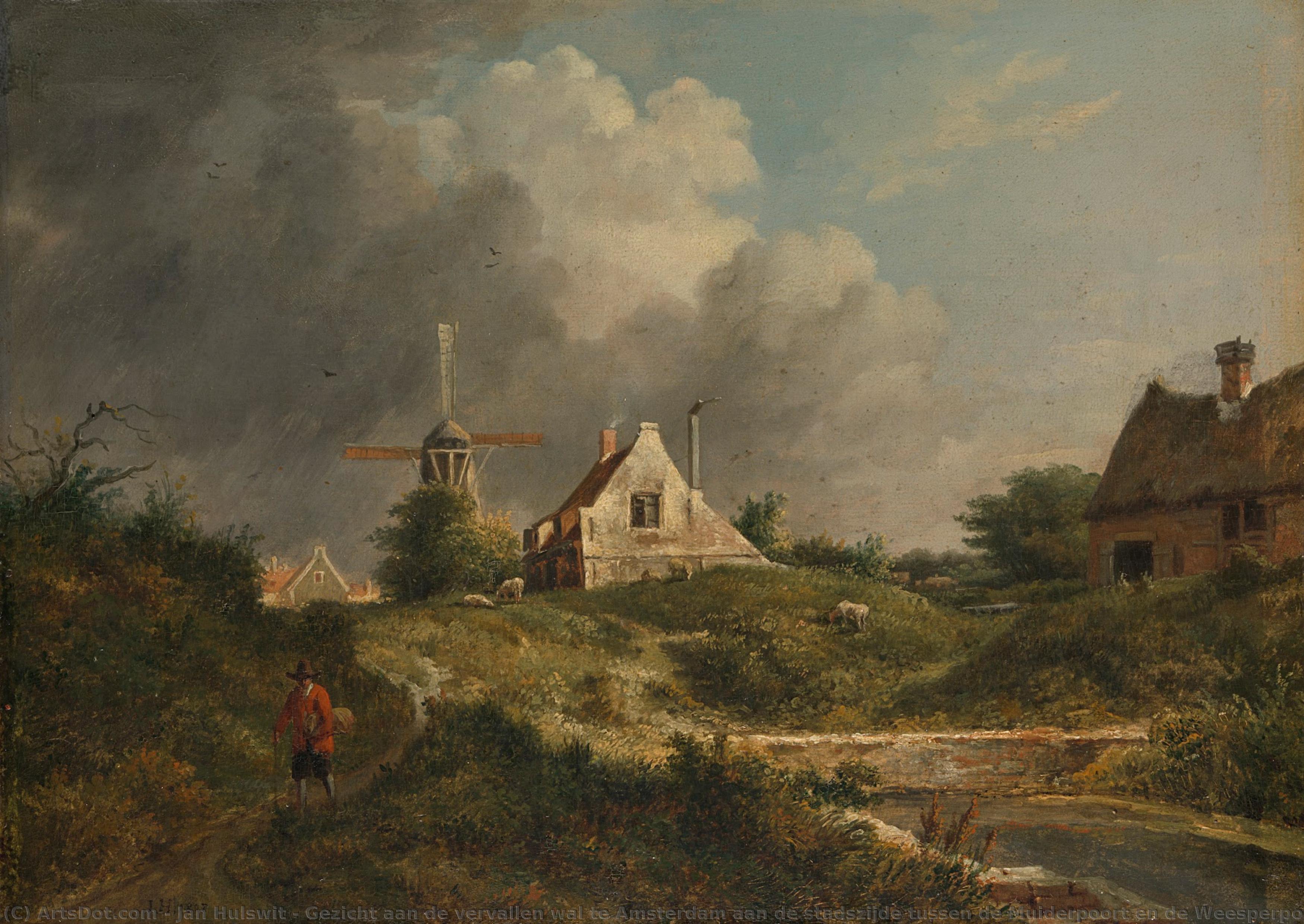
Gezicht aan de vervallen wal te Amsterdam aan de stadszijde tussen de Muiderpoort en de Weesperpoort, Jan Hulswit, 1807
 Dutch Golden Age
 1807
1807 32.0 x 45.0 cm
 Weiterlesen
Erwerben Sie ein hochauflösendes, optimiertes digitales Bild, das der Online-Vorschau weit überlegen ist.
Jede Datei wird von unseren hauseigenen Spezialisten mit modernsten Werkzeugen und fachmännischer manueller Retusche sorgfältig vorbereitet. Wir stellen sicher, dass jedes Bild eine außergewöhnliche Klarheit, präzise Farbgenauigkeit und feinste Details aufweist.
Die endgültige Datei wird innerhalb von 72 Stunden per E-Mail zugestellt und ist für den sofortigen Einsatz in professionellen, redaktionellen und Druckumgebungen optimiert. Es handelt sich um dieselbe Qualität, der führende Designstudios, Verlage und Galerien vertrauen.
Digitales Bild
Laden Sie eine hochauflösende Datei für die persönliche Präsentation, den Druck und kreative Projekte herunter. ( Druck bestellen Handgemalte Reproduktion bestellen)
In jeder Bestellung digitaler Bilder enthalten
Professionelle digitale Bereitstellung, garantiert
Wenn Sie sich für ArtsDot.com entscheiden, erhalten Sie nicht nur ein Bild – Sie erhalten ein professionell aufbereitetes digitales Kunstwerk, das mit höchster Präzision erstellt und durch eine Zufriedenheitsgarantie abgesichert wird. Hier ist alles, was automatisch mit Ihrer Bestellung geliefert wird:

Schnelle E-Mail-Zustellung
Ihre hochauflösende digitale Bilddatei wird Ihnen innerhalb von 72 Stunden nach der Bestellung per E-Mail zugestellt – bereit zur sofortigen Verwendung.

KI-optimierte digitale Datei
Ihre Kunstwerke werden professionell mithilfe fortschrittlicher KI-Tools und manueller Bearbeitung optimiert, um maximale Detailtreue, Klarheit und Farbgenauigkeit zu gewährleisten.

Lebenslanger kostenloser Neudruckservice
Datei versehentlich gelöscht oder verloren? Keine Sorge – wir senden sie Ihnen jederzeit kostenlos erneut zu.

Keine Einfuhrgebühren – jemals
Genießen Sie Ihr Kunstwerk sofort ohne Zollgebühren, Einfuhrabgaben oder Versandkosten – digitale Downloads sind immer steuerfrei.

Garantierte Farbtreue
Wir garantieren, dass Ihr digitales Bild mithilfe professioneller Werkzeuge und Farbmanagement die Originalfarben so präzise wie möglich wiedergibt.

60-Tage-Zufriedenheitsgarantie
Sollten Sie mit Ihrem digitalen Bild nicht zufrieden sein, werden wir es überarbeiten oder Ihnen innerhalb von 60 Tagen 100% erstatten – ohne Wenn und Aber.

100% Geld-zurück-Garantie
Nicht zufrieden? Erhalten Sie innerhalb von 60 Tagen nach Erhalt Ihrer digitalen Datei eine vollständige Rückerstattung – ohne Angabe von Gründen.

Rabatte bei Großbestellungen
3 Bilder kaufen, 10% sparen – 5 Bilder kaufen, 15% sparen – Ab 10 Bildern 20% sparen. Ideal für kreative Projekte, Galerien und Agenturen.
Ähnliche Kunstwerke
Biografie des Künstlers
A Life Immersed in Dutch Landscapes: The World of Jan Hulswit
Jan Hulswit, a name perhaps less celebrated than some of his contemporaries, nevertheless occupies a significant niche within the pantheon of 18th and early 19th-century Dutch landscape painting. Born in Amsterdam in 1766 and passing away in Nieuwer-Amstel in 1822, Hulswit’s life mirrored the shifting artistic currents of his time—a period transitioning from the formality of the Golden Age to a more Romantic sensibility. He wasn't merely a painter; he was a draughtsman, etcher, copyist, art dealer, and even a wallpaper painter, demonstrating a versatile talent that allowed him to navigate the complexities of the Dutch art market. His dedication to capturing the subtle nuances of his native countryside established him as a keen observer and skilled interpreter of the natural world.Early Training and Artistic Development
Hulswit’s artistic journey began with formal training, notably under Pieter Barbiers I, a respected landscapist who instilled in him a foundation of meticulous technique and an appreciation for realistic depiction. He also studied under Pieter Barbiers, further refining his skills. This early education proved crucial, shaping his approach to landscape painting which emphasized detailed observation and atmospheric rendering. While the specifics of his initial works remain somewhat elusive, it’s clear that Hulswit quickly developed a talent for capturing the light and shadow play across Dutch fields, waterways, and forests. He wasn't interested in grand historical narratives or dramatic allegories; instead, he focused on the quiet beauty of everyday scenes—a farmhouse nestled beside a canal, cattle grazing in a meadow, figures engaged in simple rural activities. This focus reflects a broader trend within Dutch art towards genre painting and landscape as subjects worthy of artistic attention in their own right.A Versatile Practitioner: Painting, Copying, and Commerce
The breadth of Hulswit’s professional life is striking. Beyond his original paintings and drawings, he was a proficient copyist, skillfully reproducing works by established masters—a common practice at the time that allowed artists to earn income while honing their technical abilities. His involvement in the art trade as an art dealer further demonstrates his deep understanding of artistic value and market dynamics. This multifaceted career wasn’t simply about financial necessity; it suggests a genuine passion for art in all its forms, from creation to appreciation and commerce. The fact that he also worked as a wallpaper painter indicates a willingness to embrace diverse artistic challenges and cater to a broad clientele. His work as an etcher allowed him to disseminate his images more widely, contributing to the growing popularity of Dutch landscape prints.Themes and Techniques: Capturing the Essence of Holland
Hulswit’s paintings are characterized by their serene atmosphere and meticulous attention to detail. He favored a palette of muted earth tones—greens, browns, grays—that perfectly evoke the subtle colors of the Dutch countryside. His compositions often feature horizontal lines—the horizon, canals, fields—creating a sense of calm and stability. While he wasn’t known for dramatic brushwork or bold experimentation, his skill lay in capturing the *feeling* of a place—the dampness of the air, the warmth of the sun, the gentle breeze rustling through the trees. Recurring motifs include rural dwellings, livestock, figures engaged in everyday tasks, and waterways that define the Dutch landscape. He often depicted scenes with a sense of quiet intimacy, inviting viewers to immerse themselves in the tranquility of the countryside. His drawings, executed in black chalk and wash, are particularly notable for their delicate lines and subtle shading, revealing his mastery of draughtsmanship.Legacy and Historical Significance
Although Hulswit may not be a household name, his work provides valuable insight into the artistic landscape of late 18th and early 19th-century Holland. His paintings offer a glimpse into the daily life and rural beauty of the Dutch countryside during a period of significant social and political change. He represents a continuation of the Dutch landscape tradition, albeit with a more subdued and intimate sensibility than some of his predecessors. While he didn’t revolutionize artistic technique or challenge established conventions, his dedication to capturing the essence of Holland—its light, its atmosphere, its quiet beauty—ensures his place as a noteworthy figure in the history of Dutch art. His works continue to be appreciated for their skillful execution, serene atmosphere, and evocative depiction of a bygone era.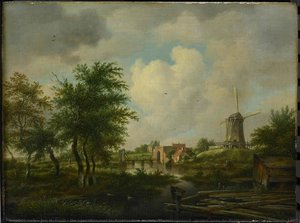
Kurzinfos
- Artistic Movement Or Style: Water polo player
- Date Of Birth: April 9, 1885
- Date Of Death: May 2, 1932
- Full Name: Jan Hulswit
- Nationality: Dutch
- Place Of Birth: Apeldoorn, Netherlands

