

 Vorschau anzeigen
 Versenden
 Teilen
 Details anzeigen

 Herunterladen
 Ähnliche Objekte
 Röntgenaufnahme
 Diashow
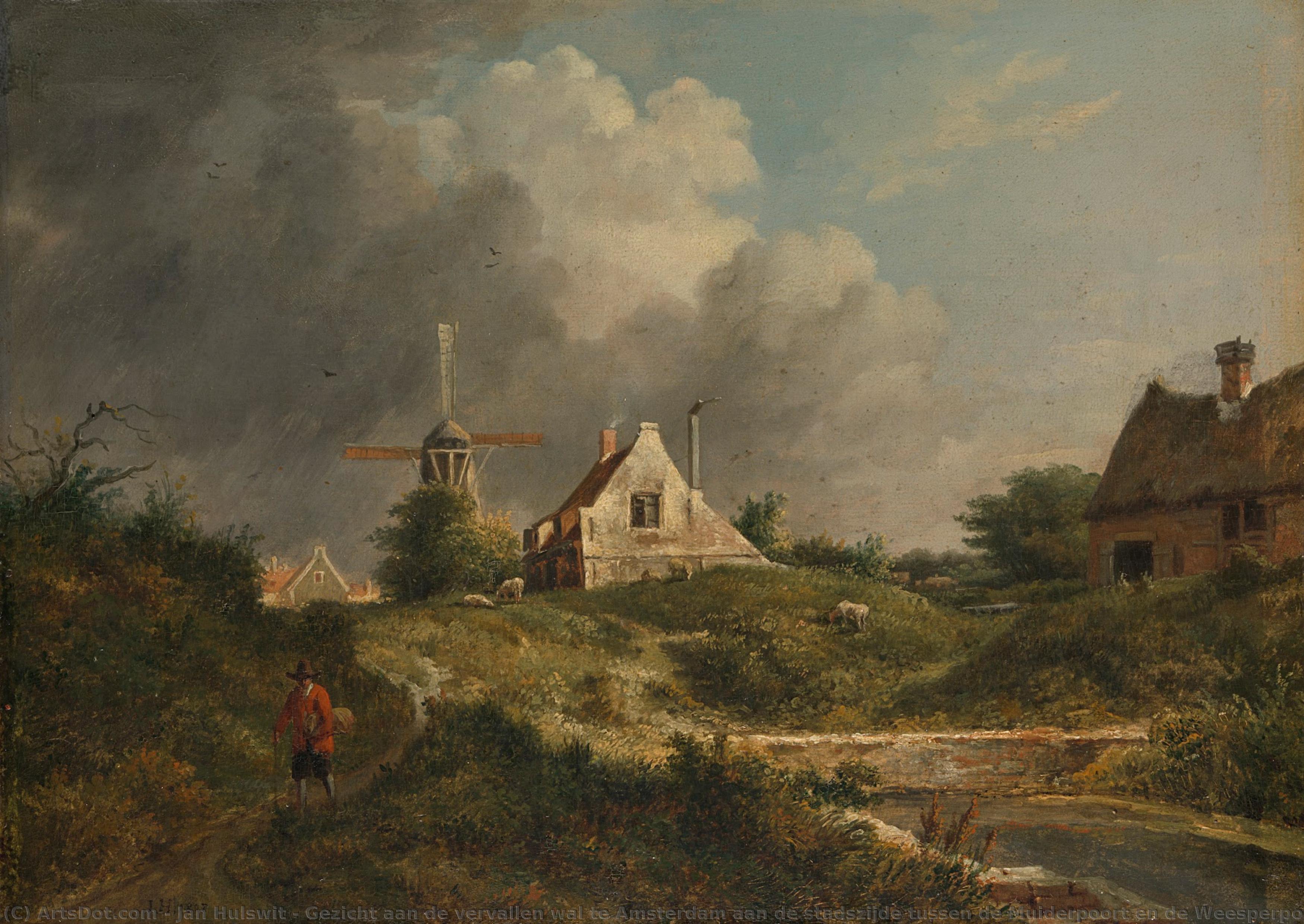
Gezicht aan de vervallen wal te Amsterdam aan de stadszijde tussen de Muiderpoort en de Weesperpoort, Jan Hulswit, 1807
 Dutch Golden Age
 1807
1807 32.0 x 45.0 cm
 Weiterlesen
Giclée / Kunstdruck
Giclée- oder Leinwanddruck in Museumsqualität mit schneller Produktion und flexiblen Veredelungsoptionen. ( Handgemalte Reproduktion bestellen Bild kaufen)




































Wählen Sie aus unseren vordefinierten Formaten, die den ursprünglichen Proportionen des Kunstwerks entsprechen.

Sie können Ihre eigenen Maße eingeben, um ein bestimmtes Format oder einen speziellen Platz einzupassen. Wenn das von Ihnen gewählte Format nicht den Proportionen des Originalbildes entspricht, werden wir das Kunstwerk entweder beschneiden oder das Bild mit einem gespiegelten oder einfarbigen Rand erweitern. Ein digitaler Entwurf wird Ihnen zur Genehmigung zugesandt, bevor die Produktion beginnt.
Bitte beachten Sie, dass die Vorschau auf dem Bildschirm nicht den tatsächlichen Zuschnitt oder die Erweiterung widerspiegelt. Nur der Entwurf zeigt die endgültige Komposition präzise an.
Obwohl Sondermaße verfügbar sind, empfehlen wir die Auswahl eines Maßes aus der vordefinierten Liste, um die ursprünglichen Proportionen zu bewahren.
Weltweiter Versand () innerhalb von 2 Wochen statt der üblichen 4/5 Wochen. (30 August)

Kostenloser weltweiter Expressversand

Hochwertige Leinenleinwand

Umfassender Versicherungsschutz beim Versand

Zollgebühren-Rückerstattungsgarantie

Garantie für exakte Farbtreue

60 Tage Rückgaberecht (nur bei Mängeln)

100% Geld-zurück-Garantie

Mengenrabatt verfügbar
 Die Glasoption ist nur für Größen unter 110 cm verfügbar.

Gezicht aan de vervallen wal te Amsterdam aan de stadszijde tussen de Muiderpoort en de Weesperpoort, Jan Hulswit, 1807
Giclée / Kunstdruck
Format der Reproduktion
-


Gesamtpreis
$ 62
Ähnliche Kunstwerke
Über den Künstler
A Life Immersed in Dutch Landscapes: The World of Jan Hulswit
Jan Hulswit, a name perhaps less celebrated than some of his contemporaries, nevertheless occupies a significant niche within the pantheon of 18th and early 19th-century Dutch landscape painting. Born in Amsterdam in 1766 and passing away in Nieuwer-Amstel in 1822, Hulswit’s life mirrored the shifting artistic currents of his time—a period transitioning from the formality of the Golden Age to a more Romantic sensibility. He wasn't merely a painter; he was a draughtsman, etcher, copyist, art dealer, and even a wallpaper painter, demonstrating a versatile talent that allowed him to navigate the complexities of the Dutch art market. His dedication to capturing the subtle nuances of his native countryside established him as a keen observer and skilled interpreter of the natural world.Early Training and Artistic Development
Hulswit’s artistic journey began with formal training, notably under Pieter Barbiers I, a respected landscapist who instilled in him a foundation of meticulous technique and an appreciation for realistic depiction. He also studied under Pieter Barbiers, further refining his skills. This early education proved crucial, shaping his approach to landscape painting which emphasized detailed observation and atmospheric rendering. While the specifics of his initial works remain somewhat elusive, it’s clear that Hulswit quickly developed a talent for capturing the light and shadow play across Dutch fields, waterways, and forests. He wasn't interested in grand historical narratives or dramatic allegories; instead, he focused on the quiet beauty of everyday scenes—a farmhouse nestled beside a canal, cattle grazing in a meadow, figures engaged in simple rural activities. This focus reflects a broader trend within Dutch art towards genre painting and landscape as subjects worthy of artistic attention in their own right.A Versatile Practitioner: Painting, Copying, and Commerce
The breadth of Hulswit’s professional life is striking. Beyond his original paintings and drawings, he was a proficient copyist, skillfully reproducing works by established masters—a common practice at the time that allowed artists to earn income while honing their technical abilities. His involvement in the art trade as an art dealer further demonstrates his deep understanding of artistic value and market dynamics. This multifaceted career wasn’t simply about financial necessity; it suggests a genuine passion for art in all its forms, from creation to appreciation and commerce. The fact that he also worked as a wallpaper painter indicates a willingness to embrace diverse artistic challenges and cater to a broad clientele. His work as an etcher allowed him to disseminate his images more widely, contributing to the growing popularity of Dutch landscape prints.Themes and Techniques: Capturing the Essence of Holland
Hulswit’s paintings are characterized by their serene atmosphere and meticulous attention to detail. He favored a palette of muted earth tones—greens, browns, grays—that perfectly evoke the subtle colors of the Dutch countryside. His compositions often feature horizontal lines—the horizon, canals, fields—creating a sense of calm and stability. While he wasn’t known for dramatic brushwork or bold experimentation, his skill lay in capturing the *feeling* of a place—the dampness of the air, the warmth of the sun, the gentle breeze rustling through the trees. Recurring motifs include rural dwellings, livestock, figures engaged in everyday tasks, and waterways that define the Dutch landscape. He often depicted scenes with a sense of quiet intimacy, inviting viewers to immerse themselves in the tranquility of the countryside. His drawings, executed in black chalk and wash, are particularly notable for their delicate lines and subtle shading, revealing his mastery of draughtsmanship.Legacy and Historical Significance
Although Hulswit may not be a household name, his work provides valuable insight into the artistic landscape of late 18th and early 19th-century Holland. His paintings offer a glimpse into the daily life and rural beauty of the Dutch countryside during a period of significant social and political change. He represents a continuation of the Dutch landscape tradition, albeit with a more subdued and intimate sensibility than some of his predecessors. While he didn’t revolutionize artistic technique or challenge established conventions, his dedication to capturing the essence of Holland—its light, its atmosphere, its quiet beauty—ensures his place as a noteworthy figure in the history of Dutch art. His works continue to be appreciated for their skillful execution, serene atmosphere, and evocative depiction of a bygone era.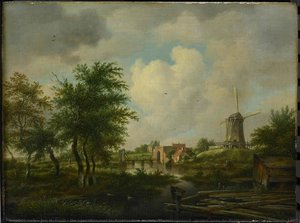
Kurzinfos
- Artistic Movement Or Style: Water polo player
- Date Of Birth: April 9, 1885
- Date Of Death: May 2, 1932
- Full Name: Jan Hulswit
- Nationality: Dutch
- Place Of Birth: Apeldoorn, Netherlands
Ähnliche Artikel
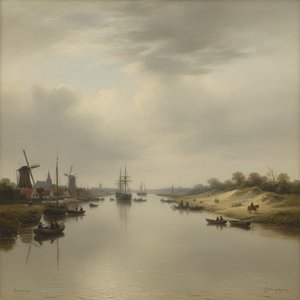
Jan van Goyen: Meister der niederländischen Landschaft und atmosphärische Perspektive
Entdecken Sie Jan van Goyens Meisterwerke der niederländischen Landschaftsmalerei! Analysieren Sie Realismus, atmosphärische Perspektive und seinen Einfluss auf die Kunstgeschichte. Expertenwissen & detaillierte Einblicke.

John Constable: Die 25 Meisterwerke des englischen Landschaftsgenies – ArtsDot
Entdecken Sie die 25 Meisterwerke von John Constable! Erleben Sie englische Landschaftsmalerei vom Hay Wain bis zur Stour Valley. Hochwertige Reproduktionen & Kunst für Ihr Zuhause auf ArtsDot.com.
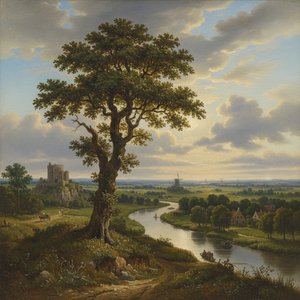
Jacob van Ruisdael: Meister der niederländischen Landschaft und die Evokation nationaler Identität
Entdecken Sie Jacob van Ruisdaels Meisterwerke der niederländischen Landschaftsmalerei! Erfahren Sie mehr über sein Leben, Werk und den Einfluss auf die Kunst des Goldenen Zeitalters. Expertenwissen & Sammlungsübersicht.
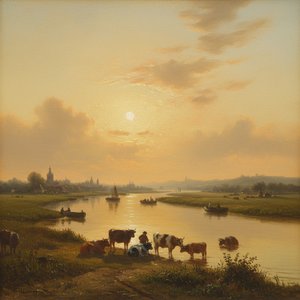
Aelbert Cuyp: Illuminating the Dutch Golden Age with Light & Landscape
Explore the luminous landscapes of Aelbert Cuyp, a master of the Dutch Golden Age. Discover his unique light, serene riverside scenes & lasting influence on art history. Learn more at ArtsDot.
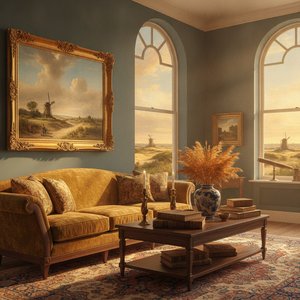
Golden Light & Dutch Skies: Bringing the Magic of Dutch Golden Age Landscapes into Your Home
Transform your home with the breathtaking light of Dutch Golden Age landscapes. Discover how hand-painted oil reproductions of masterworks like Ruisdael and Vermeer bring timeless elegance, atmosphere, and soulful texture to modern interiors. Elevate your space with museum-quality art.

