 Vorschau anzeigen
 Versenden
 Teilen
 Details anzeigen

 Herunterladen
 Ähnliche Objekte
 Röntgenaufnahme
 Diashow
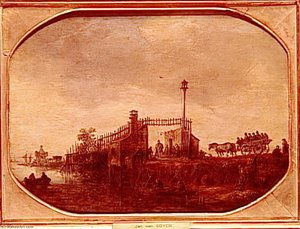
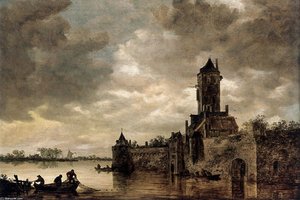
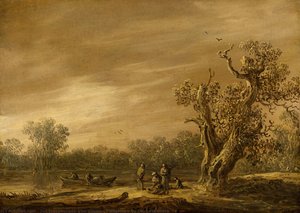
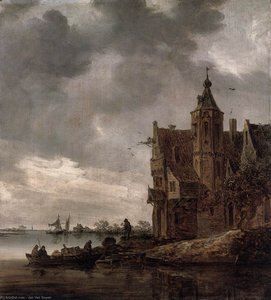
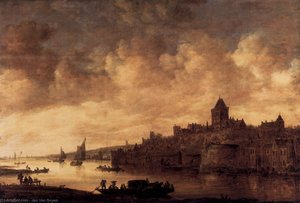
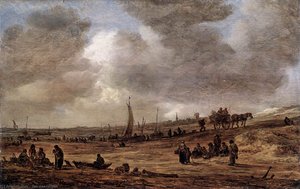
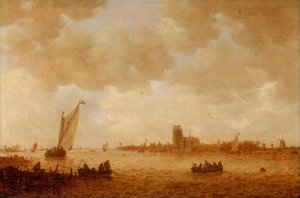
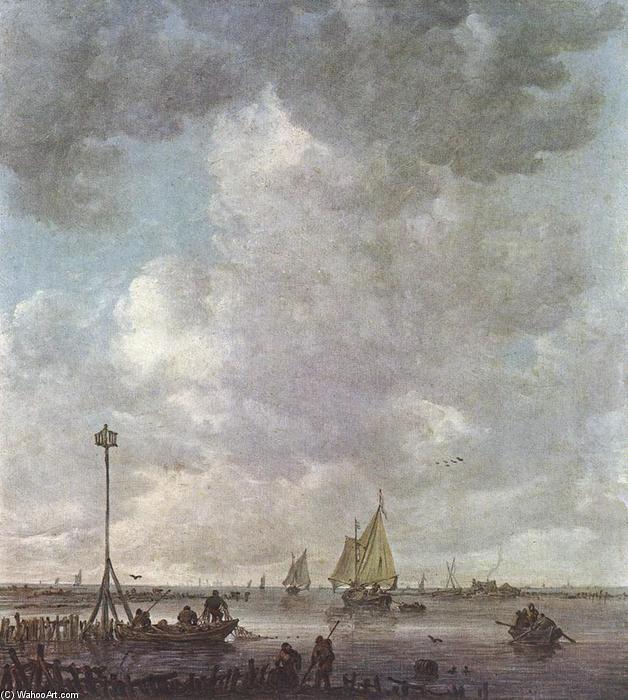
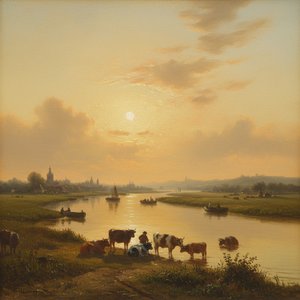
Marine Landscape with Fishermen
 Oil On Panel
- WallArt
- Dutch Golden Age Landscape
 36.0 x 32.0 cm
 Szépművészeti Múzeum
 Weiterlesen
Giclée / Kunstdruck
Giclée- oder Leinwanddruck in Museumsqualität mit schneller Produktion und flexiblen Veredelungsoptionen. ( Handgemalte Reproduktion bestellen Bild kaufen)




P118B $10

P118H $10

P118W $10

P438Z $10

P508JH $12

P508YH $12

P805H $10

P805Z $10

P919BZ $10

P919G $10

P919XJ $10

P959ZH $10

P968JZ $12

W106C $8

W218G $10

W218JH $8

W218Y $10

W307PJ $10

W316G $10

W316PJ $8

W316Y $10

W398PJ $8

W4111J $10

W500HY $15

W500JH $15

W692G $12

W849H $8

W940BG $15

W953PJ $8




Wählen Sie aus unseren vordefinierten Formaten, die den ursprünglichen Proportionen des Kunstwerks entsprechen.

Sie können Ihre eigenen Maße eingeben, um ein bestimmtes Format oder einen speziellen Platz einzupassen. Wenn das von Ihnen gewählte Format nicht den Proportionen des Originalbildes entspricht, werden wir das Kunstwerk entweder beschneiden oder das Bild mit einem gespiegelten oder einfarbigen Rand erweitern. Ein digitaler Entwurf wird Ihnen zur Genehmigung zugesandt, bevor die Produktion beginnt.
Bitte beachten Sie, dass die Vorschau auf dem Bildschirm nicht den tatsächlichen Zuschnitt oder die Erweiterung widerspiegelt. Nur der Entwurf zeigt die endgültige Komposition präzise an.
Obwohl Sondermaße verfügbar sind, empfehlen wir die Auswahl eines Maßes aus der vordefinierten Liste, um die ursprünglichen Proportionen zu bewahren.
Weltweiter Versand () innerhalb von 2 Wochen statt der üblichen 4/5 Wochen. (26 August)

Kostenloser weltweiter Expressversand

Hochwertige Leinenleinwand

Umfassender Versicherungsschutz beim Versand

Zollgebühren-Rückerstattungsgarantie

Garantie für exakte Farbtreue

60 Tage Rückgaberecht (nur bei Mängeln)

100% Geld-zurück-Garantie

Mengenrabatt verfügbar
 Die Glasoption ist nur für Größen unter 110 cm verfügbar.

Marine Landscape with Fishermen
Giclée / Kunstdruck
Format der Reproduktion
-


Gesamtpreis
$ 62
Sammlerstück-Beschreibung
A Serene Embrace: Jan van Goyen’s “Marine Landscape with Fishermen”
Jan Josephszoon van Goyen's "Marine Landscape with Fishermen" is more than just a depiction of a coastal scene; it’s a masterful distillation of the Dutch Golden Age’s fascination with light, atmosphere, and the quiet dignity of everyday life. Painted around 1640, this work resides within the Szépmûvészeti Múzeum in Budapest, Hungary, yet its roots lie firmly in the canals and waterways of the Netherlands – a landscape that profoundly shaped the artistic sensibilities of an entire nation.
The painting immediately draws the viewer into a world of muted tones and subtle gradations. Van Goyen, renowned for his ability to capture the ephemeral qualities of light and water, employs a remarkably restrained palette dominated by grays, browns, and greens. These aren’t vibrant, saturated colors; rather, they are carefully blended to create an illusion of depth and distance, mimicking the hazy atmosphere often found over bodies of water. The sky, heavy with suggestion rather than explicit detail, seems to press down upon the scene, while the reflections on the water shimmer with a ghostly quality.
The Language of Light and Shadow
Van Goyen’s technique is characterized by its remarkable economy of brushstrokes. He avoids meticulous detailing, instead focusing on capturing the *essence* of the landscape – its mood, texture, and the way light interacts with its surfaces. The boats, rendered in broad, confident strokes, are not sharply defined but rather suggested through a careful manipulation of shadow and reflection. This approach, rooted in the principles of atmospheric perspective, creates a sense of vastness and distance that is both captivating and profoundly calming.
The artist’s use of *tenebrism*, a technique borrowed from Caravaggio, subtly emphasizes certain areas while leaving others shrouded in darkness. The foreground figures, engaged in their work, are brought into sharp relief against the diffused light of the background, drawing the viewer's eye and creating a sense of intimacy within the expansive scene. The way he builds up layers of thin paint, allowing the underlying ground to peek through, adds to the painting’s luminous quality – it feels as though the light itself is emanating from the canvas.
A Window into Dutch Life
"Marine Landscape with Fishermen" offers a poignant glimpse into the lives of ordinary Dutch people during the 17th century. The fishermen, depicted in simple, functional clothing, are not heroic figures engaged in grand adventures; they are simply men working their trade, connected to the rhythms of nature and the necessities of life. Their presence speaks to the deep-seated connection between the Dutch people and the sea – a relationship that shaped their economy, culture, and identity.
The painting’s historical context is crucial to understanding its significance. During this period, the Netherlands was experiencing a remarkable economic boom fueled by trade and maritime exploration. The canals and waterways of the country were vital arteries of commerce, and the lives of those who worked on them – fishermen, merchants, shipbuilders – were central to the nation’s prosperity. Van Goyen's work serves as a quiet celebration of this industrious spirit.
Symbolism and Emotional Resonance
Beyond its realistic depiction of a coastal scene, “Marine Landscape with Fishermen” is imbued with a subtle sense of melancholy and contemplation. The muted colors, the hazy atmosphere, and the solitary figures all contribute to an overall feeling of quietude and introspection. It’s not a painting that shouts for attention; rather, it invites the viewer to pause, reflect, and connect with the timeless beauty of the natural world.
The painting's enduring appeal lies in its ability to evoke a sense of nostalgia – a longing for simpler times, for connection with nature, and for the quiet dignity of human endeavor. It’s a testament to Van Goyen’s skill as an artist and his profound understanding of the human condition.
Additional Research:
- Marine Landscape with Fishermen by GOYEN, Jan van
- jan josephszoon van goyen
- Marine Landscape with Fishermen
Useful Links:
Ähnliche Kunstwerke
Über den Künstler
Jan van Goyen: Ein Leben in Landschaft
Jan Josephszoon van Goyen (1596-1656) gilt als einer der bedeutendsten Landschaftsmaler des niederländischen Goldenen Zeitalters und prägte nachhaltig die Entwicklung der europäischen Landschaftsbildkunst. Seine Werke zeichnen sich durch eine außergewöhnliche Einfachheit, subtile Farbnuancen und eine sparsame Palette aus – hauptsächlich Grautöne, Braun und Grün – und verkörpern damit einen einzigartigen Stil, der bis heute Künstler inspiriert.Frühe Lebensgeschichte und Ausbildung
Seine Geburt fand am 13. Januar 1596 in Leiden statt, einer Stadt, die sich zu dieser Zeit durch eine florierende Kunstszene auszeichnete. Van Goyens Vater war Schuhmacher Joseph Jansz. van G., und seine Mutter Geertgen Dircxdr. van Eyck stammte ebenfalls aus Utrecht. Bereits im Alter von zehn Jahren begann er seine künstlerische Ausbildung in Leiden unter Anleitung verschiedener Meister, wobei insbesondere Esaias van de Velde in Haarlem eine zentrale Rolle spielte. Diese frühe Förderung legte den Grundstein für seine spätere künstlerische Entwicklung und prägte seinen einzigartigen Blick auf die Welt.Künstlerischer Stil und Entwicklung
Van Goyens Malstil ist sofort erkennbar durch seine Klarheit und natürliche Darstellung der Landschaft. Er verzichtete bewusst auf übermäßige Farbgebung und Detailreichtum, um stattdessen eine Atmosphäre einzufangen, die sowohl ruhig als auch tiefgründig wirkt. Seine frühen Arbeiten zeigen den Einfluss von Van de Velde deutlich, doch er entwickelte schnell einen eigenen Stil, der sich durch eine besondere Sensibilität für Licht und Schatten auszeichnete – ein Stil, der später von zahlreichen anderen Künstlern übernommen wurde. Er konzentrierte sich darauf, die Essenz des niederländischen Landes zu erfassen und damit einen wichtigen Beitrag zur Entwicklung der Landschaftsbildkunst zu leisten.Produktive Produktion und bedeutende Werke
Van Goyen war ein außergewöhnlich produktiver Künstler und schuf über 1.200 Gemälde sowie mehr als 1.000 Zeichnungen während seines Lebens. Zu seinen bekanntesten Werken zählen insbesondere die Darstellung eines Flusslandschaft mit Mühle, ein ikonisches Beispiel für seinen tonalen Landschaftsstil und eine beeindruckende Studie zum Thema Fischern am Seeufer. Diese Werke zeigen seine Fähigkeit, nicht nur die äußere Erscheinung der Natur zu imitieren, sondern auch ihre Stimmung und ihren Charakter einzufangen – eine Aufgabe, die ihm besondere Anerkennung einbrachte. Er arbeitete häufig mit Öl auf Leinwand und entwickelte innovative Techniken zur Darstellung von Licht und Schatten, die bis heute als Vorbild dienen.Einflüsse und Vermächtnis
Obwohl Van Goyen vom Einfluss anderer Künstler wie Jan Steen geprägt war, etablierte er sich dennoch als unabhängiger Meister und prägte damit maßgeblich den künstlerischen Geschmack seiner Zeit. Sein Stil wurde von zahlreichen Nachfolgern übernommen und gilt bis heute als eines der wichtigsten Werke des niederländischen Goldenen Zeitalters. Seine Kunstwerke erinnern an eine Epoche des wirtschaftlichen Aufschwungs und kultureller Kreativität und werden weiterhin von Künstlern und Kunstliebhabern weltweit gefeiert. Er hinterließ ein beeindruckendes künstlerisches Erbe, das auch heute noch die Geschichte der europäischen Kunstgeschichte prägt.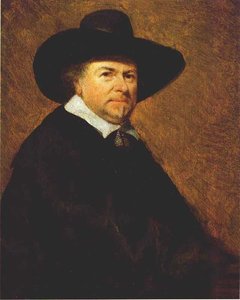
Jan van Goyen
1596 - 1656 , Niederlande
Kurzinfos
- Artistic Movement Or Style: Nederlands Gouden Eeuwschilderkunst
- Artists Or Movements Influenced By This Artist: Jan Steen
- Artists Who Influenced This Artist: Esaias van de Velde
- Date Of Birth: 1596-01-13
- Date Of Death: 1656-04-27
- Full Name: Jan Josephszoon van Goyen
- Nationality: Niederländisch
- Notable Artworks:
- Rivierlandschap met windmolen
- Vissersmans aan het meer
- Place Of Birth: Leiden, Niederlande
Ähnliche Artikel
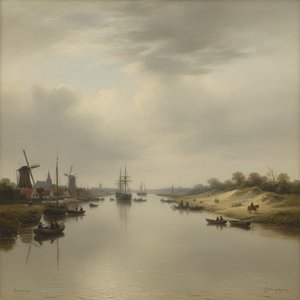
Jan van Goyen: Meister der niederländischen Landschaft und atmosphärische Perspektive
Entdecken Sie Jan van Goyens Meisterwerke der niederländischen Landschaftsmalerei! Analysieren Sie Realismus, atmosphärische Perspektive und seinen Einfluss auf die Kunstgeschichte. Expertenwissen & detaillierte Einblicke.

Rembrandts Meisterwerke: Die Top 25 Kunstwerke für Ihr Zuhause | ArtsDot
Entdecken Sie Rembrandts 25 berühmteste Kunstwerke! Tauchen Sie ein in die Welt des Barock, Licht und Schatten & historischer Porträts. Hochwertige Reproduktionen für Ihr Zuhause – jetzt auf ArtsDot.com!
Cornelis van Poelenburch: Bridging Mannerism & the Dutch Baroque Landscape
Discover Cornelis van Poelenburch, a pivotal Dutch Baroque landscape painter bridging Mannerism & Italianate styles. Explore his life, key works, and lasting influence on 17th-century art with ArtsDot.
Jacob van Ruisdael: Meister der niederländischen Landschaft und die Evokation nationaler Identität
Entdecken Sie Jacob van Ruisdaels Meisterwerke der niederländischen Landschaftsmalerei! Erfahren Sie mehr über sein Leben, Werk und den Einfluss auf die Kunst des Goldenen Zeitalters. Expertenwissen & Sammlungsübersicht.
Aelbert Cuyp: Illuminating the Dutch Golden Age with Light & Landscape
Explore the luminous landscapes of Aelbert Cuyp, a master of the Dutch Golden Age. Discover his unique light, serene riverside scenes & lasting influence on art history. Learn more at ArtsDot.