 Vorschau anzeigen
 Versenden
 Teilen
 Details anzeigen

 Herunterladen
 Ähnliche Objekte
 Röntgenaufnahme
 Diashow
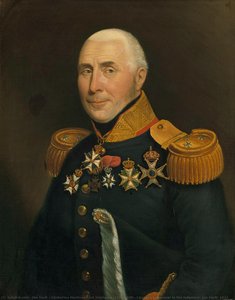
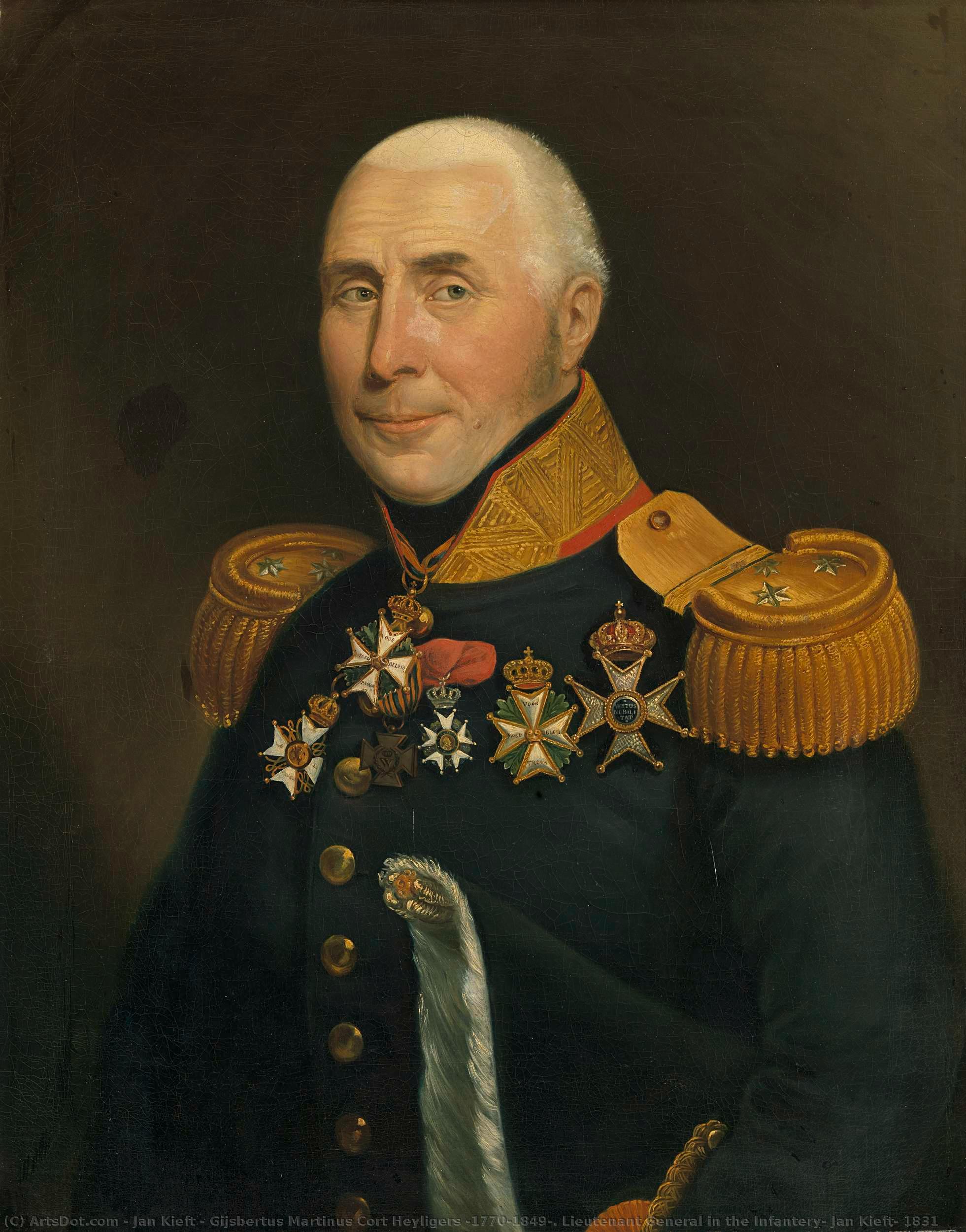
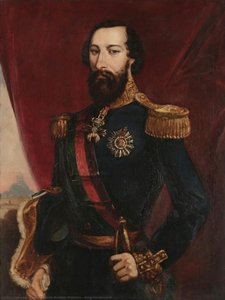
Gijsbertus Martinus Cort Heyligers (1770-1849). Lieutenant General in the Infantery, Jan Kieft, 1831
 1831
1831 75.0 x 58.0 cm
 Weiterlesen
Erwerben Sie ein hochauflösendes, optimiertes digitales Bild, das der Online-Vorschau weit überlegen ist.
Jede Datei wird von unseren hauseigenen Spezialisten mit modernsten Werkzeugen und fachmännischer manueller Retusche sorgfältig vorbereitet. Wir stellen sicher, dass jedes Bild eine außergewöhnliche Klarheit, präzise Farbgenauigkeit und feinste Details aufweist.
Die endgültige Datei wird innerhalb von 72 Stunden per E-Mail zugestellt und ist für den sofortigen Einsatz in professionellen, redaktionellen und Druckumgebungen optimiert. Es handelt sich um dieselbe Qualität, der führende Designstudios, Verlage und Galerien vertrauen.
Digitales Bild
Laden Sie eine hochauflösende Datei für die persönliche Präsentation, den Druck und kreative Projekte herunter. ( Druck bestellen Handgemalte Reproduktion bestellen)
In jeder Bestellung digitaler Bilder enthalten
Professionelle digitale Bereitstellung, garantiert
Wenn Sie sich für ArtsDot.com entscheiden, erhalten Sie nicht nur ein Bild – Sie erhalten ein professionell aufbereitetes digitales Kunstwerk, das mit höchster Präzision erstellt und durch eine Zufriedenheitsgarantie abgesichert wird. Hier ist alles, was automatisch mit Ihrer Bestellung geliefert wird:

Schnelle E-Mail-Zustellung
Ihre hochauflösende digitale Bilddatei wird Ihnen innerhalb von 72 Stunden nach der Bestellung per E-Mail zugestellt – bereit zur sofortigen Verwendung.

KI-optimierte digitale Datei
Ihre Kunstwerke werden professionell mithilfe fortschrittlicher KI-Tools und manueller Bearbeitung optimiert, um maximale Detailtreue, Klarheit und Farbgenauigkeit zu gewährleisten.

Lebenslanger kostenloser Neudruckservice
Datei versehentlich gelöscht oder verloren? Keine Sorge – wir senden sie Ihnen jederzeit kostenlos erneut zu.

Keine Einfuhrgebühren – jemals
Genießen Sie Ihr Kunstwerk sofort ohne Zollgebühren, Einfuhrabgaben oder Versandkosten – digitale Downloads sind immer steuerfrei.

Garantierte Farbtreue
Wir garantieren, dass Ihr digitales Bild mithilfe professioneller Werkzeuge und Farbmanagement die Originalfarben so präzise wie möglich wiedergibt.

100-Tage-Zufriedenheitsgarantie
Sollten Sie mit Ihrem digitalen Bild nicht zufrieden sein, werden wir es überarbeiten oder Ihnen innerhalb von 100 Tagen 100% erstatten – ohne Wenn und Aber.

100% Geld-zurück-Garantie
Nicht zufrieden? Erhalten Sie innerhalb von 100 Tagen nach Erhalt Ihrer digitalen Datei eine vollständige Rückerstattung – ohne Angabe von Gründen.

Rabatte bei Großbestellungen
3 Bilder kaufen, 10% sparen – 5 Bilder kaufen, 15% sparen – Ab 10 Bildern 20% sparen. Ideal für kreative Projekte, Galerien und Agenturen.
Ähnliche Kunstwerke







Biografie des Künstlers
A Portrait of Power: The Life and Work of Jan Kieft
Jan Kieft, a name perhaps less celebrated than many masters of his era, nevertheless occupies a fascinating niche in the history of portraiture. While biographical details remain scarce – a testament to the often-overlooked lives of artists specializing in capturing the likenesses of others – Kieft’s surviving work speaks volumes about his skill and the society he inhabited. He was active during a period of significant political and social change, and his portraits offer a compelling glimpse into the world of 19th-century Dutch military leadership.
Early Life and Artistic Development
Born in , Kieft’s early life remains shrouded in mystery. The absence of extensive documentation suggests he may not have come from a prominent artistic family, or that records simply haven't survived the passage of time. What *is* clear is his dedication to portraiture, a genre demanding both technical precision and an understanding of human character. His style, as evidenced in works like “Gijsbertus Martinus Cort Heyligers (1770-1849). Lieutenant General in the Infantery,” reveals a meticulous approach to detail – from the crisp rendering of military uniform to the subtle nuances of facial expression. This suggests a period of rigorous training, possibly under an established master whose name has been lost to history.
The Portrait as Historical Document
Kieft’s most notable work, the portrait of Gijsbertus Martinus Cort Heyligers, is more than just a likeness; it's a historical document in paint. Completed in 1831, the painting depicts Heyligers, a Lieutenant General in the Infantry, at a pivotal moment in Dutch history. The composition itself speaks to his status – the formal pose, the rich colors of his uniform, and the implied authority in his gaze all contribute to an image of power and responsibility. The artist’s attention to detail extends beyond Heyligers himself; the background elements, though subdued, likely held symbolic meaning for the sitter and his contemporaries. Kieft's ability to convey not just *what* someone looked like, but *who* they were within their societal context is a hallmark of his artistry.
Technique and Style
Kieft’s technique appears rooted in the traditions of Dutch Realism. He favored a smooth application of paint, creating a polished surface that emphasizes clarity and form. His use of light and shadow is subtle yet effective, modeling the features of his subjects with remarkable accuracy. Unlike some Romantic painters who prioritized emotional expression, Kieft seems to have focused on objective representation. This isn’t to say his portraits are devoid of personality; rather, he allowed the sitter's character to emerge through careful observation and skillful execution. The portrait of Cort Heyligers exemplifies this approach – a dignified, restrained portrayal that captures the essence of a seasoned military leader.
Legacy and Historical Significance
Though not widely known today, Jan Kieft’s work offers valuable insights into 19th-century Dutch society and the art of portraiture. His portraits serve as important visual records of individuals who played significant roles in their time. While further research is needed to fully understand his life and artistic development, Kieft's surviving paintings demonstrate a mastery of technique and a keen eye for capturing the likeness – and the essence – of his subjects. His contribution lies not in groundbreaking innovation, but in the skillful execution of a time-honored tradition, preserving the faces and stories of a bygone era.