 Vorschau anzeigen
 Versenden
 Teilen
 Details anzeigen

 Herunterladen
 Ähnliche Objekte
 Röntgenaufnahme
 Diashow
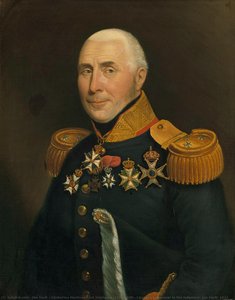
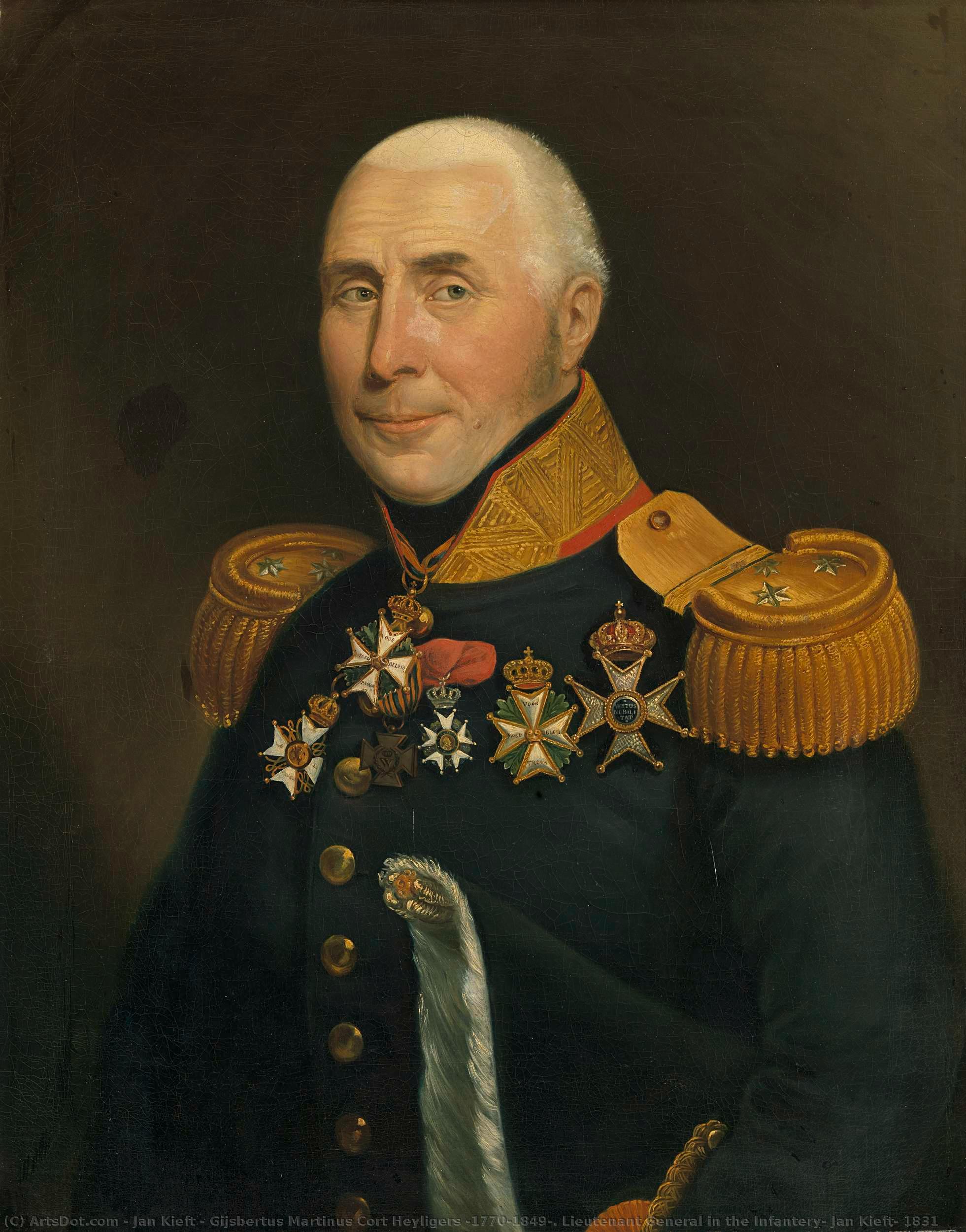
Gijsbertus Martinus Cort Heyligers (1770-1849). Lieutenant General in the Infantery, Jan Kieft, 1831
 1831
1831 75.0 x 58.0 cm
 Weiterlesen
Giclée / Kunstdruck
Giclée- oder Leinwanddruck in Museumsqualität mit schneller Produktion und flexiblen Veredelungsoptionen. ( Handgemalte Reproduktion bestellen Bild kaufen)




































Wählen Sie aus unseren vordefinierten Formaten, die den ursprünglichen Proportionen des Kunstwerks entsprechen.

Sie können Ihre eigenen Maße eingeben, um ein bestimmtes Format oder einen speziellen Platz einzupassen. Wenn das von Ihnen gewählte Format nicht den Proportionen des Originalbildes entspricht, werden wir das Kunstwerk entweder beschneiden oder das Bild mit einem gespiegelten oder einfarbigen Rand erweitern. Ein digitaler Entwurf wird Ihnen zur Genehmigung zugesandt, bevor die Produktion beginnt.
Bitte beachten Sie, dass die Vorschau auf dem Bildschirm nicht den tatsächlichen Zuschnitt oder die Erweiterung widerspiegelt. Nur der Entwurf zeigt die endgültige Komposition präzise an.
Obwohl Sondermaße verfügbar sind, empfehlen wir die Auswahl eines Maßes aus der vordefinierten Liste, um die ursprünglichen Proportionen zu bewahren.
Weltweiter Versand () innerhalb von 2 Wochen statt der üblichen 4/5 Wochen. (7 September)

Kostenloser weltweiter Expressversand

Hochwertige Leinenleinwand

Umfassender Versicherungsschutz beim Versand

Zollgebühren-Rückerstattungsgarantie

Garantie für exakte Farbtreue

100-Tage-Rückgaberecht (nur bei Mängeln)

100% Geld-zurück-Garantie

Mengenrabatt verfügbar
 Die Glasoption ist nur für Größen unter 110 cm verfügbar.

Gijsbertus Martinus Cort Heyligers (1770-1849). Lieutenant General in the Infantery, Jan Kieft, 1831
Giclée / Kunstdruck
Format der Reproduktion
-


Gesamtpreis
$ 62
Ähnliche Kunstwerke






Über den Künstler
A Portrait of Power: The Life and Work of Jan Kieft
Jan Kieft, a name perhaps less celebrated than many masters of his era, nevertheless occupies a fascinating niche in the history of portraiture. While biographical details remain scarce – a testament to the often-overlooked lives of artists specializing in capturing the likenesses of others – Kieft’s surviving work speaks volumes about his skill and the society he inhabited. He was active during a period of significant political and social change, and his portraits offer a compelling glimpse into the world of 19th-century Dutch military leadership.
Early Life and Artistic Development
Born in , Kieft’s early life remains shrouded in mystery. The absence of extensive documentation suggests he may not have come from a prominent artistic family, or that records simply haven't survived the passage of time. What *is* clear is his dedication to portraiture, a genre demanding both technical precision and an understanding of human character. His style, as evidenced in works like “Gijsbertus Martinus Cort Heyligers (1770-1849). Lieutenant General in the Infantery,” reveals a meticulous approach to detail – from the crisp rendering of military uniform to the subtle nuances of facial expression. This suggests a period of rigorous training, possibly under an established master whose name has been lost to history.
The Portrait as Historical Document
Kieft’s most notable work, the portrait of Gijsbertus Martinus Cort Heyligers, is more than just a likeness; it's a historical document in paint. Completed in 1831, the painting depicts Heyligers, a Lieutenant General in the Infantry, at a pivotal moment in Dutch history. The composition itself speaks to his status – the formal pose, the rich colors of his uniform, and the implied authority in his gaze all contribute to an image of power and responsibility. The artist’s attention to detail extends beyond Heyligers himself; the background elements, though subdued, likely held symbolic meaning for the sitter and his contemporaries. Kieft's ability to convey not just *what* someone looked like, but *who* they were within their societal context is a hallmark of his artistry.
Technique and Style
Kieft’s technique appears rooted in the traditions of Dutch Realism. He favored a smooth application of paint, creating a polished surface that emphasizes clarity and form. His use of light and shadow is subtle yet effective, modeling the features of his subjects with remarkable accuracy. Unlike some Romantic painters who prioritized emotional expression, Kieft seems to have focused on objective representation. This isn’t to say his portraits are devoid of personality; rather, he allowed the sitter's character to emerge through careful observation and skillful execution. The portrait of Cort Heyligers exemplifies this approach – a dignified, restrained portrayal that captures the essence of a seasoned military leader.
Legacy and Historical Significance
Though not widely known today, Jan Kieft’s work offers valuable insights into 19th-century Dutch society and the art of portraiture. His portraits serve as important visual records of individuals who played significant roles in their time. While further research is needed to fully understand his life and artistic development, Kieft's surviving paintings demonstrate a mastery of technique and a keen eye for capturing the likeness – and the essence – of his subjects. His contribution lies not in groundbreaking innovation, but in the skillful execution of a time-honored tradition, preserving the faces and stories of a bygone era.