 Vorschau anzeigen
 Versenden
 Teilen
 Details anzeigen

 Herunterladen
 Ähnliche Objekte
 Röntgenaufnahme
 Diashow
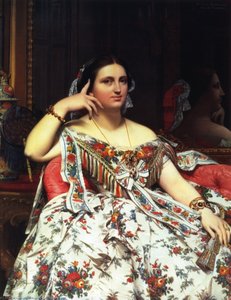
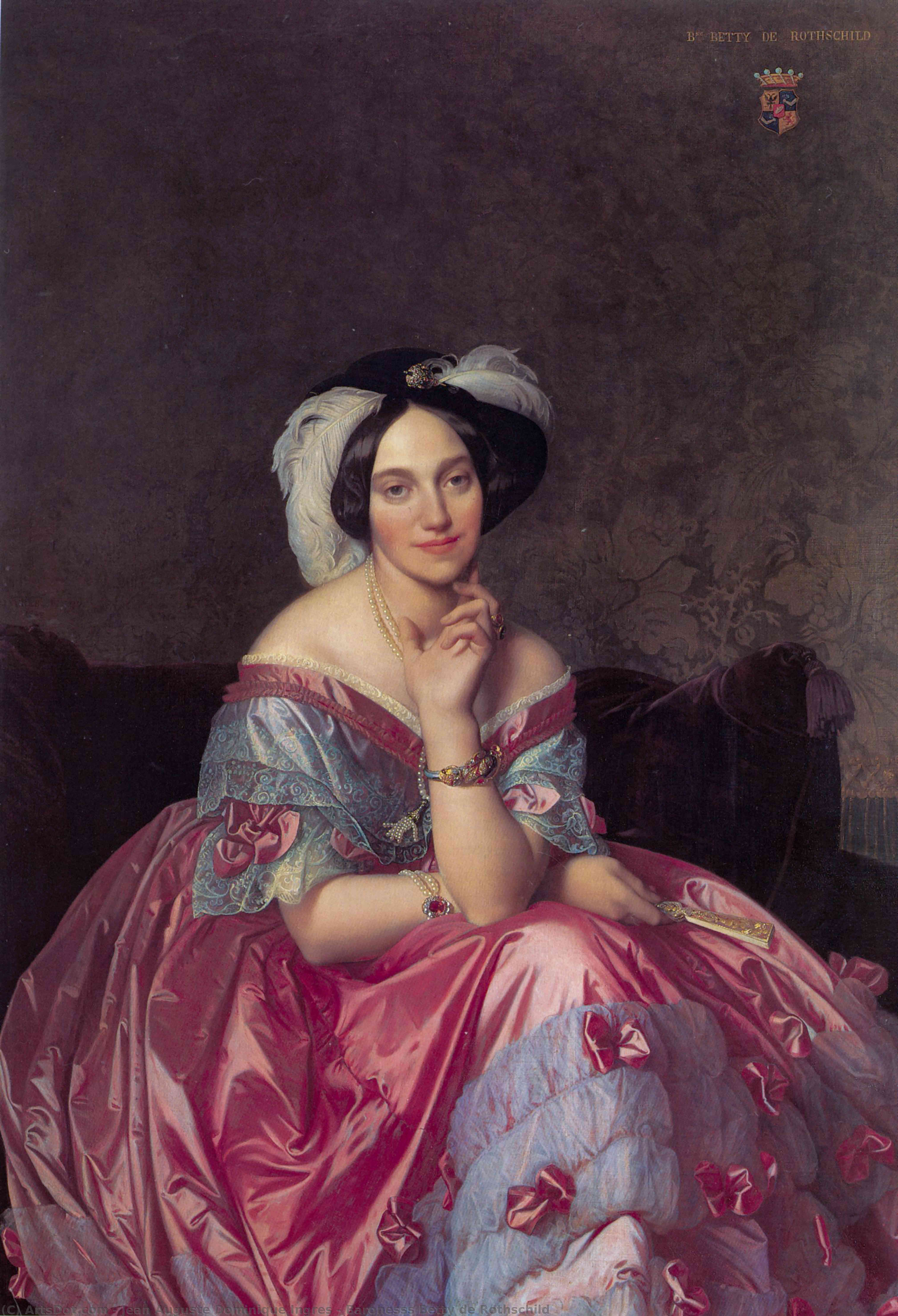
Baronesss Betty de Rothschild
 Oil On Canvas
- WallArt
- Neoclassical Style
 1848
1848- 19th Century
 141.0 x 101.0 cm
 Weiterlesen
Handgefertigte Ölreproduktion
Handgemaltes Ölgemälde auf Leinwand in Ihrer Wunschgröße und mit Rahmen, auf Bestellung von unseren Künstlern angefertigt. ( Druck bestellen Bild kaufen)




P118B $10

P118H $10

P118W $10

P438Z $10

P508JH $12

P508YH $12

P805H $10

P805Z $10

P919BZ $10

P919G $10

P919XJ $10

P959ZH $10

P968JZ $12

W106C $8

W218G $10

W218JH $8

W218Y $10

W307PJ $10

W316G $10

W316PJ $8

W316Y $10

W398PJ $8

W4111J $10

W500HY $15

W500JH $15

W692G $12

W849H $8

W940BG $15

W953PJ $8




Wählen Sie aus unseren vordefinierten Formaten, die den ursprünglichen Proportionen des Kunstwerks entsprechen.

Sie können Ihre eigenen Maße eingeben, um einen bestimmten Rahmen oder Platz auszufüllen. Wenn die gewählte Größe nicht den Proportionen des Originalbildes entspricht, werden wir das Kunstwerk entweder beschneiden oder das Gemälde durch zusätzliche, handgemalte Elemente erweitern. Ein digitales Mockup wird Ihnen zur Genehmigung zugesandt, bevor die Produktion beginnt.
Bitte beachten Sie, dass die Bildschirmvorschau nicht die tatsächliche Beschneidung oder Erweiterung widerspiegelt. Nur das Mockup zeigt die endgültige Komposition exakt an.
Obwohl Sondermaße verfügbar sind, empfehlen wir, eine Größe aus der vordefinierten Liste zu wählen, um die ursprünglichen Proportionen beizubehalten.
Nach der Bestellung wird das ArtsDot.com-Team dem Kunden Anweisungen per E-Mail zusenden und eine Mockup-Vorschau bereitstellen.
Weltweiter Versand () in nur 3 bis 4 Wochen statt der üblichen 5 Wochen. (28 August). Keine Kompromisse bei der Qualität.

Kostenloser weltweiter Expressversand

Hochwertige Leinenleinwand

Umfassender Versicherungsschutz beim Versand

Zollgebühren-Rückerstattungsgarantie

Garantie für exakte Farbtreue

60 Tage Rückgaberecht (nur bei Mängeln)

100% Geld-zurück-Garantie

Mengenrabatt verfügbar
 Die Glasoption ist nur für Größen unter 110 cm verfügbar.

Baronesss Betty de Rothschild
Art der Reproduktion
Format der Reproduktion
-


Gesamtpreis
$ 263
A Vision of Neoclassical Elegance
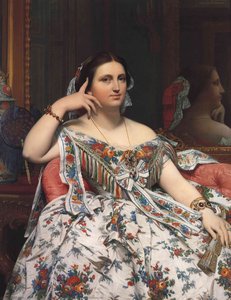
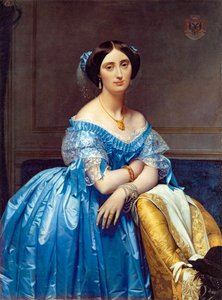
In the grand tapestry of nineteenth-century portraiture, few works capture the serene majesty of the era as exquisitely as Jean-Auguste-Dominique Ingres’s 1848 masterpiece, Baroness Betty de Rothschild. This oil on canvas is not merely a likeness of a noblewoman; it is an evocative window into a world of refined grace and social poise. The Baroness is presented in a moment of quiet splendor, draped in a stunning pink dress that radiates a soft, luminous glow. A striking blue sash cinches her waist, providing a sophisticated color contrast that draws the eye toward the meticulous craftsmanship of her attire. Her hair, elegantly swept into a classic bun, complements the balanced proportions that define the Neoclassical ideal, while her poised demeanor suggests a soul both tranquil and commanding.
The composition is masterfully orchestrated to evoke a sense of timelessness. Set against the subtle depth of a plush couch, the subject emerges from a soft, diffused light that highlights the delicate textures of lace, silk, and skin. This careful use of lighting creates an intimate atmosphere, inviting the viewer to lean in and appreciate the intricate details—from the gentle folds of her gown to the contemplative expression on her face. For the discerning collector or interior designer, this painting offers a profound sense of equilibrium, making it an ideal centerpiece for spaces that demand a touch of historical prestige and sophisticated calm.
The Mastery of Line and Tradition
As a titan of the Neoclassical movement, Ingres was renowned for his unwavering devotion to line and form. In this portrait, his technical prowess is on full display through the precision of his contours and the smooth, almost porcelain-like finish of the subject's features. Unlike the turbulent energy of the Romantic painters, Ingres sought a return to the clarity and order of ancient Greek and Roman aesthetics. Every brushstroke in Baroness Betty de Rothschild serves this pursuit of perfection, creating a surface so refined that it feels sculptural in its execution.
The technique employed here transcends simple representation; it is an exercise in controlled beauty. The way the light interacts with the heavy fabrics and the subtle shadows beneath the Baroness's features demonstrates a profound understanding of volume and weight. This mastery of form ensures that the painting retains its impact across different lighting environments, whether placed in a sunlit gallery or a moody, dimly lit study. It is this enduring technical excellence that makes a high-quality reproduction of this work such a compelling acquisition for those looking to infuse their surroundings with the dignity of the French academic tradition.
A Legacy of Grace and Historical Splendor
To behold this portrait is to engage with a pivotal moment in art history. Created during a period of significant social transition, the painting stands as a testament to the enduring power of classical motifs within contemporary portraiture. The work belongs to the prestigious collection of the Musée de l'Armée in Paris, a setting that underscores its historical importance. Beyond the physical beauty of the Baroness, the painting carries an emotional weight—a sense of nostalgia for an era defined by etiquette, elegance, and the pursuit of aesthetic harmony.
For those seeking to decorate with purpose, this artwork provides more than just visual appeal; it offers a narrative of strength and refinement. The soft, contemplative mood of the subject can transform a room, providing a focal point that inspires reflection and admiration. Whether you are an art enthusiast captivated by the history of the Rothschild lineage or a designer looking for a piece that embodies the pinnacle of nineteenth-century fashion and class, this reproduction serves as a bridge to a more graceful age, bringing the incomparable spirit of Ingres into the modern home.
Ähnliche Kunstwerke


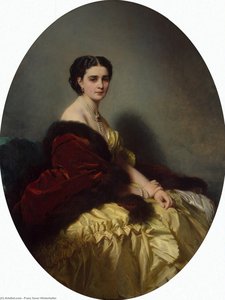
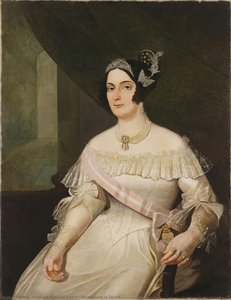
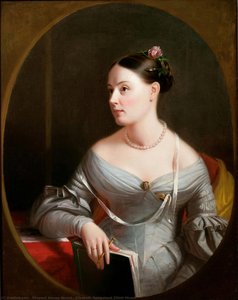
Über den Künstler
Jean-Auguste-Dominique Ingres: Ein Meister des Neoklassizismus
- Geboren: 29. August 1780, Montauban, Frankreich
- Gestorben: 14. Januar 1867, Paris
Frühes Leben und Ausbildung
Jean-Auguste-Dominique Ingres wurde in eine bescheidene Familie in Montauban geboren. Sein Vater, Jean-Marie-Joseph Ingres, war Maler und Bildhauer und vermittelte ihm so ein frühes künstlerisches Fundament. Ingres erhielt zunächst Unterricht von seinem Vater, bevor er an der Académie Royale de Peinture, Sculpture et Architecture in Toulouse unter Guillaume-Joseph Roques eingeschrieben wurde. 1797 zog er nach Paris, um bei Jacques-Louis David zu studieren, einer führenden Figur des Neoklassizismus. Diese Mentorschaft erwies sich als entscheidend für Ingres' künstlerische Entwicklung.
Künstlerische Entwicklung und Einflüsse
Ingres’ Stil war tief in den Traditionen der italienischen Renaissance und flämischer Meister wie Raffael und Nicolas Poussin verwurzelt. Er studierte ihre Werke akribisch und bemühte sich, deren Klarheit, Eleganz und idealisierte Formen nachzuahmen. Der Einfluss von Jacques-Louis David zeigt sich auch in Ingres' anfänglicher Einhaltung neoklassizistischer Prinzipien – einem Fokus auf Linie, Form und historische oder mythologische Themen. Allerdings entwickelte Ingres allmählich seinen eigenen unverwechselbaren Stil, der durch eine einzigartige Mischung aus Präzision und Sinnlichkeit gekennzeichnet ist.
Wichtige Werke und Stil
Ingres erlangte bedeutende Anerkennung durch mehrere bemerkenswerte Werke:
- Die Boten des Agamemnon in Achills Zelt (1801): Dieses Gemälde brachte ihm den Prix de Rome ein, was einen Wendepunkt in seiner Karriere markierte.
- Der Eid Ludwigs XIII. (1827): Ein Werk, das seinen raffaelesken Stil demonstriert und ihm weitreichenden Ruhm einbrachte.
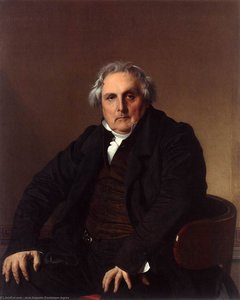
- Porträt von Monsieur Bertin (1833-1834): Dieses Porträt markierte eine Zeit des großen Erfolgs und zeigte seine Fähigkeit, den individuellen Charakter einzufangen.
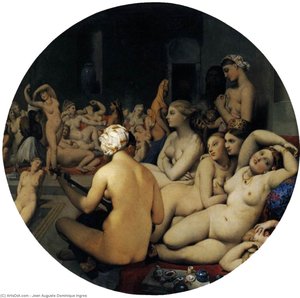
- Das türkische Bad (1862): Eines seiner späteren Werke und ein Beispiel für seine Orientalistenmalerei mit Aktendarstellungen, fertiggestellt als er 83 Jahre alt war.
Ingres' Porträts werden besonders für ihre ausdrucksstarke Verzerrung von Form und Raum gefeiert – eine Abweichung von streng neoklassizistischen Konventionen, die moderne Kunstrichtungen vorwegnahm. Er verwendete einen linearen Stil mit präzisen Konturen und lebendigen Farben und erzeugte oft eine Illusion der Tiefe durch subtile Schattierungen.
Vermächtnis und historische Bedeutung
Ingres’ Vermächtnis reicht weit über seine eigene umfangreiche Produktion hinaus. Er hatte einen tiefgreifenden Einfluss auf nachfolgende Generationen von Künstlern, darunter Henri Matisse und Pablo Picasso, die seinen innovativen Ansatz in Bezug auf Form und Komposition bewunderten. Sein Engagement für klassische Ideale bei gleichzeitiger Überschreitung der Grenzen künstlerischen Ausdrucks festigte seine Position als Brücke zwischen Neoklassizismus und Moderne. Ingres’ Werke werden weiterhin in wichtigen Museen weltweit ausgestellt, was Zeugnis von ihrer bleibenden Schönheit und historischen Bedeutung ist.
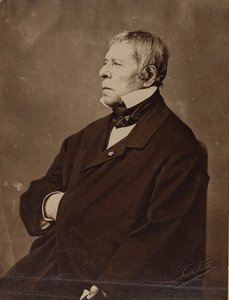
Jean-Auguste-Dominique Ingres
1780 - 1867 , Frankreich
Kurzinfos
- Beeinflusste Künstler:
- Raphael
- Nicolas Poussin
- Jacques-Louis David
- Bemerkenswerte Werke:
- Die Botschafter Agamemnons
- Der Eid Ludwigs XIII.
- Porträt von Monsieur Bertin
- Das türkische Bad
- Geburtsdatum: 29. August 1780
- Geburtsort: Montauban, Frankreich
- Künstlerische Richtung: Neoklassizismus
- Nationalität: Französisch
- Sterbedatum: 14. Januar 1867
- Vollständiger Name: Jean-Auguste-Dominique Ingres
- Von Ihm Beeinflusste Künstler:
- Henri Matisse
- Pablo Picasso
Ähnliche Artikel

The Enduring Legacy of Oil on Canvas: Technique, History & Aesthetic Impact
Explore the rich history & techniques of oil painting – from Renaissance masters to Impressionism. Discover pigments, layering methods, and why this timeless medium endures. Expert insights for artists & art enthusiasts.

The Enduring Power of Painting: A Historical & Contemporary Exploration of Form and Emotion
Explore the rich history & enduring techniques of oil painting with ArtsDot. Discover masterpieces, learn about art collecting, and find authentic handmade reproductions crafted by skilled artists.

Öl auf Leinwand: Eine historische und technische Erkundung eines zeitlosen künstlerischen Mediums
Entdecken Sie die faszinierende Welt der Ölmalerei! Von historischen Techniken bis zur modernen Anwendung – wir bieten Expertenwissen, Restaurierungstipps und hochwertige Reproduktionen. Jetzt informieren!

Die bleibende Ästhetik der Porträtmalerei: Emotionale Verbindungen und das Erbe der Erinnerung auf Leinwand
Entdecken Sie die bleibende Ästhetik der Porträtmalerei! Maßgefertigte Auftragsporträts, hochwertige Reproduktionen & Kunstberatung von Experten. Erschaffen Sie zeitlose Erinnerungsstücke.

Das bleibende Erbe der Ölmalerei: Technik, Geschichte und zeitgenössische Praxis
Entdecken Sie die faszinierende Geschichte der Ölmalerei – von den frühen Techniken bis zur modernen Kunst. Expertenwissen, detaillierte Analysen und Inspiration für Sammler & Kunstliebhaber.