 Vorschau anzeigen
 Versenden
 Teilen
 Details anzeigen

 Herunterladen
 Ähnliche Objekte
 Röntgenaufnahme
 Diashow
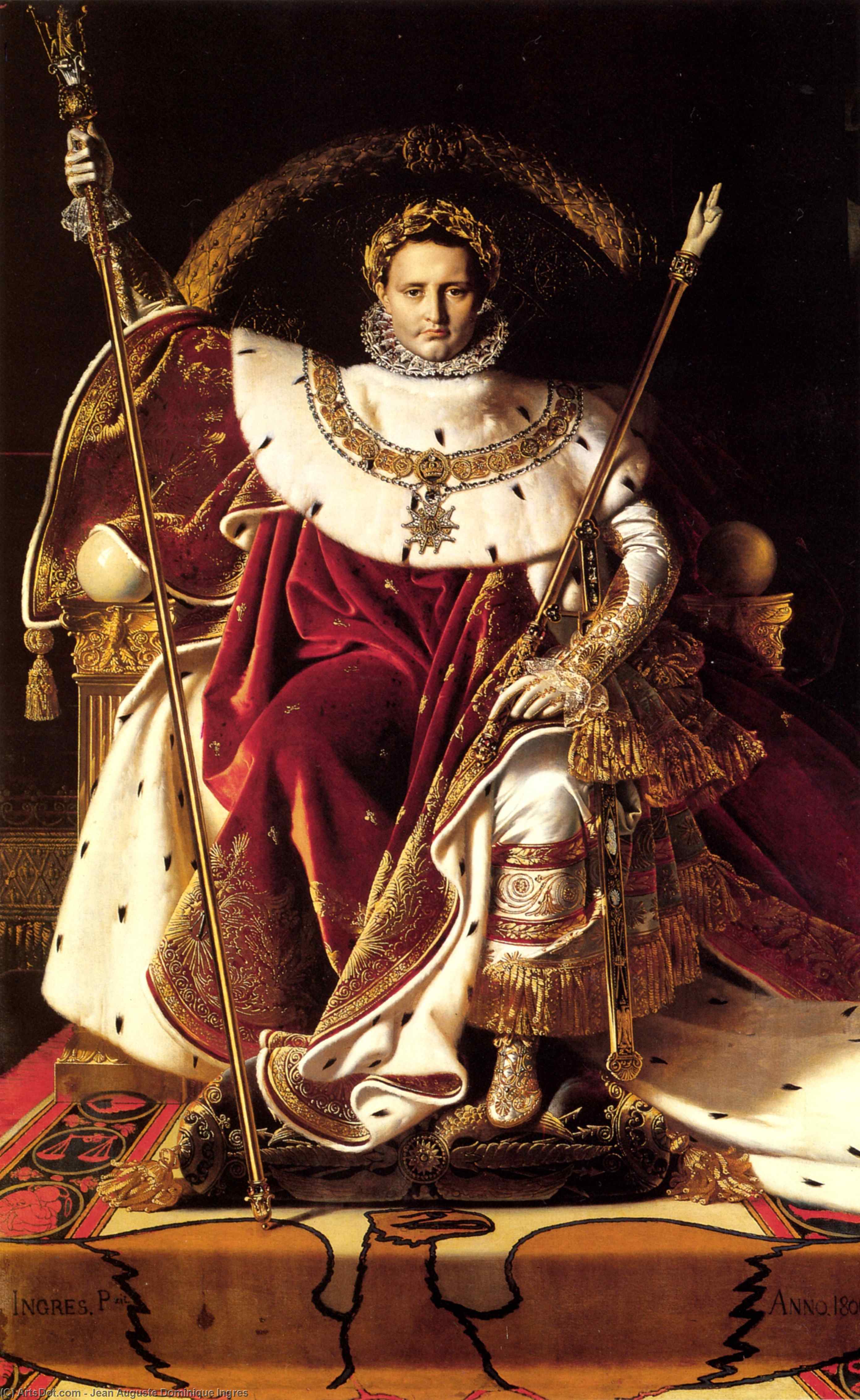
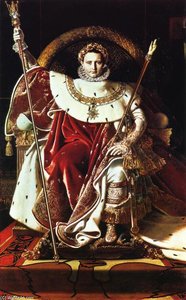
Napoleon I on His Imperial Throne-large


 Weiterlesen
Handgefertigte Ölreproduktion
Handgemaltes Ölgemälde auf Leinwand in Ihrer Wunschgröße und mit Rahmen, auf Bestellung von unseren Künstlern angefertigt. ( Druck bestellen Bild kaufen)




P118B $10

P118H $10

P118W $10

P438Z $10

P508JH $12

P508YH $12

P805H $10

P805Z $10

P919BZ $10

P919G $10

P919XJ $10

P959ZH $10

P968JZ $12

W106C $8

W218G $10

W218JH $8

W218Y $10

W307PJ $10

W316G $10

W316PJ $8

W316Y $10

W398PJ $8

W4111J $10

W500HY $15

W500JH $15

W692G $12

W849H $8

W940BG $15

W953PJ $8




Wählen Sie aus unseren vordefinierten Formaten, die den ursprünglichen Proportionen des Kunstwerks entsprechen.

Sie können Ihre eigenen Maße eingeben, um einen bestimmten Rahmen oder Platz auszufüllen. Wenn die gewählte Größe nicht den Proportionen des Originalbildes entspricht, werden wir das Kunstwerk entweder beschneiden oder das Gemälde durch zusätzliche, handgemalte Elemente erweitern. Ein digitales Mockup wird Ihnen zur Genehmigung zugesandt, bevor die Produktion beginnt.
Bitte beachten Sie, dass die Bildschirmvorschau nicht die tatsächliche Beschneidung oder Erweiterung widerspiegelt. Nur das Mockup zeigt die endgültige Komposition exakt an.
Obwohl Sondermaße verfügbar sind, empfehlen wir, eine Größe aus der vordefinierten Liste zu wählen, um die ursprünglichen Proportionen beizubehalten.
Nach der Bestellung wird das ArtsDot.com-Team dem Kunden Anweisungen per E-Mail zusenden und eine Mockup-Vorschau bereitstellen.
Weltweiter Versand () in nur 3 bis 4 Wochen statt der üblichen 5 Wochen. (22 August). Keine Kompromisse bei der Qualität.

Kostenloser weltweiter Expressversand

Hochwertige Leinenleinwand

Umfassender Versicherungsschutz beim Versand

Zollgebühren-Rückerstattungsgarantie

Garantie für exakte Farbtreue

60 Tage Rückgaberecht (nur bei Mängeln)

100% Geld-zurück-Garantie

Mengenrabatt verfügbar
 Die Glasoption ist nur für Größen unter 110 cm verfügbar.

Napoleon I on His Imperial Throne-large
Art der Reproduktion
Format der Reproduktion
-


Gesamtpreis
$ 263
Beschreibung des Kunstwerks
The Majesty of Command: An Encounter with Imperial Grandeur
In the presence of Jean-Auguste-Dominique Ingres’s Napoleon I on His Imperial Throne, one does not merely observe a portrait; one experiences an encounter with absolute sovereignty. This monumental work serves as a breathtaking testament to the heights of Neoclassical ambition, capturing the Emperor not just as a man, but as a living icon of power. The composition is anchored by the imposing figure of Napoleon, seated upon a throne that seems to command the very space around it. Clad in opulent royal regalia, his posture is one of unshakeable stability and divine right. Every element, from the weight of his heavy, embroidered robes to the deliberate placement of his hands, contributes to an atmosphere of profound authority that transcends the canvas.
The visual narrative is enriched by a meticulous attention to detail that invites the viewer into a world of splendor and ceremony. As the eye wanders across the scene, it encounters the sharp, precise edges of the imperial regalia and the glint of ceremonial swords, symbols of both justice and conquest. The background, though subtly composed, provides a sense of depth and courtly presence, suggesting a larger world revolving around this singular, central sun of the French Empire. For the discerning collector or interior designer, this piece offers more than just decoration; it provides a focal point of historical gravity, capable of anchoring a room with its sheer psychological weight and regal elegance.
A Masterclass in Neoclassical Precision
Technically, this masterpiece exemplifies the virtuosity that made Ingres a titan of the nineteenth-century art world. Eschewing the loose, spontaneous brushwork of the Romantics, Ingres employs a disciplined, almost sculptural technique characterized by incredibly smooth surfaces and a flawless command of line. There is an almost tactile quality to the way he renders different textures—the heavy sheen of silk, the cold hardness of metallic ornaments, and the soft, commanding presence of skin. This precision creates a sense of hyper-reality, where the subject feels less like a painted image and more like a physical monument preserved in time.
The artist’s use of light is equally masterful, serving to sculpt the figure of Napoleon and imbue him with a luminous, almost otherworldly aura. The interplay of shadow and brilliance does not merely define form; it directs the viewer's emotional response, guiding the gaze toward the symbols of office and the resolute expression of the Emperor. This level of technical excellence makes a high-quality reproduction of this work an extraordinary investment for any space, as it brings with it the rigorous academic tradition and the sophisticated aesthetic of the French Neoclassical era.
Symbolism and the Legacy of Power
Beyond its surface beauty, the painting is a complex web of political and symbolic meaning. Every jewel, every fold of fabric, and every heraldic device serves to reinforce the legitimacy of Napoleon’s reign. The throne itself acts as an architectural extension of his will, while the swords held in hand represent the dual nature of his rule: the capacity for defense and the readiness for expansion. To display such a work is to invite a conversation about history, leadership, and the enduring human fascination with the concept of the "Great Man."
For those seeking to curate an environment of distinction, this artwork offers a profound emotional impact. It evokes a sense of awe, nostalgia, and intellectual stimulation. Whether placed in a formal study, a grand hallway, or a sophisticated living area, Napoleon I on His Imperial Throne acts as a window into a transformative epoch of European history. It is a piece that demands attention, rewards close study, and provides a timeless sense of prestige to any collection.
Ähnliche Kunstwerke
Über den Künstler
Jean-Auguste-Dominique Ingres: Ein Meister des Neoklassizismus
- Geboren: 29. August 1780, Montauban, Frankreich
- Gestorben: 14. Januar 1867, Paris
Frühes Leben und Ausbildung
Jean-Auguste-Dominique Ingres wurde in eine bescheidene Familie in Montauban geboren. Sein Vater, Jean-Marie-Joseph Ingres, war Maler und Bildhauer und vermittelte ihm so ein frühes künstlerisches Fundament. Ingres erhielt zunächst Unterricht von seinem Vater, bevor er an der Académie Royale de Peinture, Sculpture et Architecture in Toulouse unter Guillaume-Joseph Roques eingeschrieben wurde. 1797 zog er nach Paris, um bei Jacques-Louis David zu studieren, einer führenden Figur des Neoklassizismus. Diese Mentorschaft erwies sich als entscheidend für Ingres' künstlerische Entwicklung.
Künstlerische Entwicklung und Einflüsse
Ingres’ Stil war tief in den Traditionen der italienischen Renaissance und flämischer Meister wie Raffael und Nicolas Poussin verwurzelt. Er studierte ihre Werke akribisch und bemühte sich, deren Klarheit, Eleganz und idealisierte Formen nachzuahmen. Der Einfluss von Jacques-Louis David zeigt sich auch in Ingres' anfänglicher Einhaltung neoklassizistischer Prinzipien – einem Fokus auf Linie, Form und historische oder mythologische Themen. Allerdings entwickelte Ingres allmählich seinen eigenen unverwechselbaren Stil, der durch eine einzigartige Mischung aus Präzision und Sinnlichkeit gekennzeichnet ist.
Wichtige Werke und Stil
Ingres erlangte bedeutende Anerkennung durch mehrere bemerkenswerte Werke:
- Die Boten des Agamemnon in Achills Zelt (1801): Dieses Gemälde brachte ihm den Prix de Rome ein, was einen Wendepunkt in seiner Karriere markierte.
- Der Eid Ludwigs XIII. (1827): Ein Werk, das seinen raffaelesken Stil demonstriert und ihm weitreichenden Ruhm einbrachte.
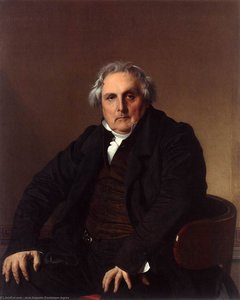
- Porträt von Monsieur Bertin (1833-1834): Dieses Porträt markierte eine Zeit des großen Erfolgs und zeigte seine Fähigkeit, den individuellen Charakter einzufangen.
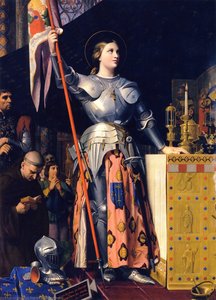
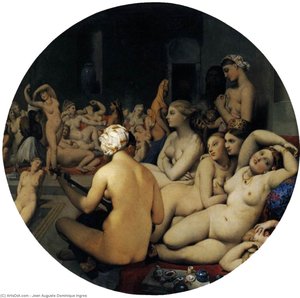
- Das türkische Bad (1862): Eines seiner späteren Werke und ein Beispiel für seine Orientalistenmalerei mit Aktendarstellungen, fertiggestellt als er 83 Jahre alt war.
Ingres' Porträts werden besonders für ihre ausdrucksstarke Verzerrung von Form und Raum gefeiert – eine Abweichung von streng neoklassizistischen Konventionen, die moderne Kunstrichtungen vorwegnahm. Er verwendete einen linearen Stil mit präzisen Konturen und lebendigen Farben und erzeugte oft eine Illusion der Tiefe durch subtile Schattierungen.
Vermächtnis und historische Bedeutung
Ingres’ Vermächtnis reicht weit über seine eigene umfangreiche Produktion hinaus. Er hatte einen tiefgreifenden Einfluss auf nachfolgende Generationen von Künstlern, darunter Henri Matisse und Pablo Picasso, die seinen innovativen Ansatz in Bezug auf Form und Komposition bewunderten. Sein Engagement für klassische Ideale bei gleichzeitiger Überschreitung der Grenzen künstlerischen Ausdrucks festigte seine Position als Brücke zwischen Neoklassizismus und Moderne. Ingres’ Werke werden weiterhin in wichtigen Museen weltweit ausgestellt, was Zeugnis von ihrer bleibenden Schönheit und historischen Bedeutung ist.
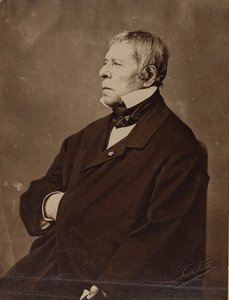
Jean-Auguste-Dominique Ingres
1780 - 1867 , Frankreich
Kurzinfos
- Beeinflusste Künstler:
- Raphael
- Nicolas Poussin
- Jacques-Louis David
- Bemerkenswerte Werke:
- Die Botschafter Agamemnons
- Der Eid Ludwigs XIII.
- Porträt von Monsieur Bertin
- Das türkische Bad
- Geburtsdatum: 29. August 1780
- Geburtsort: Montauban, Frankreich
- Künstlerische Richtung: Neoklassizismus
- Nationalität: Französisch
- Sterbedatum: 14. Januar 1867
- Vollständiger Name: Jean-Auguste-Dominique Ingres
- Von Ihm Beeinflusste Künstler:
- Henri Matisse
- Pablo Picasso
Ähnliche Artikel

Pierre-Auguste Renoir: Die 25 Meisterwerke des Impressionismus für Ihr Zuhause | ArtsDot
Entdecken Sie die 25 schönsten Meisterwerke von Pierre-Auguste Renoir! Tauchen Sie ein in die Welt des Impressionismus, erleben Sie berühmte Gemälde wie 'Bal au moulin de la Galette' und finden Sie hochwertige Kunstdrucke für Ihr Zuhause. Jetzt auf ArtsDot.com!
Neoklassizismus: Die 10 Meisterwerke, die eine Epoche prägten – Kunst für Ihr Zuhause
Entdecken Sie die 10 prägendsten Meisterwerke des Neoklassizismus! Von David bis Canova – erfahren Sie die Geschichten hinter ikonischen Gemälden & Skulpturen. Finden Sie hochwertige Reproduktionen für Ihr Zuhause auf

Jean-Baptiste Debret: Witnessing Brazil’s Emergence Through Art & Identity
Explore the captivating art of Jean-Baptiste Debret, a key witness to Brazil’s imperial era. Discover his iconic portraits, historical scenes & insightful depictions of Brazilian life. Learn about his legacy and find museum-quality reproductions at ArtsDot.

Jean-Baptiste Carpeaux: Sculpting Passion & Controversy in 19th-Century France
Explore the passionate life & controversial works of Jean-Baptiste Carpeaux, a leading French sculptor of the Second Empire. Discover his realism, iconic sculptures like 'Ugolino,' and lasting legacy as a precursor to Rodin.
Émile Vernet: Romantische Realität und die Darstellung des Lebens im 19. Jahrhundert
Entdecken Sie das faszinierende Werk von Émile Vernet! Expertenwissen über den französischen Maler der Romantik und des Realismus, seine ikonischen Schlachtszenen und orientalistischen Gemälde. Hochwertige Reproduktionen & individuelle Kunstberatung bei ArtsDot.