 Vorschau anzeigen
 Versenden
 Teilen
 Details anzeigen

 Herunterladen
 Ähnliche Objekte
 Röntgenaufnahme
 Diashow
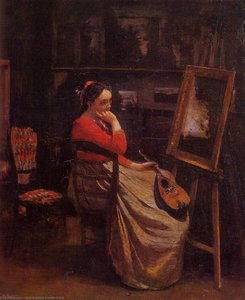
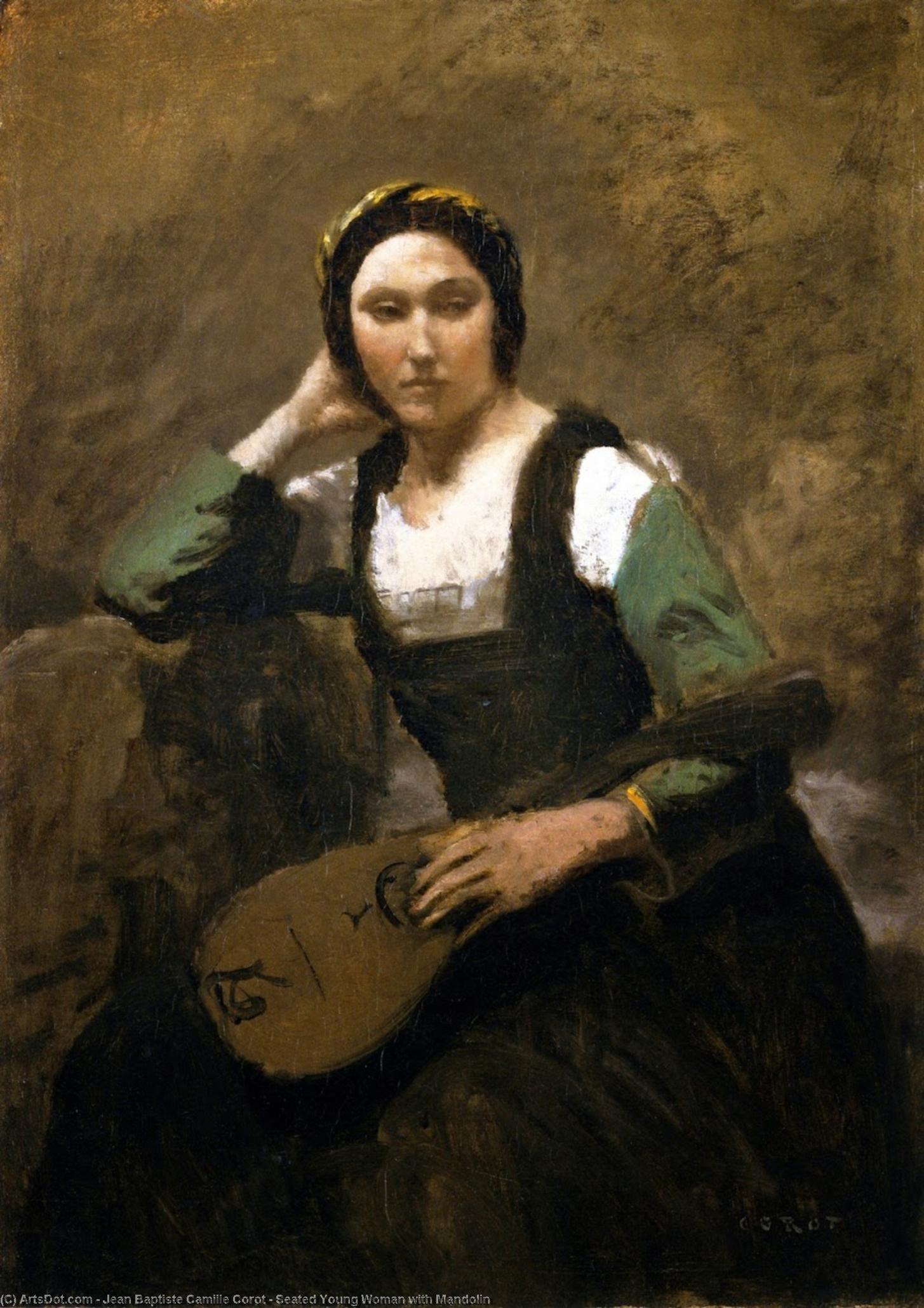
Seated Young Woman with Mandolin


 Weiterlesen
Giclée / Kunstdruck
Giclée- oder Leinwanddruck in Museumsqualität mit schneller Produktion und flexiblen Veredelungsoptionen. ( Handgemalte Reproduktion bestellen Bild kaufen)




P118B $10

P118H $10

P118W $10

P438Z $10

P508JH $12

P508YH $12

P805H $10

P805Z $10

P919BZ $10

P919G $10

P919XJ $10

P959ZH $10

P968JZ $12

W106C $8

W218G $10

W218JH $8

W218Y $10

W307PJ $10

W316G $10

W316PJ $8

W316Y $10

W398PJ $8

W4111J $10

W500HY $15

W500JH $15

W692G $12

W849H $8

W940BG $15

W953PJ $8




Wählen Sie aus unseren vordefinierten Formaten, die den ursprünglichen Proportionen des Kunstwerks entsprechen.

Sie können Ihre eigenen Maße eingeben, um ein bestimmtes Format oder einen speziellen Platz einzupassen. Wenn das von Ihnen gewählte Format nicht den Proportionen des Originalbildes entspricht, werden wir das Kunstwerk entweder beschneiden oder das Bild mit einem gespiegelten oder einfarbigen Rand erweitern. Ein digitaler Entwurf wird Ihnen zur Genehmigung zugesandt, bevor die Produktion beginnt.
Bitte beachten Sie, dass die Vorschau auf dem Bildschirm nicht den tatsächlichen Zuschnitt oder die Erweiterung widerspiegelt. Nur der Entwurf zeigt die endgültige Komposition präzise an.
Obwohl Sondermaße verfügbar sind, empfehlen wir die Auswahl eines Maßes aus der vordefinierten Liste, um die ursprünglichen Proportionen zu bewahren.
Weltweiter Versand () innerhalb von 2 Wochen statt der üblichen 4/5 Wochen. (29 August)

Kostenloser weltweiter Expressversand

Hochwertige Leinenleinwand

Umfassender Versicherungsschutz beim Versand

Zollgebühren-Rückerstattungsgarantie

Garantie für exakte Farbtreue

60 Tage Rückgaberecht (nur bei Mängeln)

100% Geld-zurück-Garantie

Mengenrabatt verfügbar
 Die Glasoption ist nur für Größen unter 110 cm verfügbar.

Seated Young Woman with Mandolin
Giclée / Kunstdruck
Format der Reproduktion
-


Gesamtpreis
$ 62
Jean-Baptiste-Camille Corot’s ‘Seated Young Woman with Mandolin’: A Moment of Rural Grace
Jean-Baptiste-Camille Corot's “Seated Young Woman with Mandolin” (La Bohémienne à la mandoline assise) offers a poignant glimpse into the burgeoning artistic landscape of 19th-century France. Painted around 1868-1871, this work exemplifies Corot’s profound connection to nature and his ability to capture fleeting moments of tranquility with remarkable sensitivity. The painting depicts a young woman seated in a simple chair, her hands resting thoughtfully on her chin as she holds a mandolin – an instrument intrinsically linked to pastoral life and folk traditions. The scene unfolds within a modestly rendered interior, suggesting a private, perhaps even bohemian, space, further enhancing the work’s intimate quality.
Corot's artistic journey began amidst a unique upbringing. Born in Paris in 1796, his early years spent largely in the countryside near L’Isle-Adam instilled within him an unparalleled appreciation for the natural world – a foundation that would profoundly influence his art. This immersion shaped his distinctive style: characterized by soft, diffused light, subtle tonal variations, and a deliberate avoidance of sharp outlines. He sought not to represent reality with photographic precision but rather to evoke a feeling, a mood, a sense of atmosphere. This is immediately apparent in the way Corot renders the light filtering through the room, creating a gentle warmth that envelops the figure.
Technique and Composition: A Masterclass in Atmospheric Perspective
The painting’s power lies largely in Corot's masterful technique. He employs a loose, almost sketch-like brushstroke, building up layers of paint to create a hazy, atmospheric effect. This is particularly evident in the background wall, which recedes into an indistinct space, emphasizing depth and creating a sense of distance. The muted color palette – dominated by greens, browns, and ochres – contributes significantly to this atmosphere, further blurring the boundaries between subject and setting. Notice how Corot avoids strong contrasts; instead, he relies on subtle gradations of tone to model form and create a feeling of quiet contemplation.
The composition itself is remarkably balanced. The young woman occupies a central position within the frame, yet she doesn’t dominate the space. Her posture – relaxed but alert – invites the viewer into her world. The mandolin, placed in her lap, serves as both a subject and a symbol of rural life, adding to the painting's overall sense of serenity. The simple chair further reinforces this feeling of domesticity and quiet reflection.
Symbolism and Context: Echoes of Romanticism
"Seated Young Woman with Mandolin" resonates within the broader context of 19th-century French art, particularly the Romantic movement. Corot’s work aligns with the Romantic emphasis on emotion, nature, and the individual experience – a reaction against the rigid formalism of Neoclassicism. The figure herself can be interpreted as representing a connection to simpler times, a rejection of urban life in favor of the tranquility of the countryside. The mandolin, a traditional folk instrument, evokes images of rural gatherings and communal music-making.
Furthermore, Corot’s work anticipated the Impressionist movement, with its focus on capturing fleeting moments of light and atmosphere. While his style is distinct from that of the Impressionists, it shares their commitment to direct observation and a rejection of academic conventions. This painting stands as a testament to Corot's enduring legacy – a master of landscape and portraiture who profoundly influenced generations of artists with his ability to capture the beauty and serenity of the natural world.
Ähnliche Kunstwerke
Über den Künstler
Frühe Jahre und Ausbildung
Jean-Baptiste-Camille Corot, ein renommierter französischer Landschafts- und Porträtmaler, wurde am 16. Juli 1796 in Paris geboren. Seine Familie, die zum Bürgertum gehörte, bot ihm eine Umgebung, die seine künstlerischen Neigungen förderte. Anfänglich lagen Corots Interessen woanders, doch er entdeckte um 1821 seine Leidenschaft für das Malen. Dies markierte den Beginn seiner produktiven Karriere, die später die Entwicklung des Impressionismus beeinflussen sollte.Künstlerische Laufbahn und bedeutende Werke
Corots künstlerischer Weg ist geprägt von einer Mischung aus neoklassischer Tradition und plein-air Innovationen. Er kombinierte sorgfältige Kompositionen mit der direkten Beobachtung der Natur im Freien, was zu einer einzigartigen Atmosphäre in seinen Werken führte. Zu seinen bemerkenswertesten Arbeiten zählen:- Die Ruhe (La Repose) (Öl auf Leinwand, ca. 1860er Jahre), ein fesselndes Werk, das Corots Meisterschaft in der Darstellung von Gelassenheit zeigt.
- Unterbrochenes Lesen (Lecture Interrompue) (Realismus, Öl, ca. 1850er Jahre), ein ergreifendes Beispiel für Corots Fähigkeit, den Alltag mit Tiefe und Emotion darzustellen.
- Agostina (Realismus, Öl, ca. 1860er Jahre), ein beeindruckendes Porträt, das Corots Geschicklichkeit in der Darstellung des Wesens seiner Motive veranschaulicht.
Einflüsse und Entwicklung
Corots künstlerische Entwicklung wurde von verschiedenen Einflüssen geprägt. Er studierte zunächst bei den neoklassizistischen Malern Jacques-Louis David und Jean-Antoine Houdon, was seine frühen Werke beeinflusste. Später fand er Inspiration in der Landschaftsmalerei des 17. Jahrhunderts, insbesondere bei Meistern wie Claude Lorrain und Nicolas Poussin. Corot entwickelte jedoch seinen eigenen Stil, indem er die klassische Komposition mit den direkten Beobachtungen der Natur im Freien verband. Er gilt als Brücke zwischen dem Klassizismus und dem Impressionismus. Seine Plein-Air-Malerei war revolutionär für seine Zeit und ebnete den Weg für zukünftige Generationen von Künstlern, darunter die Impressionisten.Vermächtnis und Bedeutung
Corots umfangreicher Output hatte einen nachhaltigen Einfluss auf die Entwicklung der Landschaftsmalerei. Sein innovativer Ansatz, traditionelle Techniken mit plein-air Innovationen zu verbinden, ebnete den Weg für zukünftige Generationen von Künstlern. Obwohl er zu Lebzeiten nicht immer Anerkennung fand, wurde Corot nach seinem Tod als einer der wichtigsten französischen Maler des 19. Jahrhunderts anerkannt. Seine Werke werden heute in bedeutenden Museen auf der ganzen Welt ausgestellt und seine Bedeutung für die Kunstgeschichte ist unbestreitbar. Entdecken Sie mehr über Jean-Baptiste-Camille Corots Gemälde auf ArtsDot.com: https://ArtsDot.com/@/jean-baptiste-camille-corot Erfahren Sie mehr über das Musée Courbet auf Wikipedia: https://en.wikipedia.org/wiki/mus%c3%a9e_courbet_(ornans,_france)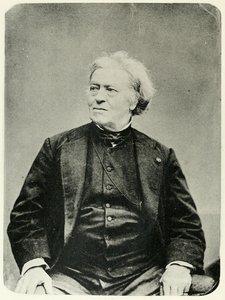
Jean-Baptiste-Camille Corot
1796 - 1875 , Frankreich
Kurzinfos
- Beeinflusste Künstler: ['Gustave Courbet']
- Bemerkenswerte Werke:
- Die Ruhe
- Unterbrochenes Lesen
- Agostina
- Geburtsdatum: 16. Juli 1796
- Geburtsort: Paris, Frankreich
- Künstlerische Richtung: Neoklassizismus, Pleinair
- Nationalität: Französisch
- Sterbedatum: 1875
- Vollständiger Name: Jean-Baptiste-Camille Corot
- Von Künstlern Beeinflusst: ['Keine Angaben']
Ähnliche Artikel
Harmonies on Canvas: Exploring the Visual Representation of Music in Art History
Explore the fascinating history of music's visual representation in art! From ancient symbolism to modern abstraction, discover how artists have captured sound and emotion on canvas. Expert insights & stunning examples.

Meisterwerke des 19. Jahrhunderts: Kunst für Ihr Zuhause | ArtsDot
Entdecken Sie die 10 bedeutendsten Kunstwerke des 19. Jahrhunderts! Von Impressionismus bis Realismus – erleben Sie die Geschichten berühmter Maler und ihre Meisterwerke. Hochwertige Reproduktionen für Ihr Zuhause auf ArtsDot.com.
Jean-Baptiste-Camille Corot: Poetische Realität und der Übergang zum Impressionismus
Entdecken Sie das Werk von Camille Corot und die Schule von Barbizon! Erfahren Sie mehr über den Übergang zum Impressionismus, seine poetische Realität und seinen Einfluss auf die Kunstgeschichte. Expertenwissen & detaillierte Analysen.
Émile Vernet: Romantische Realität und die Darstellung des Lebens im 19. Jahrhundert
Entdecken Sie das faszinierende Werk von Émile Vernet! Expertenwissen über den französischen Maler der Romantik und des Realismus, seine ikonischen Schlachtszenen und orientalistischen Gemälde. Hochwertige Reproduktionen & individuelle Kunstberatung bei ArtsDot.
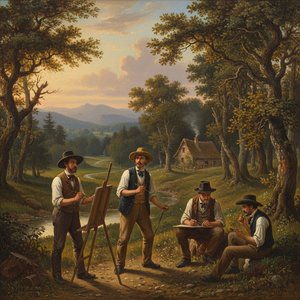
The Barbizon School: Pioneering Realism & the Pastoral Vision in 19th-Century French Painting
Explore the Barbizon School's pivotal role in 19th-century French painting. Discover how these artists revolutionized landscape art with their commitment to Realism and a profound connection to nature. Learn about key figures like Rousseau, Millet & Corot.