

 Vorschau anzeigen
 Versenden
 Teilen
 Details anzeigen

 Herunterladen
 Ähnliche Objekte
 Röntgenaufnahme
 Diashow
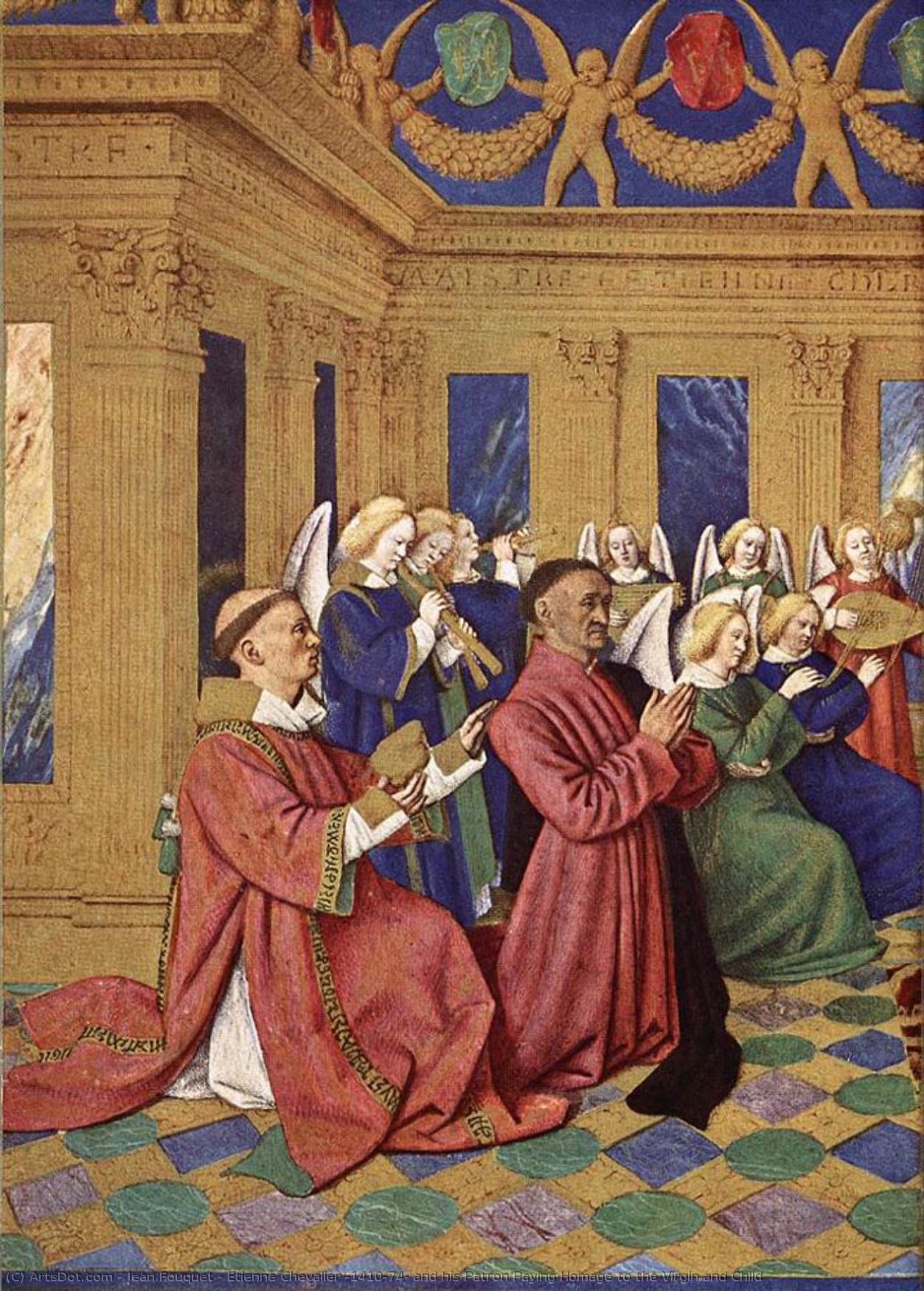
Etienne Chevalier (1410-74) and his Patron Paying Homage to the Virgin and Child
 Acrylic On Canvas
- WallArt
- Northern Renaissance
 1460
1460 17.0 x 12.0 cm
 Musée Condé
 Weiterlesen
Giclée / Kunstdruck
Giclée- oder Leinwanddruck in Museumsqualität mit schneller Produktion und flexiblen Veredelungsoptionen. ( Handgemalte Reproduktion bestellen Bild kaufen)




P118B $10

P118H $10

P118W $10

P438Z $10

P508JH $12

P508YH $12

P805H $10

P805Z $10

P919BZ $10

P919G $10

P919XJ $10

P959ZH $10

P968JZ $12

W106C $8

W218G $10

W218JH $8

W218Y $10

W307PJ $10

W316G $10

W316PJ $8

W316Y $10

W398PJ $8

W4111J $10

W500HY $15

W500JH $15

W692G $12

W849H $8

W940BG $15

W953PJ $8




Wählen Sie aus unseren vordefinierten Formaten, die den ursprünglichen Proportionen des Kunstwerks entsprechen.

Sie können Ihre eigenen Maße eingeben, um ein bestimmtes Format oder einen speziellen Platz einzupassen. Wenn das von Ihnen gewählte Format nicht den Proportionen des Originalbildes entspricht, werden wir das Kunstwerk entweder beschneiden oder das Bild mit einem gespiegelten oder einfarbigen Rand erweitern. Ein digitaler Entwurf wird Ihnen zur Genehmigung zugesandt, bevor die Produktion beginnt.
Bitte beachten Sie, dass die Vorschau auf dem Bildschirm nicht den tatsächlichen Zuschnitt oder die Erweiterung widerspiegelt. Nur der Entwurf zeigt die endgültige Komposition präzise an.
Obwohl Sondermaße verfügbar sind, empfehlen wir die Auswahl eines Maßes aus der vordefinierten Liste, um die ursprünglichen Proportionen zu bewahren.
Weltweiter Versand () innerhalb von 2 Wochen statt der üblichen 4/5 Wochen. (28 August)

Kostenloser weltweiter Expressversand

Hochwertige Leinenleinwand

Umfassender Versicherungsschutz beim Versand

Zollgebühren-Rückerstattungsgarantie

Garantie für exakte Farbtreue

60 Tage Rückgaberecht (nur bei Mängeln)

100% Geld-zurück-Garantie

Mengenrabatt verfügbar
 Die Glasoption ist nur für Größen unter 110 cm verfügbar.

Etienne Chevalier (1410-74) and his Patron Paying Homage to the Virgin and Child
Giclée / Kunstdruck
Format der Reproduktion
-


Gesamtpreis
$ 62
A Window into Fourteenth-Century Faith: Etienne Chevalier and His Patron
Jean Fouquet’s “Etienne Chevalier (1410-74) and his Patron Paying Homage to the Virgin and Child,” painted around 1460, isn't merely a devotional scene; it’s a meticulously crafted tableau of piety, power, and the burgeoning artistic dialogue between France and Italy. This small panel, measuring just 17 x 12 centimeters, offers an intimate glimpse into the world of a wealthy nobleman and his spiritual advisors during a period of profound social and cultural transformation. The painting depicts Etienne Chevalier, a prominent figure in Burgundian politics, kneeling alongside his patron before the Virgin Mary holding the Christ Child. The scene unfolds within a richly decorated chamber, hinting at both earthly comfort and divine grace.
Fouquet’s genius lies not just in his technical skill—evident in the delicate rendering of fabrics, the subtle modeling of faces, and the vibrant use of color—but also in his ability to synthesize diverse artistic influences. He was a master of detail, a trait inherited from his Flemish training, yet he infused his work with a distinctly French sensibility. Notice how the figures are rendered with a remarkable degree of realism, capturing not just their physical appearance but also their emotional states – a quiet reverence, a humble supplication. The use of light and shadow creates a sense of depth and atmosphere, drawing the viewer into the intimate space of the scene.
The Language of Devotion: Symbolism and Iconography
The composition is laden with symbolic meaning. The red robes worn by Etienne Chevalier and his patron signify their status and wealth, while also subtly referencing the blood of Christ – a potent reminder of sacrifice and redemption. The Virgin Mary’s pose, echoing traditional depictions of the Pietà, emphasizes her role as intercessor between humanity and God. The angels flanking the scene are not simply decorative elements; they represent divine guidance and protection. The checkered floor beneath them is a recurring motif in Fouquet's work, often interpreted as symbolizing the earthly realm and its inherent imperfections.
The inclusion of the three angels, positioned strategically around the central figures, elevates the scene to a higher plane of spiritual significance. Their presence suggests a direct connection between the earthly world and the divine realm, reinforcing the painting’s message of faith and devotion. The overall arrangement is carefully balanced, creating a harmonious composition that reflects the ideals of medieval art – a blend of beauty, piety, and symbolic representation.
A Bridge Between Worlds: Fouquet's Artistic Journey
Jean Fouquet’s life story is as fascinating as his artwork. Born around 1420 in Tours, France, he was a man of many talents – a painter, miniaturist, and even a skilled portraitist. His early career likely involved apprenticeship under the enigmatic Bedford Master, but it was his sojourn to Italy between 1444 and 1448 that profoundly shaped his artistic development. During this period, he encountered the innovations of Italian Renaissance painting – particularly the realism and naturalism championed by Masaccio and other masters – which he skillfully integrated into his own distinctive style.
Returning to France, Fouquet became a sought-after artist for wealthy patrons, including Etienne Chevalier, whose commission for this devotional panel exemplifies the growing demand for sophisticated artwork in the 15th century. His work reflects the complex cultural currents of the time – a synthesis of Flemish realism, Italian Renaissance ideals, and traditional French artistic conventions. He stands as a pivotal figure in the transition from Gothic to Renaissance art in France, bridging the gap between two distinct artistic traditions.
Collecting the Essence: Reproduction and Artistic Legacy
Reproducing this exquisite panel captures not only its visual beauty but also the spirit of its time. The meticulous detail, vibrant colors, and profound symbolism are faithfully recreated in our high-quality reproductions. Whether displayed in a private study or incorporated into a larger collection, this artwork offers a tangible connection to the artistic legacy of Jean Fouquet – a master who dared to blend diverse influences and create a uniquely French visual language.
Consider how this piece would complement your existing décor—its rich colors and intricate details adding depth and sophistication to any space. More than just an image, it’s a window into the heart of 15th-century France, inviting contemplation and inspiring a deeper appreciation for the power of art to transcend time.
Ähnliche Kunstwerke

Über den Künstler
Jean Fouquet: Ein Pionier der französischen Renaissancekunst
- Geboren: Tours, Frankreich (ca. 1420)
- Gestorben: 1481
Frühes Leben und italienische Einflüsse
Über Jean Fouquets frühes Leben ist wenig gesichert bekannt. Lange Zeit ging man davon aus, dass er ein Schüler des Bedford Masters in Paris war, doch die aktuelle Forschung deutet darauf hin, dass er möglicherweise unter dem Jouvenal Master in Nantes lernte. Ein entscheidender Moment in seiner künstlerischen Entwicklung war eine Reise nach Italien zwischen 1445 und 1447. Diese Begegnung mit der aufblühenden italienischen Renaissance hatte einen bedeutenden Einfluss auf seinen Stil. Er traf Künstler wie Fra Angelico und Filarete, von denen er Elemente ihrer Arbeit aufnahm – insbesondere die Klarheit und Perspektive, die für die Quattrocento-Kunst charakteristisch sind – die er später in seinen eigenen Ansatz integrierte.
Künstlerischer Stil und Innovationen
Fouquets künstlerischer Stil stellt eine faszinierende Brücke zwischen den späten gotischen Traditionen und der aufkommenden Renaissanceästhetik dar. Er vereinte meisterhaft die detailreiche Ausarbeitung und die reichen Farben, die für die gotische Malerei typisch sind, mit der natürlicheren Darstellung und der linearen Perspektive, die er in Italien beobachtete. Eine wichtige Innovation, die Fouquet zugeschrieben wird, ist die Entwicklung des Porträtminiatur – eines bemerkenswert detaillierten Portraits, das auf kleinen Tafeln gemalt wurde, einem Format, das eine größere Tragbarkeit und persönliche Verbundenheit ermöglichte. Seine Tafelbilder zeichnen sich durch seine sorgfältige Detailgenauigkeit, elegante Kompositionen und subtile psychologische Einblicke in seine Modelle aus.
Hauptwerke und Auftraggeber
- Melun-Diptychon (ca. 1450): Dieses Diptychon, das ursprünglich in der Kathedrale von Melun aufbewahrt wurde, gilt als eines von Fouquets Meisterwerken. Die linke Tafel zeigt Étienne Chevalier mit seinem Schutzpatron St. Stephan, während die rechte Tafel eine blasse Jungfrau und ein Kind inmitten von Engeln darstellt, vermutlich ein Porträt von Agnès Sorel.
- Karl VII. als einer der drei Weisen: Dieses ikonische Gemälde bietet eines der wenigen erhaltenen Porträts von König Karl VII. und demonstriert Fouquets Fähigkeit, königliche Darstellung mit symbolischer Erzählung zu verbinden.
- Illustrationen für die Grandes Chroniques de France (1455-1460): Fouquets Illustrationen für diese Chronik geben wertvolle Einblicke in das französische Hofleben und militärische Ereignisse des 15. Jahrhunderts und zeigen seine Fähigkeit, Szenen von Pracht und Aktion darzustellen.
- Gebetbuch von Étienne Chevalier: Dieses illuminierten Manuskript enthält vierzig Miniaturen, die 1461 für Chevalier gemalt wurden, und demonstriert Fouquets Expertise in der Miniaturmalerei und detailreichen Ausarbeitung.
Fouquets Karriere blühte unter der Schirmherrschaft des französischen Hofes auf, wo er Karl VII., Étienne Chevalier, Guillaume Jouvenel des Ursins und später Ludwig XI. diente. Sein künstlerisches Schaffen war eng mit den politischen Ambitionen dieser Auftraggeber verbunden und spiegelte ihren Wunsch wider, ein Bild von Macht und nationaler Identität zu projizieren.
Historische Bedeutung und Vermächtnis
Jean Fouquet nimmt einen bedeutenden Platz in der Kunstgeschichte als eine entscheidende Figur im Übergang von der Gotik zur Renaissancemalerei in Frankreich ein. Er trug maßgeblich dazu bei, italienische künstlerische Einflüsse in die französische Kunst einzuführen und legte damit den Grundstein für nachfolgende Generationen von Künstlern. Seine Pionierarbeit in der Porträtminiatur etablierte ein neues Genre, das äußerst beliebt wurde. Fouquets Fähigkeit, sorgfältige Detailgenauigkeit mit innovativer Komposition und psychologischem Einblick zu verbinden, festigte seinen Ruf als einer der wichtigsten Maler des 15. Jahrhunderts und hinterließ ein Vermächtnis künstlerischer Innovation und verfeinerter Eleganz.
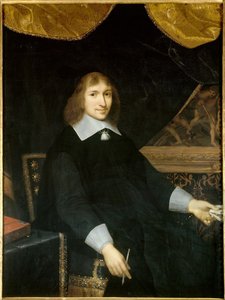
Jean Fouquet
1420 - 1481 , Frankreich
Kurzinfos
- Beeinflusste Künstler:
- Fra Angelico
- Filarete
- Bemerkenswerte Werke:
- Melun Diptychon
- Karl VII. als Magi
- Stunden des Étienne Chevalier
- Geburtsdatum: ca. 1420
- Geburtsort: Tours, Frankreich
- Künstlerische Richtung: Frührenaissance, Gotik
- Nationalität: Französisch
- Sterbedatum: 1481
- Vollständiger Name: Jean Fouquet
- Von Künstlern Beeinflusst: ['Van Eycks']
Ähnliche Artikel
Celestial Messengers: Angels in Painting – A Historical & Artistic Exploration
Explore the captivating history of angels in painting! Discover symbolism, iconic Renaissance & Byzantine masterpieces, and renowned artists. Expert insights for art lovers & collectors at ArtsDot.
Celestial Messengers: A Comprehensive Exploration of Angelic Representation in Art History
Explore the captivating history of angels in art! Discover symbolism, iconic Renaissance masterpieces & renowned artists. Expert insights for art lovers & collectors at ArtsDot.
The Radiant Dusk of Medieval Vision: Exploring Late Gothic Art's Synthesis of Faith, Form & Emotionality (c. 1300-1500)
Explore the exquisite beauty & spiritual depth of Late Gothic art (c. 1300-1500). Discover key artists, symbolism, and its lasting influence on the Renaissance. Expert insights at ArtsDot.

Fra Angelico: Die 25 Meisterwerke des italienischen Frührenaissance-Malers | ArtsDot
Entdecken Sie die 25 schönsten Meisterwerke von Fra Angelico! Erleben Sie religiöse Kunst der italienischen Renaissance, himmlische Fresken & Panelgemälde. Finden Sie hochwertige Kunstdrucke und Reproduktionen für Ihr Zuhause auf ArtsDot.com.
The Shadow of Faith: Exploring Gothic Art's Spiritual Intensity & Architectural Innovation
Explore the spiritual intensity & architectural innovation of Gothic art! Discover the symbolism behind cathedrals, stained glass & master artists like Giotto and Monet. A deep dive into medieval history & artistic expression.

