 Vorschau anzeigen
 Versenden
 Teilen
 Details anzeigen

 Herunterladen
 Ähnliche Objekte
 Röntgenaufnahme
 Diashow
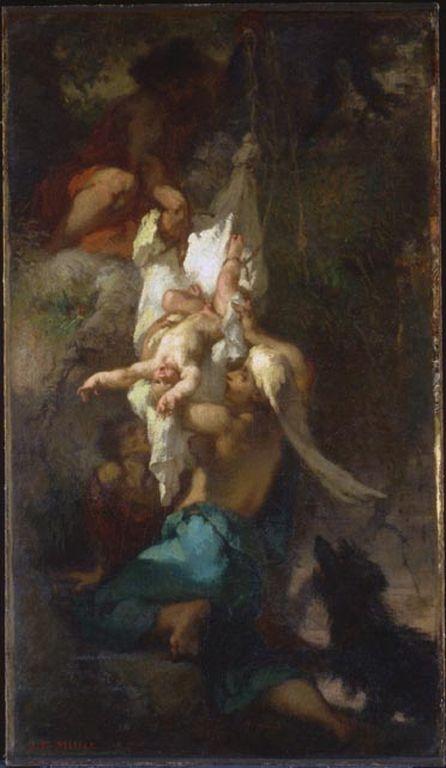
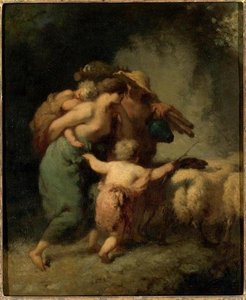
Oedipus vom Baum gerettet


 Weiterlesen
Handgefertigte Ölreproduktion
Handgemaltes Ölgemälde auf Leinwand in Ihrer Wunschgröße und mit Rahmen, auf Bestellung von unseren Künstlern angefertigt. ( Druck bestellen Bild kaufen)




P118B $10

P118H $10

P118W $10

P438Z $10

P508JH $12

P508YH $12

P805H $10

P805Z $10

P919BZ $10

P919G $10

P919XJ $10

P959ZH $10

P968JZ $12

W106C $8

W218G $10

W218JH $8

W218Y $10

W307PJ $10

W316G $10

W316PJ $8

W316Y $10

W398PJ $8

W4111J $10

W500HY $15

W500JH $15

W692G $12

W849H $8

W940BG $15

W953PJ $8




Wählen Sie aus unseren vordefinierten Formaten, die den ursprünglichen Proportionen des Kunstwerks entsprechen.

Sie können Ihre eigenen Maße eingeben, um einen bestimmten Rahmen oder Platz auszufüllen. Wenn die gewählte Größe nicht den Proportionen des Originalbildes entspricht, werden wir das Kunstwerk entweder beschneiden oder das Gemälde durch zusätzliche, handgemalte Elemente erweitern. Ein digitales Mockup wird Ihnen zur Genehmigung zugesandt, bevor die Produktion beginnt.
Bitte beachten Sie, dass die Bildschirmvorschau nicht die tatsächliche Beschneidung oder Erweiterung widerspiegelt. Nur das Mockup zeigt die endgültige Komposition exakt an.
Obwohl Sondermaße verfügbar sind, empfehlen wir, eine Größe aus der vordefinierten Liste zu wählen, um die ursprünglichen Proportionen beizubehalten.
Nach der Bestellung wird das ArtsDot.com-Team dem Kunden Anweisungen per E-Mail zusenden und eine Mockup-Vorschau bereitstellen.
Weltweiter Versand () in nur 3 bis 4 Wochen statt der üblichen 5 Wochen. (23 August). Keine Kompromisse bei der Qualität.

Kostenloser weltweiter Expressversand

Hochwertige Leinenleinwand

Umfassender Versicherungsschutz beim Versand

Zollgebühren-Rückerstattungsgarantie

Garantie für exakte Farbtreue

60 Tage Rückgaberecht (nur bei Mängeln)

100% Geld-zurück-Garantie

Mengenrabatt verfügbar
 Die Glasoption ist nur für Größen unter 110 cm verfügbar.

Oedipus vom Baum gerettet
Art der Reproduktion
Format der Reproduktion
-


Gesamtpreis
$ 263
Beschreibung des Kunstwerks
Jean-François Millet’s ‘Oedipus Taken Down from the Tree’: A Dramatic Echo of Myth and Suffering
Jean-François Millet’s 1847 painting, ‘Oedipus Taken Down from the Tree,’ stands as a remarkable testament to artistic ambition and emotional depth within the burgeoning Realist movement. More than just a depiction of classical mythology—inspired by Sophocles' tragedy—it embodies Millet’s masterful command of composition and his ability to convey profound psychological insight, characteristics that would solidify his reputation as one of France’s foremost chroniclers of rural life. This artwork isn’t merely aesthetically pleasing; it invites contemplation on themes of fate, responsibility, and the inescapable consequences of transgression.Subject & Narrative: The Weight of Divine Punishment
The painting captures a pivotal moment from Greek mythology – Oedipus’ self-inflicted blindness following his horrifying discovery of his parentage and involvement in patricide and incest. Millet eschews heroic grandeur, presenting instead a scene of palpable sorrow and quiet desperation. We witness shepherds carefully lowering Oedipus from the tree where he attempted suicide, symbolizing not triumph but acceptance of inescapable doom. The figures surrounding Oedipus – compassionate onlookers – express a complex blend of pity, grief, and perhaps even relief that the tragic cycle has finally reached its terminus. Millet’s narrative isn't simply recounting a story; it’s exploring the human condition under the shadow of divine retribution.Style & Technique: Baroque Sensibility Revisited
Millet’s artistic approach aligns powerfully with the Baroque period, despite being painted before his full embrace of the Barbizon school. This influence manifests in several key stylistic elements. Firstly, a pyramidal structure dominates the composition, directing the viewer's gaze upwards towards Oedipus—a deliberate technique designed to emphasize his central role as both victim and protagonist. Secondly, Millet employs *chiaroscuro*, utilizing dramatic contrasts between light and shadow to heighten emotional intensity and sculpt the forms of the figures and foliage alike. The artist’s distinctive impasto technique – thick layers of oil paint applied with visible brushstrokes—creates a tactile surface brimming with texture and depth, particularly noticeable in the densely rendered branches and drapery. These swirling brushstrokes contribute significantly to the overall sense of movement and turmoil, reflecting the psychological drama unfolding before us.Historical Context & The Barbizon School: A Bridge Between Eras
Painted in 1847, ‘Oedipus Taken Down from the Tree’ precedes Millet's definitive association with the Barbizon school, yet it foreshadows its core tenets. Unlike Impressionists who sought to capture fleeting moments of light and color, Millet prioritized conveying emotion and psychological truth—a hallmark of Realism—through meticulous observation and expressive technique. The painting reflects a broader cultural shift toward valuing authenticity and confronting uncomfortable realities, mirroring the anxieties surrounding industrialization and societal change that characterized mid-nineteenth century France. It represents an important step in Millet’s artistic evolution, demonstrating his foundational understanding of classical art principles while simultaneously paving the way for his groundbreaking depictions of rural life.Symbolism & Emotional Impact: Darkness Embraced
The painting's color palette—dominated by muted browns, greens, and blues—underscores its somber mood, punctuated by flashes of gold and flesh tones that illuminate key figures and heighten emotional resonance. The tree itself symbolizes suffering and sacrifice, mirroring Oedipus’ own self-imposed penance. More profoundly, Millet explores the universal themes of guilt, remorse, and acceptance of fate – ideas central to Romantic thought and powerfully conveyed through his masterful use of visual language. Viewing ‘Oedipus Taken Down from the Tree’ compels us to confront uncomfortable truths about human nature and the inescapable consequences of our actions—a legacy that continues to inspire artists and viewers alike.Ähnliche Kunstwerke


Über den Künstler
frühes Leben und Ausbildung
Jean-François Millet, geboren am 4. Oktober 1814 in der Normandie, Frankreich, etablierte sich als eine Schlüsselgestalt der Barbizon-Schule und war ein Verfechter des Realismus. Er wuchs in einer Bauerngemeinschaft auf, und sein frühes Leben war von ländlichen Erfahrungen geprägt, die seine künstlerischen Themen maßgeblich beeinflussten.Künstlerische Reise
Millets formale Kunstausbildung begann 1833 unter der Anleitung des Porträtmalers Bon du Mouchel in Cherbourg. Später studierte er bei Théophile Langlois de Chèvreville, einem Schüler von Baron Gros. Mit einer Stipendiumunterstützung zog er 1837 nach Paris, um an der École des Beaux-Arts zu studieren und unter Paul Delaroche zu lernen. Seine Reise war jedoch nicht ohne Rückschläge; 1839 verlor er sein Stipendium und wurde von der Salon-Ausstellung abgelehnt.Bekannte Werke und Realismusbewegung
Millets künstlerische Reise spiegelt seine tiefe Verbindung zu seinen ländlichen Wurzeln und seine Hingabe wider, das Leben der Bauern mit Würde und Realismus darzustellen. Zu seinen bekanntesten Werken gehören:- Die Ernte (1855), eine eindringliche Darstellung von Bauernernnten, die Millets Meisterschaft des Realismus demonstriert.
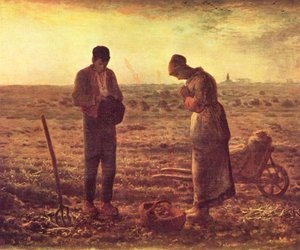
- Das Angelus (1850-1861), eine Reihe von Gemälden, die die täglichen Kämpfe des ländlichen Lebens hervorheben.
- Der Sämaschine (1850), eine ikonische Darstellung der Schwierigkeiten, mit denen Bauern konfrontiert sind, und die heute im Musée d'Orsay in Paris ausgestellt ist.
Vermächtnis und Einfluss
Millets Vermächtnis als Begründer der Barbizon-Schule macht ihn zu einer zentralen Figur bei der Übergangsbewegung zum Realismus in der Kunst. Sein Einfluss ist in den Werken nachfolgender Künstler wie Correa Benito Rebolledo erkennbar, die die Grenzen des Realismus weiter verschoben haben. Erfahren Sie mehr über Millets Werke und die Realismusbewegung auf ArtsDot: Jean François Millet der Ältere | ArtsDot Die Nouvelle Réalisme Kunstbewegung | ArtsDot
Jean-François Millet
1814 - 1875 , Frankreich
Kurzinfos
- Artistic Movement Or Style: Realismus, Barbizon-Schule
- Artists Or Movements Influenced By This Artist: ['Correa Benito Rebolledo']
- Artists Who Influenced This Artist:
- Bon du Mouchel
- Théophile Langlois
- Paul Delaroche
- Date Of Birth: 4. Oktober 1814
- Date Of Death: 1875
- Full Name: Jean-François Millet
- Nationality: Französisch
- Notable Artworks:
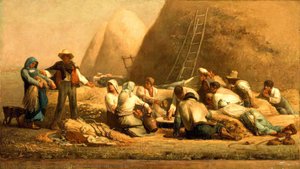
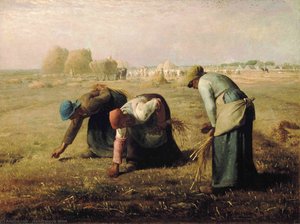
- Die Erntehelfer
- Das Angelus
- Der Sämann
- Place Of Birth (City And Country): Gruchy, Frankreich
Ähnliche Artikel
Jean-François Millet: Realismus, ländliche Poesie und die Würde der Arbeit
Entdecken Sie das Werk von Jean-François Millet! Erfahren Sie mehr über den Realismus, seine bahnbrechende Darstellung des bäuerlichen Lebens und seinen Einfluss auf die Kunstgeschichte. Jetzt bei ArtsDot!

Romantic Realism's Finest: 10 Masterpieces for Your Home | ArtsDot
Explore 10 defining masterpieces of Romantic Realism! Discover Courbet, Millet & Daumier's powerful paintings—capturing emotion and social realities. Find museum-quality reproductions for your home at ArtsDot.com.

Barocke Pracht: Wie Sie Opulenz und Emotionen in zeitgenössische Innenräume bringen
Entdecken Sie die Pracht des Barock! Expertenratgeber für luxuriöse Innenräume mit barocken Elementen. Inspiration, Tipps & hochwertige Kunst bei .

The Enduring Power of Painting: A Historical & Contemporary Exploration of Form and Emotion
Explore the rich history & enduring techniques of oil painting with ArtsDot. Discover masterpieces, learn about art collecting, and find authentic handmade reproductions crafted by skilled artists.

The Enduring Legacy of Oil on Canvas: Technique, History & Aesthetic Impact
Explore the rich history & techniques of oil painting – from Renaissance masters to Impressionism. Discover pigments, layering methods, and why this timeless medium endures. Expert insights for artists & art enthusiasts.