 Vorschau anzeigen
 Versenden
 Teilen
 Details anzeigen

 Herunterladen
 Ähnliche Objekte
 Röntgenaufnahme
 Diashow
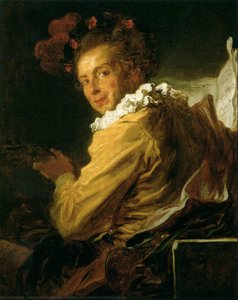
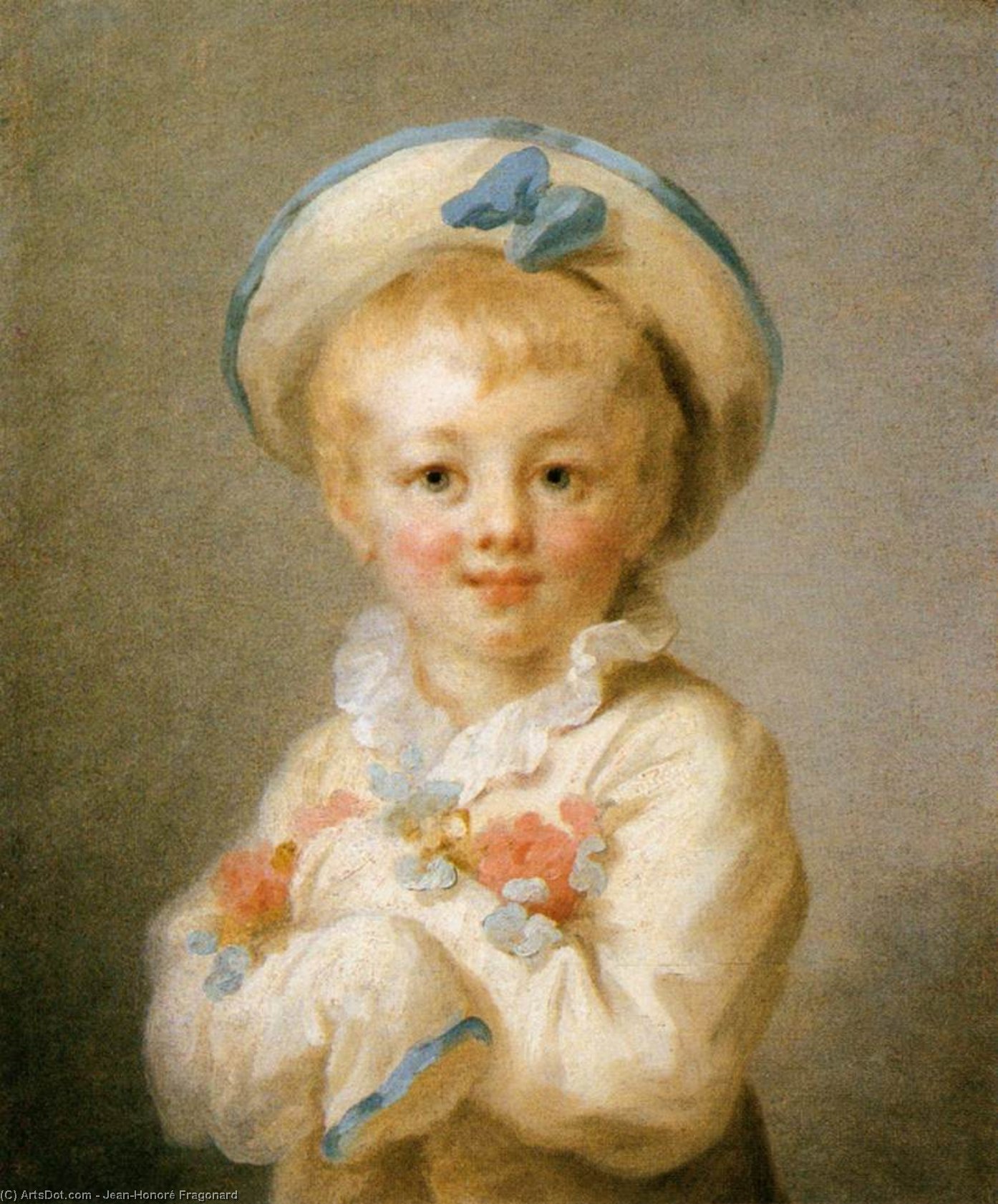
A Boy as Pierrot
 Öl auf Leinwand
- Wandkunst
- Rococo
 1776
1776 60.0 x 50.0 cm
 Wallace Collection
 Weiterlesen
Handgefertigte Ölreproduktion
Handgemaltes Ölgemälde auf Leinwand in Ihrer Wunschgröße und mit Rahmen, auf Bestellung von unseren Künstlern angefertigt. ( Druck bestellen Bild kaufen)




P118B $10

P118H $10

P118W $10

P438Z $10

P508JH $12

P508YH $12

P805H $10

P805Z $10

P919BZ $10

P919G $10

P919XJ $10

P959ZH $10

P968JZ $12

W106C $8

W218G $10

W218JH $8

W218Y $10

W307PJ $10

W316G $10

W316PJ $8

W316Y $10

W398PJ $8

W4111J $10

W500HY $15

W500JH $15

W692G $12

W849H $8

W940BG $15

W953PJ $8




Wählen Sie aus unseren vordefinierten Formaten, die den ursprünglichen Proportionen des Kunstwerks entsprechen.

Sie können Ihre eigenen Maße eingeben, um einen bestimmten Rahmen oder Platz auszufüllen. Wenn die gewählte Größe nicht den Proportionen des Originalbildes entspricht, werden wir das Kunstwerk entweder beschneiden oder das Gemälde durch zusätzliche, handgemalte Elemente erweitern. Ein digitales Mockup wird Ihnen zur Genehmigung zugesandt, bevor die Produktion beginnt.
Bitte beachten Sie, dass die Bildschirmvorschau nicht die tatsächliche Beschneidung oder Erweiterung widerspiegelt. Nur das Mockup zeigt die endgültige Komposition exakt an.
Obwohl Sondermaße verfügbar sind, empfehlen wir, eine Größe aus der vordefinierten Liste zu wählen, um die ursprünglichen Proportionen beizubehalten.
Nach der Bestellung wird das ArtsDot.com-Team dem Kunden Anweisungen per E-Mail zusenden und eine Mockup-Vorschau bereitstellen.
Weltweiter Versand () in nur 3 bis 4 Wochen statt der üblichen 5 Wochen. (29 August). Keine Kompromisse bei der Qualität.

Kostenloser weltweiter Expressversand

Hochwertige Leinenleinwand

Umfassender Versicherungsschutz beim Versand

Zollgebühren-Rückerstattungsgarantie

Garantie für exakte Farbtreue

60 Tage Rückgaberecht (nur bei Mängeln)

100% Geld-zurück-Garantie

Mengenrabatt verfügbar
 Die Glasoption ist nur für Größen unter 110 cm verfügbar.

A Boy as Pierrot
Art der Reproduktion
Format der Reproduktion
-


Gesamtpreis
$ 263
A Moment Frozen in Time: Jean-Honoré Fragonard’s “A Boy as Pierrot”
Jean-Honoré Fragonard's "A Boy as Pierrot," painted around 1785, isn’t merely a portrait; it’s a shimmering distillation of the Rococo era’s playful sensuality and aristocratic indulgence. This exquisite miniature, currently residing within the Wallace Collection in London, offers a glimpse into a world where youthful innocence dances with subtle eroticism – a hallmark of Fragonard's distinctive style. The painting immediately captivates with its delicate palette: soft pinks blush across the boy’s cheeks, mirroring the pale ivory of his clothing and the creamy hues of the floral garland adorning his head. These gentle tones are juxtaposed against the vibrant blues of his hat and bow, creating a visual harmony that is both alluring and serene.
Fragonard's mastery lies not just in color but also in his remarkably fluid brushwork. He employs a loose, almost impressionistic technique, capturing the fleeting quality of light and movement with breathtaking ease. Notice how he renders the folds of the fabric – they ripple and flow as if caught mid-gesture, hinting at an unseen dance or playful interaction. The boy’s pose is deliberately ambiguous; his gaze is averted, suggesting a private moment of contemplation or perhaps a shy acknowledgment of the viewer. This deliberate lack of direct engagement invites us to project our own interpretations onto the scene, transforming it into a personal narrative.
The Rococo World and its Delicate Sensibilities
To fully appreciate “A Boy as Pierrot,” one must understand the context of the Rococo period – an era defined by aristocratic extravagance, courtly love, and a fascination with beauty. Fragonard was deeply embedded within this world, serving as a favored painter for Madame du Barry, Louis XV’s mistress, and producing numerous works that celebrated the pleasures of the senses. The Pierrot character itself, originating in Commedia dell'Arte, represented a mischievous youth, often associated with romantic longing and playful deception. Fragonard skillfully adapts this archetype, imbuing it with his own signature blend of charm and intrigue.
The miniature’s diminutive size – measuring just 59.8 x 49.7 cm – further contributes to its intimate atmosphere. It was a popular format during the late 18th century, often used for personal correspondence and as treasured keepsakes. This scale encourages close observation, inviting us to linger over the details of the boy’s expression, the texture of his clothing, and the delicate arrangement of the flowers. It's a painting designed not just to be seen but to be experienced – a miniature world brimming with subtle emotions and unspoken desires.
Symbolism and Hidden Meanings
Beyond its surface beauty, “A Boy as Pierrot” is rich in symbolic detail. The floral garland, particularly the pink roses and forget-me-nots, are traditional emblems of love and remembrance. The blue hat and bow, while seemingly simple, add a touch of youthful exuberance and playful defiance to the scene. Some art historians suggest that the boy’s averted gaze hints at a secret rendezvous or a forbidden romance – a common theme in Fragonard's oeuvre.
Furthermore, the painting can be interpreted as a commentary on the fleeting nature of youth and beauty. The boy’s innocent expression contrasts sharply with the sophisticated world he inhabits, suggesting a poignant awareness of his own mortality and the ephemeral pleasures of life. It is a reminder that even in moments of apparent joy, there exists an underlying current of melancholy – a characteristic that defines much of Fragonard's work.
A Legacy of Elegance: Reproductions and Beyond
Today, “A Boy as Pierrot” stands as a testament to Fragonard’s artistic genius and the enduring appeal of the Rococo style. High-quality reproductions capture the painting’s delicate colors and intricate details with remarkable fidelity, allowing art lovers around the world to experience its beauty firsthand. Whether displayed in a grand salon or a cozy corner, this miniature offers a captivating glimpse into a bygone era – a time of lavish indulgence, playful romance, and exquisite artistry.
Ähnliche Kunstwerke

Über den Künstler
Frühe Jahre und Ausbildung
Jean-Honoré Fragonard, ein bedeutender französischer Maler und Grafiker, wurde am 4. April 1732 in Grasse, Alpes-Maritimes geboren. Sein Vater, François Fragonard, war Handschuhmacher, und seine Mutter, Françoise Petit, Hausfrau. Im Alter von achtzehn Jahren wurde Fragonard an den renommierten Künstler François Boucher vermittelt, wo er seine Fähigkeiten verfeinerte.Künstlerische Karriere
Fragonards künstlerische Karriere lässt sich in mehrere Phasen unterteilen:- Frühwerk (1750er Jahre): Fragonard gewann 1752 den Prix de Rome mit einem Gemälde von Jeroboam, der zum goldenen Kalb opfert. Anschließend studierte er drei Jahre bei Charles-André van Loo.
- Italienische Einflüsse (1760er Jahre): Fragonard schloss Freundschaft mit dem Maler Hubert Robert und bereiste Italien, wo er zahlreiche Skizzen der lokalen Landschaft anfertigte. Diese Zeit sah die Entwicklung seines charakteristischen Stils.
- Rokoko-Reife (1770er Jahre): Fragonards Gemälde aus dieser Zeit, wie „Die Schaukel“ (1767) und „Der blinde Manns Fangspiel“ (1780), zeugen von seiner Meisterschaft des Rokostils.
- Neoklassizismus (späte 1770er Jahre): Fragonard experimentierte mit dem Neoklassizismus, wie in seinem Werk „Porträt von Denis Diderot“ (1769) zu sehen ist.
Wichtige Werke und Stil
Fragonards Stil zeichnet sich durch eine leichte Eleganz, sinnliche Darstellungen und lebendige Farben aus. Er bevorzugte Szenen des höfischen Lebens, Liebesbegegnungen und Porträts. Zu seinen bekanntesten Werken zählen:- „Die Schaukel“ (1767): Ein ikonisches Werk des Rokoko, das die Leichtigkeit und den Vergnügenstreib der Aristokratie einfängt.
- „Der blinde Manns Fangspiel“ (1780): Eine spielerische Szene, die Fragonards Fähigkeit zeigt, Bewegung und Emotionen darzustellen.
- „Die Bolt“: Zeigt eine idyllische Landschaftsszene mit Figuren.
- „Liebesgelübde“: Ein Gemälde, das romantische Gefühle und Zärtlichkeit vermittelt.
Vermächtnis und Bedeutung
Fragonards Werk hatte einen bedeutenden Einfluss auf die Entwicklung der französischen Malerei des 18. Jahrhunderts. Er gilt als einer der wichtigsten Vertreter des Rokoko und seine Werke werden für ihre Schönheit, Anmut und sinnliche Atmosphäre geschätzt. Sein Einfluss erstreckt sich bis in nachfolgende Kunstbewegungen hinein. Fragonards Gemälde befinden sich heute in zahlreichen Museen weltweit, darunter das Louvre-Museum. Er starb am 22. August 1806 in Paris.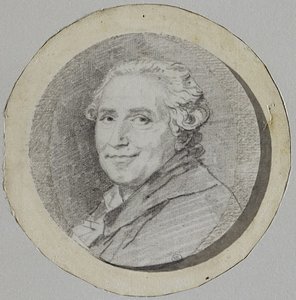
Jean-Honoré Fragonard
1732 - 1806 , Frankreich
Kurzinfos
- Beeinflusste Künstler: ['Alexis Grimou']
- Bemerkenswerte Werke:
- Der Schwinge
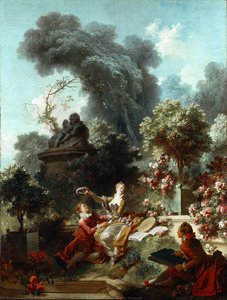
- Liebesgelübde
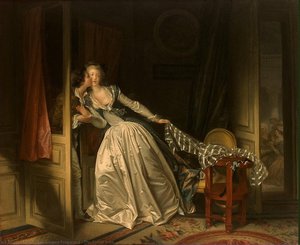
- Das Hemd entfernt
- Der Blinde Manns Spiel
- Geburtsdatum: 4. April 1732
- Geburtsort: Grasse, Frankreich
- Künstlerische Bewegung: Rokoko
- Nationalität: Französisch
- Sterbedatum: 22. August 1806
- Vollständiger Name: Jean-Honoré Fragonard
- Von Künstlern Beeinflusst:
- François Boucher
- Charles-André van Loo
Ähnliche Artikel

Rococo Meisterwerke: Die Top 10, die eine Epoche prägten |
Entdecken Sie die Top 10 Rokoko Meisterwerke von Watteau, Boucher & Fragonard! Erfahren Sie die Geschichten hinter diesen ikonischen Gemälden und lassen Sie sich für Ihre Inneneinrichtung inspirieren. Hochwertige Kunstdrucke auf .
Fragonards Rokoko: Eine Ära der Liebe, des Vergnügens und des Lebensgefühls im Frankreich des 18. Jahrhunderts
Entdecken Sie die faszinierende Welt des Rokoko mit Fragonard! Erfahren Sie mehr über die Kunst, das Lebensgefühl und die Meisterwerke dieser einzigartigen Epoche im Frankreich des 18. Jahrhunderts – fundiert analysiert & hochwertig präsentiert.

The Rococo Aesthetic: Opulence, Rebellion & the Pursuit of Pleasure in 18th-Century Art
Explore the opulent world of Rococo art! Discover its origins, key artists like Watteau & Boucher, and lasting influence on design. Expert insights for collectors & enthusiasts.

The Allure of Elegance in Art: A Historical & Aesthetic Exploration of Refinement & Grace
Explore the exquisite world of Rococo art! Discover its history, masters (Watteau, Boucher & more), and defining elegance. Expert insights for collectors seeking museum-quality reproductions & custom portraits.
Illuminating the Enlightenment: A Comprehensive Exploration of 18th-Century Painting
Explore the captivating world of 18th-century painting! Discover Rococo's playful elegance & Neoclassicism’s Enlightenment ideals with expert insights into Fragonard, David, and more. A comprehensive guide for art enthusiasts.