

 Vorschau anzeigen
 Versenden
 Teilen
 Details anzeigen

 Herunterladen
 Ähnliche Objekte
 Röntgenaufnahme
 Diashow
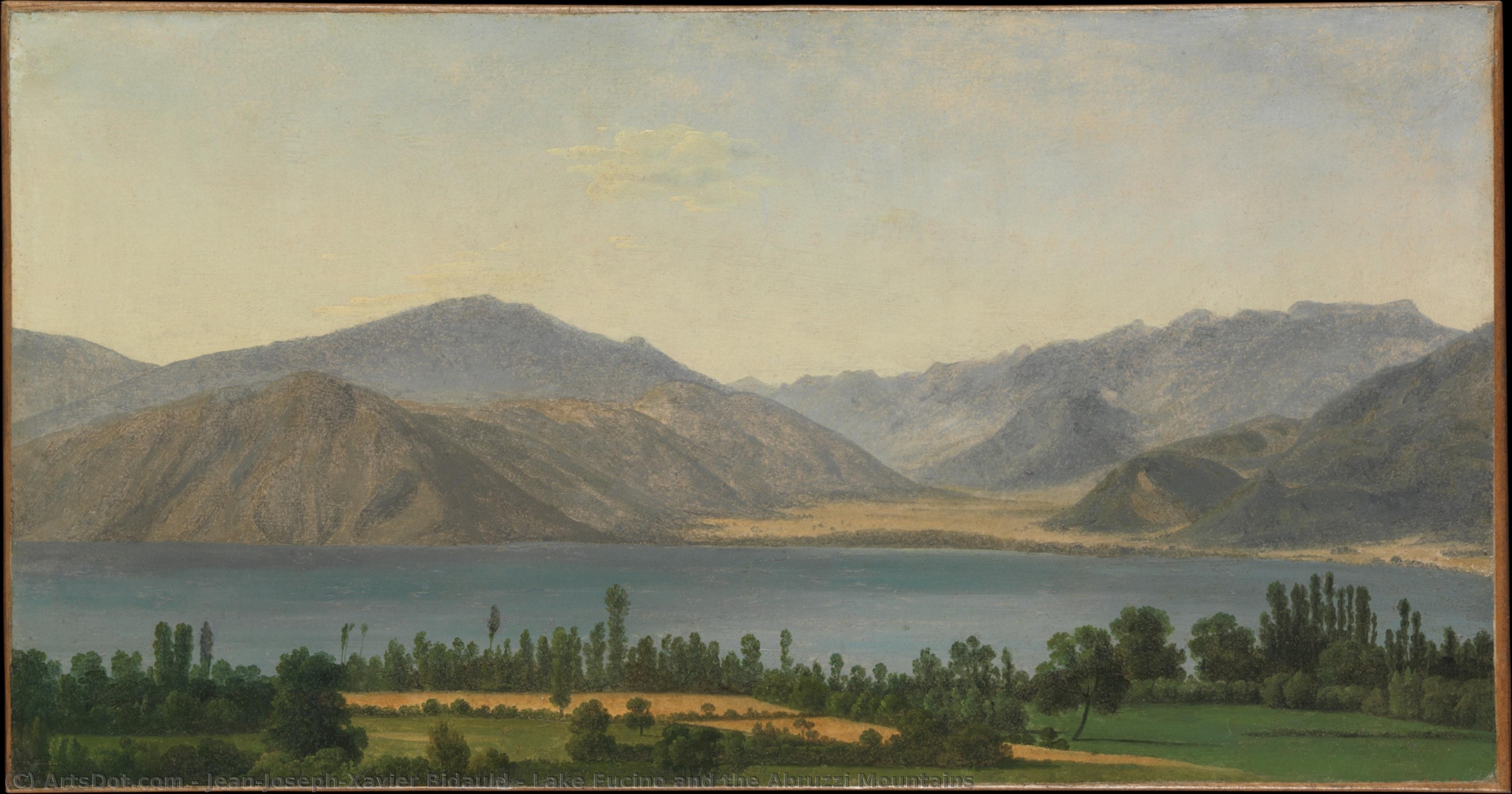
Lake Fucino and the Abruzzi Mountains
 Neoclassicism
 1789
1789- Early Modern
 25.0 x 48.0 cm
 Metropolitan Museum of Art
 Weiterlesen
Erwerben Sie ein hochauflösendes, optimiertes digitales Bild, das der Online-Vorschau weit überlegen ist.
Jede Datei wird von unseren hauseigenen Spezialisten mit modernsten Werkzeugen und fachmännischer manueller Retusche sorgfältig vorbereitet. Wir stellen sicher, dass jedes Bild eine außergewöhnliche Klarheit, präzise Farbgenauigkeit und feinste Details aufweist.
Die endgültige Datei wird innerhalb von 72 Stunden per E-Mail zugestellt und ist für den sofortigen Einsatz in professionellen, redaktionellen und Druckumgebungen optimiert. Es handelt sich um dieselbe Qualität, der führende Designstudios, Verlage und Galerien vertrauen.
Digitales Bild
Laden Sie eine hochauflösende Datei für die persönliche Präsentation, den Druck und kreative Projekte herunter. ( Druck bestellen Handgemalte Reproduktion bestellen)
In jeder Bestellung digitaler Bilder enthalten
Professionelle digitale Bereitstellung, garantiert
Wenn Sie sich für ArtsDot.com entscheiden, erhalten Sie nicht nur ein Bild – Sie erhalten ein professionell aufbereitetes digitales Kunstwerk, das mit höchster Präzision erstellt und durch eine Zufriedenheitsgarantie abgesichert wird. Hier ist alles, was automatisch mit Ihrer Bestellung geliefert wird:

Schnelle E-Mail-Zustellung
Ihre hochauflösende digitale Bilddatei wird Ihnen innerhalb von 72 Stunden nach der Bestellung per E-Mail zugestellt – bereit zur sofortigen Verwendung.

KI-optimierte digitale Datei
Ihre Kunstwerke werden professionell mithilfe fortschrittlicher KI-Tools und manueller Bearbeitung optimiert, um maximale Detailtreue, Klarheit und Farbgenauigkeit zu gewährleisten.

Lebenslanger kostenloser Neudruckservice
Datei versehentlich gelöscht oder verloren? Keine Sorge – wir senden sie Ihnen jederzeit kostenlos erneut zu.

Keine Einfuhrgebühren – jemals
Genießen Sie Ihr Kunstwerk sofort ohne Zollgebühren, Einfuhrabgaben oder Versandkosten – digitale Downloads sind immer steuerfrei.

Garantierte Farbtreue
Wir garantieren, dass Ihr digitales Bild mithilfe professioneller Werkzeuge und Farbmanagement die Originalfarben so präzise wie möglich wiedergibt.

100-Tage-Zufriedenheitsgarantie
Sollten Sie mit Ihrem digitalen Bild nicht zufrieden sein, werden wir es überarbeiten oder Ihnen innerhalb von 100 Tagen 100% erstatten – ohne Wenn und Aber.

100% Geld-zurück-Garantie
Nicht zufrieden? Erhalten Sie innerhalb von 100 Tagen nach Erhalt Ihrer digitalen Datei eine vollständige Rückerstattung – ohne Angabe von Gründen.

Rabatte bei Großbestellungen
3 Bilder kaufen, 10% sparen – 5 Bilder kaufen, 15% sparen – Ab 10 Bildern 20% sparen. Ideal für kreative Projekte, Galerien und Agenturen.
Ähnliche Kunstwerke



Biografie des Künstlers
The Enigmatic Visionary: Jean-Joseph-Xavier Bidauld
Jean-Joseph-Xavier Bidauld remains a somewhat elusive figure in the landscape of 19th-century French art, a painter whose work bridges Romanticism and early Symbolism with a distinctive, often haunting sensibility. Born in , his life details are sparsely documented, contributing to the mystique surrounding his oeuvre. What *is* known is that Bidauld emerged during a period of intense artistic ferment, following in the footsteps of masters like Delacroix while simultaneously forging a path uniquely his own. He wasn't a product of the official Salon system, preferring instead to exhibit at more independent venues and cultivate a dedicated, if relatively small, circle of admirers. This deliberate distance from mainstream recognition allowed him greater freedom to explore themes that were often considered unconventional for his time – spirituality, mortality, and the power of dreams.A Childhood Immersed in Art and History
While precise biographical information is limited, it’s believed Bidauld received early artistic training within a family environment steeped in cultural appreciation. His formative years were likely influenced by the historical narratives prevalent in French society following the Napoleonic era. This fascination with the past—particularly medieval history and folklore—would become a recurring motif throughout his career. Unlike many of his contemporaries who focused on grand historical events, Bidauld tended to gravitate towards more intimate scenes, often depicting solitary figures lost in contemplation or engaged in mysterious rituals. His early works demonstrate a clear technical proficiency, showcasing a mastery of draftsmanship and an understanding of light and shadow reminiscent of the Romantic painters he admired. However, even in these initial pieces, there’s a subtle undercurrent of melancholy and introspection that sets his work apart.Themes of Spirituality and the Macabre
Bidauld's artistic vision matured into a deeply personal exploration of spirituality, often intertwined with themes of death and the supernatural. He wasn’t interested in depicting conventional religious scenes; rather, he sought to capture the *feeling* of faith—the awe, the doubt, the yearning for something beyond the material world. This pursuit led him to explore symbolism drawn from various sources, including medieval illuminated manuscripts, occult traditions, and his own vivid imagination. His paintings frequently feature cloaked figures, crumbling ruins, and ethereal landscapes, creating an atmosphere of both beauty and unease. The macabre wasn’t merely a source of shock value for Bidauld; it was a means of confronting the fragility of life and the inevitability of mortality. He presented death not as a terrifying end but as a transition—a gateway to another realm.Influences and Artistic Development
Identifying direct influences on Bidauld is complex, given his relatively isolated artistic trajectory. However, scholars point to several key figures who likely shaped his aesthetic sensibilities. Eugène Delacroix’s dramatic use of color and expressive brushwork undoubtedly left an impression, as did the Symbolist painters like Gustave Moreau and Odilon Redon, though Bidauld predates their full emergence. The Pre-Raphaelites, with their emphasis on detail and medieval subject matter, also resonate in his work.- Romanticism: Delacroix’s emotional intensity and vibrant palette.
- Symbolism: Moreau's dreamlike imagery and Redon's exploration of the subconscious.
- Medieval Art: Illuminated manuscripts and Gothic architecture, inspiring his subject matter and compositional style.
Legacy and Historical Significance
Despite lacking widespread recognition during his lifetime, Jean-Joseph-Xavier Bidauld’s work has experienced a resurgence in recent years. His paintings are now appreciated for their unique blend of Romanticism and Symbolism, as well as their profound exploration of spiritual themes. He anticipated many of the concerns that would preoccupy later generations of artists—the search for meaning in a rapidly changing world, the power of the subconscious, and the enduring fascination with death and the afterlife. Bidauld’s legacy lies not in his adherence to any particular artistic movement but in his ability to create a deeply personal and evocative visual language that continues to resonate with audiences today. He stands as a testament to the power of individual vision—a painter who dared to explore the darker corners of the human psyche and capture the elusive beauty of the unseen world.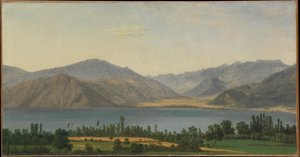
Kurzinfos
- Artistic Movement Or Style: Orientalism, Academic painting
- Artists Or Movements Influenced By This Artist: ['Orientalist painters']
- Artists Who Influenced This Artist:
- Ingres
- Delacroix
- Date Of Death: Living
- Full Name: Jean-Joseph-Xavier Bidauld
- Nationality: French
- Notable Artworks:
- The Coffee Diviner
- Arab Encampment
- Interior of a Harem