

 Vorschau anzeigen
 Versenden
 Teilen
 Details anzeigen

 Herunterladen
 Ähnliche Objekte
 Röntgenaufnahme
 Diashow
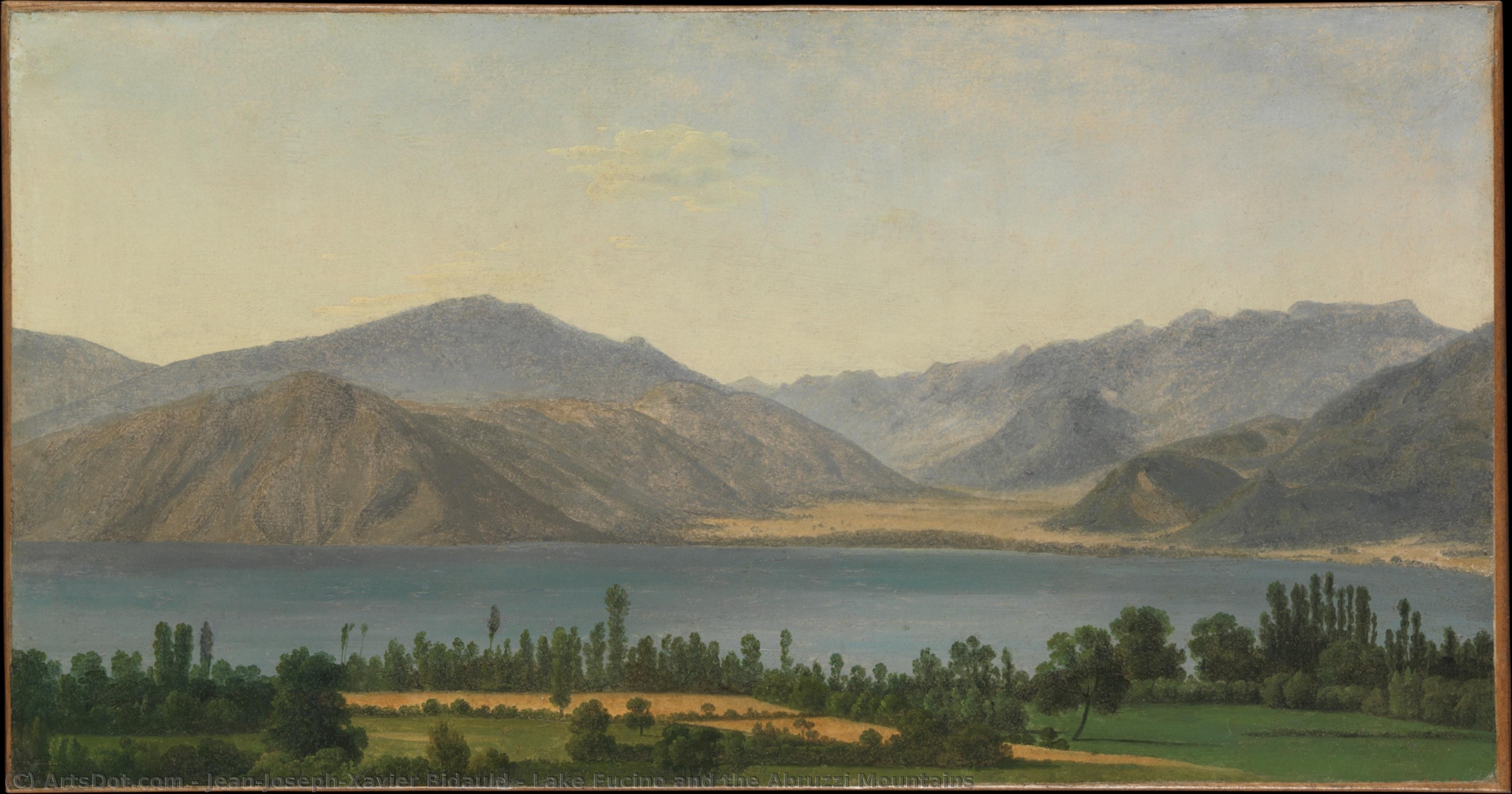
Lake Fucino and the Abruzzi Mountains
 Neoclassicism
 1789
1789- Early Modern
 25.0 x 48.0 cm
 Metropolitan Museum of Art
 Weiterlesen
Giclée / Kunstdruck
Giclée- oder Leinwanddruck in Museumsqualität mit schneller Produktion und flexiblen Veredelungsoptionen. ( Handgemalte Reproduktion bestellen Bild kaufen)




































Wählen Sie aus unseren vordefinierten Formaten, die den ursprünglichen Proportionen des Kunstwerks entsprechen.

Sie können Ihre eigenen Maße eingeben, um ein bestimmtes Format oder einen speziellen Platz einzupassen. Wenn das von Ihnen gewählte Format nicht den Proportionen des Originalbildes entspricht, werden wir das Kunstwerk entweder beschneiden oder das Bild mit einem gespiegelten oder einfarbigen Rand erweitern. Ein digitaler Entwurf wird Ihnen zur Genehmigung zugesandt, bevor die Produktion beginnt.
Bitte beachten Sie, dass die Vorschau auf dem Bildschirm nicht den tatsächlichen Zuschnitt oder die Erweiterung widerspiegelt. Nur der Entwurf zeigt die endgültige Komposition präzise an.
Obwohl Sondermaße verfügbar sind, empfehlen wir die Auswahl eines Maßes aus der vordefinierten Liste, um die ursprünglichen Proportionen zu bewahren.
Weltweiter Versand () innerhalb von 2 Wochen statt der üblichen 4/5 Wochen. (6 September)

Kostenloser weltweiter Expressversand

Hochwertige Leinenleinwand

Umfassender Versicherungsschutz beim Versand

Zollgebühren-Rückerstattungsgarantie

Garantie für exakte Farbtreue

100 Tage Rückgaberecht (nur bei Mängeln)

100% Geld-zurück-Garantie

Mengenrabatt verfügbar
 Die Glasoption ist nur für Größen unter 110 cm verfügbar.

Lake Fucino and the Abruzzi Mountains
Giclée / Kunstdruck
Format der Reproduktion
-


Gesamtpreis
$ 62
Ähnliche Kunstwerke
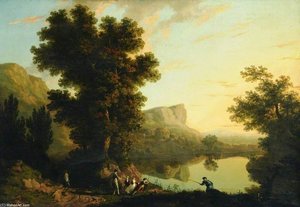
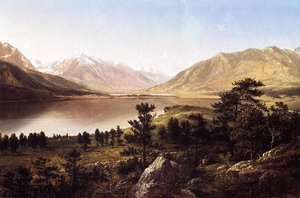
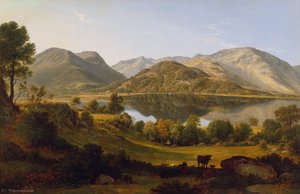
Über den Künstler
The Enigmatic Visionary: Jean-Joseph-Xavier Bidauld
Jean-Joseph-Xavier Bidauld remains a somewhat elusive figure in the landscape of 19th-century French art, a painter whose work bridges Romanticism and early Symbolism with a distinctive, often haunting sensibility. Born in , his life details are sparsely documented, contributing to the mystique surrounding his oeuvre. What *is* known is that Bidauld emerged during a period of intense artistic ferment, following in the footsteps of masters like Delacroix while simultaneously forging a path uniquely his own. He wasn't a product of the official Salon system, preferring instead to exhibit at more independent venues and cultivate a dedicated, if relatively small, circle of admirers. This deliberate distance from mainstream recognition allowed him greater freedom to explore themes that were often considered unconventional for his time – spirituality, mortality, and the power of dreams.A Childhood Immersed in Art and History
While precise biographical information is limited, it’s believed Bidauld received early artistic training within a family environment steeped in cultural appreciation. His formative years were likely influenced by the historical narratives prevalent in French society following the Napoleonic era. This fascination with the past—particularly medieval history and folklore—would become a recurring motif throughout his career. Unlike many of his contemporaries who focused on grand historical events, Bidauld tended to gravitate towards more intimate scenes, often depicting solitary figures lost in contemplation or engaged in mysterious rituals. His early works demonstrate a clear technical proficiency, showcasing a mastery of draftsmanship and an understanding of light and shadow reminiscent of the Romantic painters he admired. However, even in these initial pieces, there’s a subtle undercurrent of melancholy and introspection that sets his work apart.Themes of Spirituality and the Macabre
Bidauld's artistic vision matured into a deeply personal exploration of spirituality, often intertwined with themes of death and the supernatural. He wasn’t interested in depicting conventional religious scenes; rather, he sought to capture the *feeling* of faith—the awe, the doubt, the yearning for something beyond the material world. This pursuit led him to explore symbolism drawn from various sources, including medieval illuminated manuscripts, occult traditions, and his own vivid imagination. His paintings frequently feature cloaked figures, crumbling ruins, and ethereal landscapes, creating an atmosphere of both beauty and unease. The macabre wasn’t merely a source of shock value for Bidauld; it was a means of confronting the fragility of life and the inevitability of mortality. He presented death not as a terrifying end but as a transition—a gateway to another realm.Influences and Artistic Development
Identifying direct influences on Bidauld is complex, given his relatively isolated artistic trajectory. However, scholars point to several key figures who likely shaped his aesthetic sensibilities. Eugène Delacroix’s dramatic use of color and expressive brushwork undoubtedly left an impression, as did the Symbolist painters like Gustave Moreau and Odilon Redon, though Bidauld predates their full emergence. The Pre-Raphaelites, with their emphasis on detail and medieval subject matter, also resonate in his work.- Romanticism: Delacroix’s emotional intensity and vibrant palette.
- Symbolism: Moreau's dreamlike imagery and Redon's exploration of the subconscious.
- Medieval Art: Illuminated manuscripts and Gothic architecture, inspiring his subject matter and compositional style.
Legacy and Historical Significance
Despite lacking widespread recognition during his lifetime, Jean-Joseph-Xavier Bidauld’s work has experienced a resurgence in recent years. His paintings are now appreciated for their unique blend of Romanticism and Symbolism, as well as their profound exploration of spiritual themes. He anticipated many of the concerns that would preoccupy later generations of artists—the search for meaning in a rapidly changing world, the power of the subconscious, and the enduring fascination with death and the afterlife. Bidauld’s legacy lies not in his adherence to any particular artistic movement but in his ability to create a deeply personal and evocative visual language that continues to resonate with audiences today. He stands as a testament to the power of individual vision—a painter who dared to explore the darker corners of the human psyche and capture the elusive beauty of the unseen world.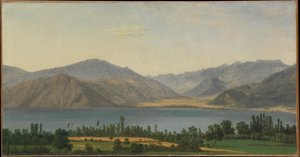
Kurzinfos
- Artistic Movement Or Style: Orientalism, Academic painting
- Artists Or Movements Influenced By This Artist: ['Orientalist painters']
- Artists Who Influenced This Artist:
- Ingres
- Delacroix
- Date Of Death: Living
- Full Name: Jean-Joseph-Xavier Bidauld
- Nationality: French
- Notable Artworks:
- The Coffee Diviner
- Arab Encampment
- Interior of a Harem
Ähnliche Artikel

John Constable: Die 25 Meisterwerke des englischen Landschaftsgenies – ArtsDot
Entdecken Sie die 25 Meisterwerke von John Constable! Erleben Sie englische Landschaftsmalerei vom Hay Wain bis zur Stour Valley. Hochwertige Reproduktionen & Kunst für Ihr Zuhause auf ArtsDot.com.
Serene Visions: Exploring Themes of Tranquility in Art History & Contemporary Practice
Explore the history of serene landscape art & discover artists who evoke tranquility. Find the perfect calming artwork for your home with expert guidance from ArtsDot.

Evocations of Place: A Historical Journey Through Landscape Art
Explore the rich history of landscape art with ArtsDot. Discover renowned artists, movements like Impressionism & Romanticism, and expert guidance for collecting timeless pieces. Find your perfect serene escape today!

Romantische Landschaften: Die 10 Meisterwerke, die eine Epoche prägten | ArtsDot
Entdecken Sie die 10 Meisterwerke der Romantischen Landschaftsmalerei! Von Caspar David Friedrich bis Turner – erleben Sie die Kunst, Emotion & Natur. Hochwertige Reproduktionen auf ArtsDot.com

Katsushika Hokusai: Die 25 Meisterwerke des Ukiyo-e – Kunst für Ihr Zuhause | ArtsDot
Entdecken Sie die 25 Meisterwerke von Katsushika Hokusai! Tauchen Sie ein in die Welt des Ukiyo-e, berühmte Holzschnitte wie 'Die große Welle' & Fuji-Ansichten. Hochwertige Kunstdrucke für Ihr Zuhause – jetzt auf ArtsDot.com!