

 Vorschau anzeigen
 Versenden
 Teilen
 Details anzeigen

 Herunterladen
 Ähnliche Objekte
 Röntgenaufnahme
 Diashow
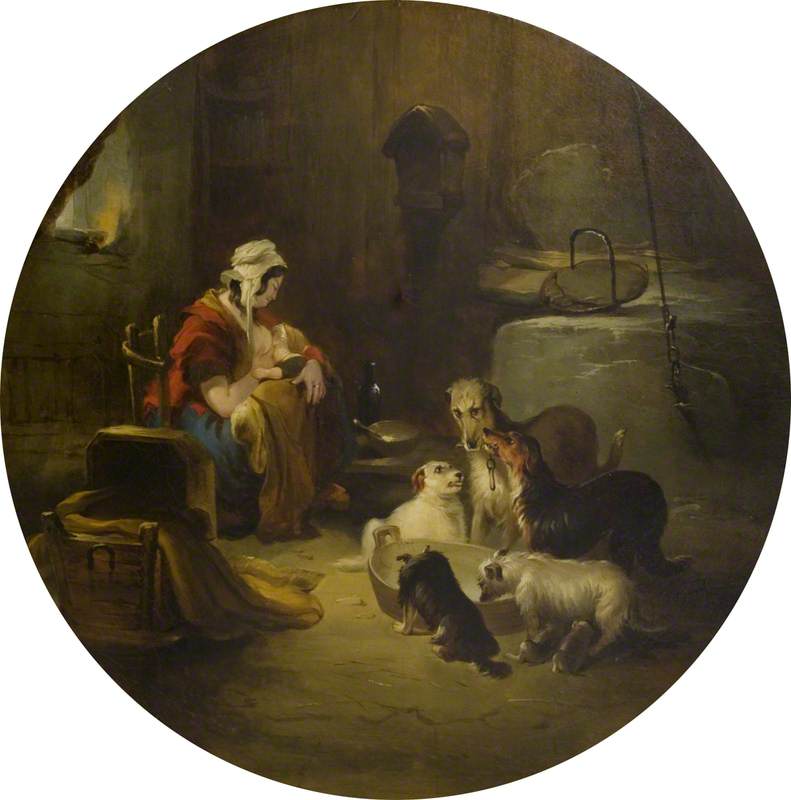
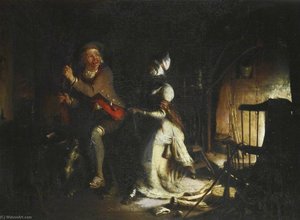
Cottage Interior (after Edwin Henry Landseer)


 Weiterlesen
Handgefertigte Ölreproduktion
Handgemaltes Ölgemälde auf Leinwand in Ihrer Wunschgröße und mit Rahmen, auf Bestellung von unseren Künstlern angefertigt. ( Druck bestellen Bild kaufen)




































Wählen Sie aus unseren vordefinierten Formaten, die den ursprünglichen Proportionen des Kunstwerks entsprechen.

Sie können Ihre eigenen Maße eingeben, um einen bestimmten Rahmen oder Platz auszufüllen. Wenn die gewählte Größe nicht den Proportionen des Originalbildes entspricht, werden wir das Kunstwerk entweder beschneiden oder das Gemälde durch zusätzliche, handgemalte Elemente erweitern. Ein digitales Mockup wird Ihnen zur Genehmigung zugesandt, bevor die Produktion beginnt.
Bitte beachten Sie, dass die Bildschirmvorschau nicht die tatsächliche Beschneidung oder Erweiterung widerspiegelt. Nur das Mockup zeigt die endgültige Komposition exakt an.
Obwohl Sondermaße verfügbar sind, empfehlen wir, eine Größe aus der vordefinierten Liste zu wählen, um die ursprünglichen Proportionen beizubehalten.
Nach der Bestellung wird das ArtsDot.com-Team dem Kunden Anweisungen per E-Mail zusenden und eine Mockup-Vorschau bereitstellen.
Weltweiter Versand () in nur 3 bis 4 Wochen statt der üblichen 5 Wochen. (24 August). Keine Kompromisse bei der Qualität.

Kostenloser weltweiter Expressversand

Hochwertige Leinenleinwand

Umfassender Versicherungsschutz beim Versand

Zollgebühren-Rückerstattungsgarantie

Garantie für exakte Farbtreue

60 Tage Rückgaberecht (nur bei Mängeln)

100% Geld-zurück-Garantie

Mengenrabatt verfügbar
 Die Glasoption ist nur für Größen unter 110 cm verfügbar.

Cottage Interior (after Edwin Henry Landseer)
Art der Reproduktion
Format der Reproduktion
-


Gesamtpreis
$ 263
Ähnliche Kunstwerke

Über den Künstler
Jennens & Bettridge: Masters of Victorian Papier-Mâché
Jennens & Bettridge, a name synonymous with exquisite craftsmanship and opulent decoration in 19th-century Britain, represents far more than just a manufacturing firm. They were pioneers in the art of papier-mâché, transforming this humble material into objects of breathtaking beauty and intricate detail – a testament to Victorian ingenuity and a reflection of the era’s fascination with exotic materials and luxurious embellishment. The partnership between Theodore Hyla Jennens, John Bettridge Sr., Aaron Jennens, and later John Bettridge Jr., began in 1816, inheriting the established workshops of Henry Clay, initially serving as Japanners to royalty, including George III and the Prince of Wales. This lineage immediately positioned them within a world of refined taste and royal patronage, setting the stage for their remarkable rise to prominence.- Early Foundations: The firm’s initial success stemmed from its ability to replicate the intricate designs favored by the aristocracy, utilizing papier-mâché as a versatile medium capable of mimicking precious materials like ivory, lacquer, and even gold leaf.
- Innovation in Decoration: A pivotal moment arrived with G. Neville's discovery of a technique for painting black papier-mâché in 1831 – a breakthrough that allowed for the creation of incredibly realistic surfaces, particularly suited to depicting scenes of exotic lands like Egypt and the Orient, reflecting the Victorian fascination with exploration and the “exotic.”
- Royal Recognition: Jennens & Bettridge quickly gained royal commissions, supplying Buckingham Palace with stunning folding screens in 1847 – a tangible symbol of their elevated status within the court.
A Flourishing Business and International Expansion
By the mid-19th century, Jennens & Bettridge had evolved into the world’s largest manufacturer of papier-mâché ware. Their workshops in Birmingham and London were bustling with activity, employing over sixty skilled artisans who meticulously crafted a vast array of objects – from delicate trays and ornate boxes to elaborate furniture pieces like cabinets, secretaires, and even pianos. The firm's success wasn't solely reliant on replicating existing styles; they actively experimented with new techniques and materials, incorporating elements of Japanese lacquerwork, Chinese motifs, and Western neoclassical design. The influence of Christopher Dresser, a prominent designer of the era, is evident in some of their later creations, showcasing a willingness to embrace contemporary aesthetics.- Expansion Beyond Britain: Jennens & Bettridge strategically expanded its reach internationally, establishing showrooms in Paris and New York City, catering to a global clientele eager for unique and luxurious decorative objects.
- Exhibitions and Recognition: The firm’s contributions were prominently displayed at major international exhibitions, including the Great Exhibition of 1851 in London, where they showcased an impressive collection of furniture, accessories, and decorative panels – a testament to their technical prowess and artistic vision.
Technique and Materials: The Art of Papier-Mâché Mastery
Jennens & Bettridge’s reputation rested not only on the beauty of their creations but also on their mastery of papier-mâché technique. They were pioneers in utilizing a diverse range of materials, pushing the boundaries of what was possible with this malleable medium. Their innovative approach included:- Layered Construction: Utilizing a robust rod within the central pillar of chairs and tables ensured stability and durability.
- Inlaid Decoration: Employing techniques to incorporate precious materials like colored glass, tortoiseshell, mother-of-pearl, and gemstones created surfaces that shimmered with unparalleled richness and depth.
- Black Papier-Mâché: The development of a method for painting black papier-mâché allowed them to replicate the intricate details of exotic scenes – particularly those inspired by Egypt – with remarkable accuracy.
Legacy and Historical Significance
Jennens & Bettridge’s influence extends far beyond their impressive catalog of decorative objects. They played a crucial role in popularizing papier-mâché as a legitimate art form, demonstrating its potential for both functional design and exquisite artistry. Their work reflects the Victorian era's fascination with global cultures, technological innovation, and the pursuit of luxurious embellishment. Today, their creations are highly sought after by collectors and museums alike, offering a captivating glimpse into the craftsmanship and aesthetic sensibilities of 19th-century Britain. The firm’s story serves as a reminder that even humble materials, when skillfully combined with artistic vision and technical expertise, can yield extraordinary results – leaving an enduring legacy in the annals of decorative arts history.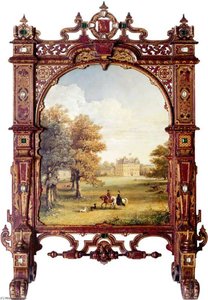
Kurzinfos
- Artistic Movement Or Style: Victorian Painting
- Artists Or Movements Influenced By This Artist: ['Jennens and Bettridge']
- Artists Who Influenced This Artist: ['Christopher Dresser']
- Date Of Death: 1908
- Full Name: Jennens Bettridge
- Nationality: British
- Notable Artworks:
- Buckingham Palace
- Windsor Castle
- Place Of Birth: Birmingham, England
Ähnliche Artikel
Animalia: Die bleibende Präsenz von Tieren in Kunst und Innenarchitektur
Entdecken Sie die faszinierende Welt der Animalia! Von historischen Tierdarstellungen bis zur modernen Innenarchitektur – wir bieten Expertise, hochwertige Reproduktionen & Kunstberatung.

Level Up Your Art: Transform Personal Photos into High-Octane Action Anime Masterpieces with AI-Driven Oil Painting
Transform your favorite photos into high-octane action anime masterpieces. Using proprietary AI and master artists, we turn digital memories into hand-painted oil on canvas legacies. Experience the perfect fusion of pop culture energy and timeless fine artistry at ArtsDot.com.

The Enduring Legacy of Oil on Canvas: Technique, History & Aesthetic Impact
Explore the rich history & techniques of oil painting – from Renaissance masters to Impressionism. Discover pigments, layering methods, and why this timeless medium endures. Expert insights for artists & art enthusiasts.
Beastly Brushstrokes: A Historical Journey Through Animal Painting & Aesthetic Movements
Explore the rich history of animal painting across cultures & movements. Discover iconic artists, symbolism, collecting trends & expert art consultation at ArtsDot.com.
Romantic Realism's Finest: 10 Masterpieces for Your Home | ArtsDot
Explore 10 defining masterpieces of Romantic Realism! Discover Courbet, Millet & Daumier's powerful paintings—capturing emotion and social realities. Find museum-quality reproductions for your home at ArtsDot.com.

