 Vorschau anzeigen
 Versenden
 Teilen
 Details anzeigen

 Herunterladen
 Ähnliche Objekte
 Röntgenaufnahme
 Diashow
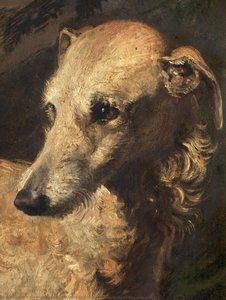
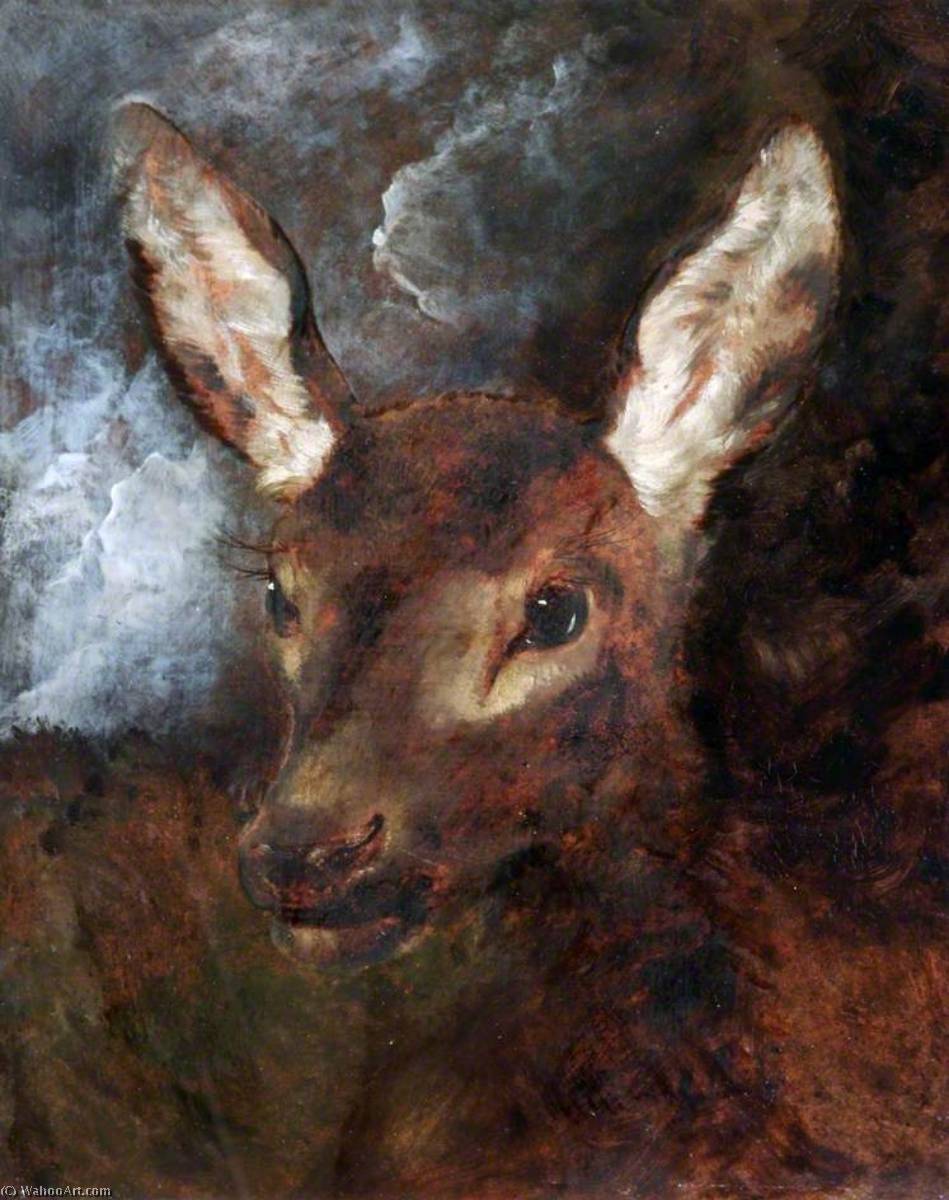
Head of a Hind
 Oil On Canvas
- WallArt
- Victorian Animalier
 1840
1840 53.0 x 45.0 cm
 Walker Art Gallery
 Weiterlesen
Handgefertigte Ölreproduktion
Handgemaltes Ölgemälde auf Leinwand in Ihrer Wunschgröße und mit Rahmen, auf Bestellung von unseren Künstlern angefertigt. ( Druck bestellen Bild kaufen)




P118B $10

P118H $10

P118W $10

P438Z $10

P508JH $12

P508YH $12

P805H $10

P805Z $10

P919BZ $10

P919G $10

P919XJ $10

P959ZH $10

P968JZ $12

W106C $8

W218G $10

W218JH $8

W218Y $10

W307PJ $10

W316G $10

W316PJ $8

W316Y $10

W398PJ $8

W4111J $10

W500HY $15

W500JH $15

W692G $12

W849H $8

W940BG $15

W953PJ $8




Wählen Sie aus unseren vordefinierten Formaten, die den ursprünglichen Proportionen des Kunstwerks entsprechen.

Sie können Ihre eigenen Maße eingeben, um einen bestimmten Rahmen oder Platz auszufüllen. Wenn die gewählte Größe nicht den Proportionen des Originalbildes entspricht, werden wir das Kunstwerk entweder beschneiden oder das Gemälde durch zusätzliche, handgemalte Elemente erweitern. Ein digitales Mockup wird Ihnen zur Genehmigung zugesandt, bevor die Produktion beginnt.
Bitte beachten Sie, dass die Bildschirmvorschau nicht die tatsächliche Beschneidung oder Erweiterung widerspiegelt. Nur das Mockup zeigt die endgültige Komposition exakt an.
Obwohl Sondermaße verfügbar sind, empfehlen wir, eine Größe aus der vordefinierten Liste zu wählen, um die ursprünglichen Proportionen beizubehalten.
Nach der Bestellung wird das ArtsDot.com-Team dem Kunden Anweisungen per E-Mail zusenden und eine Mockup-Vorschau bereitstellen.
Weltweiter Versand () in nur 3 bis 4 Wochen statt der üblichen 5 Wochen. (23 August). Keine Kompromisse bei der Qualität.

Kostenloser weltweiter Expressversand

Hochwertige Leinenleinwand

Umfassender Versicherungsschutz beim Versand

Zollgebühren-Rückerstattungsgarantie

Garantie für exakte Farbtreue

60 Tage Rückgaberecht (nur bei Mängeln)

100% Geld-zurück-Garantie

Mengenrabatt verfügbar
 Die Glasoption ist nur für Größen unter 110 cm verfügbar.

Head of a Hind
Art der Reproduktion
Format der Reproduktion
-


Gesamtpreis
$ 263
Beschreibung des Kunstwerks
A Portrait of Majesty: Sir Edwin Landseer’s ‘Head of a Hind’
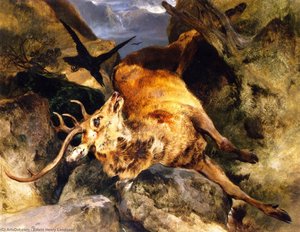
Sir Edwin Henry Landseer's “Head of a Hind,” painted in 1840, is more than simply a depiction of a deer; it’s a poignant distillation of the Victorian fascination with nature, nobility, and the romantic ideals of the British countryside. This intimate portrait, rendered in oil on board, captures a moment of quiet contemplation within the animal's gaze – an expression that speaks volumes about its wildness and inherent dignity. The painting immediately draws the viewer in, not through grand scale or dramatic action, but through a remarkably sensitive portrayal of form and texture.
Landseer’s technique is characterized by his meticulous attention to detail and his profound understanding of animal anatomy. He wasn't merely sketching; he was dissecting, as he famously did, studying the musculature and skeletal structure of animals to achieve an unparalleled realism. This dedication is evident in every strand of fur, every ripple of muscle beneath the deer’s sleek coat. The artist masterfully employs a broken brushstroke technique, layering colors subtly to create a sense of depth and volume – particularly noticeable in the rich browns and golds that define the animal's pelt. The lighting, too, is carefully considered, highlighting the contours of the head and casting subtle shadows that enhance the three-dimensionality of the subject.
Victorian Sentimentality and the Animalier Tradition
“Head of a Hind” firmly places itself within the context of Victorian art, a period deeply influenced by Romanticism and a burgeoning interest in the natural world. The animalier tradition – the depiction of animals as subjects in art – was gaining considerable traction during this era, largely thanks to artists like Landseer who elevated it beyond mere illustration. Landseer’s work resonated profoundly with the Victorian sensibility, which often sought solace and moral lessons within the beauty and dignity of nature. Deer were frequently associated with grace, purity, and nobility, qualities highly valued in Victorian society.
Furthermore, the painting reflects a broader shift towards sentimental art – an aesthetic that prioritized emotional resonance over strict realism. Landseer’s deer isn't presented as a wild beast to be feared or hunted; instead, it is portrayed with a gentle vulnerability and a quiet awareness. This approach aligns perfectly with the Victorian fascination with domesticity and the idealized portrayal of rural life.
Symbolism and the Spirit of the Highlands
The deer itself carries significant symbolic weight. In European folklore, deer are often associated with Artemis, the Greek goddess of the hunt and wilderness, embodying both power and grace. Within the context of Victorian England, the animal’s presence evokes a longing for a simpler, more untamed existence – a yearning that was particularly strong in a rapidly industrializing nation. The slightly turned head, as if listening to an unseen melody, suggests a connection to ancient traditions and the spirit of the Highlands, where Landseer spent much of his time studying and painting.
The cloudy sky in the background subtly reinforces this sense of atmosphere and mystery. It’s not a bright, cheerful vista; rather, it evokes a mood of contemplative stillness, mirroring the deer's own quiet demeanor. The composition as a whole suggests a moment suspended in time – a fleeting glimpse into the heart of the natural world.
A Timeless Masterpiece: Reproduction and Beyond
“Head of a Hind” remains a powerfully evocative work of art, captivating viewers with its exquisite detail and profound emotional depth. ArtsDot offers meticulously crafted reproductions that faithfully capture the essence of Landseer’s original masterpiece, allowing you to bring this timeless image into your home or office. Whether as a statement piece in a study or a calming addition to a living room, this painting continues to resonate with its inherent beauty and enduring symbolism. Consider it not just a decoration, but a window into the Victorian soul – a testament to the power of art to capture the spirit of nature and the human heart.
Ähnliche Kunstwerke
Über den Künstler
Frühes Leben und Ausbildung
Sir Edwin Henry Landseer, ein bedeutender englischer Maler und Bildhauer, wurde am 7. März 1802 in London, im Vereinigten Königreich, geboren. Als Sohn des Graveurs John Landseer A.R.A. war er schon in jungen Jahren der Welt der Kunst ausgesetzt. Landseers außergewöhnliches Talent wurde früh erkannt, was dazu führte, dass er unter mehreren Künstlern studierte, darunter sein Vater und der Historienmaler Benjamin Robert Haydon.Künstlerische Karriere
Landseers künstlerische Karriere zeichnete sich durch seine herausragende Fähigkeit aus, Tiere, insbesondere Pferde, Hunde und Hirsche, einzufangen. Seine berühmtesten Werke sind jedoch die Löwenskulpturen im Trafalgar Square in London. Sir Edwin Henry Landseer war Mitglied der Royal Academy, stellte bereits im Alter von 13 Jahren Arbeiten aus und wurde später mit 24 zum Associate und mit 31 zum Akademiker ernannt.Bemerkenswerte Werke und Kooperationen
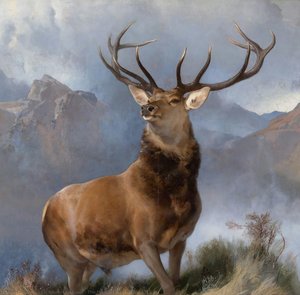
Zu Landseers bemerkenswertesten Werken gehören:- Monarch of the Glen (1851), eine majestätische Hirschstudie, die seine Fähigkeit zeigt, die Schönheit der Natur einzufangen.
- Off to the Rescue (1827), ein Gemälde mit einem Neufundländer, das Landseers Fähigkeit hervorhebt, edle Tiere darzustellen.
- Laying Down the Law (1840), ein satirisches Werk mit einer Gruppe von Hunden, das seinen Sinn für Humor und Kreativität demonstriert.
Museen mit Landseers Werken
Landseers Werke sind in verschiedenen Museen zu finden, darunter:- Tate Britain, London, Großbritannien
- Victoria and Albert Museum, London, Großbritannien
- Kenwood House, London, Großbritannien
- The Wallace Collection, London, Großbritannien
Vermächtnis
Landseers Vermächtnis geht über seine Kunst hinaus, wobei die "Landseer"-Rasse des Neufundländerhundes nach ihm benannt wurde. Seine Zusammenarbeit mit dem Maler Frederick Richard Lee und seine Porträts von Königin Victoria und ihrer Familie festigen seinen Einfluss auf die britische Kunst weiter.Online-Ressourcen
Für weitere Informationen über das Leben und Werk von Sir Edwin Henry Landseer besuchen Sie:- ArtsDot.com: Sir Edwin Henry Landseer
- Wikipedia: Sir Edwin Landseer
Schlussfolgerung
Sir Edwin Henry Landseers bemerkenswertes Talent und seine Beiträge zur britischen Kunst haben einen bleibenden Eindruck hinterlassen. Seine Werke, die Tiere und satirische Themen darstellen, inspirieren weiterhin Künstler und Kunstliebhaber gleichermaßen.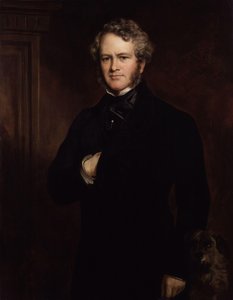
Sir Edwin Henry Landseer
1802 - 1873 , Vereinigtes Königreich
Kurzinfos
- Bemerkenswerte Werke:
- Monarch of the Glen
- Off to the Rescue
- Laying Down the Law
- Geburtsdatum: 7. März 1802
- Geburtsort (Stadt, Land): London, Vereinigtes Königreich
- Künstler, Die Diesen Künstler Beeinflussten:
- Benjamin Robert Haydon
- John Landseer
- Künstlerische Bewegung Oder Stil: Viktorianische Kunst
- Nationalität: Britisch
- Todatum: 1873
- Vollständiger Name: Sir Edwin Henry Landseer
Ähnliche Artikel

Romantische Landschaften: Die 10 Meisterwerke, die eine Epoche prägten | ArtsDot
Entdecken Sie die 10 Meisterwerke der Romantischen Landschaftsmalerei! Von Caspar David Friedrich bis Turner – erleben Sie die Kunst, Emotion & Natur. Hochwertige Reproduktionen auf ArtsDot.com
Sir Edwin Landseer: Sentiment, Society & the Victorian Animalier Tradition
Explore the life & art of Sir Edwin Landseer, Victorian Britain's foremost animal painter. Discover his iconic works, societal impact, and collecting guide at ArtsDot.
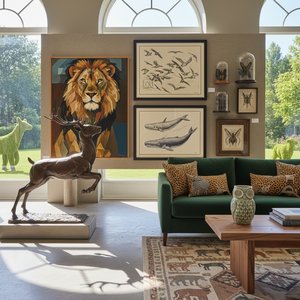
Animalia: Die bleibende Präsenz von Tieren in Kunst und Innenarchitektur
Entdecken Sie die faszinierende Welt der Animalia! Von historischen Tierdarstellungen bis zur modernen Innenarchitektur – wir bieten Expertise, hochwertige Reproduktionen & Kunstberatung.

Evocations of Place: A Historical Journey Through Landscape Art
Explore the rich history of landscape art with ArtsDot. Discover renowned artists, movements like Impressionism & Romanticism, and expert guidance for collecting timeless pieces. Find your perfect serene escape today!

John Constable: Die 25 Meisterwerke des englischen Landschaftsgenies – ArtsDot
Entdecken Sie die 25 Meisterwerke von John Constable! Erleben Sie englische Landschaftsmalerei vom Hay Wain bis zur Stour Valley. Hochwertige Reproduktionen & Kunst für Ihr Zuhause auf ArtsDot.com.