 Vorschau anzeigen
 Versenden
 Teilen
 Details anzeigen

 Herunterladen
 Ähnliche Objekte
 Röntgenaufnahme
 Diashow
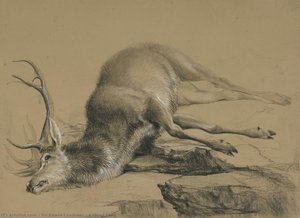
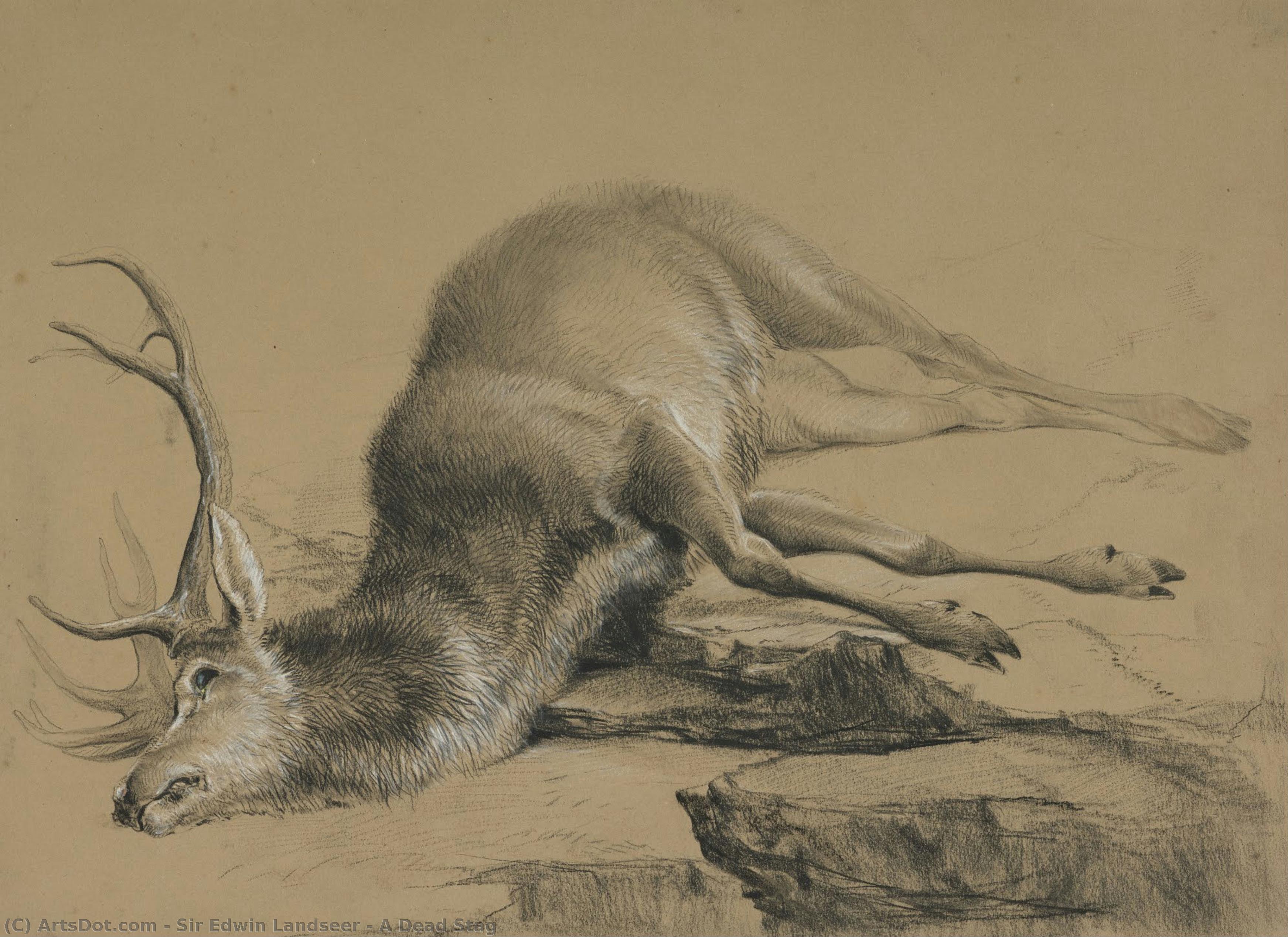
A Dead Stag


 Weiterlesen
Handgefertigte Ölreproduktion
Handgemaltes Ölgemälde auf Leinwand in Ihrer Wunschgröße und mit Rahmen, auf Bestellung von unseren Künstlern angefertigt. ( Druck bestellen Bild kaufen)




P118B $10

P118H $10

P118W $10

P438Z $10

P508JH $12

P508YH $12

P805H $10

P805Z $10

P919BZ $10

P919G $10

P919XJ $10

P959ZH $10

P968JZ $12

W106C $8

W218G $10

W218JH $8

W218Y $10

W307PJ $10

W316G $10

W316PJ $8

W316Y $10

W398PJ $8

W4111J $10

W500HY $15

W500JH $15

W692G $12

W849H $8

W940BG $15

W953PJ $8




Wählen Sie aus unseren vordefinierten Formaten, die den ursprünglichen Proportionen des Kunstwerks entsprechen.

Sie können Ihre eigenen Maße eingeben, um einen bestimmten Rahmen oder Platz auszufüllen. Wenn die gewählte Größe nicht den Proportionen des Originalbildes entspricht, werden wir das Kunstwerk entweder beschneiden oder das Gemälde durch zusätzliche, handgemalte Elemente erweitern. Ein digitales Mockup wird Ihnen zur Genehmigung zugesandt, bevor die Produktion beginnt.
Bitte beachten Sie, dass die Bildschirmvorschau nicht die tatsächliche Beschneidung oder Erweiterung widerspiegelt. Nur das Mockup zeigt die endgültige Komposition exakt an.
Obwohl Sondermaße verfügbar sind, empfehlen wir, eine Größe aus der vordefinierten Liste zu wählen, um die ursprünglichen Proportionen beizubehalten.
Nach der Bestellung wird das ArtsDot.com-Team dem Kunden Anweisungen per E-Mail zusenden und eine Mockup-Vorschau bereitstellen.
Weltweiter Versand () in nur 3 bis 4 Wochen statt der üblichen 5 Wochen. (19 August). Keine Kompromisse bei der Qualität.

Kostenloser weltweiter Expressversand

Hochwertige Leinenleinwand

Umfassender Versicherungsschutz beim Versand

Zollgebühren-Rückerstattungsgarantie

Garantie für exakte Farbtreue

60 Tage Rückgaberecht (nur bei Mängeln)

100% Geld-zurück-Garantie

Mengenrabatt verfügbar
 Die Glasoption ist nur für Größen unter 110 cm verfügbar.

A Dead Stag
Art der Reproduktion
Format der Reproduktion
-


Gesamtpreis
$ 263
Beschreibung des Kunstwerks
A Deep Dive Into “A Dead Stag” by Sir Edwin Henry Landseer
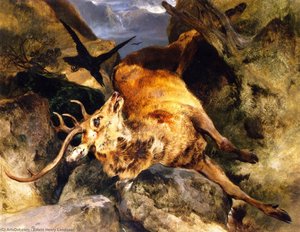
“A Dead Stag,” painted circa 1830 by Sir Edwin Henry Landseer, stands as an enduring emblem of Victorian artistic sensibility—a poignant meditation on mortality interwoven with reverence for the natural world. More than just a depiction of animal death, it’s a masterful exploration of form, texture, and emotional resonance achieved through meticulous observation and painstaking technique. This essay delves into the artwork's multifaceted layers, examining its stylistic influences, compositional considerations, and lasting legacy within British art history.The Artist’s Vision: Landseer and Victorian Animalier
Sir Edwin Henry Landseer (1802-1873) wasn’t merely a painter; he was arguably the foremost practitioner of animal subjects in nineteenth-century Britain—a movement known as “animalier.” Influenced profoundly by Romantic ideals and fueled by an unwavering fascination with anatomy, Landseer approached his craft with unparalleled dedication. His anatomical dissections weren't simply academic exercises but a visceral understanding of the musculature and physiology of animals – knowledge he seamlessly translated into breathtakingly realistic depictions. This commitment to scientific accuracy underpinned his artistic vision, ensuring that each animal portrait captured not just its appearance but also its essence. He sought to convey the dignity and majesty inherent in all creatures great and small, reflecting Victorian society’s burgeoning interest in natural history and conservation.Compositional Harmony: Diagonal Drama Amidst Stillness
The artwork's composition is deceptively simple yet remarkably effective. Landseer positions the stag diagonally across the canvas—a deliberate choice that introduces dynamism into what might otherwise appear as a static tableau of death. The rocky outcrop beneath the stag serves as an anchoring element, grounding the image while simultaneously suggesting a rugged landscape setting. Crucially, the antlers extend upwards, drawing the viewer’s gaze towards the apex of the composition and subtly emphasizing the stag's nobility even in its final moments. This careful arrangement contributes to a sense of visual balance—a harmonious interplay between movement and repose that elevates the artwork beyond mere representation.Technical Mastery: Graphite Pencil Rendering and Texture
Landseer’s technique exemplifies the precision demanded by Academic drawing. He employed graphite pencil rendering with extraordinary delicacy, utilizing hatching and cross-hatching techniques to build up tonal variations and create a palpable sense of volume. The artist painstakingly recreated the texture of fur through meticulous detailing—individual hairs rendered with astonishing accuracy—demonstrating an unwavering commitment to realism. Similarly, the rough surface of the rocks is convincingly portrayed, conveying tactile qualities that immerse the viewer in the scene. These techniques weren’t merely employed for stylistic effect; they were integral to Landseer's ability to capture the essence of his subject matter and communicate its emotional impact.Symbolism Beyond Mortality: Dignity and Remembrance
“A Dead Stag” transcends a literal depiction of death, embodying profound symbolic themes rooted in Victorian sensibilities. The stag’s posture—limp but dignified—suggests acceptance rather than despair, reflecting the Romantic preoccupation with mortality as an inevitable part of the natural cycle. Yet, amidst this solemn portrayal lies an undeniable assertion of nobility—the antlers representing strength and majesty even in decay. Landseer's work invites contemplation on themes of loss, remembrance, and the enduring beauty found within vulnerability. It serves as a poignant reminder that life’s grandeur can be appreciated even in its twilight hours.A Legacy Enduring Through Time
Landseer’s “A Dead Stag” remains an iconic exemplar of Victorian animal art—a testament to his artistic genius and unwavering dedication to scientific observation. Its influence extends beyond the realm of painting, shaping perceptions of wildlife and inspiring subsequent generations of artists. Reproductions of this masterpiece continue to captivate audiences today, offering a glimpse into a bygone era while simultaneously conveying timeless themes of beauty, sorrow, and reverence for the natural world—a legacy firmly etched in the annals of British art history.Ähnliche Kunstwerke
Über den Künstler
Frühes Leben und Ausbildung
Sir Edwin Henry Landseer, ein bedeutender englischer Maler und Bildhauer, wurde am 7. März 1802 in London, im Vereinigten Königreich, geboren. Als Sohn des Graveurs John Landseer A.R.A. war er schon in jungen Jahren der Welt der Kunst ausgesetzt. Landseers außergewöhnliches Talent wurde früh erkannt, was dazu führte, dass er unter mehreren Künstlern studierte, darunter sein Vater und der Historienmaler Benjamin Robert Haydon.Künstlerische Karriere
Landseers künstlerische Karriere zeichnete sich durch seine herausragende Fähigkeit aus, Tiere, insbesondere Pferde, Hunde und Hirsche, einzufangen. Seine berühmtesten Werke sind jedoch die Löwenskulpturen im Trafalgar Square in London. Sir Edwin Henry Landseer war Mitglied der Royal Academy, stellte bereits im Alter von 13 Jahren Arbeiten aus und wurde später mit 24 zum Associate und mit 31 zum Akademiker ernannt.Bemerkenswerte Werke und Kooperationen
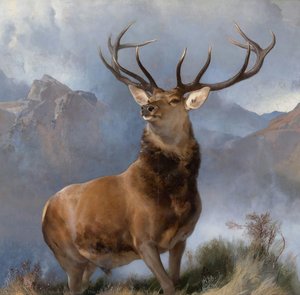
Zu Landseers bemerkenswertesten Werken gehören:- Monarch of the Glen (1851), eine majestätische Hirschstudie, die seine Fähigkeit zeigt, die Schönheit der Natur einzufangen.
- Off to the Rescue (1827), ein Gemälde mit einem Neufundländer, das Landseers Fähigkeit hervorhebt, edle Tiere darzustellen.
- Laying Down the Law (1840), ein satirisches Werk mit einer Gruppe von Hunden, das seinen Sinn für Humor und Kreativität demonstriert.
Museen mit Landseers Werken
Landseers Werke sind in verschiedenen Museen zu finden, darunter:- Tate Britain, London, Großbritannien
- Victoria and Albert Museum, London, Großbritannien
- Kenwood House, London, Großbritannien
- The Wallace Collection, London, Großbritannien
Vermächtnis
Landseers Vermächtnis geht über seine Kunst hinaus, wobei die "Landseer"-Rasse des Neufundländerhundes nach ihm benannt wurde. Seine Zusammenarbeit mit dem Maler Frederick Richard Lee und seine Porträts von Königin Victoria und ihrer Familie festigen seinen Einfluss auf die britische Kunst weiter.Online-Ressourcen
Für weitere Informationen über das Leben und Werk von Sir Edwin Henry Landseer besuchen Sie:- ArtsDot.com: Sir Edwin Henry Landseer
- Wikipedia: Sir Edwin Landseer
Schlussfolgerung
Sir Edwin Henry Landseers bemerkenswertes Talent und seine Beiträge zur britischen Kunst haben einen bleibenden Eindruck hinterlassen. Seine Werke, die Tiere und satirische Themen darstellen, inspirieren weiterhin Künstler und Kunstliebhaber gleichermaßen.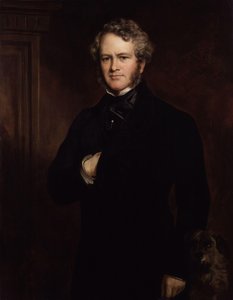
Sir Edwin Henry Landseer
1802 - 1873 , Vereinigtes Königreich
Kurzinfos
- Bemerkenswerte Werke:
- Monarch of the Glen
- Off to the Rescue
- Laying Down the Law
- Geburtsdatum: 7. März 1802
- Geburtsort (Stadt, Land): London, Vereinigtes Königreich
- Künstler, Die Diesen Künstler Beeinflussten:
- Benjamin Robert Haydon
- John Landseer
- Künstlerische Bewegung Oder Stil: Viktorianische Kunst
- Nationalität: Britisch
- Todatum: 1873
- Vollständiger Name: Sir Edwin Henry Landseer
Ähnliche Artikel
The Nuances of Graphite: Exploring Emotional Depth & Technical Mastery in Pencil Drawing
Explore the captivating world of graphite drawing! Discover its rich history, master essential techniques like chiaroscuro, and learn how artists evoke emotion through this timeless medium. Expert insights for art enthusiasts.
Animalia: Die bleibende Präsenz von Tieren in Kunst und Innenarchitektur
Entdecken Sie die faszinierende Welt der Animalia! Von historischen Tierdarstellungen bis zur modernen Innenarchitektur – wir bieten Expertise, hochwertige Reproduktionen & Kunstberatung.
Sir Edwin Landseer: Sentiment, Society & the Victorian Animalier Tradition
Explore the life & art of Sir Edwin Landseer, Victorian Britain's foremost animal painter. Discover his iconic works, societal impact, and collecting guide at ArtsDot.
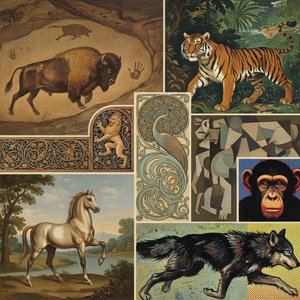
Beastly Brushstrokes: A Historical Journey Through Animal Painting & Aesthetic Movements
Explore the rich history of animal painting across cultures & movements. Discover iconic artists, symbolism, collecting trends & expert art consultation at ArtsDot.com.

Level Up Your Art: Transform Personal Photos into High-Octane Action Anime Masterpieces with AI-Driven Oil Painting
Transform your favorite photos into high-octane action anime masterpieces. Using proprietary AI and master artists, we turn digital memories into hand-painted oil on canvas legacies. Experience the perfect fusion of pop culture energy and timeless fine artistry at ArtsDot.com.