


 Vorschau anzeigen
 Versenden
 Teilen
 Details anzeigen

 Herunterladen
 Ähnliche Objekte
 Röntgenaufnahme
 Diashow
 Statistiken
Song Dynasty bowl


 Weiterlesen
Handgefertigte Ölreproduktion
Handgemaltes Ölgemälde auf Leinwand in Ihrer Wunschgröße und mit Rahmen, auf Bestellung von unseren Künstlern angefertigt. ( Zu Druck wechseln Zum digitalen Bild wechseln)




































Wählen Sie aus unseren vordefinierten Formaten, die den ursprünglichen Proportionen des Kunstwerks entsprechen.

Sie können Ihre eigenen Maße eingeben, um einen bestimmten Rahmen oder Platz auszufüllen. Wenn die gewählte Größe nicht den Proportionen des Originalbildes entspricht, werden wir das Kunstwerk entweder beschneiden oder das Gemälde durch zusätzliche, handgemalte Elemente erweitern. Ein digitales Mockup wird Ihnen zur Genehmigung zugesandt, bevor die Produktion beginnt.
Bitte beachten Sie, dass die Bildschirmvorschau nicht die tatsächliche Beschneidung oder Erweiterung widerspiegelt. Nur das Mockup zeigt die endgültige Komposition exakt an.
Obwohl Sondermaße verfügbar sind, empfehlen wir, eine Größe aus der vordefinierten Liste zu wählen, um die ursprünglichen Proportionen beizubehalten.
Nach der Bestellung wird das ArtsDot.com-Team dem Kunden Anweisungen per E-Mail zusenden und eine Mockup-Vorschau bereitstellen.
Weltweiter Versand () in nur 3 bis 4 Wochen statt der üblichen 5 Wochen. (8 September). Keine Kompromisse bei der Qualität.

Kostenloser weltweiter Expressversand

Hochwertige Leinenleinwand

Umfassender Versicherungsschutz beim Versand

Zollgebühren-Rückerstattungsgarantie

Garantie für exakte Farbtreue

100-Tage-Rückgaberecht (nur bei Mängeln)

100% Geld-zurück-Garantie

Mengenrabatt verfügbar
 Die Glasoption ist nur für Größen unter 110 cm verfügbar.

Song Dynasty bowl
Art der Reproduktion
Format der Reproduktion
-


Gesamtpreis
$ 263
Ähnliche Kunstwerke
Über den Künstler
A Legacy Forged in Fire: Jingdezhen Ceramic Kiln
Jingdezhen ceramic kiln, established around 1004 CE during the reign of Emperor Zhenzong, stands as a testament to China’s enduring artistic tradition and unparalleled mastery of porcelain production. Located in Jiangxi province, this kiln site has evolved from humble beginnings into the undisputed “Porcelain Capital” of China—a designation earned not merely for its sheer output but for the extraordinary quality of its creations that have captivated collectors and artists across centuries. The origins of Jingdezhen’s ceramic prowess are shrouded in legend, with tales recounting a divine mandate to cultivate jade-like clay and produce vessels worthy of imperial splendor. Archaeological evidence confirms that pottery production existed as early as the sixth century CE, though it was during the Yuan Dynasty (1271–1368) that Jingdezhen truly ascended to prominence, fueled by royal patronage and strategic location along trade routes connecting China with Central Asia and Persia. By the Ming Dynasty (1368–1644), Jingdezhen’s reputation had solidified—producing porcelain celebrated for its ethereal beauty and technical brilliance. The famed dictum “as white as jade, as thin as paper, as bright as a mirror, and as sweet-sounding as a chime stone” encapsulates the ideal aesthetic achieved by Jingdezhen artisans during this period, reflecting a profound understanding of material science and artistic expression. The kiln’s influence extended far beyond its borders. Throughout the Qing Dynasty (1644–1912), Jingdezhen continued to dominate porcelain production, supplying imperial commissions for ceremonial objects and adorning palaces with breathtaking artistry. The kiln's distinctive style—characterized by vibrant cobalt blue glazes meticulously applied onto translucent porcelain—became synonymous with Chinese artistic excellence and profoundly impacted European ceramics during the Enlightenment era. Artists like Josiah Wedgwood traveled extensively to Jingdezhen, studying techniques and incorporating influences into their own designs, sparking a global fascination with Chinese craftsmanship. This meticulous observation of Jingdezhen’s methods resulted in groundbreaking innovations that reshaped ceramic art in Europe. The kiln's enduring legacy is not simply a collection of beautiful objects but a symbol of China’s artistic heritage and its ability to inspire creativity across cultures. Its contribution to art history continues to resonate globally, ensuring that Jingdezhen ceramic kiln will forever be remembered as one of the most influential forces in shaping the visual arts. ### Early Origins & Mythological Roots Legend speaks of Emperor Zhenzong's fascination with jade-like clay—a material deemed worthy of adorning imperial palaces and symbolizing purity and harmony. This belief permeated Jingdezhen’s artistic ethos, influencing ceramic designs and techniques for centuries. Archaeological discoveries confirm that pottery production existed as early as the sixth century CE, albeit in a nascent form. However, it was during the Yuan Dynasty (1271–1368) that Jingdezhen experienced its first major surge of prosperity—thanks to royal patronage and its advantageous position along trade routes connecting China with Central Asia and Persia. These connections facilitated the exchange of ideas and materials, propelling Jingdezhen’s ceramic innovation forward. ### The Yuan Dynasty: Patronage & Trade Routes The Mongol Yuan dynasty recognized Jingdezhen's potential and established a “Fuliang Porcelain Bureau” to regulate production—a pivotal step in elevating Jingdezhen’s status as China’s premier kiln site. Simultaneously, the flourishing Silk Road brought Arab merchants into contact with Jingdezhen artisans, introducing cobalt pigment—the key ingredient for blue porcelain—and fostering an unprecedented exchange of artistic influences. This period witnessed a dramatic increase in Jingdezhen’s output and established its reputation as a center for international trade. The resulting blue and white porcelain became immensely popular among Muslim elites across Persia and Central Asia, marking the beginning of Jingdezhen's global influence. ### Ming Dynasty Brilliance: Aesthetic Ideals & Imperial Commissions The Ming Dynasty (1368–1644) solidified Jingdezhen’s position as China’s artistic powerhouse—producing porcelain celebrated for its unparalleled beauty and technical brilliance. The famed dictum “as white as jade, as thin as paper, as bright as a mirror, and as sweet-sounding as a chime stone” encapsulates the ideal aesthetic achieved by Jingdezhen artisans during this era, reflecting a profound understanding of material science and artistic expression. Imperial commissions fueled production levels, resulting in monumental porcelain pieces—such as vases and sculptures—that adorned palaces and served as symbols of imperial grandeur. The Ming Dynasty’s commitment to preserving traditional craftsmanship ensured that Jingdezhen's techniques remained unsurpassed for generations. ### Qing Dynasty Dominance & European Influence Throughout the Qing Dynasty (1644–1912), Jingdezhen continued to dominate porcelain production, supplying imperial commissions for ceremonial objects and adorning palaces with breathtaking artistry. The kiln’s distinctive style—characterized by vibrant cobalt blue glazes meticulously applied onto translucent porcelain—became synonymous with Chinese artistic excellence and profoundly impacted European ceramics during the Enlightenment era. Artists like Josiah Wedgwood traveled extensively to Jingdezhen, studying techniques and incorporating influences into their own designs, sparking a global fascination with Chinese craftsmanship. This meticulous observation of Jingdezhen’s methods resulted in groundbreaking innovations that reshaped ceramic art in Europe—a testament to Jingdezhen's enduring legacy as a beacon of artistic achievement. ### Modern Jingdezhen: Tradition & Innovation Despite facing challenges during the 20th century, Jingdezhen persevered, adapting its production methods while maintaining its commitment to tradition. Today, Jingdezhen remains one of China’s largest ceramic centers, employing thousands of artisans who uphold centuries-old techniques—a remarkable feat considering the advancements in modern manufacturing. The kiln's enduring legacy is not simply a collection of beautiful objects but a symbol of China’s artistic heritage and its ability to inspire creativity across cultures. Its contribution to art history continues to resonate globally, ensuring that Jingdezhen ceramic kiln will forever be remembered as one of the most influential forces in shaping the visual arts.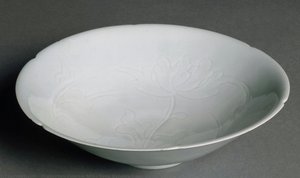
景德鎮陶瓷窯
1004 - , 中国
Kurzinfos
- Artistic Movement Or Style: Imperial Porzellan
- Artists Or Movements Influenced By This Artist: ['Josiah Wedgwood']
- Date Of Birth: 1004
- Full Name: Jingdezhen ceramic kiln
- Nationality: Chinesisch
- Notable Artworks: ['Porcelain Vase']
- Place Of Birth: Jingdezhen, China
Ähnliche Artikel
The Alchemy of Clay: A Collector's Guide to the Mastery, Texture, and Timeless Form of Ceramic Art
Discover the profound beauty of ceramic art. Our expert guide explores the alchemy of clay, texture, and glaze, offering collectors deep insights into mastering earth and fire to create timeless, sculptural masterpieces for any curated collection.
Ephemeral Expressions: Exploring the Nuances of Ink on Paper Through History & Contemporary Art
Explore the captivating world of ink wash painting – from its ancient origins to contemporary masters. Discover techniques, symbolism & conservation insights with ArtsDot.com.
Pu Xinyu's 'Puru': A Legacy of Literati Painting & Emotional Resonance
Explore the captivating world of Pu Xinyu (Puru), the last great literati painter. Discover his imperial heritage, masterful ink wash techniques & enduring legacy – a valuable addition to any discerning art collection.
Timeless Elegance: Discovering the Soulful Beauty of Chinese Calligraphy for Sophisticated Home Interiors
Elevate your home with the serene beauty of Chinese calligraphy art. Explore our collection of hand-painted ink wash reproductions and bespoke commissions at ArtsDot.com. Discover museum-quality pieces designed to bring cultural elegance and tranquility to your modern interior.
Xie Zhiliu: A Legacy of Ink Wash Painting & Modern Chinese Literati Tradition
Explore the legacy of Xie Zhiliu, a master of Chinese ink wash painting & prominent figure in modern art. Discover his techniques, influences, and contributions to literati tradition. A guide for discerning collectors.