

 Vorschau anzeigen
 Versenden
 Teilen
 Details anzeigen

 Herunterladen
 Ähnliche Objekte
 Röntgenaufnahme
 Diashow
 Statistiken
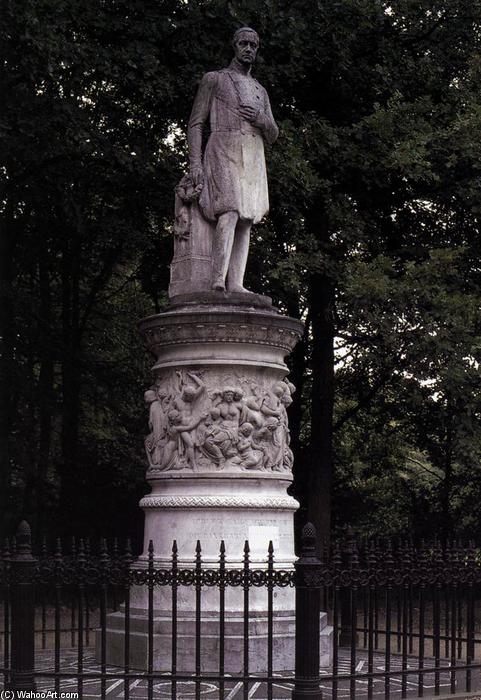
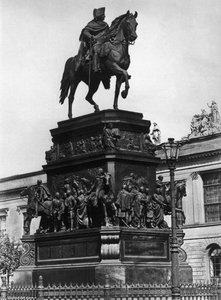
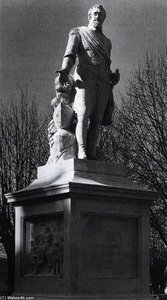
Monument to King Frederick William III of Prussia


 Weiterlesen
Handgefertigte Ölreproduktion
Handgemaltes Ölgemälde auf Leinwand in Ihrer Wunschgröße und mit Rahmen, auf Bestellung von unseren Künstlern angefertigt. ( Zu Druck wechseln Zum digitalen Bild wechseln)




































Wählen Sie aus unseren vordefinierten Formaten, die den ursprünglichen Proportionen des Kunstwerks entsprechen.

Sie können Ihre eigenen Maße eingeben, um einen bestimmten Rahmen oder Platz auszufüllen. Wenn die gewählte Größe nicht den Proportionen des Originalbildes entspricht, werden wir das Kunstwerk entweder beschneiden oder das Gemälde durch zusätzliche, handgemalte Elemente erweitern. Ein digitales Mockup wird Ihnen zur Genehmigung zugesandt, bevor die Produktion beginnt.
Bitte beachten Sie, dass die Bildschirmvorschau nicht die tatsächliche Beschneidung oder Erweiterung widerspiegelt. Nur das Mockup zeigt die endgültige Komposition exakt an.
Obwohl Sondermaße verfügbar sind, empfehlen wir, eine Größe aus der vordefinierten Liste zu wählen, um die ursprünglichen Proportionen beizubehalten.
Nach der Bestellung wird das ArtsDot.com-Team dem Kunden Anweisungen per E-Mail zusenden und eine Mockup-Vorschau bereitstellen.
Weltweiter Versand () in nur 3 bis 4 Wochen statt der üblichen 5 Wochen. (9 September). Keine Kompromisse bei der Qualität.

Kostenloser weltweiter Expressversand

Hochwertige Leinenleinwand

Umfassender Versicherungsschutz beim Versand

Zollgebühren-Rückerstattungsgarantie

Garantie für exakte Farbtreue

100-Tage-Rückgaberecht (nur bei Mängeln)

100% Geld-zurück-Garantie

Mengenrabatt verfügbar
 Die Glasoption ist nur für Größen unter 110 cm verfügbar.

Monument to King Frederick William III of Prussia
Art der Reproduktion
Format der Reproduktion
-


Gesamtpreis
$ 263
Ähnliche Kunstwerke

Über den Künstler
Johann Friedrich Drake: Sculptor of Prussian Grandeur
Friedrich Drake (23 June 1805 – 6 April 1882) stands as a towering figure in German sculpture, primarily recognized for his monumental memorials and portraits that powerfully embody the spirit of Prussia during the Romantic era. Born in Hamburg, he emerged from humble beginnings—the son of a mechanic—to become one of the most celebrated sculptors of his time, leaving an indelible mark on both artistic history and national identity.Early Life and Artistic Training
Drake’s formative years were marked by practical skills honed through an apprenticeship as a turner in Minden. However, it was his innate creativity that truly ignited his passion for art. Observing the sculptures of Christian Daniel Rauch captivated him, securing him a position within Rauch's Berlin studio where he absorbed invaluable artistic knowledge and technique. Crucially, Rauch’s encouragement fostered Drake’s talent—evident in his early clay models—leading to a pivotal study trip to Italy in 1836, financed by the generous patronage of Rauch himself. This journey profoundly influenced his aesthetic sensibilities, exposing him to the ideals of Classical sculpture and shaping his artistic vision. He meticulously studied the works of Michelangelo and Bernini, absorbing their mastery of form and composition.The Influence of Bertel Thorvaldsen and Weimar Classicism
Drake’s encounter with Bertel Thorvaldsen proved transformative. Recognizing Drake's potential, Thorvaldsen championed his work before the Prussian Academy of Arts, securing him a prestigious commission and propelling him towards artistic prominence. Embracing Weimar Classicism—a movement characterized by idealized forms and restrained emotion—Drake skillfully blended classical principles with Romantic fervor, producing works that resonated deeply with the cultural sensibilities of his time. His meticulous attention to detail and masterful manipulation of stone and metal reflected a dedication to achieving unparalleled realism while upholding aesthetic ideals. Thorvaldsen instilled in Drake a belief in the importance of moral virtue alongside artistic excellence—a conviction that would permeate Drake’s oeuvre throughout his career.Major Commissions and Artistic Achievements
Drake’s prolific output spanned decades, culminating in numerous commissions honoring prominent figures—including Justus Möser, Alexander von Humboldt, Philipp Melanchthon, Otto von Bismarck, Helmuth von Moltke the Elder—and commemorating significant historical events. His colossal statue of Möser in Osnabrück remains a testament to his ambition and technical prowess, embodying the grandeur of Prussian civic pride. Furthermore, Drake’s contribution to the Philadelphia Centennial Exposition showcased his artistic versatility and cemented his reputation as one of Prussia's foremost sculptors. Notable achievements include the monumental Victory Column sculpture in Berlin—a symbol of Prussian triumph—and the equestrian statue of King William I at Cologne, demonstrating Drake’s ability to capture movement and emotion with remarkable precision. He developed innovative sculpting techniques, notably the “model frame,” which allowed nude sculptures to maintain poses with unprecedented accuracy.Legacy and Artistic Significance
Drake's enduring legacy resides not only in his impressive oeuvre but also in his role as a mentor and educator, shaping the artistic landscape of Prussia during the Victorian era. His sculptures continue to inspire admiration for their beauty, craftsmanship, and profound reflection of the values and aspirations of his time—a testament to his enduring contribution to German art history. Drake’s work exemplifies the Romantic ideal of sublime grandeur – conveying both emotional intensity and intellectual contemplation through monumental forms imbued with symbolic meaning. He remains a pivotal figure in shaping Prussian artistic identity and securing its place within European cultural heritage.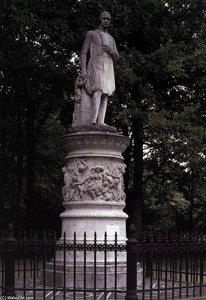
Johann Friedrich Drake
1805 - 1882 , Deutschland
Kurzinfos
- Artistic Movement Or Style: Neoklassikismus
- Artists Who Influenced This Artist:
- Christian Daniel Rauch
- Bertel Thorvaldsen
- Date Of Birth: Hamburg, Deutschland (1805)
- Date Of Death: Berlin, Deutschland (1882)
- Full Name: Johann Friedrich Drake
- Nationality: Deutsch
- Notable Artworks:
- Monument zum König Friedrich Wilhelm III.
- Siegesdenkmal Berlin
- Die acht Provinzen Preußens
- Place Of Birth: Hamburg
Ähnliche Artikel

The Enduring Form: Exploring Themes & Techniques in Sculpture Across Historical Periods
Explore the rich history of sculpture from ancient masterpieces to contemporary innovations. Discover key techniques, influential artists & investment potential for discerning art collectors.

Bronze-Meisterwerke: Die 10 Skulpturen, die Kunstgeschichte schrieben | ArtsDot
Entdecken Sie die 10 legendärsten Bronze Skulpturen der Kunstgeschichte! Von Michelangelo bis Rodin – erfahren Sie die Geschichten hinter den Meisterwerken und lassen Sie sich von Wanddeko-Ideen inspirieren. Hochwertige Kunstdrucke auf ArtsDot.com.
Das bleibende Erbe der Bronzeskulptur: Geschichte, Techniken und zeitgenössische Interpretationen
Entdecken Sie die faszinierende Geschichte der Bronzeskulptur – von den Anfängen bis zur modernen Kunst. Expertenwissen, Techniken & Tipps für Sammler.

Die 10 legendärsten Bronzestatuen: Meisterwerke, die Kunstgeschichte schrieben | ArtsDot
Entdecken Sie die 10 legendärsten Bronzestatuen der Kunstgeschichte! Von Rodin bis Michelangelo – erfahren Sie die Geschichten hinter ikonischen Skulpturen und finden Sie hochwertige Reproduktionen für Ihr Zuhause. Jetzt bei ArtsDot entdecken!

The Enduring Form: Sculpture Across History, Technique & Emotional Resonance
Explore the rich history of sculpture with ArtsDot. Discover key techniques, influential artists & investment potential for discerning collectors. Expert insights into valuing and collecting timeless masterpieces.