 Vorschau anzeigen
 Versenden
 Teilen
 Details anzeigen

 Herunterladen
 Ähnliche Objekte
 Röntgenaufnahme
 Diashow
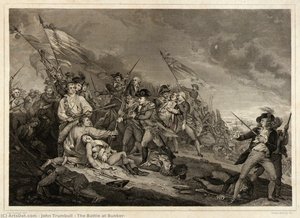
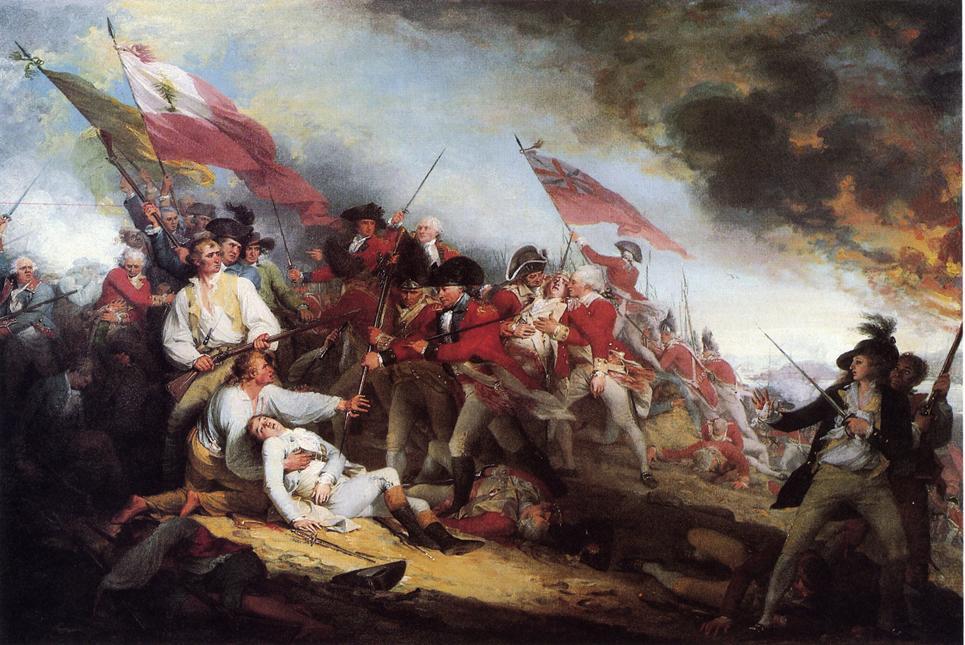
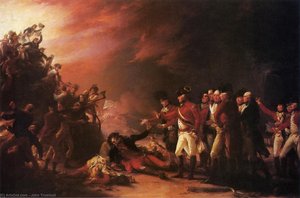
The Death of General Warren at the Battle of Bunker's Hill


 Weiterlesen
Giclée / Kunstdruck
Giclée- oder Leinwanddruck in Museumsqualität mit schneller Produktion und flexiblen Veredelungsoptionen. ( Handgemalte Reproduktion bestellen Bild kaufen)




P118B $10

P118H $10

P118W $10

P438Z $10

P508JH $12

P508YH $12

P805H $10

P805Z $10

P919BZ $10

P919G $10

P919XJ $10

P959ZH $10

P968JZ $12

W106C $8

W218G $10

W218JH $8

W218Y $10

W307PJ $10

W316G $10

W316PJ $8

W316Y $10

W398PJ $8

W4111J $10

W500HY $15

W500JH $15

W692G $12

W849H $8

W940BG $15

W953PJ $8




Wählen Sie aus unseren vordefinierten Formaten, die den ursprünglichen Proportionen des Kunstwerks entsprechen.

Sie können Ihre eigenen Maße eingeben, um ein bestimmtes Format oder einen speziellen Platz einzupassen. Wenn das von Ihnen gewählte Format nicht den Proportionen des Originalbildes entspricht, werden wir das Kunstwerk entweder beschneiden oder das Bild mit einem gespiegelten oder einfarbigen Rand erweitern. Ein digitaler Entwurf wird Ihnen zur Genehmigung zugesandt, bevor die Produktion beginnt.
Bitte beachten Sie, dass die Vorschau auf dem Bildschirm nicht den tatsächlichen Zuschnitt oder die Erweiterung widerspiegelt. Nur der Entwurf zeigt die endgültige Komposition präzise an.
Obwohl Sondermaße verfügbar sind, empfehlen wir die Auswahl eines Maßes aus der vordefinierten Liste, um die ursprünglichen Proportionen zu bewahren.
Weltweiter Versand () innerhalb von 2 Wochen statt der üblichen 4/5 Wochen. (4 September)

Kostenloser weltweiter Expressversand

Hochwertige Leinenleinwand

Umfassender Versicherungsschutz beim Versand

Zollgebühren-Rückerstattungsgarantie

Garantie für exakte Farbtreue

60 Tage Rückgaberecht (nur bei Mängeln)

100% Geld-zurück-Garantie

Mengenrabatt verfügbar
 Die Glasoption ist nur für Größen unter 110 cm verfügbar.

The Death of General Warren at the Battle of Bunker's Hill
Giclée / Kunstdruck
Format der Reproduktion
-


Gesamtpreis
$ 62
The Death of General Warren at the Battle of Bunker’s Hill: A Romantic Echo of Sacrifice
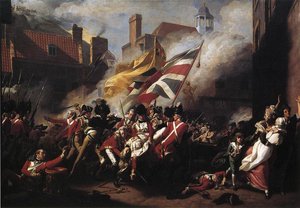
John Trumbull's "Death of General Warren" stands as an enduring emblem of the American Revolution, capturing not merely a battlefield skirmish but the profound moral drama unfolding within it. Completed in 1834 and housed prominently in the Wadsworth Atheneum in Hartford, Connecticut, this monumental oil painting transcends mere historical record; it embodies the Romantic spirit’s fervent embrace of emotion and dramatic narrative—a testament to Trumbull's artistic vision and a cornerstone of American art history. The scene depicts the pivotal moment following the Battle of Bunker Hill on June 17th, 1775 – Warren’s fatal collapse in the arms of Lieutenant Thomas Grosvenor amidst the chaos of combat. Trumbull meticulously rendered the battlefield terrain, emphasizing the uneven ground and highlighting the dense concentration of soldiers engaged in fierce fighting. The artist skillfully employed chiaroscuro—the dramatic interplay of light and shadow—to heighten the sense of urgency and convey the palpable tension of the moment. Notice how the strong directional lines guide the viewer’s eye across the canvas, mirroring the movement of weapons and figures alike. Beyond its visual splendor, “Death of General Warren” resonates deeply with symbolic significance. Trumbull deliberately positioned Warren's body at the center of the composition, emphasizing his vulnerability amidst the brutality of war. The inclusion of British Major John Small, bravely preventing a grenadier from attacking Warren—a gesture of chivalry and honor—underscores Trumbull’s belief in moral fortitude as paramount to victory. This depiction wasn’t simply about military prowess; it was about demonstrating noble behavior that transcended national boundaries. The painting's color palette—dominated by reds, browns, and grays—reflects the grim realities of battle while simultaneously conveying a sense of solemn grandeur. Thick impasto—the application of paint in textured layers—adds tactile richness to the canvas, immersing the viewer in the physicality of the scene. Trumbull’s masterful technique captures not only the visual details but also the emotional weight of the event, prompting contemplation on themes of sacrifice and patriotism.- Artist: John Trumbull (1756–1843)
- Medium: Oil on Canvas
- Dimensions: 25 5/8 × 37 5/8 in. (65.1 × 95.6 cm)
- Location: Wadsworth Atheneum, Hartford, Connecticut
Historical Context and Significance
“Death of General Warren” emerged from the crucible of the American Revolution—a period defined by fervent idealism and unwavering determination to forge a new nation. Trumbull’s decision to portray this specific event stemmed from his profound admiration for Joseph Warren, a Massachusetts physician and politician who served as a general during the siege of Boston. The painting commemorates not only Warren's heroic sacrifice but also the broader moral struggle between honor and duty—values that resonated powerfully with the sensibilities of the Romantic era.Technique: Romantic Impressionism
Trumbull’s artistic approach exemplifies Romantic Impressionism, characterized by its expressive brushstrokes and emphasis on capturing fleeting moments of emotion. He skillfully utilized chiaroscuro to create dramatic contrasts between light and shadow, enhancing the visual impact of the scene and conveying a sense of urgency. The artist's meticulous attention to detail—evident in the rendering of clothing textures and weaponry—demonstrates his commitment to portraying reality with uncompromising accuracy while simultaneously imbuing it with emotional resonance.Symbolism: Honor Amidst Chaos
The painting’s symbolism speaks volumes about Trumbull's worldview. Warren’s vulnerability juxtaposed against Small’s courageous intervention underscores the importance of moral fortitude in achieving victory—a theme that aligns perfectly with Romantic ideals. The depiction of the battlefield terrain reinforces the notion that heroism is born from confronting adversity head-on, and the use of color contributes to the overall mood of solemn grandeur.Emotional Impact
“Death of General Warren” continues to captivate audiences today with its visceral portrayal of human suffering and unwavering moral conviction. The painting’s dramatic composition and masterful technique evoke a profound sense of empathy for those involved—soldiers battling for liberty, and leaders striving to uphold honor amidst the horrors of war. It serves as a timeless reminder that true greatness lies not merely in military prowess but in courageously embracing one's responsibilities and upholding moral values.Ähnliche Kunstwerke
Über den Künstler
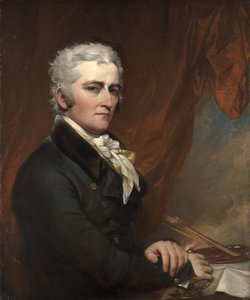
John Trumbull: Der Maler der Revolution
- Geboren: 23. Juni 1756, Lebanon, Connecticut
- Gestorben: 1843
John Trumbull war ein gefeierter amerikanischer Künstler, der vor allem für seine historischen Gemälde bekannt ist, die Szenen aus dem Amerikanischen Unabhängigkeitskrieg darstellen. Oft als "der Maler der Revolution" bezeichnet, bieten Trumbulls Werke eine unschätzbare visuelle Dokumentation dieser entscheidenden Periode der amerikanischen Geschichte und fangen wichtige Ereignisse und Figuren mit akribischer Detailgenauigkeit ein.
Frühes Leben und Ausbildung
- Trumbull besuchte 1771 das Harvard College und schloss sein Studium 1773 ab.
- Ein Unfall in der Kindheit führte zum Verlust der Nutzung eines seiner Augen, was einige glauben, seinen detaillierten Malstil beeinflusst zu haben.
- Während des Amerikanischen Unabhängigkeitskrieges diente er als Soldat und fertigte Skizzen von britischen Befestigungen in Boston an – ein frühes Zeugnis für sein Talent zur Beobachtung und Dokumentation.
Künstlerische Karriere und Einflüsse
- Im Jahr 1780 wandte sich Trumbull angesichts finanzieller Schwierigkeiten beruflich der Kunst zu.
- Er reiste nach London, wo er unter Benjamin West studierte, einem prominenten amerikanischen Künstler, der in England lebte.
- West ermutigte Trumbull, sich auf kleine Gemälde zum Thema Krieg von Unabhängigkeit und Miniaturporträts zu konzentrieren und produzierte im Laufe seiner Karriere etwa 250 Miniaturen.
- Trumbulls Stil wurde von der klassischen Geschichtsmalerei beeinflusst, was in Werken wie "Der Tod des Paulus Aemilius in der Schlacht von Cannae" deutlich wird. Er versuchte, historische Genauigkeit mit dramatischer Komposition zu verbinden.
Hauptwerke und historische Bedeutung
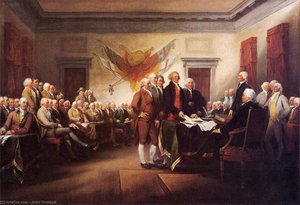
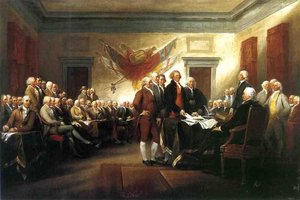
- Unabhängigkeitserklärung: Wahrscheinlich sein berühmtestes Werk, das die Unterzeichnung der Unabhängigkeitserklärung darstellt und berühmt auf der Rückseite des zweidolligen Scheins zum Zweihundertjährigen Jubiläum abgebildet wurde.
- Studie zur Kapitulation von Cornwallis bei Yorktown: Eine vorbereitende Skizze für ein größeres Werk, die Trumbulls akribischen Planungsprozess zeigt.
- George Washington vor der Schlacht von Trenton: Fängt einen Moment der Führung und Entschlossenheit unmittelbar vor einem entscheidenden Sieg der Kontinentalarmee ein.
- Kapitulation des Generals Burgoyne & Kapitulation des Lord Cornwallis: Diese monumentalen Gemälde, die im Kapitol der Vereinigten Staaten ausgestellt sind, zeigen bedeutende britische Kapitulationen während des Krieges.
Trumbulls Gemälde sind historisch bedeutsam, weil sie eine visuelle Aufzeichnung der Amerikanischen Revolution zu einer Zeit liefern, als fotografische Dokumentation nicht existierte. Seine Werke halfen, das öffentliche Verständnis und die Erinnerung an die Ereignisse und beteiligten sich festzulegen.
Vermächtnis und Sammlungen
- Trumbulls Werk befindet sich in zahlreichen renommierten Institutionen, darunter:
- Yale University Art Gallery
- Smithsonian American Art Museum
- Virginia Museum of Fine Arts
- Seine Gemälde sind prominent im Kapitol der Vereinigten Staaten ausgestellt und dienen als bleibende Hommage an seine Beiträge zur amerikanischen Kunst und Geschichte.
- Trumbulls Vermächtnis inspiriert und bildet weiterhin das Publikum und festigt seinen Platz als eine wichtige Figur in der amerikanischen Geschichtsmalerei.
John Trumbull
1756 - 1843 , Vereinigtes Königreich
Kurzinfos
- Artistic Movement Or Style: Historische Malerei
- Artists Who Influenced This Artist: ['Benjamin West']
- Date Of Birth: 23. Juni 1756
- Date Of Death: 1843
- Full Name: John Trumbull
- Nationality: Amerikanisch
- Notable Artworks:
- Unabhängigkeitserklärung
- Yorktown-Studie
- Washington bei Trenton
- Place Of Birth (City And Country): Lebanon, Vereinigtes Königreich
Ähnliche Artikel

John Singer Sargent: Die 25 Meisterwerke des Porträts – Kunst für Ihr Zuhause | ArtsDot
Entdecken Sie die 25 Meisterwerke von John Singer Sargent! Tauchen Sie ein in die Welt der Porträtmalerei, des Impressionismus & der Belle Époque. Hochwertige Kunstdrucke & Reproduktionen für Ihr Zuhause – jetzt auf ArtsDot.com!

John Constable: Die 25 Meisterwerke des englischen Landschaftsgenies – ArtsDot
Entdecken Sie die 25 Meisterwerke von John Constable! Erleben Sie englische Landschaftsmalerei vom Hay Wain bis zur Stour Valley. Hochwertige Reproduktionen & Kunst für Ihr Zuhause auf ArtsDot.com.

Grant Wood und der amerikanische Regionalismus: Identität, Mythos und die ländliche Landschaft
Entdecken Sie Grant Wood und den amerikanischen Regionalismus! Erfahren Sie mehr über 'American Gothic', Woods Leben, Einflüsse und sein Vermächtnis in der Kunstgeschichte. Expertenwissen & hochwertige Reproduktionen.

Amerikanischer Realismus: Die 10 Meisterwerke, die eine Ära prägten | ArtsDot
Entdecken Sie die 10 Meisterwerke des Amerikanischen Realismus! Von Edward Hopper bis Winslow Homer – erleben Sie die Geschichten, Techniken & zeitlose Schönheit. Hochwertige Kunstdrucke auf ArtsDot.com.

John George Brown: Die einfühlsame Darstellung amerikanischer Lebenswelt und Sentiment in der Genremalerei des 19. Jahrhunderts
Entdecken Sie die einfühlsame Genremalerei von John George Brown! Erfahren Sie mehr über seine Darstellung des amerikanischen Lebens im 19. Jahrhundert, seinen Stil und sein Vermächtnis. Hochwertige Kunstdrucke bei ArtsDot.