 Vorschau anzeigen
 Versenden
 Teilen
 Details anzeigen

 Herunterladen
 Ähnliche Objekte
 Röntgenaufnahme
 Diashow
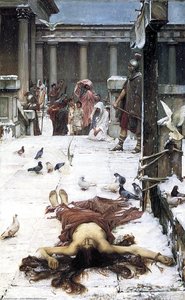
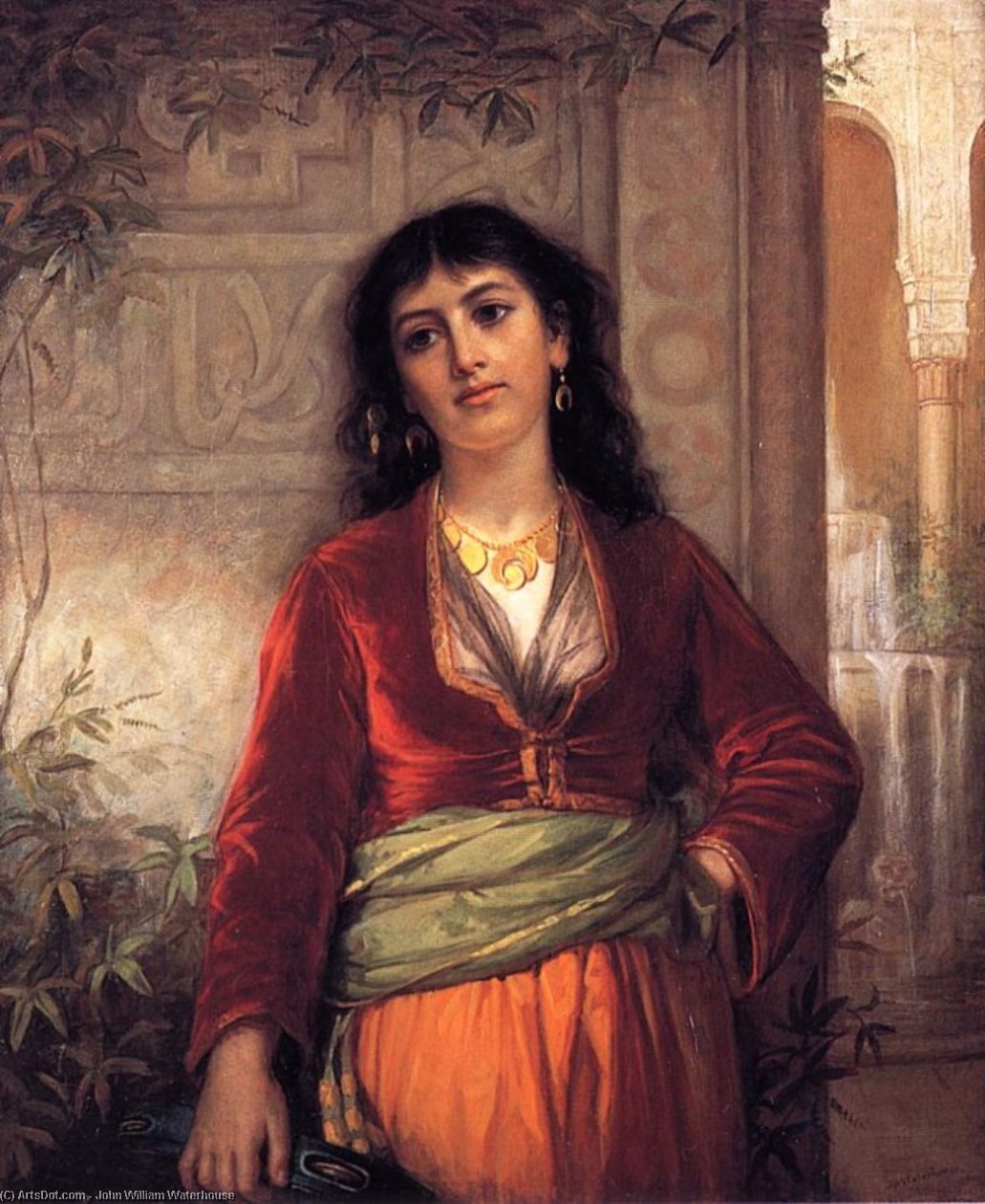
The Unwelcome Companion (A Street Scene in Cairo)
 Oil On Canvas
- WallArt
- Pre-Raphaelite
 49.0 x 59.0 cm
 Weiterlesen
Giclée / Kunstdruck
Giclée- oder Leinwanddruck in Museumsqualität mit schneller Produktion und flexiblen Veredelungsoptionen. ( Handgemalte Reproduktion bestellen Bild kaufen)




P118B $10

P118H $10

P118W $10

P438Z $10

P508JH $12

P508YH $12

P805H $10

P805Z $10

P919BZ $10

P919G $10

P919XJ $10

P959ZH $10

P968JZ $12

W106C $8

W218G $10

W218JH $8

W218Y $10

W307PJ $10

W316G $10

W316PJ $8

W316Y $10

W398PJ $8

W4111J $10

W500HY $15

W500JH $15

W692G $12

W849H $8

W940BG $15

W953PJ $8




Wählen Sie aus unseren vordefinierten Formaten, die den ursprünglichen Proportionen des Kunstwerks entsprechen.

Sie können Ihre eigenen Maße eingeben, um ein bestimmtes Format oder einen speziellen Platz einzupassen. Wenn das von Ihnen gewählte Format nicht den Proportionen des Originalbildes entspricht, werden wir das Kunstwerk entweder beschneiden oder das Bild mit einem gespiegelten oder einfarbigen Rand erweitern. Ein digitaler Entwurf wird Ihnen zur Genehmigung zugesandt, bevor die Produktion beginnt.
Bitte beachten Sie, dass die Vorschau auf dem Bildschirm nicht den tatsächlichen Zuschnitt oder die Erweiterung widerspiegelt. Nur der Entwurf zeigt die endgültige Komposition präzise an.
Obwohl Sondermaße verfügbar sind, empfehlen wir die Auswahl eines Maßes aus der vordefinierten Liste, um die ursprünglichen Proportionen zu bewahren.
Weltweiter Versand () innerhalb von 2 Wochen statt der üblichen 4/5 Wochen. (31 August)

Kostenloser weltweiter Expressversand

Hochwertige Leinenleinwand

Umfassender Versicherungsschutz beim Versand

Zollgebühren-Rückerstattungsgarantie

Garantie für exakte Farbtreue

60 Tage Rückgaberecht (nur bei Mängeln)

100% Geld-zurück-Garantie

Mengenrabatt verfügbar
 Die Glasoption ist nur für Größen unter 110 cm verfügbar.

The Unwelcome Companion (A Street Scene in Cairo)
Giclée / Kunstdruck
Format der Reproduktion
-


Gesamtpreis
$ 62
A Portrait Steeped in Mystery: Exploring John William Waterhouse’s “The Unwelcome Companion”
“The Unwelcome Companion: A Street Scene in Cairo,” painted by John William Waterhouse in 1873, transcends mere visual representation; it embodies the spirit of Pre-Raphaelite Romanticism and invites contemplation on themes of beauty, desire, and unspoken emotion. Measuring 49 x 59 cm and currently residing at the Townley Hall Art Museum in England, this oil painting offers a glimpse into Waterhouse’s masterful command of artistic technique and his ability to capture the psychological nuances of his subjects.Composition and Technique: Echoes of Moorish Splendor
Waterhouse meticulously crafted this scene using oil paints on canvas—a medium favored for its luminosity and capacity to convey texture—demonstrating a dedication to realism that distinguishes him from many contemporaries. The composition centers around a young woman positioned slightly off-center within the shadowed embrace of an ornate archway, reminiscent of Moorish architecture. This architectural backdrop isn’t merely decorative; it serves as a conduit for conveying exoticism and hinting at distant lands—a characteristic element prevalent in Pre-Raphaelite art. Delicate lines delineate the intricate stonework and columns of the archway, guiding the viewer's gaze and establishing depth within the canvas. Furthermore, subtle shading creates an atmosphere of intimacy and mystery, highlighting her face and clothing while concealing much of the surrounding environment. The artist’s brushstrokes are visible, layering textures that suggest fabric folds and stone surfaces—a testament to Waterhouse’s painstaking attention to detail.Symbolism and Narrative Depth: Femme Fatale Revisited
The painting's subject matter aligns with Waterhouse’s recurring fascination with the “femme fatale”—a figure embodying allure and danger—a motif explored extensively throughout his oeuvre. The woman’s gaze directs itself towards the viewer, conveying a palpable sense of vulnerability mingled with defiance. Her crimson gown symbolizes passion and perhaps impending peril, while the gold necklace around her neck represents wealth and status – elements that contribute to her captivating presence. Beyond its visual splendor, “The Unwelcome Companion” speaks volumes about Victorian anxieties surrounding female sexuality and the complexities of romantic relationships. The archway itself can be interpreted as a symbol of transition—a gateway between innocence and experience—underscoring the painting’s profound psychological resonance.Historical Context: Romantic Realism at Its Finest
Waterhouse's work emerged during the height of the Pre-Raphaelite movement, which reacted against the perceived artificiality of academic art and championed a return to idealized beauty inspired by medieval art and literature. Influenced by Dante Gabriel Rossetti and William Holman Hunt, Waterhouse sought to evoke emotion through meticulous observation and artistic skill—a philosophy that permeated his entire artistic practice. This painting exemplifies Romantic Realism, blending emotional expression with accurate representation—a hallmark of the era’s artistic sensibilities.Availability & Inspiration: Bringing Waterhouse's Vision Home
A stunning oil painting reproduction of “The Unwelcome Companion” is available at ArtsDot, allowing art enthusiasts and collectors alike to experience the enduring beauty and craftsmanship of John William Waterhouse’s masterpiece in their own residences. Consider how this evocative artwork might inspire interior design schemes—pairing its rich hues with complementary textures and patterns to create a space imbued with sophistication and contemplation.Ähnliche Kunstwerke
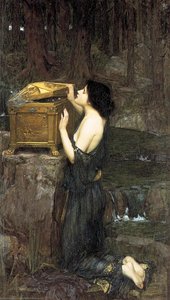
Über den Künstler
Frühes Leben und Einflüsse
John William Waterhouse, ein bedeutender englischer Maler, wurde 1849 in Rom zu englischen Eltern geboren. Sein frühes Leben in Italien beeinflusste sein späteres Werk maßgeblich, das oft Szenen aus dem antiken Rom oder der römischen Mythologie darstellte. Im Jahr 1854 kehrten die Waterhouses nach England zurück und ließen sich in South Kensington, London, in der Nähe des neu gegründeten Victoria and Albert Museums nieder.Aufstieg zur Prominenz
Waterhouses künstlerische Reise begann mit klassischen Themen, die an Alma-Tadema und Frederick Leighton erinnerten. Seine frühen Werke wurden in der Dudley Gallery und der Society of British Artists ausgestellt, wobei seine 1874 entstandene Darstellung von Schlaf und seinem Halbbruder Tod auf der Sommerausstellung der Royal Academy gezeigt wurde. Dies markierte den Beginn seiner erfolgreichen Karriere, wobei seine Gemälde bis 1916 häufig in den jährlichen Ausstellungen vertreten waren.Präraffaelitische Wiederbelebung und bemerkenswerte Werke
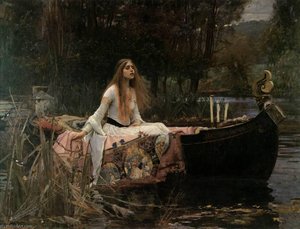
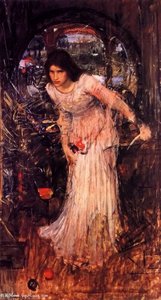
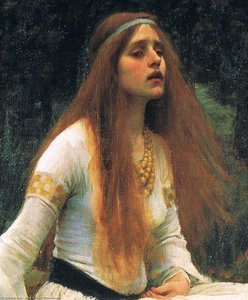
Waterhouses spätere Arbeit war durch die Annahme des präraffaelitischen Stils gekennzeichnet, wie man in seinen Darstellungen von Frauen aus der griechischen Mythologie und der Artus-Sage erkennen kann. Zu seinen bemerkenswertesten Werken gehören:- The Lady of Shalott, eine Studie von Elaine von Astolat, die er in drei verschiedenen Versionen (1888, 1894 und 1916) malte.
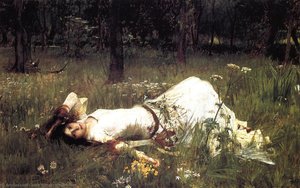
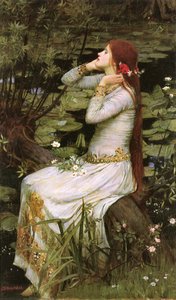
- Ophelia, wobei die bekannteste Version sie kurz vor ihrem Tod zeigt, wie sie Blumen in ihr Haar flechtet, während sie auf einem Baumstamm über einem See sitzt.
- After the Dance (1876), das in der Sommerausstellung dieses Jahres eine herausragende Position einnahm.
Leben und Vermächtnis
Waterhouse heiratete 1883 Esther Kenworthy, die Tochter eines Kunstlehrers. Er wurde 1895 zum ordentlichen Akademiker gewählt und unterrichtete an der St. John's Wood Art School. Waterhouse verstarb am 10. Februar 1917. Sehen Sie mehr von John William Waterhouses Werken auf ArtsDot: [https://ArtsDot.com/@/john william waterhouse](https://ArtsDot.com/@/john-william-waterhouse) | /de/art/show/art-d3c5zp-de/ (Top 5 berühmter Pop Art Gemälde aller Zeiten) [https://ArtsDot.com/@@/9geqys-john-william-waterhouse-thisbe](https://ArtsDot.com/@@/9geqys-john-william-waterhouse-thisbe) (Gemälde von John William Waterhouse: Thisbe) Erkunden Sie mehr auf Wikipedia: [https://en.wikipedia.org/wiki/john_william_waterhouse](https://en.wikipedia.org/wiki/john_william_waterhouse) [https://en.wikipedia.org/wiki/art_of_the_united_kingdom](https://en.wikipedia.org/wiki/art_of_the_united_kingdom) [https://en.wikipedia.org/wiki/victorian_painting](https://en.wikipedia.org/wiki/victorian_painting)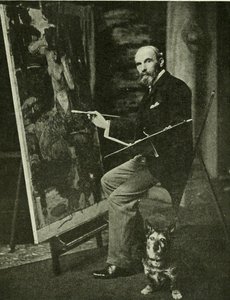
John William Waterhouse
1849 - 1917 , Italien
Kurzinfos
- Beeinflusste Künstler:
- Alma-Tadema
- Frederic Leighton
- Bemerkenswerte Werke:
- The Lady of Shalott
- Ophelia
- After the Dance
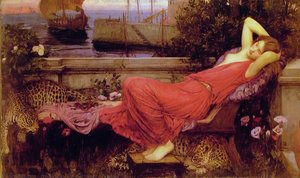
- Ariadne
- Thisbe
- Geburtsdatum: 1849
- Geburtsort: Rom, Italien
- Künstlerische Bewegung: Präraffaeliten
- Nationalität: Englisch
- Sterbedatum: 1917
- Vollständiger Name: John William Waterhouse
Ähnliche Artikel
Dante Gabriel Rossetti: Die 25 Meisterwerke des Präraffelitismus | ArtsDot
Entdecken Sie die 25 schönsten Gemälde von Dante Gabriel Rossetti! Tauchen Sie ein in die Welt der Präraffeliten, symbolistischer Kunst & viktorianischer Romantik. Hochwertige Reproduktionen für Ihr Zuhause – jetzt bei ArtsDot.com!

John William Waterhouse: Präraphäelitischer Mythos und poetische Darstellungen weiblicher Identität
Entdecken Sie die faszinierende Welt von John William Waterhouse und den Präraphäeliten! Analysen ikonischer Werke, historische Hintergründe & die poetische Darstellung weiblicher Identität. Jetzt lesen!
Sir John Everett Millais: Präraffaelitische Revolution und viktorianische Erzählkunst
Entdecken Sie das Leben und Werk von Sir John Everett Millais, einem Pionier der Präraffaeliten! Detaillierte Analysen seiner Gemälde, Einblicke in die viktorianische Kunstszene und seine bleibende Bedeutung. Jetzt lesen!

The Pre-Raphaelite Brotherhood: Rebellion, Romance & Medieval Revival
Explore the captivating world of the Pre-Raphaelite Brotherhood! Discover their rebellious spirit, iconic masterpieces & lasting influence on art history. Learn about Rossetti, Millais & more.
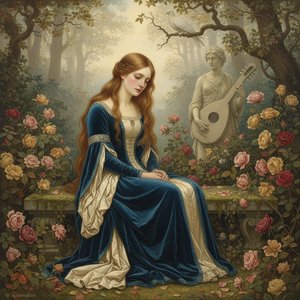
Arthur Hughes: Pre-Raphaelite Visions of Beauty & Melancholy
Explore the captivating world of Arthur Hughes (1832-1915), a leading Pre-Raphaelite painter. Discover his dreamy landscapes, poetic narratives & iconic Victorian artworks. Learn about his life, style & collecting today.