 Vorschau anzeigen
 Versenden
 Teilen
 Details anzeigen

 Herunterladen
 Ähnliche Objekte
 Röntgenaufnahme
 Diashow
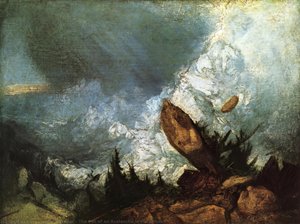
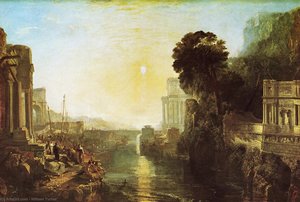
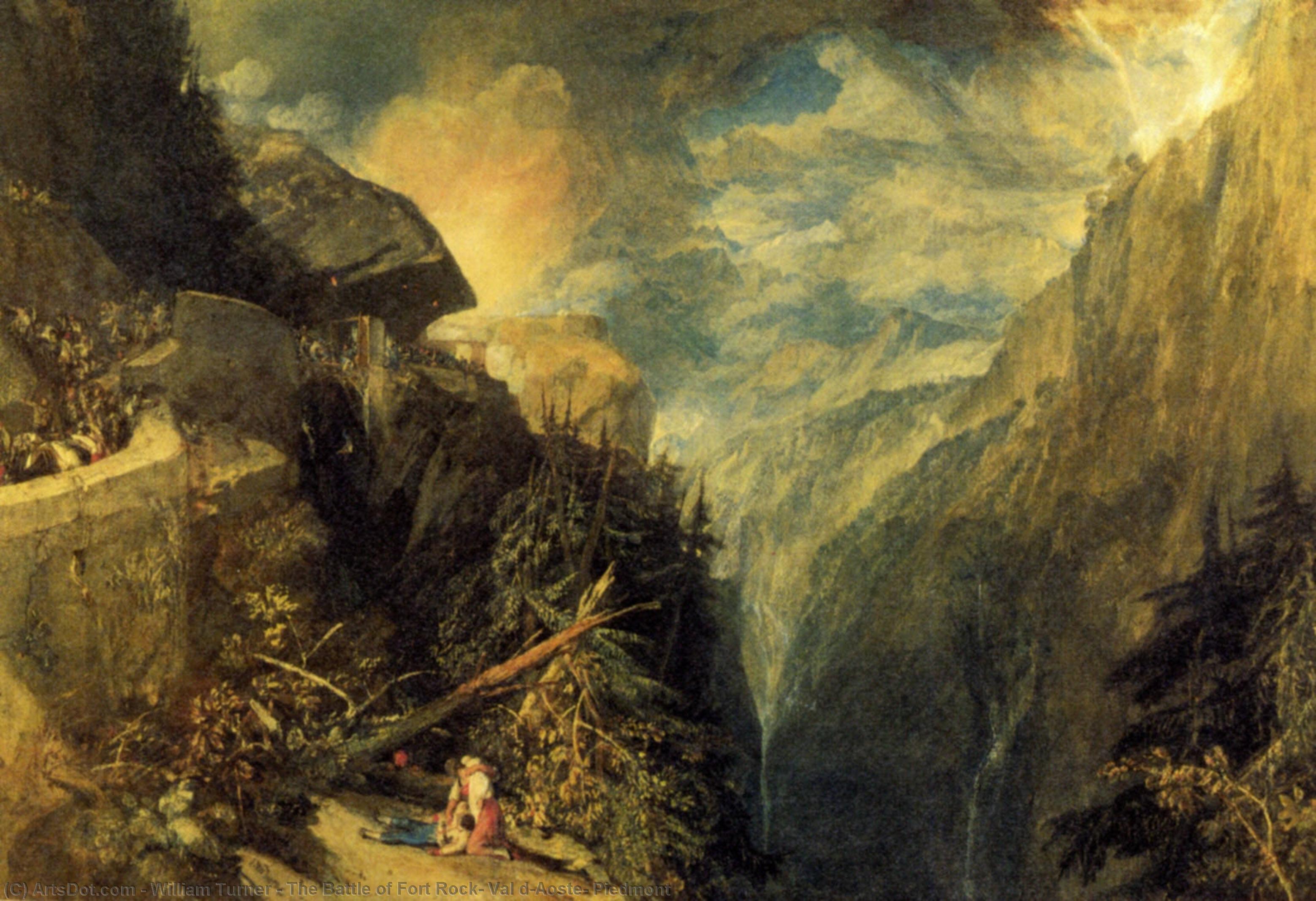
The Battle of Fort Rock, Val d'Aoste, Piedmont
 Acrylic
- WallArt
- Romantic Landscape Painting
 1815
1815 69.0 x 101.0 cm
 Weiterlesen
Handgefertigte Ölreproduktion
Handgemaltes Ölgemälde auf Leinwand in Ihrer Wunschgröße und mit Rahmen, auf Bestellung von unseren Künstlern angefertigt. ( Druck bestellen Bild kaufen)




P118B $10

P118H $10

P118W $10

P438Z $10

P508JH $12

P508YH $12

P805H $10

P805Z $10

P919BZ $10

P919G $10

P919XJ $10

P959ZH $10

P968JZ $12

W106C $8

W218G $10

W218JH $8

W218Y $10

W307PJ $10

W316G $10

W316PJ $8

W316Y $10

W398PJ $8

W4111J $10

W500HY $15

W500JH $15

W692G $12

W849H $8

W940BG $15

W953PJ $8




Wählen Sie aus unseren vordefinierten Formaten, die den ursprünglichen Proportionen des Kunstwerks entsprechen.

Sie können Ihre eigenen Maße eingeben, um einen bestimmten Rahmen oder Platz auszufüllen. Wenn die gewählte Größe nicht den Proportionen des Originalbildes entspricht, werden wir das Kunstwerk entweder beschneiden oder das Gemälde durch zusätzliche, handgemalte Elemente erweitern. Ein digitales Mockup wird Ihnen zur Genehmigung zugesandt, bevor die Produktion beginnt.
Bitte beachten Sie, dass die Bildschirmvorschau nicht die tatsächliche Beschneidung oder Erweiterung widerspiegelt. Nur das Mockup zeigt die endgültige Komposition exakt an.
Obwohl Sondermaße verfügbar sind, empfehlen wir, eine Größe aus der vordefinierten Liste zu wählen, um die ursprünglichen Proportionen beizubehalten.
Nach der Bestellung wird das ArtsDot.com-Team dem Kunden Anweisungen per E-Mail zusenden und eine Mockup-Vorschau bereitstellen.
Weltweiter Versand () in nur 3 bis 4 Wochen statt der üblichen 5 Wochen. (1 September). Keine Kompromisse bei der Qualität.

Kostenloser weltweiter Expressversand

Hochwertige Leinenleinwand

Umfassender Versicherungsschutz beim Versand

Zollgebühren-Rückerstattungsgarantie

Garantie für exakte Farbtreue

60 Tage Rückgaberecht (nur bei Mängeln)

100% Geld-zurück-Garantie

Mengenrabatt verfügbar
 Die Glasoption ist nur für Größen unter 110 cm verfügbar.

The Battle of Fort Rock, Val d'Aoste, Piedmont
Art der Reproduktion
Format der Reproduktion
-


Gesamtpreis
$ 263
A Symphony in Watercolor: Exploring Turner’s “The Battle of Fort Rock”
William Turner's "The Battle of Fort Rock," Val d'Aoste, Piedmont is more than just a landscape painting; it’s a visceral embodiment of Romantic idealism. Completed in 1815 amidst the fervor of artistic innovation, this watercolor masterpiece transports viewers to the rugged peaks of the Italian Alps, capturing not merely what they see but how they *feel*. Measuring 69 x 101 cm, the canvas pulsates with an energy born from Turner’s masterful manipulation of color and brushstroke—a testament to his unwavering belief in nature's ability to inspire awe and contemplation.The Romantic Spirit Embodied
Turner’s artistic vision firmly rooted itself within the tenets of Romanticism, a movement that rejected Neoclassical restraint for passionate emotion and imaginative exploration. Unlike its predecessors, Romantic art prioritized subjective experience over objective representation, striving to convey the sublime—that feeling of overwhelming grandeur combined with terror—rather than simply documenting reality. “The Battle of Fort Rock” exemplifies this ethos perfectly; it’s not a literal depiction of a military skirmish but rather an impressionistic rendering of the dramatic interplay between light and shadow on the mountain landscape. This deliberate blurring of lines reflects Turner's fascination with capturing fleeting moments of beauty and conveying the emotional resonance of natural phenomena.Watercolor Technique: Capturing Atmosphere
Turner’s signature watercolor technique—a process he honed throughout his prolific career—was crucial to achieving the painting’s ethereal quality. Watercolor pigments are translucent, allowing light to penetrate through multiple layers of paint, creating luminous washes that mimic the atmospheric haze characteristic of mountainous regions. Turner employed loose, expressive brushstrokes, layering colors with remarkable subtlety and blending them seamlessly to build up tonal gradations that convey depth and movement. The resulting surface is textured yet remarkably delicate, capturing not just the visual appearance but also the intangible mood of the scene—a palpable sense of solitude and majesty.Symbolism Within Landscape
Beyond its technical brilliance, “The Battle of Fort Rock” resonates with symbolic significance. The towering mountains represent permanence and resilience against the forces of time, mirroring Turner’s broader preoccupation with confronting mortality and embracing the sublime. The turbulent sky symbolizes instability and change, reflecting the anxieties of the era—the Napoleonic Wars had just concluded, leaving Britain grappling with questions of identity and purpose. Yet, amidst this turbulence, there is also a glimmer of hope – represented by the diffused sunlight piercing through the clouds, suggesting that beauty and inspiration can endure even in times of upheaval.A Legacy of Impressionism
“The Battle of Fort Rock” stands as an undeniable precursor to Impressionist painting, foreshadowing many stylistic innovations that would define the art world of the late 19th century. Turner’s pioneering use of color and brushstroke paved the way for artists like Monet and Renoir, who sought to capture fleeting impressions of light and atmosphere with unprecedented accuracy. Its enduring appeal lies in its ability to evoke a profound emotional response—a feeling of wonder at the grandeur of nature and an appreciation for the transformative power of art. A reproduction on ArtsDot.com allows collectors and interior designers alike to experience this timeless masterpiece firsthand, bringing Turner’s vision of the sublime into modern homes.Ähnliche Kunstwerke
Über den Künstler
Frühe Jahre und Ausbildung
Joseph Mallord William Turner, eine bedeutende Figur der britischen Kunst, wurde am 23. April 1775 in Maiden Lane, Covent Garden, London geboren. Sein Vater, William Turner, war Barbier und Perückenmacher, während seine Mutter, Mary Marshall, aus einer Familie von Metzgern stammte. Im Alter von 14 Jahren trat Turner 1789 in die Royal Academy of Art ein, was den Beginn seiner illustren Karriere markierte.Künstlerischer Stil und Einflüsse
Turners Werk zeichnet sich durch seine expressive Farbgebung, fantasievolle Landschaftsbilder und turbulente Meeresansichten aus. Er war ein zutiefst experimenteller und progressiver Künstler, der Maler wie Claude Monet und Mark Rothko beeinflusste. Sein Einfluss ist in den Werken vieler nachfolgender Künstler sichtbar.Bedeutende Werke und Sammlungen
- Das Morgenrot nach der Sintflut (1843): Ein bemerkenswertes Öl auf Leinwand Gemälde, das sich in der Tate Collection, London befindet und Turners stilistische Form zur Darstellung der Naturgewalten zeigt.
- Chichester Kanal (1828): In Auftrag gegeben von George Wyndham, 3rd Earl of Egremont, stellt dieses Gemälde den Chichester Kanal dar und befindet sich derzeit in der Tate Collection.
- Ruinen von Tintern Abbey: Ein Aquarellstück, das sich nun im Calouste Gulbenkian Museum (Lissabon, Portugal) befindet und Turners Meisterschaft bei der Erfassung von Licht und Atmosphäre demonstriert.
Lebenslauf und Entwicklung
Turner entwickelte seinen Stil im Laufe seines Lebens weiter. Seine frühen Werke waren eher realistisch, doch er begann zunehmend mit dem Experimentieren mit Farbe und Licht. Er wurde stark von der Natur beeinflusst und versuchte, die Emotionen und das Drama, die er in ihr sah, auf Leinwand festzuhalten. Er war ein Pionier bei der Darstellung atmosphärischer Effekte wie Nebel, Rauch und Sturm, was seine Werke einzigartig machte.Vermächtnis und Bedeutung
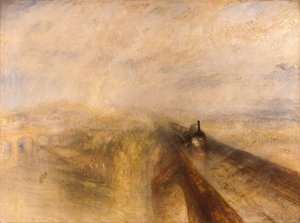
Turner hinterließ über 2.000 Gemälde und 19.000 Zeichnungen und Skizzen. Er gilt weithin als einer der größten Meister der britischen Aquarelllandschafts- und Meeresmalerei, oft als „der Maler des Lichts“ bezeichnet. Sein Einfluss auf nachfolgende Künstler ist unbestreitbar, was ihn zu einer entscheidenden Figur in der Kunstgeschichte macht.- Erleben Sie Turners 'Zeige Sturm'! Ein dramatisches romantisches Seelandschaftsgemälde, das die Wut der Natur einfängt. Entdecken Sie dieses Meisterwerks aus Impasto und Licht – ein fesselnder Blickfang.
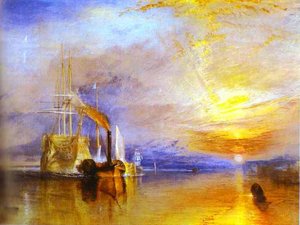
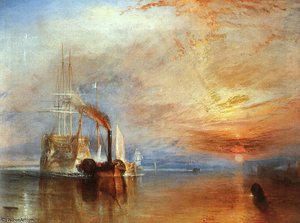
- Entdecken Sie Turners 'Fighting Téméraire'! Ein romantisches Meisterwerk, das den Untergang eines historischen Kriegsschiffs darstellt und Verwandlung & zeitlose Schönheit symbolisiert. Perfekt für Kunstliebhaber und Sammler.
- Erleben Sie Turners 'Fighting Temeraire'! Ein romantisches Meisterwerk, das ein herzzerreißendes maritimes Abschiedsgeschenk darstellt. Erkunden Sie sein dramatisches Licht, seine Symbolik und seine historische Bedeutung.
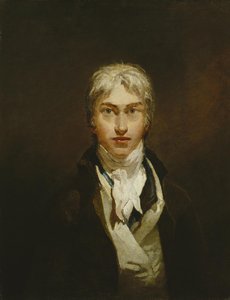
Joseph Mallord William Turner
1775 - 1851 , Vereinigtes Königreich
Kurzinfos
- Beeinflusste Künstler:
- Claude Monet
- Mark Rothko
- Bemerkenswerte Werke:
- The Morning After the Deluge
- Chichester Canal
- Ruins of Tintern Abbey
- Geburtsdatum: 23. April 1775
- Geburtsort: Covent Garden, Vereinigtes Königreich
- Künstlerische Richtung: Romantik, Landschaftsmalerei
- Nationalität: Britisch
- Sterbedatum: 19. Dezember 1851
- Vollständiger Name: Joseph Mallord William Turner
Ähnliche Artikel

Die 10 legendärsten Aquarellwerke der Kunstgeschichte – Meisterwerke für Ihr Zuhause
Entdecken Sie die 10 legendärsten Aquarellwerke der Kunstgeschichte! Von Turner bis Monet – erleben Sie die Geschichten, Techniken & Farben dieser Meisterwerke. Finden Sie hochwertige Kunstdrucke auf ArtsDot.com und gestalten Sie Ihr Zuhause mit zeitloser Eleganz.

Ephemeral Visions: Exploring the Artistic Legacy & Contemporary Practice of Watercolor Painting
Explore the captivating world of watercolor painting! Discover its rich history, essential techniques, influential artists & collecting tips. A comprehensive guide for art enthusiasts from ArtsDot.

Flüchtige Visionen: Die Geschichte und emotionale Resonanz der Aquarellmalerei
Entdecken Sie die faszinierende Welt der Aquarellmalerei! Von historischen Ursprüngen bis zu modernen Techniken – wir bieten Expertenwissen, Inspiration und Tipps für Anfänger & Fortgeschrittene.

Ephemeral Visions: Exploring the Artistic Legacy & Nuances of Watercolor Painting
Explore the captivating world of watercolor painting! Discover its rich history, essential techniques, influential artists & collecting tips from art experts. A comprehensive guide for enthusiasts.

Romantische Landschaften: Die 10 Meisterwerke, die eine Epoche prägten | ArtsDot
Entdecken Sie die 10 Meisterwerke der Romantischen Landschaftsmalerei! Von Caspar David Friedrich bis Turner – erleben Sie die Kunst, Emotion & Natur. Hochwertige Reproduktionen auf ArtsDot.com