

 Vorschau anzeigen
 Versenden
 Teilen
 Details anzeigen

 Herunterladen
 Ähnliche Objekte
 Röntgenaufnahme
 Diashow
 Statistiken
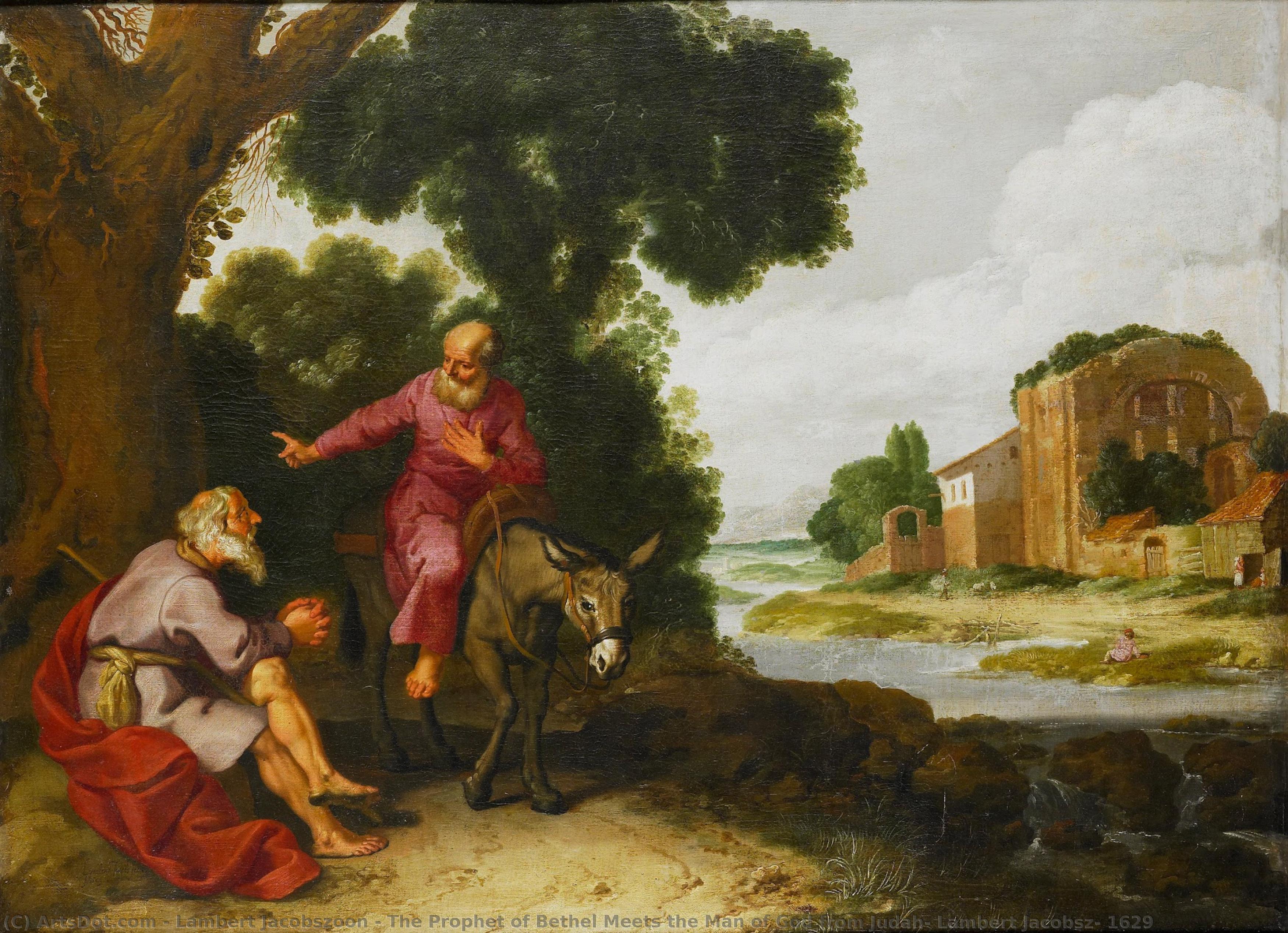
The Prophet of Bethel Meets the Man of God from Judah, Lambert Jacobsz, 1629
 1629
1629 83.0 x 111.0 cm
 Weiterlesen
Handgefertigte Ölreproduktion
Handgemaltes Ölgemälde auf Leinwand in Ihrer Wunschgröße und mit Rahmen, auf Bestellung von unseren Künstlern angefertigt. ( Zu Druck wechseln Zum digitalen Bild wechseln)




































Wählen Sie aus unseren vordefinierten Formaten, die den ursprünglichen Proportionen des Kunstwerks entsprechen.

Sie können Ihre eigenen Maße eingeben, um einen bestimmten Rahmen oder Platz auszufüllen. Wenn die gewählte Größe nicht den Proportionen des Originalbildes entspricht, werden wir das Kunstwerk entweder beschneiden oder das Gemälde durch zusätzliche, handgemalte Elemente erweitern. Ein digitales Mockup wird Ihnen zur Genehmigung zugesandt, bevor die Produktion beginnt.
Bitte beachten Sie, dass die Bildschirmvorschau nicht die tatsächliche Beschneidung oder Erweiterung widerspiegelt. Nur das Mockup zeigt die endgültige Komposition exakt an.
Obwohl Sondermaße verfügbar sind, empfehlen wir, eine Größe aus der vordefinierten Liste zu wählen, um die ursprünglichen Proportionen beizubehalten.
Nach der Bestellung wird das ArtsDot.com-Team dem Kunden Anweisungen per E-Mail zusenden und eine Mockup-Vorschau bereitstellen.
Weltweiter Versand () in nur 3 bis 4 Wochen statt der üblichen 5 Wochen. (10 September). Keine Kompromisse bei der Qualität.

Kostenloser weltweiter Expressversand

Hochwertige Leinenleinwand

Umfassender Versicherungsschutz beim Versand

Zollgebühren-Rückerstattungsgarantie

Garantie für exakte Farbtreue

100-Tage-Rückgaberecht (nur bei Mängeln)

100% Geld-zurück-Garantie

Mengenrabatt verfügbar
 Die Glasoption ist nur für Größen unter 110 cm verfügbar.

The Prophet of Bethel Meets the Man of God from Judah, Lambert Jacobsz, 1629
Art der Reproduktion
Format der Reproduktion
-


Gesamtpreis
$ 263
Ähnliche Kunstwerke








Über den Künstler
A Life Defined by Faith and the Golden Age
Born around 1598 in the bustling, maritime atmosphere of Amsterdam, Lambert Jacobszon lived a life that was as much defined by spiritual devotion as it was by artistic pursuit. Growing up within the vibrant tapestry of the Dutch Mennonite community, his early years were shaped by the profound religious shifts of the Protestant Reformation. This dual identity—as both a painter and a preacher—infused his work with a unique gravity, where every brushstroke served to illuminate the sacred narratives of the Old Testament. His existence was a delicate balance between the earthly pursuit of aesthetic mastery and an unwavering commitment to the tenets of his faith, a tension that would eventually manifest in the dramatic emotional depth of his canvases.
The trajectory of Jacobszon’s career was marked by significant connections to some of the most influential figures of the Dutch Golden Age. His formative training under Jan Pynas provided him with a foundation in the humanist ideals and Renaissance spirit that were sweeping through the Netherlands. However, it was his role as a mentor and contemporary to rising stars like Govaert Flinck and Jacob Adriaensz Backer that cemented his place within the artistic lineage of his era. These relationships were not merely professional; they represented a shared movement toward a more expressive, character-driven style of painting that would come to define the century.
The Shadow of Rembrandt and the Mastery of Light
To understand the soul of Jacobszon’s technique, one must look toward the towering presence of Rembrandt Harmenszoon van Rijn. While their relationship was complex—alternating between that of mentor and rival—the influence of Rembrandt is unmistakable within Jacobszon’s oeuvre. The master’s use of chiaroscuro, that breathtaking interplay of profound shadow and piercing light, became a cornerstone of Jacobszon’s visual language. He adopted this method not merely as a technical trick, but as an emotional tool to heighten the drama of his biblical subjects, allowing light to act as a divine messenger within the darkness of his compositions.
His ability to manipulate texture and atmosphere allowed him to breathe life into historical figures, transforming static religious icons into palpable, breathing entities. In works such as “The Prophet of Bethel Meets the Man of God from Judah,” Jacobszon demonstrates a remarkable command over narrative tension. He captures the precise moment of deception and vulnerability, using the landscape and the positioning of his protagonists to guide the viewer’s eye through a story of disobedience and consequence. His style was characterized by this very dynamism—a refusal to let the sacred remain distant, choosing instead to bring the weight of scripture into the immediate, visceral reality of the viewer.
Legacy and the End of an Era
The later years of Jacobszon’s life took him to Leeuwarden, a city that would become both a sanctuary for his remaining works and the site of his untimely passing. In 1636, during a devastating outbreak of the plague, the artist’s life was cut short, leaving behind a legacy that was deeply intertwined with the local community he served as a preacher. Though his life ended abruptly, his influence rippled through the next generation of Dutch masters, most notably through his son, Abraham Lambertsz van den Tempel, who would carry forward the traditions of the Golden Age.
Today, the historical significance of Lambert Jacobszon lies in his ability to bridge the gap between the spiritual and the theatrical. His paintings remain vital testaments to a period when art was used to explore the deepest recesses of human morality and divine intervention. Through his meticulous attention to detail and his mastery of light, he ensured that the stories of the past would continue to resonate with a haunting, eternal beauty, preserving the flickering candlelight of the Dutch Golden Age for all time.
lambert jacobszoon
1598 - 1636
Kurzinfos
- Artistic Movement Or Style: Dutch Golden Age
- Artists Or Movements Influenced By This Artist: ['Rembrandt']
- Artists Who Influenced This Artist: ['Jan Pynas']
- Date Of Birth: ca. 1598
- Full Name: Lambert Jacobsz.
- Nationality: Dutch
- Notable Artworks:
- The Prophet of Bethel Meets the Man of God from Judah
- Joseph's Brothers On The Road From Egypt
- Place Of Birth: Amsterdam, Netherlands