 Vorschau anzeigen
 Versenden
 Teilen
 Details anzeigen

 Herunterladen
 Ähnliche Objekte
 Röntgenaufnahme
 Diashow
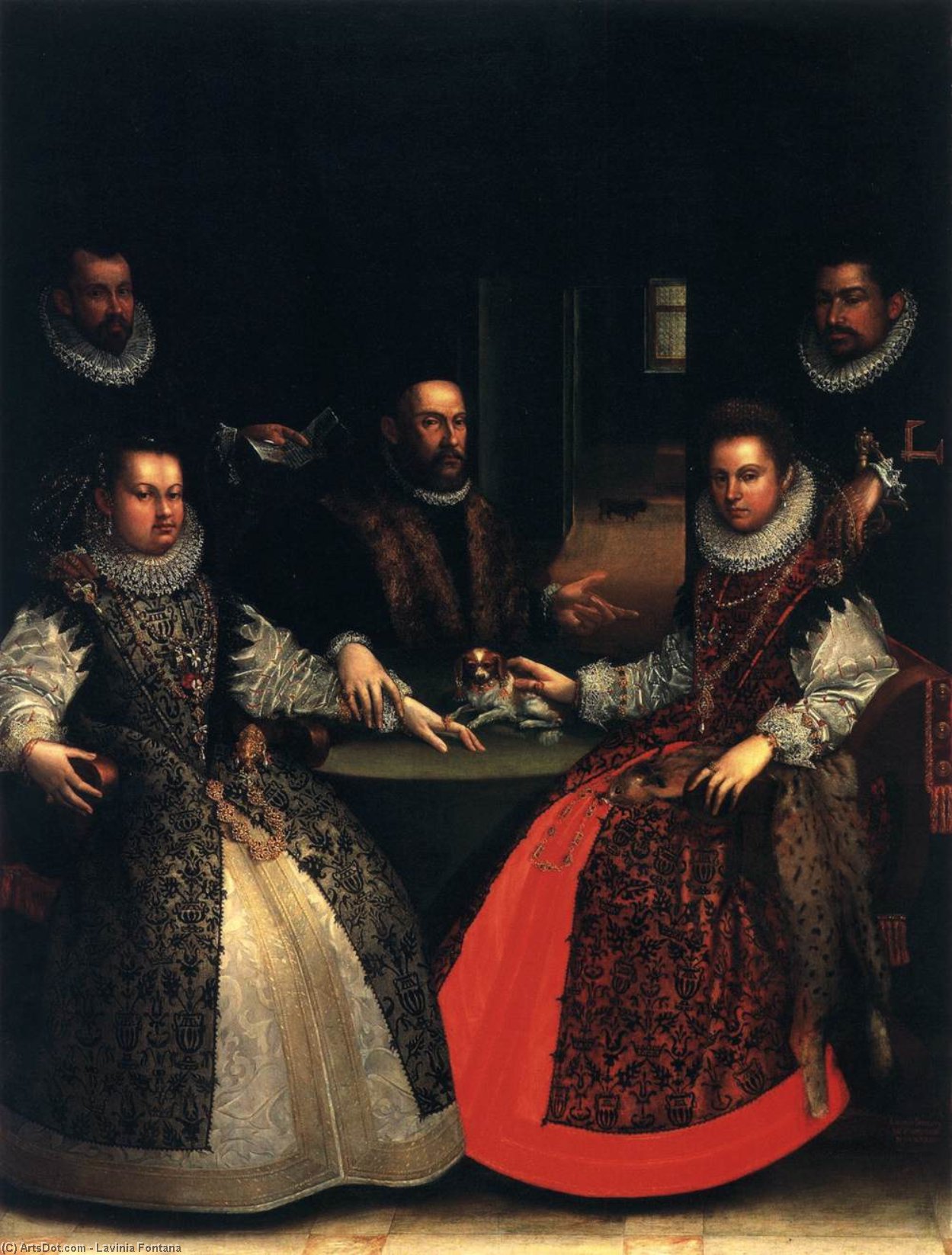
Portrait of the Gozzadini Family
 Oil On Canvas
- WallArt
- Mannerist Portraiture
 1584
1584 253.0 x 191.0 cm
 Pinacoteca Nazionale
 Weiterlesen
Giclée / Kunstdruck
Giclée- oder Leinwanddruck in Museumsqualität mit schneller Produktion und flexiblen Veredelungsoptionen. ( Handgemalte Reproduktion bestellen Bild kaufen)




P118B $10

P118H $10

P118W $10

P438Z $10

P508JH $12

P508YH $12

P805H $10

P805Z $10

P919BZ $10

P919G $10

P919XJ $10

P959ZH $10

P968JZ $12

W106C $8

W218G $10

W218JH $8

W218Y $10

W307PJ $10

W316G $10

W316PJ $8

W316Y $10

W398PJ $8

W4111J $10

W500HY $15

W500JH $15

W692G $12

W849H $8

W940BG $15

W953PJ $8




Wählen Sie aus unseren vordefinierten Formaten, die den ursprünglichen Proportionen des Kunstwerks entsprechen.

Sie können Ihre eigenen Maße eingeben, um ein bestimmtes Format oder einen speziellen Platz einzupassen. Wenn das von Ihnen gewählte Format nicht den Proportionen des Originalbildes entspricht, werden wir das Kunstwerk entweder beschneiden oder das Bild mit einem gespiegelten oder einfarbigen Rand erweitern. Ein digitaler Entwurf wird Ihnen zur Genehmigung zugesandt, bevor die Produktion beginnt.
Bitte beachten Sie, dass die Vorschau auf dem Bildschirm nicht den tatsächlichen Zuschnitt oder die Erweiterung widerspiegelt. Nur der Entwurf zeigt die endgültige Komposition präzise an.
Obwohl Sondermaße verfügbar sind, empfehlen wir die Auswahl eines Maßes aus der vordefinierten Liste, um die ursprünglichen Proportionen zu bewahren.
Weltweiter Versand () innerhalb von 2 Wochen statt der üblichen 4/5 Wochen. (4 September)

Kostenloser weltweiter Expressversand

Hochwertige Leinenleinwand

Umfassender Versicherungsschutz beim Versand

Zollgebühren-Rückerstattungsgarantie

Garantie für exakte Farbtreue

60 Tage Rückgaberecht (nur bei Mängeln)

100% Geld-zurück-Garantie

Mengenrabatt verfügbar
 Die Glasoption ist nur für Größen unter 110 cm verfügbar.

Portrait of the Gozzadini Family
Giclée / Kunstdruck
Format der Reproduktion
-


Gesamtpreis
$ 62
A Glimpse into Noble Life: The Gozzadini Family Portrait
Lavinia Fontana’s 1584 “Portrait of the Gozzadini Family” is more than just a depiction of six individuals seated around a table; it's a meticulously crafted window into the social dynamics, familial tensions, and aspirations of a prominent Bolognese family during the High Renaissance. Hanging within the Pinacoteca Nazionale in Bologna, this oil painting on canvas immediately commands attention with its rich palette, dramatic lighting, and the subtly complex relationships depicted within its frame. It’s a work that speaks volumes about wealth, status, and the intricate web of obligations and desires that defined aristocratic life.
The scene unfolds within a dimly lit interior, dominated by a dark wooden table – a focal point that anchors the composition. Senator Ulisse Gozzadini, the patriarch, sits centrally, radiating authority despite his deceased status; his ghostly presence is subtly evoked through the placement of his hand resting on his daughter’s arm. Flanking him are his daughters, Laudomia and Ginevra, dressed in opulent wedding attire – a visual testament to their recent unions and the family's continued prosperity. Their husbands, Camillo and Annibale, stand respectfully behind them, completing the tableau of familial unity. Yet, beneath this veneer of harmony lies an undercurrent of rivalry and unspoken anxieties, carefully conveyed through subtle gestures and compositional choices.
The Language of Mannerism: Style and Technique
Fontana’s masterful command of Renaissance techniques is evident in every brushstroke. The painting exemplifies the stylistic nuances of Mannerism, a movement that favored elongated figures, complex compositions, and an emphasis on emotional expression over strict realism. Notice how the figures are rendered with a deliberate sense of formality – their poses are stiff and controlled, reflecting the rigid social conventions of the era. The artist’s use of *sfumato*, a technique pioneered by Leonardo da Vinci, creates soft transitions between light and shadow, lending an ethereal quality to the scene. The meticulous detail in rendering fabrics—the intricate folds of the ruffs, the shimmering textures of the gowns—demonstrates Fontana's exceptional skill and patience.
The color palette is dominated by deep browns, reds, creams, and golds – a luxurious combination that speaks to the family’s wealth and status. The vibrant red of Laudomia’s gown immediately draws the eye, while the muted tones of the other figures create a sense of balance and harmony. Fontana skillfully employs light to sculpt the forms of her subjects, highlighting their faces and creating a dramatic interplay between light and shadow. This masterful use of chiaroscuro not only adds depth and volume but also subtly conveys the emotional weight of the scene.
Symbolism and Hidden Meanings
Beyond its surface appearance, the “Portrait of the Gozzadini Family” is laden with symbolism. The presence of two dogs – one black and one small – serves as a poignant reminder of the deceased patriarch’s legacy and the family's commitment to upholding his memory. The placement of Laudomia’s hand on her father’s arm, coupled with the fact that he was already dead at the time of painting, suggests a complex relationship built on duty, obligation, and perhaps even unspoken resentment. The paper in Annibale’s hand is interpreted as a reference to his control over the family's finances, hinting at potential conflicts and power struggles.
Furthermore, the choice of clothing—the elaborate wedding attire—symbolizes not just marital status but also the family’s social standing and its desire to perpetuate its lineage. The painting can be read as a carefully constructed statement about the Gozzadini family's wealth, influence, and aspirations – a visual declaration of their place within Bolognese society. Lavinia Fontana cleverly used this portrait to convey more than just a simple depiction of a family; she created a narrative rich in social commentary and psychological insight.
A Legacy Preserved: Historical Context and Enduring Appeal
Lavinia Fontana’s “Portrait of the Gozzadini Family” is not merely a beautiful work of art; it's a significant historical document. As one of the few female artists to achieve recognition during the Renaissance, Fontana challenged societal norms and paved the way for future generations of women in the arts. The painting offers a rare glimpse into the lives of wealthy Italian families during the 16th century – their social customs, familial dynamics, and aspirations. Today, this masterpiece continues to captivate viewers with its exquisite detail, evocative symbolism, and profound insights into human nature. Reproductions of this iconic portrait remain highly sought after by collectors and interior designers alike, offering a timeless reminder of the beauty and complexity of Renaissance art.
Ähnliche Kunstwerke

Über den Künstler
Frühes Leben und Ausbildung
- Geboren: 24. August 1552, Bologna, Italien
- Gestorben: 1614
- Lavinia Fontana wurde in einer Künstlerfamilie geboren. Ihr Vater, Prospero Fontana, war ein bekannter Maler der Bologneser Schule.
- Sie erhielt ihre Ausbildung von ihrem Vater und setzte das Familienunternehmen fort, was zu dieser Zeit üblich war.
- Ihr früheste bekannte Arbeit, "Affenkind", wurde 1575 gemalt, als sie 23 Jahre alt war.
Künstlerischer Stil und bemerkenswerte Werke
- Anfänglich ähnelte Lavinia Fontanas künstlerischer Stil der ihres Vaters. Sie übernahm allmählich den Carracciesken Stil mit starker, fast venezianischer Farbgebung.
- Sie war bekannt für das Malen von Angehörigen der oberen Gesellschaftsschichten Bolognas, insbesondere adeliger Frauen. Ihre Beziehungen zu weiblichen Klientinnen waren oft ungewöhnlich herzlich.
- Bemerkenswerte Werke:
- Doppelporträt einer Hochzeit (auch bekannt als Selbstbildnis von Lavinia Fontana): Ein Meisterwerk, das Eleganz und Raffinesse der Kunst des 16. Jahrhunderts zeigt, befindet sich im Museo de Zaragoza.
- Venus und Amor (1592): Ein Barockporträt mit reichen Details und symbolischer Schönheit.
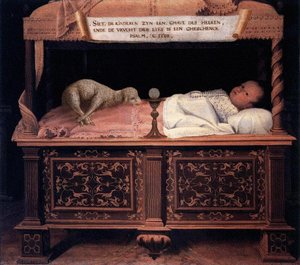
- Neugeborenes Baby in einer Wiege (1583): Ein manieristisches Porträt, das Reichtum und Zärtlichkeit zeigt.
- Judith mit dem Kopf Holofernes’ (1600): Ein dramatisches Renaissance-Meisterwerk.
- Porträt eines Neugeborenen in einer Wiege (1583): Ein ergreifendes nordeuropäisches Renaissance-Ölgemälde.
Entwicklung und Einflüsse
- Einflüsse: Denis Calvaert, ein niederländischer Künstler, der eine einflussreiche Malerschule in Bologna leitete, beeinflusste ebenfalls ihre Ausbildung.
- Der künstlerische Stil ihres Vaters prägte anfänglich ihre Arbeit, aber sie entwickelte sich hin zum Carracciesken Stil weiter.
- Die Förderung durch Papst Gregor XIII. und seine Familie hatte einen bedeutenden Einfluss auf ihre Karriere und führte zu Aufträgen für Porträts von prominenten Persönlichkeiten.
Wichtige Errungenschaften und historische Bedeutung
- Erste professionelle weibliche Künstlerin: Lavinia Fontana gilt als die erste Frau, die außerhalb eines Hofes oder Klosters in derselben Sphäre wie ihre männlichen Kollegen arbeitete.
- Pionierin des Porträts: Sie wurde zu einer der wichtigsten Porträtmalerinnen Bolognas im späten 16. Jahrhundert.
- Erste Frau, die Aktzeichnungen malte: Fontana war eine der ersten Frauen, die weibliche Akte malte, obwohl dies unter Kunsthistorikern umstritten ist.
- Anerkennung und Ehrungen: Sie wurde in die Accademia di San Luca in Rom gewählt und erhielt zahlreiche Auszeichnungen, darunter eine Bronzemedaille im Jahr 1611.
Vermächtnis
- Lavinia Fontanas Vermächtnis inspiriert weiterhin Künstler und Kunstliebhaber gleichermaßen.
- Ihre Werke sind in verschiedenen Museen und Sammlungen auf der ganzen Welt zu finden, darunter im Museo de Zaragoza und der Accademia di San Luca in Rom.
- Sie vereinte eine erfolgreiche künstlerische Karriere mit der Erziehung von elf Kindern und bewies so bemerkenswerte Widerstandsfähigkeit und Hingabe.
- Fontanas Fähigkeit, Aufträge und Unterstützung von prominenten Förderern zu sichern, ebnete den Weg für zukünftige Generationen weiblicher Künstlerinnen.
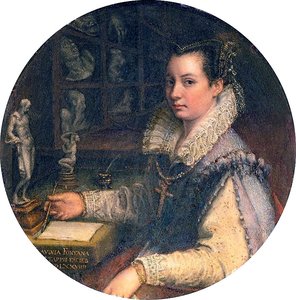
Lavinia Fontana
1552 - 1614 , Italien
Kurzinfos
- Bemerkenswerte Werke:
- Doppelporträt der Hochzeit
- Venus und Amor
- Neugeborenes im Wiege
- Judith mit Holofernes Kopf
- Porträt eines Neugeborenen
- Einflussreiche Künstler:
- Prospero Fontana
- Denis Calvaert
- Geburtsdatum: 24. August 1552
- Geburtsort: Bologna, Italien
- Künstlerische Richtung: Manierismus
- Nationalität: Italienerin
- Sterbedatum: 1614
- Vollständiger Name: Lavinia Fontana
Ähnliche Artikel

The Enduring Legacy of Oil on Canvas: Technique, History & Aesthetic Impact
Explore the rich history & techniques of oil painting – from Renaissance masters to Impressionism. Discover pigments, layering methods, and why this timeless medium endures. Expert insights for artists & art enthusiasts.

Öl auf Leinwand: Eine historische und technische Erkundung eines zeitlosen künstlerischen Mediums
Entdecken Sie die faszinierende Welt der Ölmalerei! Von historischen Techniken bis zur modernen Anwendung – wir bieten Expertenwissen, Restaurierungstipps und hochwertige Reproduktionen. Jetzt informieren!

The Enduring Power of Painting: A Historical & Contemporary Exploration of Form and Emotion
Explore the rich history & enduring techniques of oil painting with ArtsDot. Discover masterpieces, learn about art collecting, and find authentic handmade reproductions crafted by skilled artists.
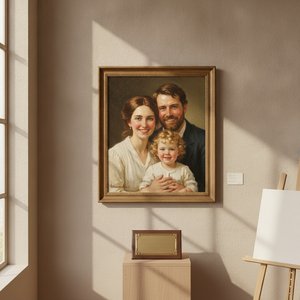
Familienporträts: Zeitlose Kunstwerke für Ihre persönliche Geschichte
Handgemalte Familienporträts von ArtsDot – Meisterhafte Kunstwerke für Ihre persönlichen Erinnerungen. Bewahren Sie Ihre Geschichte mit individuellen Auftragsmalereien & höchster Qualität! 100% Zufriedenheitsgarantie.

Das bleibende Erbe der Ölmalerei: Technik, Geschichte und zeitgenössische Praxis
Entdecken Sie die faszinierende Geschichte der Ölmalerei – von den frühen Techniken bis zur modernen Kunst. Expertenwissen, detaillierte Analysen und Inspiration für Sammler & Kunstliebhaber.