 Vorschau anzeigen
 Versenden
 Teilen
 Details anzeigen

 Herunterladen
 Ähnliche Objekte
 Röntgenaufnahme
 Diashow
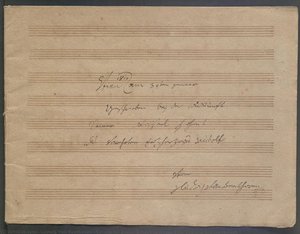
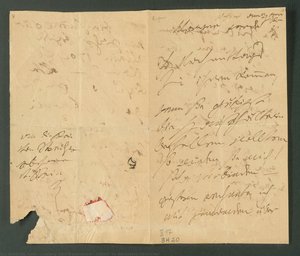
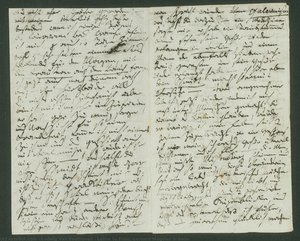
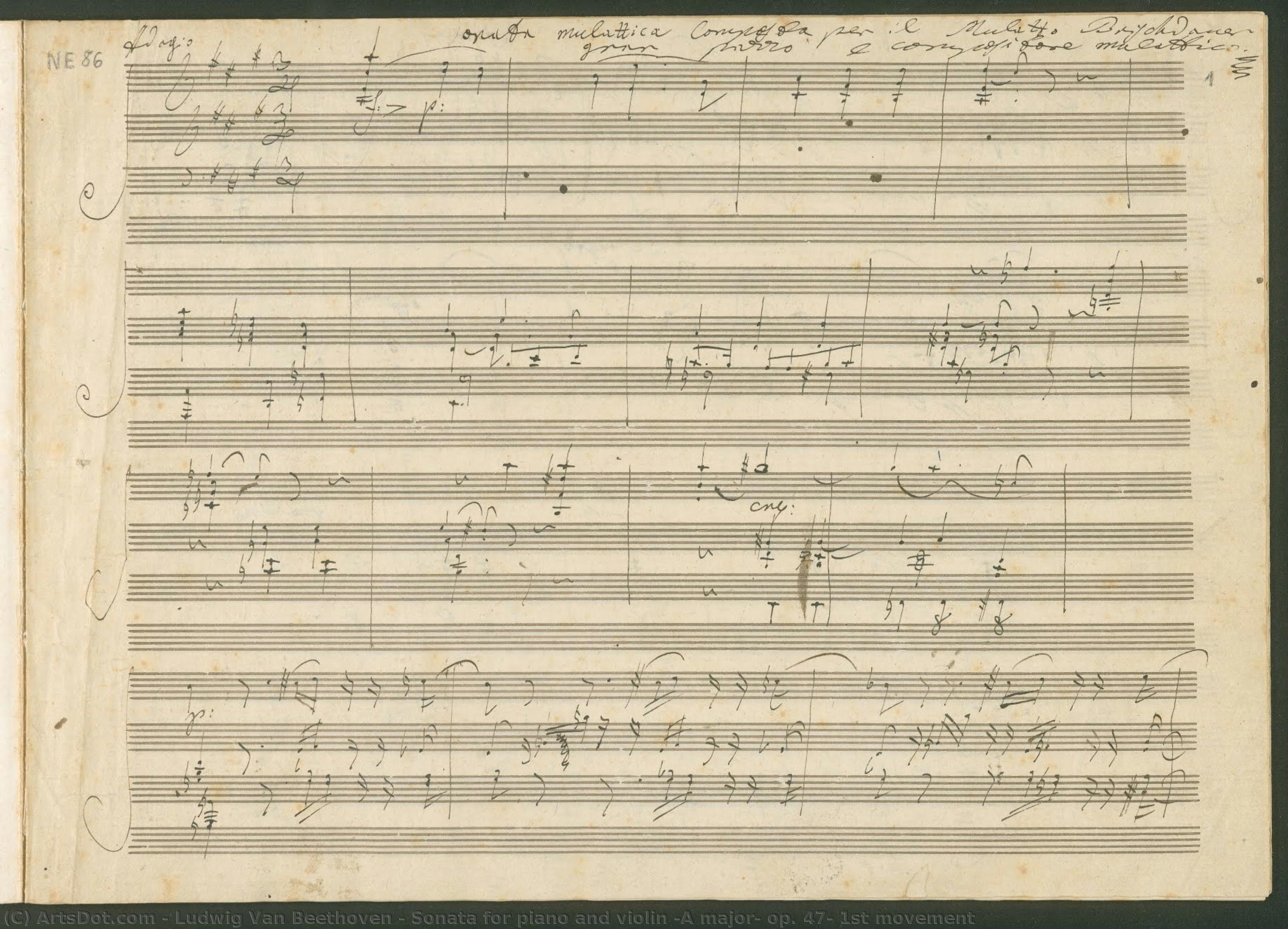
Sonata for piano and violin (A major) op. 47, 1st movement


 Weiterlesen
Handgefertigte Ölreproduktion
Handgemaltes Ölgemälde auf Leinwand in Ihrer Wunschgröße und mit Rahmen, auf Bestellung von unseren Künstlern angefertigt. ( Druck bestellen Bild kaufen)




P118B $10

P118H $10

P118W $10

P438Z $10

P508JH $12

P508YH $12

P805H $10

P805Z $10

P919BZ $10

P919G $10

P919XJ $10

P959ZH $10

P968JZ $12

W106C $8

W218G $10

W218JH $8

W218Y $10

W307PJ $10

W316G $10

W316PJ $8

W316Y $10

W398PJ $8

W4111J $10

W500HY $15

W500JH $15

W692G $12

W849H $8

W940BG $15

W953PJ $8




Wählen Sie aus unseren vordefinierten Formaten, die den ursprünglichen Proportionen des Kunstwerks entsprechen.

Sie können Ihre eigenen Maße eingeben, um einen bestimmten Rahmen oder Platz auszufüllen. Wenn die gewählte Größe nicht den Proportionen des Originalbildes entspricht, werden wir das Kunstwerk entweder beschneiden oder das Gemälde durch zusätzliche, handgemalte Elemente erweitern. Ein digitales Mockup wird Ihnen zur Genehmigung zugesandt, bevor die Produktion beginnt.
Bitte beachten Sie, dass die Bildschirmvorschau nicht die tatsächliche Beschneidung oder Erweiterung widerspiegelt. Nur das Mockup zeigt die endgültige Komposition exakt an.
Obwohl Sondermaße verfügbar sind, empfehlen wir, eine Größe aus der vordefinierten Liste zu wählen, um die ursprünglichen Proportionen beizubehalten.
Nach der Bestellung wird das ArtsDot.com-Team dem Kunden Anweisungen per E-Mail zusenden und eine Mockup-Vorschau bereitstellen.
Weltweiter Versand () in nur 3 bis 4 Wochen statt der üblichen 5 Wochen. (6 September). Keine Kompromisse bei der Qualität.

Kostenloser weltweiter Expressversand

Hochwertige Leinenleinwand

Umfassender Versicherungsschutz beim Versand

Zollgebühren-Rückerstattungsgarantie

Garantie für exakte Farbtreue

60 Tage Rückgaberecht (nur bei Mängeln)

100% Geld-zurück-Garantie

Mengenrabatt verfügbar
 Die Glasoption ist nur für Größen unter 110 cm verfügbar.

Sonata for piano and violin (A major) op. 47, 1st movement
Art der Reproduktion
Format der Reproduktion
-


Gesamtpreis
$ 263
Beethoven’s Sonata for Piano and Violin: A Journey Through Passion and Innovation
Ludwig van Beethoven's "Sonata for Piano and Violin in A major, Op. 47," often known as the “Kreutzer Sonata,” isn’t merely a musical composition; it’s a visceral experience, a window into the turbulent soul of one of history’s most transformative composers. Completed in 1803 during a period of intense personal and professional upheaval for Beethoven – marked by increasing deafness and shifting patronage – this sonata stands as a testament to his unwavering artistic vision and his ability to translate profound emotion into sound.
The piece immediately captivates with its dramatic opening, eschewing the typical elegance of early Classical sonatas. Instead, it plunges directly into a chromatic introduction in D minor, a stark departure that establishes an atmosphere of brooding intensity. This initial darkness serves as a powerful counterpoint to the subsequent movements, creating a dynamic tension that defines the entire work. The first movement, marked “Adagio sostenuto – Presto,” unfolds with a deliberate slowness, building gradually towards a frenzied climax—a whirlwind of notes and rhythms that mirrors the composer’s own inner turmoil. The interplay between the piano and violin is not one of simple accompaniment; rather, it's a passionate dialogue, a push and pull of ideas and emotions.
A Tale of Rivalry and Dedication
The story behind the “Kreutzer Sonata” is as compelling as the music itself. Initially dedicated to the celebrated violinist George Bridgetower, the sonata’s creation was intertwined with a scandalous affair and a bitter dispute. Beethoven, deeply attached to a woman, became embroiled in a quarrel with Bridgetower, fueled by jealousy and resentment. The resulting estrangement led Beethoven to ultimately dedicate the work to Rodolphe Kreutzer, a fellow violinist known for his virtuosity and connections within the Viennese musical circles. This act of dedication, born from conflict, adds another layer of intrigue to the sonata’s narrative.
Interestingly, Kreutzer himself reportedly found the piece baffling and refused to perform it, suggesting that its complexity and emotional intensity were beyond his capabilities. This reluctance further cemented the “Kreutzer Sonata”’s reputation as a challenging and demanding work—a testament to Beethoven's willingness to push the boundaries of musical expression.
Form and Technique: A Masterclass in Duo Performance
Structurally, the sonata is divided into three distinct movements. The second movement, an “Andante,” offers a brief respite from the intensity of the first, presenting a more lyrical and contemplative theme. However, even here, Beethoven employs unexpected harmonic shifts and rhythmic irregularities, preventing it from becoming overly sentimental. The final movement, a spirited “Presto” in A major, is a whirlwind of energy and virtuosity—a dazzling display of technical skill and compositional ingenuity.
Beethoven’s use of dynamics and orchestration is particularly noteworthy. He masterfully employs contrasting levels of volume to heighten the emotional impact of each movement, creating moments of overwhelming power and delicate beauty. The interplay between the piano and violin is meticulously crafted, with each instrument taking turns to dominate the texture—a testament to Beethoven's understanding of duo performance.
Symbolism and Emotional Resonance
Beyond its technical brilliance, the “Kreutzer Sonata” resonates deeply with listeners due to its profound emotional content. The sonata’s turbulent energy reflects the composer’s own struggles with deafness and his personal relationships—a poignant exploration of love, loss, jealousy, and ambition. The story of the sonata's dedication is itself imbued with symbolism, representing not only a musical work but also a complex human drama.
Listening to the “Kreutzer Sonata” is akin to embarking on a journey through the depths of the human psyche—a powerful reminder of the enduring capacity for both beauty and suffering within the creative spirit. It remains a cornerstone of the classical repertoire, captivating audiences with its dramatic intensity and timeless emotional resonance.
Ähnliche Kunstwerke
Über den Künstler
early life and musical beginnings
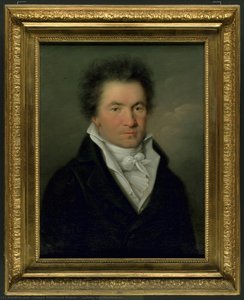
Ludwig van Beethoven, a renowned German composer and pianist, was born in Bonn, Germany, in 1770. Displaying his musical talent at a young age, he began studying music under various teachers before moving to Vienna, where he would spend most of his life. Despite suffering from deafness for much of his career, Beethoven continued to compose some of the most iconic pieces of classical music, including Symphony No. 9 and Moonlight Sonata. His innovative compositions combined vocals and instruments, creating a unique sound that has influenced countless musicians over the centuries. Some of Beethoven’s notable works include:- Sonata for Piano and Violoncello (A Major) Op. 69, 1st Movement (available at ArtsDot.com)
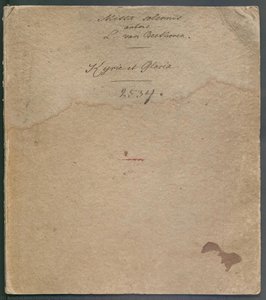
- Beethoven's Manuscript of the Missa Solemnis (viewable at Wikipedia)
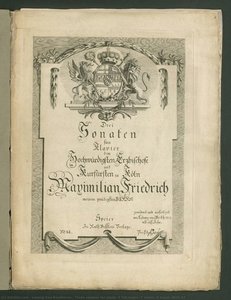
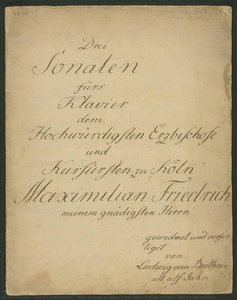
- Three Opus 1 Piano Sonatas, Patronized by Karl Alois, Prince Lichnowsky
musical development and influences
Beethoven’s formative years were marked by exposure to influential composers such as Franz Joseph Haydn and Christian Gottlob Schulze, who instilled in him a deep understanding of classical musical traditions. These mentors nurtured his prodigious talent and shaped his artistic vision—a vision that would ultimately transcend the boundaries of its time. His early compositions demonstrated remarkable technical skill and melodic beauty, foreshadowing the grandeur and emotional depth characteristic of his later masterpieces. Beethoven’s dedication to mastering the piano was unwavering, honing his craft through rigorous practice and experimentation.key achievements and iconic works
Beethoven's legacy rests upon a monumental body of work that revolutionized musical thought and expression. Symphony No. 9, with its choral finale celebrating Schiller’s Ode to Joy, stands as an unparalleled testament to human aspiration and unity—a cornerstone of Romantic idealism. Moonlight Sonata captivated audiences worldwide with its haunting melody and evocative harmonies, establishing Beethoven as a pioneer in instrumental piano music. Furthermore, his Piano Sonatas Op. 27 No. 1 and Op. 53 ("Pathétique") are considered among the most emotionally resonant compositions ever conceived, exploring themes of despair, resilience, and transcendence.Vienna and artistic legacy
Beethoven established himself as a celebrated composer in Vienna, Austria, where he cultivated relationships with prominent patrons and fellow artists—a milieu that fostered creativity and intellectual exchange. Despite facing increasing deafness throughout his later years, Beethoven persevered in composing some of his most profound works, demonstrating an unwavering commitment to artistic excellence. His music continues to inspire generations of musicians and listeners alike, cementing his position as one of the greatest figures in Western musical history. Ludwig van Beethoven | 30 artworks Learn more about Beethoven’s life and music at Wikipedia: Ludwig van Beethoven - Wikipedia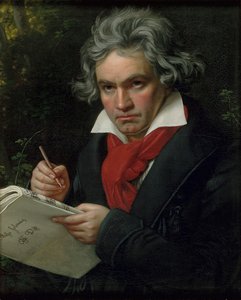
Ludwig Van Beethoven
1770 - 1827 , Deutschland
Kurzinfos
- Artistic Movement Or Style: Klassisch Romantik
- Artists Or Movements Influenced By This Artist: ['Johannes Brahms']
- Artists Who Influenced This Artist:
- Franz Joseph Haydn
- Christian Gottlob Schulze
- Date Of Birth: 1770 Bonn Deutschland
- Date Of Death: 1827 Wien Österreich
- Full Name: Ludwig van Beethoven
- Nationality: Deutsch
- Notable Artworks:
- Mondscheinsonate
- Symfonie Nr. 9
- Place Of Birth: Bonn Deutschland
Ähnliche Artikel
Harmonies on Canvas: Exploring the Visual Representation of Music in Art History
Explore the fascinating history of music's visual representation in art! From ancient symbolism to modern abstraction, discover how artists have captured sound and emotion on canvas. Expert insights & stunning examples.
Die 10 Meisterwerke des Neoklassizismus: Kunst für Ihr Zuhause |
Entdecken Sie die 10 Meisterwerke des Neoklassizismus! Von David bis Canova – erleben Sie Kunstgeschichte, elegante Ästhetik & zeitlose Schönheit. Hochwertige Reproduktionen auf .
The Enduring Legacy of Classicism: Principles, Evolution & Influence in Western Art
Explore the enduring legacy of Classicism in Western art! Discover its historical context, key principles, iconic masterpieces & lasting influence. Learn about Renaissance and Neoclassical movements with ArtsDot.
Timeless Resonance: Exploring Classic Vibe in Art – A Historical & Aesthetic Analysis
Explore the rich history & enduring aesthetic of Classicism art! Discover key movements, iconic artists like Raphael & David, and its lasting influence on Western art. Deepen your appreciation today.

The Enduring Legacy of Classical Style: Form, Narrative & Influence in Art
Explore the enduring legacy of classical art – from ancient Greece & Rome to Neoclassicism. Discover key artists, philosophical roots & build a timeless collection with ArtsDot's expert guidance.