 Vorschau anzeigen
 Versenden
 Teilen
 Details anzeigen

 Herunterladen
 Ähnliche Objekte
 Röntgenaufnahme
 Diashow
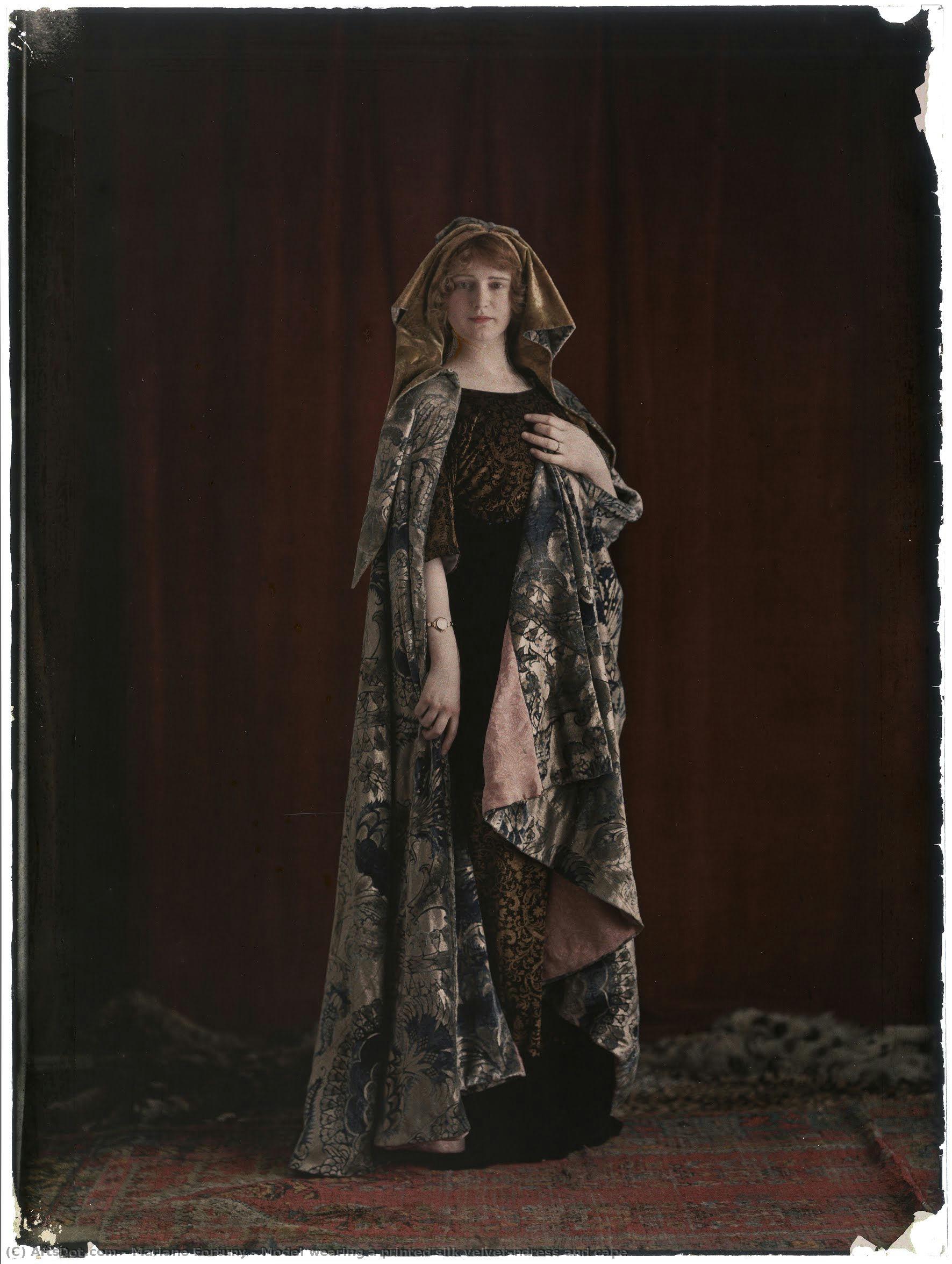
Model wearing a printed silk velvet\ndress and cape
 Acrylic On Canvas
- WallArt
- Fortuny Aesthetic
 1915
1915 24.0 x 18.0 cm
 Palazzo Fortuny
 Weiterlesen
Handgefertigte Ölreproduktion
Handgemaltes Ölgemälde auf Leinwand in Ihrer Wunschgröße und mit Rahmen, auf Bestellung von unseren Künstlern angefertigt. ( Druck bestellen Bild kaufen)




P118B $10

P118H $10

P118W $10

P438Z $10

P508JH $12

P508YH $12

P805H $10

P805Z $10

P919BZ $10

P919G $10

P919XJ $10

P959ZH $10

P968JZ $12

W106C $8

W218G $10

W218JH $8

W218Y $10

W307PJ $10

W316G $10

W316PJ $8

W316Y $10

W398PJ $8

W4111J $10

W500HY $15

W500JH $15

W692G $12

W849H $8

W940BG $15

W953PJ $8




Wählen Sie aus unseren vordefinierten Formaten, die den ursprünglichen Proportionen des Kunstwerks entsprechen.

Sie können Ihre eigenen Maße eingeben, um einen bestimmten Rahmen oder Platz auszufüllen. Wenn die gewählte Größe nicht den Proportionen des Originalbildes entspricht, werden wir das Kunstwerk entweder beschneiden oder das Gemälde durch zusätzliche, handgemalte Elemente erweitern. Ein digitales Mockup wird Ihnen zur Genehmigung zugesandt, bevor die Produktion beginnt.
Bitte beachten Sie, dass die Bildschirmvorschau nicht die tatsächliche Beschneidung oder Erweiterung widerspiegelt. Nur das Mockup zeigt die endgültige Komposition exakt an.
Obwohl Sondermaße verfügbar sind, empfehlen wir, eine Größe aus der vordefinierten Liste zu wählen, um die ursprünglichen Proportionen beizubehalten.
Nach der Bestellung wird das ArtsDot.com-Team dem Kunden Anweisungen per E-Mail zusenden und eine Mockup-Vorschau bereitstellen.
Weltweiter Versand () in nur 3 bis 4 Wochen statt der üblichen 5 Wochen. (25 August). Keine Kompromisse bei der Qualität.

Kostenloser weltweiter Expressversand

Hochwertige Leinenleinwand

Umfassender Versicherungsschutz beim Versand

Zollgebühren-Rückerstattungsgarantie

Garantie für exakte Farbtreue

60 Tage Rückgaberecht (nur bei Mängeln)

100% Geld-zurück-Garantie

Mengenrabatt verfügbar
 Die Glasoption ist nur für Größen unter 110 cm verfügbar.

Model wearing a printed silk velvet\ndress and cape
Art der Reproduktion
Format der Reproduktion
-


Gesamtpreis
$ 263
Beschreibung des Kunstwerks
A Glimpse of Venetian Grandeur: Mariano Fortuny’s “Model Wearing a Printed Silk Velvet Dress and Cape”
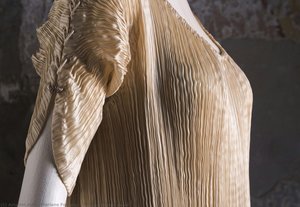
Mariano Fortuny’s 1915 photograph, "Model wearing a printed silk velvet dress and cape," is more than just a portrait; it's a meticulously constructed tableau vivant, a frozen moment of theatrical elegance captured within the opulent walls of Palazzo Fortuny in Venice. The image, rendered in stark black and white, immediately draws the viewer into a world of refined beauty and subtle mystery, hinting at a bygone era of lavish performances and aristocratic intrigue. It’s a piece that speaks volumes about Fortuny's revolutionary approach to design and his profound understanding of light, texture, and the evocative power of costume.
Fortuny’s genius lay in his ability to synthesize disparate artistic disciplines – painting, photography, sculpture, architecture, and stage lighting – into a cohesive and utterly unique aesthetic. He wasn't simply a fashion designer; he was a visionary creator who fundamentally altered the landscape of theatrical production. His “fortuny cyclorama dome,” a groundbreaking invention, allowed for seamless transitions between scenes through the strategic use of reflected light, creating an immersive experience previously unattainable. This photograph exemplifies that philosophy perfectly. The deliberate composition, with its dramatic red curtain acting as both backdrop and symbolic barrier, echoes Fortuny’s theatrical innovations.
The Fabric of Illusion: Technique and Materiality
The photograph itself is a testament to Fortuny's mastery of photographic technique. He employed a complex system of mirrors and reflectors to achieve the soft, diffused lighting that characterizes the image – a deliberate departure from the harsh realities of direct sunlight. This careful manipulation of light creates an atmosphere of dreamlike serenity, bathing the model in a gentle glow. The velvet dress and cape, rendered with exquisite detail, are not merely fabrics; they’re embodiments of luxury and sophistication. Fortuny's meticulous attention to texture – the subtle sheen of the silk, the plushness of the velvet – invites tactile exploration, even through the static image.
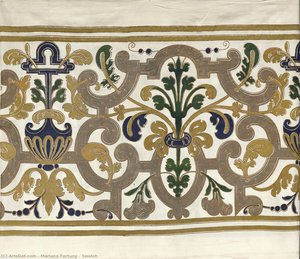
The choice of a printed silk velvet is particularly significant. Fortuny was renowned for his innovative use of printed fabrics, often mimicking the appearance of natural materials like damask or brocade. This technique allowed him to create elaborate designs and textures at scale, essential for the vast cyclorama domes he designed for theaters across Europe. The print itself – a delicate floral pattern – adds another layer of visual complexity, hinting at the intricate craftsmanship involved in creating Fortuny’s theatrical worlds.
A Portrait of an Era: Historical Context and Symbolism
The photograph's setting within Palazzo Fortuny, a former residence and studio of the artist himself, is crucial to understanding its historical context. The palazzo was a hub of artistic activity during this period, serving as both a home and a workshop for Fortuny’s creative endeavors. The image captures a moment in time when Venice was experiencing a resurgence of cultural significance, fueled by tourism and a renewed interest in the city's rich artistic heritage. The woman depicted embodies the elegance and sophistication associated with Venetian society at the turn of the 20th century.
Furthermore, the costume itself carries symbolic weight. The long dress and cape evoke images of classical Greek goddesses or Renaissance courtesans – figures of beauty, grace, and mystery. The red curtain, a recurring motif in Fortuny’s work, represents both the stage and the threshold between reality and illusion. It suggests that the model is not simply posing for a photograph but rather stepping into a theatrical performance, becoming a character within a larger narrative.
Timeless Elegance: Emotional Impact and Legacy
"Model wearing a printed silk velvet dress and cape" transcends its status as a simple portrait; it’s an invitation to step back in time and experience the allure of Venetian grandeur. The photograph's quiet elegance, combined with Fortuny’s masterful manipulation of light and texture, creates a deeply evocative image that continues to captivate viewers today. It speaks to our enduring fascination with beauty, artistry, and the power of illusion – qualities that remain central to Fortuny’s legacy as one of the most innovative and influential designers of the modern era.
Reproductions of this iconic photograph offer a remarkable opportunity to bring Fortuny's vision into contemporary interiors. The rich textures and subtle color palette lend themselves beautifully to sophisticated spaces, adding a touch of timeless elegance and theatrical drama. It’s a piece that not only celebrates artistic genius but also invites us to embrace the beauty and mystery of the past.
Ähnliche Kunstwerke
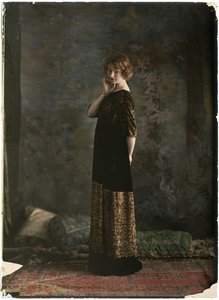
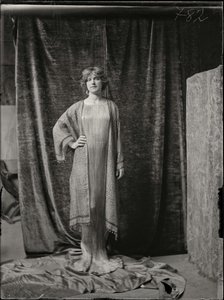
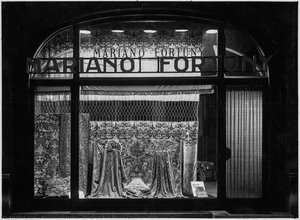
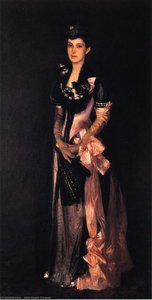
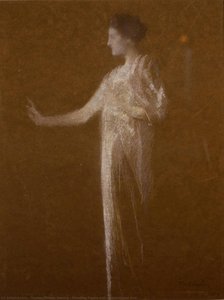
Über den Künstler
Frühe Jahre und Inspiration
Mariano Fortuny, ein spanischer Modeschöpfer, wurde am 11. Mai 1871 in Granada, Spanien, geboren. Sein Vater, Mariano Fortuny y Marsal, war ein Maler des Genrebildes, der verstarb, als Mariano erst drei Jahre alt war. Dieses tragische Ereignis führte dazu, dass die Familie nach Paris, Frankreich, zog, wo die Mutter von Mariano ihn mit verschiedensten Textilien und Stoffen vertraut machte, die später seine schöpferische Kraft maßgeblich beeinflussen sollten.Künstlerische Talente und Erfindungen
Schon in jungen Jahren offenbarte Mariano Fortuny sein außergewöhnliches künstlerisches Talent und bewies meisterhafte Fähigkeiten in der Malerei, Fotografie, Bildhauerei, Architektur, Radierung sowie in der theatralischen Bühnenbeleuchtung. Seine Erfindungen, darunter über zwanzig Patente, die zwischen 1901 und 1934 angemeldet wurden, revolutionierten die Welt des Bühnendesigns grundlegend.- Er entwickelte das Fortuny-Cyclorama-Dome, eine halbkuppelförmige Struktur aus Gips oder Stoff, die indirektes Licht nutzte, um einen nahtlosen Übergang zwischen den Szenen zu schaffen.
- In seiner Abhandlung „Eclairage Scénique“ (1904) beschrieb er seine Entdeckung, wie Licht von verschiedenen Oberflächen reflektiert werden kann, wodurch sich dessen Farbe, Intensität und Eigenschaften verändern lassen.
Bemerkenswerte Beiträge und Kollaborationen
Die Arbeit von Mariano Fortuny erlangte in den 1920er Jahren weltweite Anerkennung. Er arbeitete mit bedeutenden Persönlichkeiten zusammen, darunter:- Richard Wagner, ein deutscher Komponist, dessen Opern Mariano dazu inspirierten, ganze Szenen zu malen.
- Das berühmte Opernhaus La Scala in Mailand, in dem er seine Kuppel installierte, wobei er sie für das größere Theater anpasste und einen Saugventilator erfand, um die straffe Struktur aufrechtzuerhalten.
Vermächtnis und spätes Leben
Mariano Fortuny verstarb am 3. Mai 1949 in Venedig, Italien. Sein Werk inspirierte den französischen Schriftsteller Marcel Proust, und sein Leben fand in Pere Gimferrer's Roman „Fortuny“ Niederschlag. Das Erbe von Mariano beeinflusst die Welt des Bühnendesigns bis heute nachhaltig.- Erforschen Sie mehr über die Erfindungen und Entwürfe von Mariano Fortuny in der Sammlung von ArtsDot.
- Entdecken Sie die Auswirkungen seines Werkes auf die Theaterbeleuchtung in The Museum Destroyed by Fire (USA), einer Erzählung über ein unglückliches Ereignis, das die amerikanische Kunstgeschichte prägte, verfügbar im Blog von ArtsDot.
Ausgewählte Gemälde von Mariano Fortuny und anderen Künstlern
- Mariano Fortuny: Teagown (Museum of Fine Arts, Boston, USA), verfügbar in der Sammlung von ArtsDot.
- Marc Chagall: Studie zu 'Hohelied IV' (Naive Kunst / Primitivismus), verfügbar in der Sammlung von ArtsDot.
- Pablo Picasso: Klarinette (Analytischer Kubismus, Öl auf Leinwand), verfügbar in der Sammlung von ArtsDot.
- Vincent van Gogh: Baumwurzeln (50 x 100 cm, Post-Impressionismus, Öl auf Leinwand), verfügbar in der Sammlung von ArtsDot.
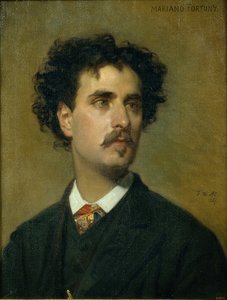
Mariano Fortuny
1871 - 1949 , Spanien
Kurzinfos
- Artistic Movement Or Style: Orientalism art
- Artists Or Movements Influenced By This Artist: ['Marcel Proust']
- Artists Who Influenced This Artist: ['Richard Wagner']
- Date Of Birth: 11. Juni 1838
- Date Of Death: 21. November 1949
- Full Name: Mariano Fortuny y Marsal
- Nationality: Spanisch
- Notable Artworks:
- Teagown
- Portrait of Henriette Fortuny
- Place Of Birth: Granada, Spanien
Ähnliche Artikel
Mariano Fortuny: Ein Synthese aus Kunst, Mode und Design – Das Erbe eines venezianischen Innovators
Entdecken Sie das faszinierende Erbe von Mariano Fortuny, dem venezianischen Künstler und Innovator! Erfahren Sie mehr über seine bahnbrechenden Stoffe, seinen Einfluss auf Mode & Design und die Bewahrung seines Schaffens im Museo Fortuny.
Draped Narratives: Fashion as Symbol & Subject in Historical Art
Explore the fascinating history of fashion as a symbol of power & status in art! Discover masterpieces from Gainsborough to Tissot and learn how clothing shaped societal narratives. Find museum-quality reproductions at ArtsDot.

Crimson Threads of Narrative: Exploring Symbolism & Representation in Artworks Featuring the Red Dress
Explore the rich symbolism of the red dress in art history! From ancient power displays to iconic portraits like Cézanne’s 'Madame Cezanne', discover the cultural and artistic significance behind this captivating color. Expert analysis & insights.
Gianfranco Ferré: Deconstructing Haute Couture – A Legacy of Architectural Form
Explore the revolutionary world of Gianfranco Ferré, 'the architect of fashion.' Discover his architectural approach to haute couture, iconic Dior designs, and lasting influence on luxury style. A deep dive for collectors & enthusiasts.
Cristóbal Balenciaga: Dekonstruktion der Haute Couture – Das architektonische Erbe eines Genies
Entdecken Sie das revolutionäre Werk von Cristóbal Balenciaga – dem Meister der Haute Couture. Architektur, Innovation und zeitloser Stil prägten sein Erbe. Für Kenner und Sammler.