 Versenden
 Teilen
 Details anzeigen

 Herunterladen
 Ähnliche Objekte
 Diashow
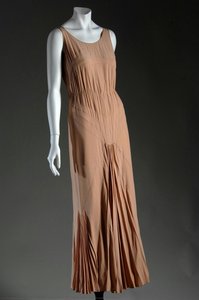
Delphos tunic dress


 Weiterlesen
Giclée / Kunstdruck
Giclée- oder Leinwanddruck in Museumsqualität mit schneller Produktion und flexiblen Veredelungsoptionen. ( Handgemalte Reproduktion bestellen Bild kaufen)




































Wählen Sie aus unseren vordefinierten Formaten, die den ursprünglichen Proportionen des Kunstwerks entsprechen.

Sie können Ihre eigenen Maße eingeben, um ein bestimmtes Format oder einen speziellen Platz einzupassen. Wenn das von Ihnen gewählte Format nicht den Proportionen des Originalbildes entspricht, werden wir das Kunstwerk entweder beschneiden oder das Bild mit einem gespiegelten oder einfarbigen Rand erweitern. Ein digitaler Entwurf wird Ihnen zur Genehmigung zugesandt, bevor die Produktion beginnt.
Bitte beachten Sie, dass die Vorschau auf dem Bildschirm nicht den tatsächlichen Zuschnitt oder die Erweiterung widerspiegelt. Nur der Entwurf zeigt die endgültige Komposition präzise an.
Obwohl Sondermaße verfügbar sind, empfehlen wir die Auswahl eines Maßes aus der vordefinierten Liste, um die ursprünglichen Proportionen zu bewahren.
Weltweiter Versand () innerhalb von 2 Wochen statt der üblichen 4/5 Wochen. (27 August)

Kostenloser weltweiter Expressversand

Hochwertige Leinenleinwand

Umfassender Versicherungsschutz beim Versand

Zollgebühren-Rückerstattungsgarantie

Garantie für exakte Farbtreue

60 Tage Rückgaberecht (nur bei Mängeln)

100% Geld-zurück-Garantie

Mengenrabatt verfügbar
 Die Glasoption ist nur für Größen unter 110 cm verfügbar.

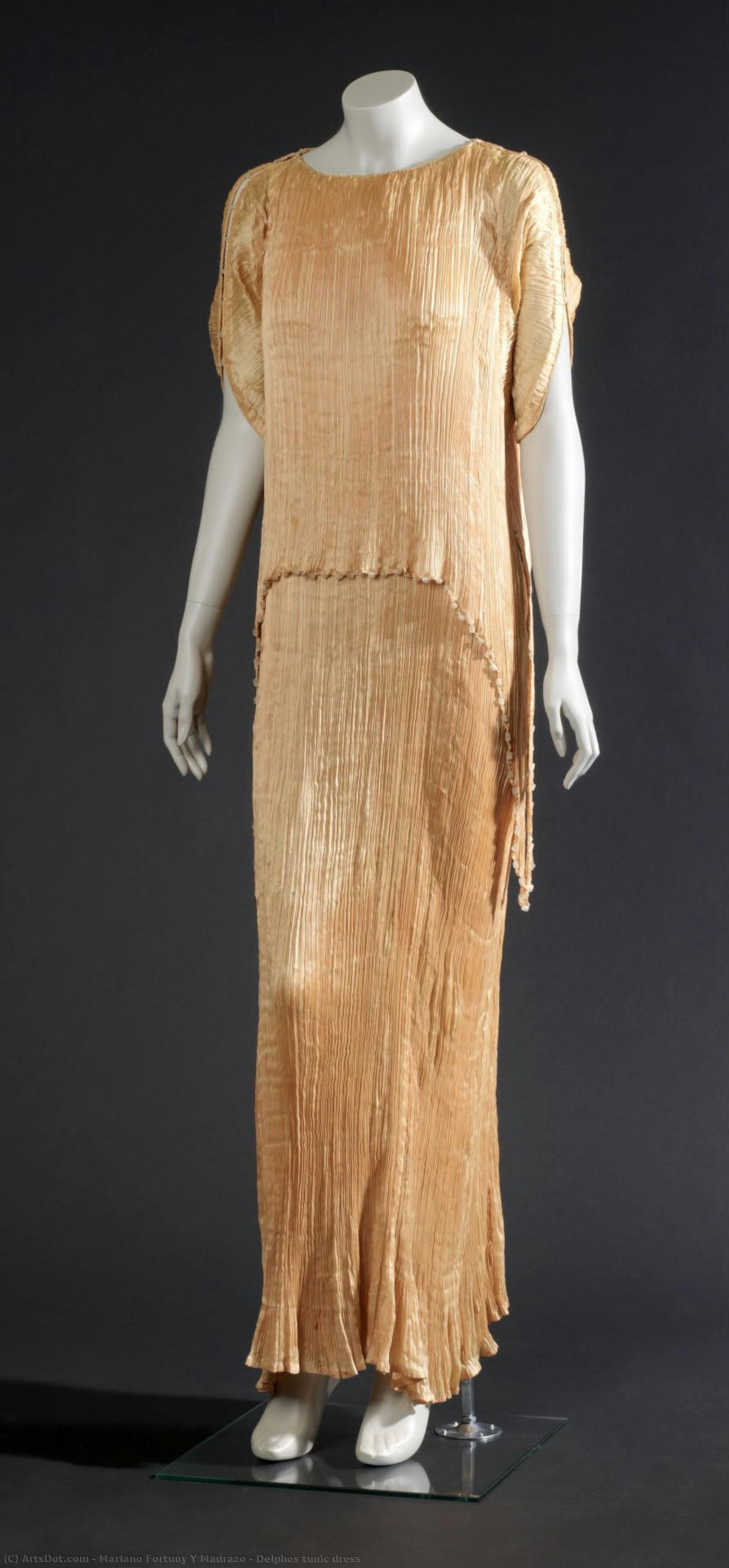
Delphos tunic dress
Giclée / Kunstdruck
Format der Reproduktion
-


Gesamtpreis
$ 62
Sammlerstück-Beschreibung
A Symphony of Silk and Light
In the pantheon of fashion history, few garments possess the ethereal magnetism of the Delphos tunic dress. More than a mere piece of clothing, this masterpiece by Mariano Fortuny y Madrazo serves as a luminous bridge between the ancient world and the dawn of modernism. When one gazes upon the shimmering gold fabric of the Delphos, there is an immediate sense of encountering something timeless, as if the garment itself were woven from captured sunlight. The dress does not merely sit upon the form; it dances with it, utilizing a revolutionary pleated silk technique that creates a fluid, liquid-like movement. This texture, achieved through a meticulous process of heat and pressure applied to ceramic rods, allows the fabric to cling gracefully to the silhouette, offering an unparalleled sense of elegance that transcends the fleeting trends of any single era.
The visual impact of the Delphos is deeply rooted in its connection to classical antiquity. Drawing direct inspiration from the Charioteer of Delphi, a pinnacle of Hellenistic sculpture, Fortuny and his collaborator Henriette Negrin sought to resurrect the grace of ancient Greece within a contemporary context. This design philosophy represents a radical departure from the restrictive, bone-stiffened corsetry that defined the Belle Époque. By prioritizing natural movement and organic shapes, the Delphos gown became a symbol of liberation. For the modern collector or interior designer, this piece embodies a sophisticated tension between structure and softness, making it an evocative subject for high-quality reproductions that aim to bring a sense of historical grandeur and artistic depth into a curated space.
The Alchemy of Innovation and Artistry
To understand the Delphos is to understand the genius of Mariano Fortuny y Madrazo, a true polymath whose work blurred the lines between fine art, textile science, and couture. The creation of the gown was an alchemical feat; it required a mastery of material manipulation that few could replicate. The use of silk—chosen for its incomparable drape and ability to catch the light—combined with the intricate, permanent pleating, results in a surface that is both tactile and visually hypnotic. This technique does not merely decorate the fabric but transforms it into a sculptural medium. In an era where the world was transitioning from the ornate flourishes of the 19th century toward the streamlined aesthetics of Art Deco, the Delphos stood as a beacon of refined, avant-garde luxury.
For those seeking to adorn their environments with art that inspires contemplation, the Delphos gown offers a profound emotional resonance. It evokes feelings of nostalgia for a lost golden age while maintaining a sleek, modern allure that complements contemporary decor. Whether viewed as a study in light and shadow or as a tribute to the spirit of feminine emancipation, the dress remains a powerful icon of beauty. A hand-painted reproduction of such a garment serves as more than decoration; it is an invitation to experience the enduring legacy of Fortuny’s vision—a vision where fashion, history, and art converge in a single, shimmering thread.
Ähnliche Kunstwerke
Über den Künstler
Frühes Leben und Hintergrund
Mariano Fortuny y Madrazo, ein renommierter spanischer Universalgelehrter, Künstler, Erfinder und Modedesigner, wurde am 11. Mai 1871 in Granada, Spanien, geboren. Als Sohn von Mariano Fortuny y Marsal, einem Maler, wurden Marianos künstlerische Neigungen von klein auf gefördert.Karrierehöhepunkte
Marianos glanzvolle Karriere erstreckte sich über mehrere Disziplinen:- Modedesign: Er eröffnete 1906 sein Modehaus, das bis 1946 bestand und einen unauslöschlichen Eindruck in der Modewelt hinterließ.
- Künstlerische Tätigkeit: Seine künstlerischen Talente beschränkten sich nicht auf die Mode; er war ein begabter Maler, wie seine Werke wie "Fetching Water" (Öl auf Leinwand) zeigen.
- Erfindungen: Marianos Erfindergeist führte zur Entwicklung innovativer Designs und Techniken sowohl in der Kunst als auch in der Mode.
Einflüsse und Entwicklung
Fortuny wurde stark von den Werken alter Meister, insbesondere venezianischer Künstler, beeinflusst. Seine Reisen durch Europa und Nordafrika inspirierten ihn zu neuen Formen und Techniken. Er experimentierte mit verschiedenen Materialien und Druckverfahren, um einzigartige Textilien und Muster zu schaffen. Die Zusammenarbeit mit seiner Frau Henriette Negrin, einer Expertin für natürliche Farbstoffe, war entscheidend für seine innovativen Färbemethoden. Seine frühen Arbeiten zeigten Einflüsse des Orientalismus und der Romantik, die sich später in seinem Stil weiterentwickelten.Bedeutende Werke und Sammlungen
Einige seiner bemerkenswertesten Kunstwerke finden sich in verschiedenen Museen, darunter:- Mariano Fortuny: Teegewand (Museum of Fine Arts, Boston, Vereinigte Staaten), das seine Beherrschung der Pigmentierung auf Leinwand zeigt.
- Mariano Fortuny: Stoffprobe (Museo del Traje, Madrid, Spanien), die seine Verwendung von Baumwolle und eklektischen Designmotiven hervorhebt.
- Seine innovativen Kleiderdesigns, wie das "Delphos"-Kleid, sind berühmt für ihre fließenden Formen und plissierten Stoffe.
Vermächtnis und historische Bedeutung
Marianos Fortuny y Madrazos Vermächtnis reicht über seine eigenen Werke hinaus und beeinflusst Generationen von Künstlern und Designern. Seine Beiträge zur Welt der Kunst und Mode sind ein Beweis für seinen innovativen Geist. Er gilt als Pionier in den Bereichen Textildesign, Bühnenbeleuchtung und Modedesign des frühen 20. Jahrhunderts. Sein Palazzo Fortuny in Venedig ist heute ein Museum, das sein Leben und Werk feiert. Seine Entdeckungen und Innovationen haben die Mode- und Kunstwelt nachhaltig geprägt und inspirieren bis heute Designer und Künstler weltweit.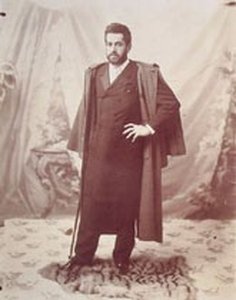
Mariano Fortuny
1871 - 1949 , Spanien
Kurzinfos
- Beeinflusste Künstler:
- Modedesigner
- Textilkünstler
- Bemerkenswerte Werke: ['Fetching Water']
- Geburtsdatum: 11. Mai 1871
- Geburtsort: Granada, Spanien
- Künstlerische Richtung: Art Deco, Venezianisch
- Nationalität: Spanisch
- Sterbedatum: 1949
- Vollständiger Name: Mariano Fortuny y Madrazo
Ähnliche Artikel
Mariano Fortuny: Ein Synthese aus Kunst, Mode und Design – Das Erbe eines venezianischen Innovators
Entdecken Sie das faszinierende Erbe von Mariano Fortuny, dem venezianischen Künstler und Innovator! Erfahren Sie mehr über seine bahnbrechenden Stoffe, seinen Einfluss auf Mode & Design und die Bewahrung seines Schaffens im Museo Fortuny.
Draped Narratives: Fashion as Symbol & Subject in Historical Art
Explore the fascinating history of fashion as a symbol of power & status in art! Discover masterpieces from Gainsborough to Tissot and learn how clothing shaped societal narratives. Find museum-quality reproductions at ArtsDot.
Crimson Threads of Narrative: Exploring Symbolism & Representation in Artworks Featuring the Red Dress
Explore the rich symbolism of the red dress in art history! From ancient power displays to iconic portraits like Cézanne’s 'Madame Cezanne', discover the cultural and artistic significance behind this captivating color. Expert analysis & insights.
Gianfranco Ferré: Deconstructing Haute Couture – A Legacy of Architectural Form
Explore the revolutionary world of Gianfranco Ferré, 'the architect of fashion.' Discover his architectural approach to haute couture, iconic Dior designs, and lasting influence on luxury style. A deep dive for collectors & enthusiasts.

Cristóbal Balenciaga: Dekonstruktion der Haute Couture – Das architektonische Erbe eines Genies
Entdecken Sie das revolutionäre Werk von Cristóbal Balenciaga – dem Meister der Haute Couture. Architektur, Innovation und zeitloser Stil prägten sein Erbe. Für Kenner und Sammler.