 Vorschau anzeigen
 Versenden
 Teilen
 Details anzeigen

 Herunterladen
 Ähnliche Objekte
 Röntgenaufnahme
 Diashow
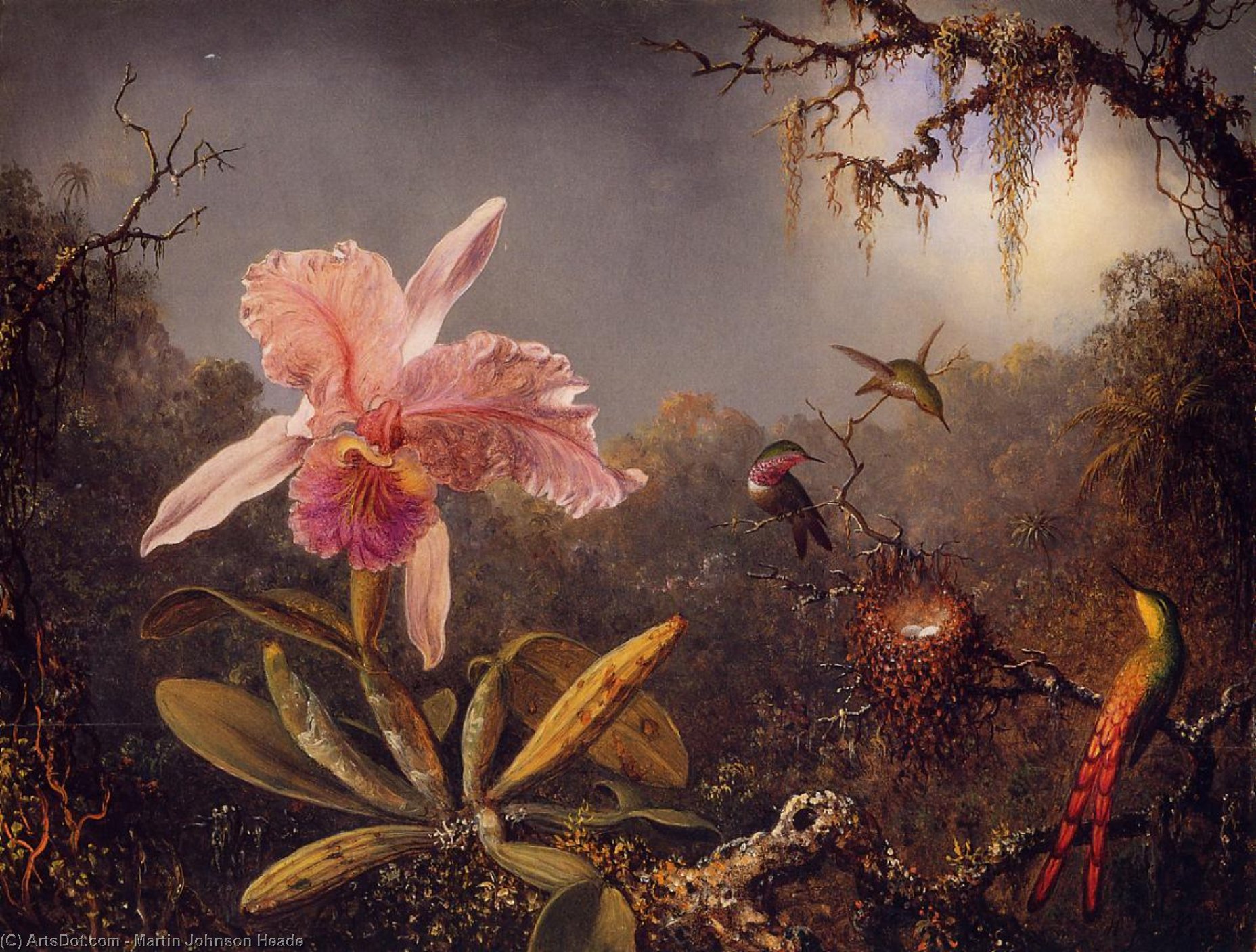
Cattleya Orchid and Three Brazilian Hummingbirds


 Weiterlesen
Giclée / Kunstdruck
Giclée- oder Leinwanddruck in Museumsqualität mit schneller Produktion und flexiblen Veredelungsoptionen. ( Handgemalte Reproduktion bestellen Bild kaufen)




P118B $10

P118H $10

P118W $10

P438Z $10

P508JH $12

P508YH $12

P805H $10

P805Z $10

P919BZ $10

P919G $10

P919XJ $10

P959ZH $10

P968JZ $12

W106C $8

W218G $10

W218JH $8

W218Y $10

W307PJ $10

W316G $10

W316PJ $8

W316Y $10

W398PJ $8

W4111J $10

W500HY $15

W500JH $15

W692G $12

W849H $8

W940BG $15

W953PJ $8




Wählen Sie aus unseren vordefinierten Formaten, die den ursprünglichen Proportionen des Kunstwerks entsprechen.

Sie können Ihre eigenen Maße eingeben, um ein bestimmtes Format oder einen speziellen Platz einzupassen. Wenn das von Ihnen gewählte Format nicht den Proportionen des Originalbildes entspricht, werden wir das Kunstwerk entweder beschneiden oder das Bild mit einem gespiegelten oder einfarbigen Rand erweitern. Ein digitaler Entwurf wird Ihnen zur Genehmigung zugesandt, bevor die Produktion beginnt.
Bitte beachten Sie, dass die Vorschau auf dem Bildschirm nicht den tatsächlichen Zuschnitt oder die Erweiterung widerspiegelt. Nur der Entwurf zeigt die endgültige Komposition präzise an.
Obwohl Sondermaße verfügbar sind, empfehlen wir die Auswahl eines Maßes aus der vordefinierten Liste, um die ursprünglichen Proportionen zu bewahren.
Weltweiter Versand () innerhalb von 2 Wochen statt der üblichen 4/5 Wochen. (24 August)

Kostenloser weltweiter Expressversand

Hochwertige Leinenleinwand

Umfassender Versicherungsschutz beim Versand

Zollgebühren-Rückerstattungsgarantie

Garantie für exakte Farbtreue

60 Tage Rückgaberecht (nur bei Mängeln)

100% Geld-zurück-Garantie

Mengenrabatt verfügbar
 Die Glasoption ist nur für Größen unter 110 cm verfügbar.

Cattleya Orchid and Three Brazilian Hummingbirds
Giclée / Kunstdruck
Format der Reproduktion
-


Gesamtpreis
$ 62
Sammlerstück-Beschreibung
A Tranquil Vision of Tropical Paradise: Cattleya Orchid and Three Hummingbirds by Martin Johnson Heade
Martin Johnson Heade’s “Cattleya Orchid and Three Hummingbirds,” completed in 1871, stands as a quintessential example of Luminism—a movement that championed serene landscapes imbued with spiritual resonance. More than just a depiction of flora and fauna, it embodies the ethos of its time: an earnest fascination with the natural world alongside a burgeoning belief in scientific observation and artistic expression as pathways to understanding God’s creation. ## The Quintessence of Luminist Tranquility Martin Johnson Heade's *Cattleya Orchid and Three Hummingbirds*, completed in 1871, embodies the very spirit of Luminism—a movement that championed serene landscapes imbued with subtle tonal gradations and an almost meditative stillness. Unlike Impressionists who sought to capture fleeting moments of light and color, Luminist painters like Heade prioritized conveying a profound sense of atmosphere and tranquility, mirroring the contemplative gaze of the Romantic era.
A Vision of Tropical Serenity: Cattleya Orchid and Three Hummingbirds
Martin Johnson Heade’s *Cattleya Orchid and Three Hummingbirds*, completed in 1871, stands as a quintessential example of Luminism—a movement that championed serene landscapes bathed in diffused light, prioritizing atmospheric perspective and capturing the subtle beauty of nature. This painting resides within the esteemed National Gallery of Art collection, offering visitors an unparalleled opportunity to experience firsthand the artistic vision of Martin Johnson Heade.A Vision of Tropical Tranquility
The artwork depicts a lush Brazilian rainforest scene dominated by a magnificent pink Cattleya orchid—a flower renowned for its exquisite beauty and fragrance. Three hummingbirds flit around the orchid blossoms, adding dynamism and vibrancy to the composition. The painting’s serene atmosphere is enhanced by misty foliage and distant trees, creating an immersive experience for the viewer.A Tranquil Vision of Tropical Paradise: Cattleya Orchid and Three Hummingbirds
Martin Johnson Heade's *Cattleya Orchid and Three Hummingbirds*, painted in 1871, stands as a quintessential example of Luminism—a movement that championed serene landscapes imbued with spiritual resonance rather than dramatic narratives. This exquisite oil-on mahogany panel captures the humid stillness of Brazil’s tropical rainforest, transporting viewers to an environment teeming with vibrant flora and fauna. At its heart lies “Cattleya Orchid and Three Hummingbirds,” a masterpiece executed in 1871 by Martin Johnson Heade, a pivotal figure in Luminist painting—a movement characterized by serene landscapes bathed in diffused light and prioritizing atmospheric perspective above detailed representation. This remarkable artwork, "Cattleya Orchid and Three Hummingbirds," exemplifies the Luminist aesthetic's profound connection to nature’s beauty and its subtle exploration of scientific observation interwoven with poetic contemplation.A Vision of Tropical Elegance
“Cattleya Orchid and Three Hummingbirds” by Martin Johnson Heade is a masterpiece of Luminism, an artistic movement that flourished in America during the mid-1860s and 1870s. It captures a serene tropical landscape—specifically, a dense Brazilian rainforest—with remarkable precision and luminosity, embodying the core principles of Luminist painting.A Vision of Tropical Tranquility
Martin Johnson Heade’s *Cattleya Orchid and Three Hummingbirds*, completed in 1871, stands as a quintessential example of Luminism – an artistic movement that championed serene landscapes imbued with spiritual resonance. Painted on mahogany panel, the artwork captures a breathtaking glimpse into Brazil's tropical rainforest, specifically focusing on the exquisite beauty of Cattleya orchids intertwined with hummingbirds—a motif deeply rooted in Victorian scientific fascination and Romantic idealism. ## The Vision of Tranquility: Luminism and Heade’s Landscape Philosophy Martin Johnson Heade (1819-1904) stands as a pivotal figure in American art, embodying the ethos of Luminism – a movement that championed serene landscapes imbued with subtle tonal gradations and atmospheric perspective. Unlike Romantic painters who sought dramatic emotion, Luminists like Martin Johnson Heade prioritized capturing the quiet beauty of nature, reflecting a philosophical shift toward observation and scientific inquiry.A Moment Frozen in Tropical Reverie: Cattleya Orchid and Three Hummingbirds
Martin Johnson Heade’s *Cattleya Orchid and Three Hummingbirds*, completed in 1871, stands as a quintessential example of Luminist painting—a movement that championed serene landscapes imbued with subtle tonal gradations to convey mood and atmosphere. More than just a depiction of flora and fauna, it embodies the Romantic spirit's fascination with the sublime – confronting viewers with the grandeur and beauty of nature while simultaneously hinting at its untamed power. ## The Quintessence of Luminism: Cattleya Orchid and Three Hummingbirds Martin Johnson Heade’s *Cattleya Orchid and Three Hummingbirds*, completed in 1871, stands as a quintessential exemplar of Luminist painting—a movement that championed serene landscapes imbued with subtle tonal gradations and atmospheric haze to convey an idealized vision of nature. This remarkable artwork, “Cattleya Orchid and Three Hummingbirds,” by Martin Johnson Heade, resides within the esteemed collection of the National Gallery of Art in Washington D.C., a testament to its enduring beauty and artistic merit.A Luminist’s Quiet Vision: The Essence of Cattleya Orchid and Three Hummingbirds
Martin Johnson Heade's *Cattleya Orchid and Three Hummingbirds*, completed in 1871, stands as a quintessential example of Luminism—a movement that championed serene landscapes imbued with subtle tonal gradations and atmospheric perspective. Painted on mahogany panel, the artwork depicts a lush Brazilian marsh bathed in diffused sunlight, dominated by an exquisite Cattleya orchid and attended by three hummingbirds – a striking combination reflecting Heade’s fascination with capturing the ephemeral beauty of tropical flora and fauna. ## The Scene: A Lush Tropical Reverie Martin Johnson Heade's *Cattleya Orchid and Three Hummingbirds*, completed in 1871, transports viewers to the humid depths of Brazil’s rainforest—a realm meticulously rendered by the Luminist painter. More than just a botanical depiction, it embodies a profound philosophical stance on nature’s beauty and humanity’s place within its grandeur. The painting captures a moment frozen in time, bathed in diffused sunlight that illuminates a lush tropical landscape dominated by a magnificent Cattleya orchid and three Brazilian hummingbirds. ## A Vision of Luminism: Heade's Tranquil Tropical Dreamscape Martin Johnson Heade (1819-1904), a pivotal figure in American Luminist painting, achieved renown for his masterful depictions of the natural world—particularly coastal marshes and tropical landscapes—characterized by an almost ethereal stillness. “Cattleya Orchid and Three Hummingbirds,” completed in 1871, exemplifies this distinctive aesthetic and offers a profound glimpse into Heade’s artistic vision during the Luminist movement.A Moment Frozen in Tropical Splendor
The painting depicts a lush Brazilian jungle scene bathed in diffused sunlight—a hallmark of Luminism, an American art style that prioritizes atmospheric perspective and tranquil landscapes over dramatic narratives. Martin Johnson Heade meticulously rendered this serene marsh scene with remarkable precision, capturing the subtle nuances of light and color to convey a profound sense of stillness and beauty. The painting’s composition draws the eye upward towards the dominant pink Cattleya orchid, its petals unfurling gracefully against the muted tones of the surrounding foliage. Three Brazilian hummingbirds hover around the flower, their iridescent plumage shimmering in the dappled sunlight—a testament to Heade's masterful observation of nature and his ability to capture fleeting moments of beauty.A Luminist’s Quiet Vision: Exploring Cattleya Orchid and Three Hummingbirds
Martin Johnson Heade (1819-1904) stands as a cornerstone of American Luminism, an artistic movement characterized by its serene landscapes bathed in diffused light—a deliberate rejection of Romantic melodrama in favor of contemplative observation. His paintings aren’t merely depictions of nature; they are expressions of a profound connection to the natural world and a subtle exploration of spiritual themes. Consider “Cattleya Orchid and Three Hummingbirds,” completed in 1871, as an exemplary illustration of Heade's Luminist aesthetic.A Moment Frozen in Tropical Brilliance
Martin Johnson Heade’s *Cattleya Orchid and Three Hummingbirds* isn’t merely a depiction of flora; it’s a distillation of the Luminist movement’s core ethos—a profound reverence for the quiet majesty of the natural world rendered with breathtaking precision. Completed in 1871, “Cattleya Orchid and Three Hummingbirds” stands as one of Martin Johnson Heade's most celebrated works, capturing not merely a visual representation but an essence of Luminist philosophy – a dedication to portraying the sublime beauty of nature without embellishment or sentimentality.The Scene: Tropical Tranquility
“Cattleya Orchid and Three Hummingbirds,” painted in 1871 by Martin Johnson Heade, captures a breathtaking glimpse into the vibrant heart of Brazil’s rainforest ecosystem. The canvas depicts a dense jungle landscape bathed in diffused sunlight—a characteristic feature of Luminist painting—where lichen-covered branches dominate the upper portion of the scene. Beneath this canopy, moss drips from trees, creating an atmosphere of quiet contemplation and immersion in nature's beauty. ## Cattleya Orchid and Three Hummingbirds: A Symphony of Color and Detail Martin Johnson Heade’s *Cattleya Orchid and Three Hummingbirds*, completed in 1Ähnliche Kunstwerke
Über den Künstler
Frühes Leben und Ausbildung
Martin Johnson Heade, ein amerikanischer Maler, wurde am 11. August 1819 in Lumberville, Pennsylvania, geboren. Seine frühen Jahre waren von einer starken Neigung zur Kunst geprägt, was ihn dazu veranlasste, unter der Anleitung von Edward Hicks und möglicherweise Thomas Hicks zu studieren. Diese grundlegende Ausbildung legte den Grundstein für seine zukünftigen künstlerischen Bestrebungen.Künstlerische Karriere
Heades künstlerische Karriere lässt sich grob in mehrere Phasen einteilen, die jeweils durch eine deutliche Verschiebung seines Themas und Stils gekennzeichnet sind. Zunächst konzentrierte er sich auf Porträts, wobei sein früheste bekannte Arbeit ein Porträt aus dem Jahr 1839 war. Anschließend reiste er nach Europa, wo er verschiedenen künstlerischen Einflüssen ausgesetzt war.- Heades Werk zeigte zunehmend Interesse an Landschaftsmalerei, insbesondere nachdem er Künstler der Hudson River School wie John Frederick Kensett und Benjamin Champney getroffen hatte.
- Seine Reisen nach Brasilien (1863-1864) und anschließende Reisen nach Nicaragua, Kolumbien, Panama und Jamaika (1866 und 1870) beeinflussten seine Arbeit tiefgreifend und führten zu einer Reihe kleiner Gemälde mit Darstellung von Kolibris.
- Heades späte Jahre in St. Augustine, Florida, waren durch einen verstärkten Fokus auf Stillleben gekennzeichnet, insbesondere Magnolienblüten, die auf Samtstoff gelegt wurden.
Stil und Bekannte Werke
Heades Stil ist durch einen romantischen Ansatz zu seinen Motiven gekennzeichnet, wobei oft das Zusammenspiel von Licht und Schatten betont wird. Seine bekanntesten Werke umfassen Darstellungen der Küstenmarschlandschaften Neuenglands, was dazu geführt hat, dass einige Historiker ihn als Luministen-Maler kategorisieren.- Heades Werk ist heute Teil bedeutender Museen und Sammlungen, darunter die Martin Johnson Heade Sammlung auf https://ArtsDot.com/@/martin-johnson-heide.
- Einige seiner bemerkenswerten Gemälde, wie zum Beispiel "Forked Tailed Woodnymph", sind in der Sammlung auf ArtsDot zu finden.
- Für weitere Informationen über Heades Leben und Werk besuchen Sie bitte die Wikipedia-Seite über Martin Johnson Heade.
Vermächtnis
Obwohl Martin Johnson Heade zu Lebzeiten nicht weithin bekannt war, hat seine Arbeit seit den 1940er Jahren die Aufmerksamkeit von Gelehrten und Sammlern erregt. Heute gilt er als ein bedeutender amerikanischer Künstler, wobei seine Gemälde gelegentlich an unerwarteten Orten wie auf Flohmärkten oder in Garagenverkäufen entdeckt werden. Wichtige Punkte: * Geboren: 11. August 1819, Lumberville, Pennsylvania * Gestorben: 4. September 1904 * Bekannte Werke: Marschlandschaftsbilder, Meeresblicke, Darstellungen tropischer Vögel, Lotusblüten und Stillleben * Stil: Romantischer Ansatz mit Fokus auf Licht und Schatten, kategorisiert als Luministen-Maler * Sammlungen: Bedeutende Museen und die Martin Johnson Heade Sammlung auf ArtsDot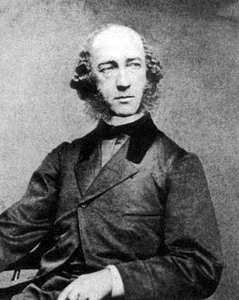
Martin Johnson Heade
1819 - 1904 , Vereinigte Staaten von Amerika
Kurzinfos
- Beeinflusste Künstler:
- John Frederick Kensett
- Benjamin Champney
- Bemerkenswerte Werke:
- Forked Tailed Woodnymph
- Salt Marsh Landscapes
- Magnolienblütenstillleben
- Geburtsdatum: 11. August 1819
- Geburtsort: Lumberville, USA
- Künstlerische Bewegung: Luminismus
- Nationalität: Amerikanisch
- Sterbedatum: 4. September 1904
- Vollständiger Name: Martin Johnson Heade
Ähnliche Artikel
Martin Johnson Heade: Luminismus, amerikanische Identität und das poetische Stillleben
Entdecken Sie das Werk von Martin Johnson Heade! Erfahren Sie mehr über den Luminismus, seine Landschaftsmalerei und die poetischen Stillleben dieses amerikanischen Meisters. Kunstexperten-Analyse & hochwertige Reproduktionen.

Romantische Landschaften: Die 10 Meisterwerke, die eine Epoche prägten | ArtsDot
Entdecken Sie die 10 Meisterwerke der Romantischen Landschaftsmalerei! Von Caspar David Friedrich bis Turner – erleben Sie die Kunst, Emotion & Natur. Hochwertige Reproduktionen auf ArtsDot.com

Robert Spencer: Luminism, Narrative & the American Landscape Tradition
Explore the captivating world of Luminism & the Hudson River School with our expert analysis. Discover the history, artists, and enduring beauty of 19th-century American landscape painting. Find museum-quality reproductions at ArtsDot.
Asher Brown Durand: Luminism, Landscape & the American Ideal – A Comprehensive Exploration
Explore the life & art of Asher Brown Durand, a founding member of the Hudson River School. Discover his masterful landscapes, Luminist techniques, and lasting impact on American painting. Learn about key works like 'Kindred Spirits' & collecting Durand today.
Jasper Francis Cropsey: Luminismus, Landschaft und das amerikanische Ideal des ländlichen Lebens
Entdecken Sie das Werk von Jasper Francis Cropsey und die faszinierende Welt des Luminismus! Erfahren Sie mehr über die Hudson River School, amerikanische Landschaftsmalerei und ihre Bedeutung für die nationale Identität. Jetzt lesen!