 Vorschau anzeigen
 Versenden
 Teilen
 Details anzeigen

 Herunterladen
 Ähnliche Objekte
 Röntgenaufnahme
 Diashow
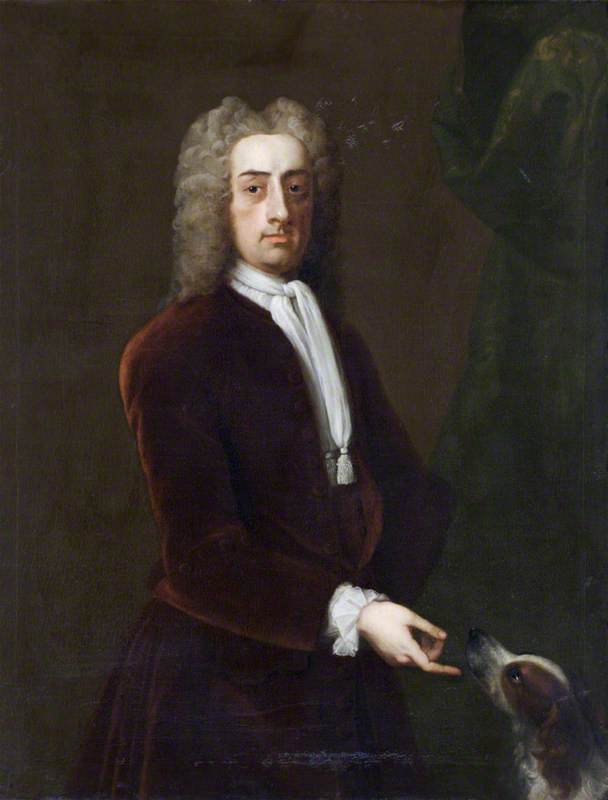
Thomas Hunt II of Mollington, Cheshire (1684–1739)
 Oil On Canvas
- WallArt
- 18th-Century Portraiture
 127.0 x 102.0 cm
 National Trust
 Weiterlesen
Handgefertigte Ölreproduktion
Handgemaltes Ölgemälde auf Leinwand in Ihrer Wunschgröße und mit Rahmen, auf Bestellung von unseren Künstlern angefertigt. ( Druck bestellen Bild kaufen)




P118B $10

P118H $10

P118W $10

P438Z $10

P508JH $12

P508YH $12

P805H $10

P805Z $10

P919BZ $10

P919G $10

P919XJ $10

P959ZH $10

P968JZ $12

W106C $8

W218G $10

W218JH $8

W218Y $10

W307PJ $10

W316G $10

W316PJ $8

W316Y $10

W398PJ $8

W4111J $10

W500HY $15

W500JH $15

W692G $12

W849H $8

W940BG $15

W953PJ $8




Wählen Sie aus unseren vordefinierten Formaten, die den ursprünglichen Proportionen des Kunstwerks entsprechen.

Sie können Ihre eigenen Maße eingeben, um einen bestimmten Rahmen oder Platz auszufüllen. Wenn die gewählte Größe nicht den Proportionen des Originalbildes entspricht, werden wir das Kunstwerk entweder beschneiden oder das Gemälde durch zusätzliche, handgemalte Elemente erweitern. Ein digitales Mockup wird Ihnen zur Genehmigung zugesandt, bevor die Produktion beginnt.
Bitte beachten Sie, dass die Bildschirmvorschau nicht die tatsächliche Beschneidung oder Erweiterung widerspiegelt. Nur das Mockup zeigt die endgültige Komposition exakt an.
Obwohl Sondermaße verfügbar sind, empfehlen wir, eine Größe aus der vordefinierten Liste zu wählen, um die ursprünglichen Proportionen beizubehalten.
Nach der Bestellung wird das ArtsDot.com-Team dem Kunden Anweisungen per E-Mail zusenden und eine Mockup-Vorschau bereitstellen.
Weltweiter Versand () in nur 3 bis 4 Wochen statt der üblichen 5 Wochen. (24 August). Keine Kompromisse bei der Qualität.

Kostenloser weltweiter Expressversand

Hochwertige Leinenleinwand

Umfassender Versicherungsschutz beim Versand

Zollgebühren-Rückerstattungsgarantie

Garantie für exakte Farbtreue

60 Tage Rückgaberecht (nur bei Mängeln)

100% Geld-zurück-Garantie

Mengenrabatt verfügbar
 Die Glasoption ist nur für Größen unter 110 cm verfügbar.

Thomas Hunt II of Mollington, Cheshire (1684–1739)
Art der Reproduktion
Format der Reproduktion
-


Gesamtpreis
$ 263
Beschreibung des Kunstwerks
Thomas Hunt II of Mollington, Cheshire (1684–1739): A Portrait of Aristocratic Grace
Michael Dahl’s “Thomas Hunt II of Mollington, Cheshire” is more than just a painted likeness; it's a meticulously crafted window into the world of 18th-century English aristocracy. Completed around 1720, this oil on canvas portrait captures not merely the physical appearance of Thomas Hunt, but also his status, character, and the subtle nuances of his social standing. The painting’s enduring appeal lies in its masterful blend of realism, classical influence, and a quiet dignity that speaks volumes about the subject and the artist's skill.
Dahl, a Swedish expatriate who established himself as one of London’s most sought-after portraitists, was deeply influenced by the Italian Baroque tradition. This is evident in the painting’s balanced composition, its use of dramatic lighting – known as chiaroscuro – to sculpt the figure and create a sense of depth, and the careful attention paid to detail. The subject's pose, relaxed yet attentive, invites the viewer into his world, while the inclusion of the small dog adds an element of intimacy and reflects the Hunt family’s connection with nature and domesticity. The painting is a testament to Dahl’s ability to seamlessly integrate Italian artistic principles with English sensibilities.
A Study in Light and Texture
Dahl's technique is characterized by its remarkable precision and sensitivity. He employs a layering of thin glazes, building up the image gradually to achieve a luminous quality and an astonishing level of detail. Observe closely the texture of Hunt’s velvet coat – each fold and ripple rendered with painstaking accuracy. The artist masterfully captures the sheen of the fabric, reflecting light in a way that adds considerable richness and depth to the portrait. The subtle variations in tone create a sense of volume, making the figure appear almost three-dimensional. This meticulous attention to detail is further exemplified by the rendering of Hunt’s face – the delicate curve of his lips, the slight furrow of his brow, and the sparkle in his eyes all contribute to a remarkably lifelike portrayal.
The background, deliberately muted and dark, serves to heighten the impact of the figure. It's not merely an absence of color; it’s a carefully considered element that directs the viewer’s attention to Hunt himself. The suggestion of drapery in the upper right corner adds a touch of formality and reinforces the painting’s connection to classical art. The overall effect is one of controlled elegance, reflecting the refined tastes of the English aristocracy.
Symbolism and Social Context
Beyond its technical brilliance, “Thomas Hunt II” offers valuable insights into the social and cultural context of 18th-century England. The subject’s attire – a dark red coat with white shirt cuffs – signifies his wealth and status within the peerage. The inclusion of the dog is particularly noteworthy. Dogs were highly valued companions in this era, symbols of loyalty, friendship, and domesticity. Their presence in the portrait suggests Hunt's connection to family life and his appreciation for the natural world.
Thomas Hunt II himself was a prominent figure in Cheshire society, holding the title of High Sheriff – an important position of authority and responsibility. The painting therefore serves as both a personal portrait and a symbol of his civic role. It’s a tangible representation of the power and influence wielded by the landed gentry during this period.
A Timeless Masterpiece
“Thomas Hunt II of Mollington, Cheshire” is a remarkable achievement in portraiture – a painting that transcends its historical context to speak directly to our own appreciation for beauty, skill, and human character. Its enduring appeal lies not only in Dahl’s technical mastery but also in his ability to capture the essence of his subject, creating an image that is both captivating and profoundly moving. Reproductions of this work offer a remarkable opportunity to experience the artistry and sophistication of this pivotal period in English art history.
Ähnliche Kunstwerke
Über den Künstler
Michael Dahl: Leben und Vermächtnis
Michael Dahl (1659-1743) war ein bedeutender schwedischer Porträtmaler, der während seiner langen Karriere, die er hauptsächlich in England verbrachte, große Anerkennung erlangte. Er wurde zu einem der international bekanntesten schwedischen Maler seiner Zeit und wurde für seine aristokratischen Porträts und seine Beherrschung des Barockstils gefeiert.
Frühes Leben und Ausbildung
Geboren um 1659 in Stockholm, Schweden (die Quellen variieren zwischen 1658 und 1659), begann Michaels künstlerischer Werdegang mit starker familiärer Unterstützung. Seine Mutter, Catarina Dahl, soll beträchtliche Opfer gebracht haben, um sicherzustellen, dass er eine gute Ausbildung erhielt, da sie sein Talent erkannte. Er studierte zunächst ab 1674 unter Martin Hannibal, der von David Klöcker Ehrenstrahl nach Schweden geholt worden war, um eine Porträtakademie zu gründen.
- Hannibal vermittelte ihm die Grundlagen, bevor Dahl direkt bei Ehrenstrahl studierte, was sein Versprechen als Schüler unterstrich.
- Diese frühe Ausbildung legte den Grundstein für seine zukünftige Spezialisierung auf Porträts.
Reise nach England und künstlerische Entwicklung
Im Jahr 1682 unternahm Dahl eine ausgedehnte Bildungsreise durch Europa mit einem Pass, der Reisen erlaubte. Er kam zunächst in London an, wo er unter der Anleitung von Robert White, einem geschickten Graveur und Maler, stand. Diese Verbindung erwies sich als wertvoll, da Dahl White bei Gravurprojekten assistierte, darunter ein Porträt von König Karl XI. von Schweden.
- Ein entscheidender Einfluss war Godfrey Kneller, der Dahl die praktischen Aspekte des Kunstmarktes und die Anpassung an die öffentliche Nachfrage lehrte – im Gegensatz zu Ehrenstrahls eher höfischerem Ansatz.
- Dahl studierte auch zusammen mit Henry Tilson, mit dem er Reisen nach Paris, Venedig und Rom plante.
Rom und religiöse Konversion
Nach seiner Zeit in Paris kam Dahl nach Rom, wo die im Exil lebende Königin Christina von Schweden eine entscheidende Rolle in seiner Karriere spielte. Um Zugang zu einflussreichen Kreisen und päpstlicher Patronage zu erhalten, konvertierte Dahl auf Drängen Königin Christinas zum römischen Katholizismus. Diese Konversion öffnete ihm Türen zu Möglichkeiten, darunter das Malen von Porträts der Königin selbst und die Präsentation seiner Werke vor Papst Innozenz XI., der ihn mit einer Goldmedaille auszeichnete.
Reife Karriere und bemerkenswerte Werke
Dahl kehrte nach England zurück und etablierte sich als hoch gefragter Porträtist. Er wurde für seinen eleganten und raffinierten Stil bekannt, der den Status und die Persönlichkeit seiner aristokratischen Modelle einfing. Seine Porträts zeichnen sich durch reiche Farben, detaillierte Texturen und ein Gefühl von Grandiosität aus.
- Er malte zahlreiche prominente Persönlichkeiten, darunter Königin Anne, Prinz Georg von Dänemark und Mitglieder des englischen Adels.
- Bemerkenswerte Werke sind Porträts von Sir William Carew, John Churchill (1. Herzog von Marlborough) und Sir Robert Walpole.
- Sein Dreifachporträt des 2. Earl of Burlington, dem 1. Duke of Kingston upon Hull und dem 3. Baron Berkeley of Stratton ist ein besonders beeindruckendes Beispiel für seine Fähigkeiten in der Gruppenporträtmalerei.
Einflüsse und Vermächtnis
Dahls künstlerischer Stil wurde von einer Mischung aus schwedischen, italienischen und englischen Einflüssen geprägt. Er erwarb die technischen Fähigkeiten von Hannibal und Ehrenstrahl, lernte vom Kunstmarktgeschäft bei Kneller und profitierte vom Patronatssystem in Rom. Seine Arbeit spiegelt die Ästhetik des Barock wider, die zu seiner Zeit vorherrschte, aber mit einer einzigartig verfeinerten Sensibilität.
- Er beeinflusste nachfolgende Generationen von Porträtmalern mit seinem eleganten Stil und seiner technischen Kompetenz.
- Dahls Porträts geben wertvolle Einblicke in das Leben und Aussehen des englischen Adels im frühen 18. Jahrhundert.
Historische Bedeutung
Michael Dahls Erfolg als schwedischer Künstler, der hauptsächlich in England arbeitete, unterstreicht die internationale Natur des künstlerischen Austauschs während der Barockzeit. Er navigierte erfolgreich in verschiedenen kulturellen Kontexten und etablierte sich als führender Porträtist und hinterließ ein Vermächtnis exquisiter Gemälde, das bis heute bewundert wird.
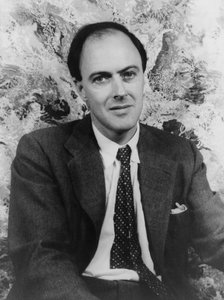
Michael Dahl
1658 - 1743 , Schweden
Kurzinfos
- Beeinflusste Künstler:
- Martin Hannibal
- David Ehrenstrahl
- Godfrey Kneller
- Bemerkenswerte Werke:
- Porträts von Königin Anne
- Porträt König Christina
- Gruppe: Burlington & Berkeley
- Geburtsdatum: 1659
- Geburtsort: Stockholm, Schweden
- Künstlerische Richtung: Barock
- Nationalität: Schwedisch
- Todatum: 1743
- Vollständiger Name: Michael Dahl
Ähnliche Artikel
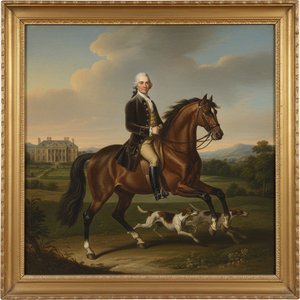
John Francis Sartorius II: Equestrian Elegance & the Rise of British Portraiture
Explore the captivating world of Francis Sartorius II (1734-1804), a leading British painter renowned for his exquisite equestrian portraits and hunting scenes. Discover his life, techniques & enduring legacy.
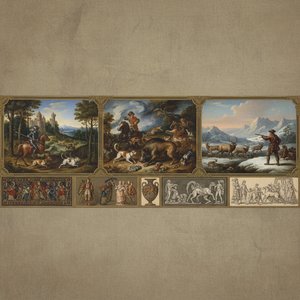
The Pursuit of Power & Prestige: Hunting Scenes in Western Art
Explore the rich history of hunting scenes in Western art, from royal pursuits to powerful allegories. Discover masterpieces & expert insights for discerning collectors. ArtsDot offers museum-quality reproductions.
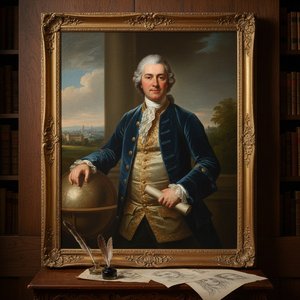
Thomas Hudson: A Study in 18th-Century Portraiture & British Artistic Identity
Explore the life & work of Thomas Hudson, a leading 18th-century British portraitist. Discover his mastery of the 'Grand Manner,' influential style, and lasting impact on British art. Learn about his notable portraits like Judge William Noel & Alexander Van Aken.
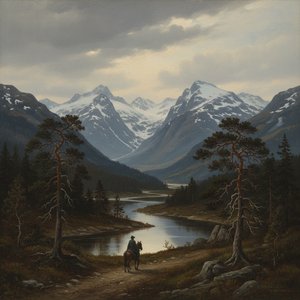
Johan Christian Dahl: Pioneering Norwegian Romantic Landscape Painting
Explore the life & art of Johan Christian Dahl, Norway's first great Romantic painter. Discover his iconic landscapes, cultural impact, and lasting legacy with ArtsDot.
Die 10 Meisterwerke des 18. Jahrhunderts: Kunst für Ihr Zuhause | ArtsDot
Entdecken Sie die 10 prächtigsten Meisterwerke des 18. Jahrhunderts! Von Rokoko bis Klassizismus – erleben Sie die Kunst von Fragonard, David & Hogarth. Hochwertige Reproduktionen für Ihr Zuhause auf ArtsDot.com.